News you can use from the National Ocean Service
August 17, 2026
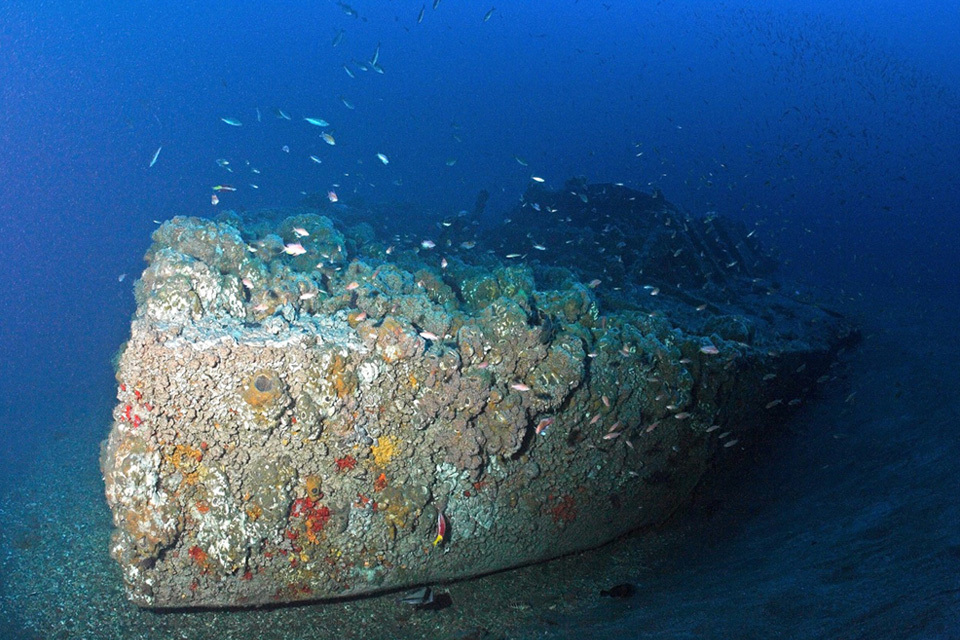 Listen and learn about one of our nation’s most historic shipwrecks.
The USS Monitor sank off the coast of Cape Hatteras, North Carolina, in 1862 during the height of the Civil War. Now the location of the first National Marine Sanctuary, the Monitor serves as an underwater reef teeming with wildlife. Listen to the latest NOAA Ocean Podcast to learn more about the ship's history and why it's a key piece of our heritage.
Tuesday, August 18, 2026 | 12 p.m. ET
Tuesday August 18, 2026 | 11 a.m. AKDT
Thursday, August 20, 2026 | 1 p.m. ET

 |
|
NOAA has launched its own citizen science catalog on the Office of Education page! This catalog gives the public and educators a way to find citizen science projects in their region or projects based on their interest. |
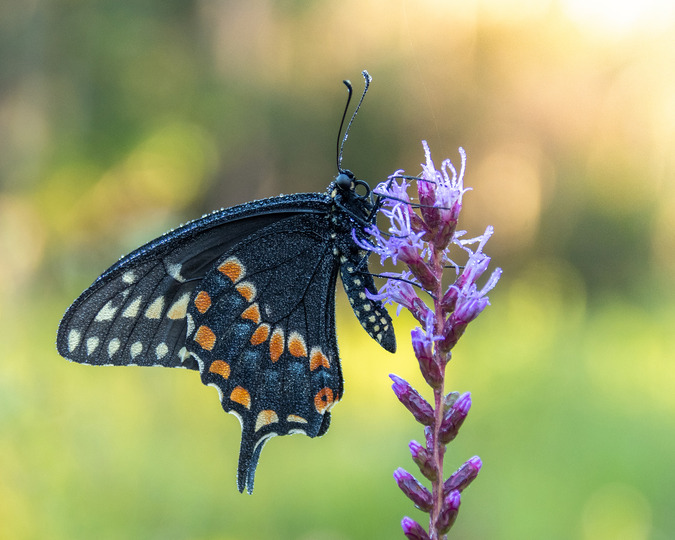 Kathy Hicks, Weeks Bay Reserve, Alabama
Application Deadline: Monday, August 31, 2026
Calling all photo and estuary enthusiasts!
The National Estuaries Week Photo Contest is in full swing, and who better to capture these magical ecosystems than the folks who get up close and personal with estuaries? Please consider submitting up to 10 of your best photos. Check out the 2025 contest winners and honorable mentions for inspiration! Visit the photo contest webpage for details, including rules and regulations regarding this contest.
Please submit all photos to OCM.NERRS.PhotoContest@noaa.gov.

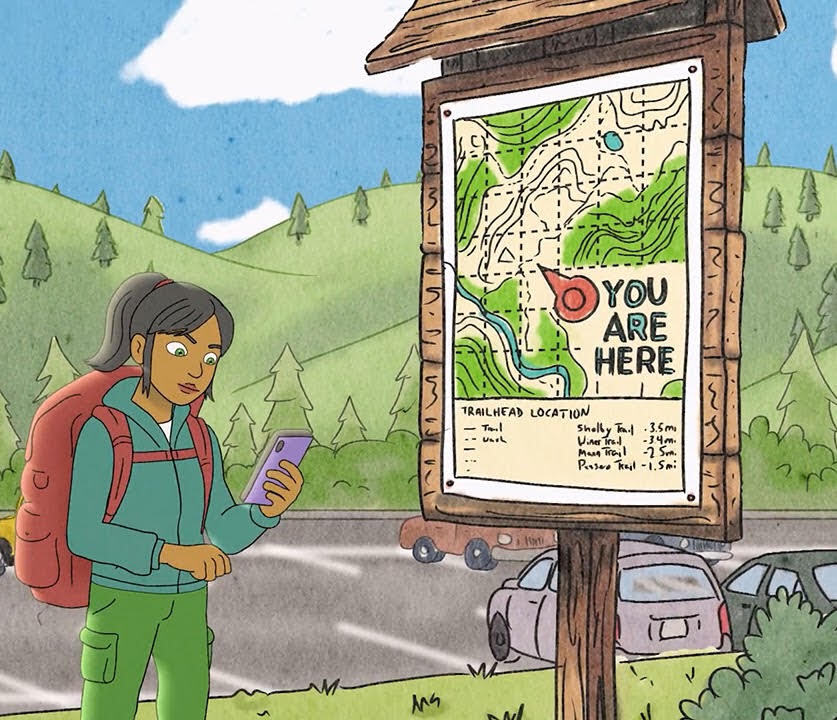 What is geodesy? This new video from NOAA explores the importance of geodesy — the science of measuring where things are on Earth and how those locations change over time. Geodesy is the invisible utility that maps U.S. shorelines, determines land boundaries, and improves transportation and navigation safety. This geodesy tutorial explains an overview of the history, essential elements, and modern methods of geodesy if you’re interested in learning more.
Dive into the NOAA Ocean Acidification Program's curated collection of background, classroom ready, regional and species-specific resources for educators, students and anyone interested in ocean and coastal acidification. Unlock ocean acidification with background, classroom ready, regional and species-specific resources - each vetted for teaching and communication best practices. Explore the gallery and follow a personalized learning path tailored to your specific interests and goals. The interactive feature in the gallery helps you quickly navigate our curated library to find the exact resources you need or you can browse the full collection.
|
Do you have an item you'd like to share
in future issues of The Watch?
|
|