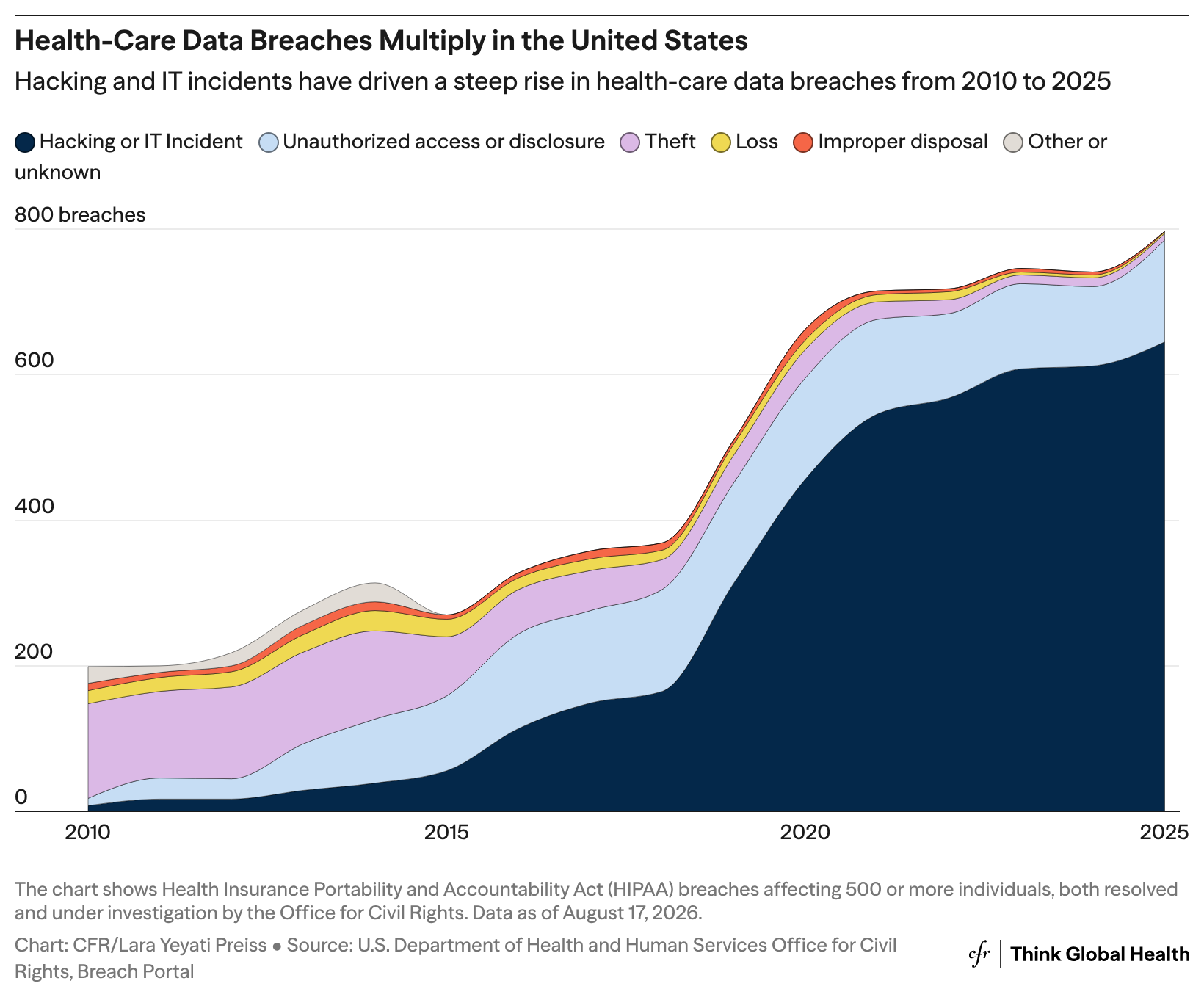
Cyberattacks on the United States are on the rise. Just last month, hackers, often supported by noncooperative foreign governments, disrupted care at hospitals, stole millions of health-care records, and attacked infrastructure. The health-care sector has become the preferred battleground for hackers due to its potentially significant risks for patient and community safety. In 2025, the FBI reported that there were more ransomware attacks on health care than on any other critical infrastructure sector.
Now, as artificial intelligence enables hackers to more quickly find and exploit software vulnerabilities, John Riggi, the American Hospital Association’s national advisor for cybersecurity and risk, outlines why the United States needs a whole-of-nation approach to keep pace with perpetrators and strengthen the country’s cyber defenses.
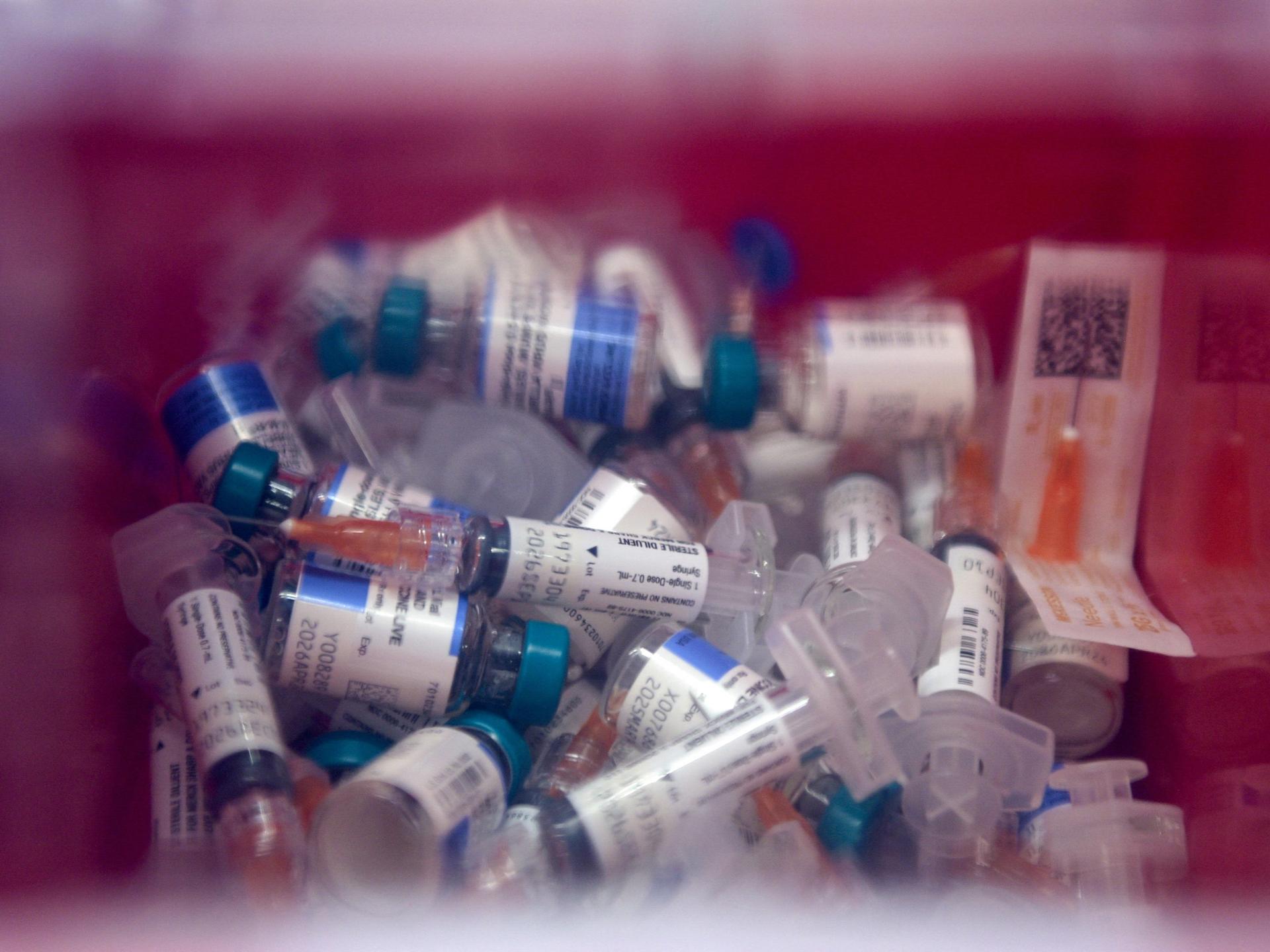
Continuing TGH’s coverage of President Donald Trump’s executive order directing agencies to split the measles, mumps, and rubella (MMR) vaccine into three separate shots, CFR Senior Fellow Prashant Yadav explores how the order could have significant contagion effects on demand and supply for MMR, measles-rubella, and measles-only vaccines globally.
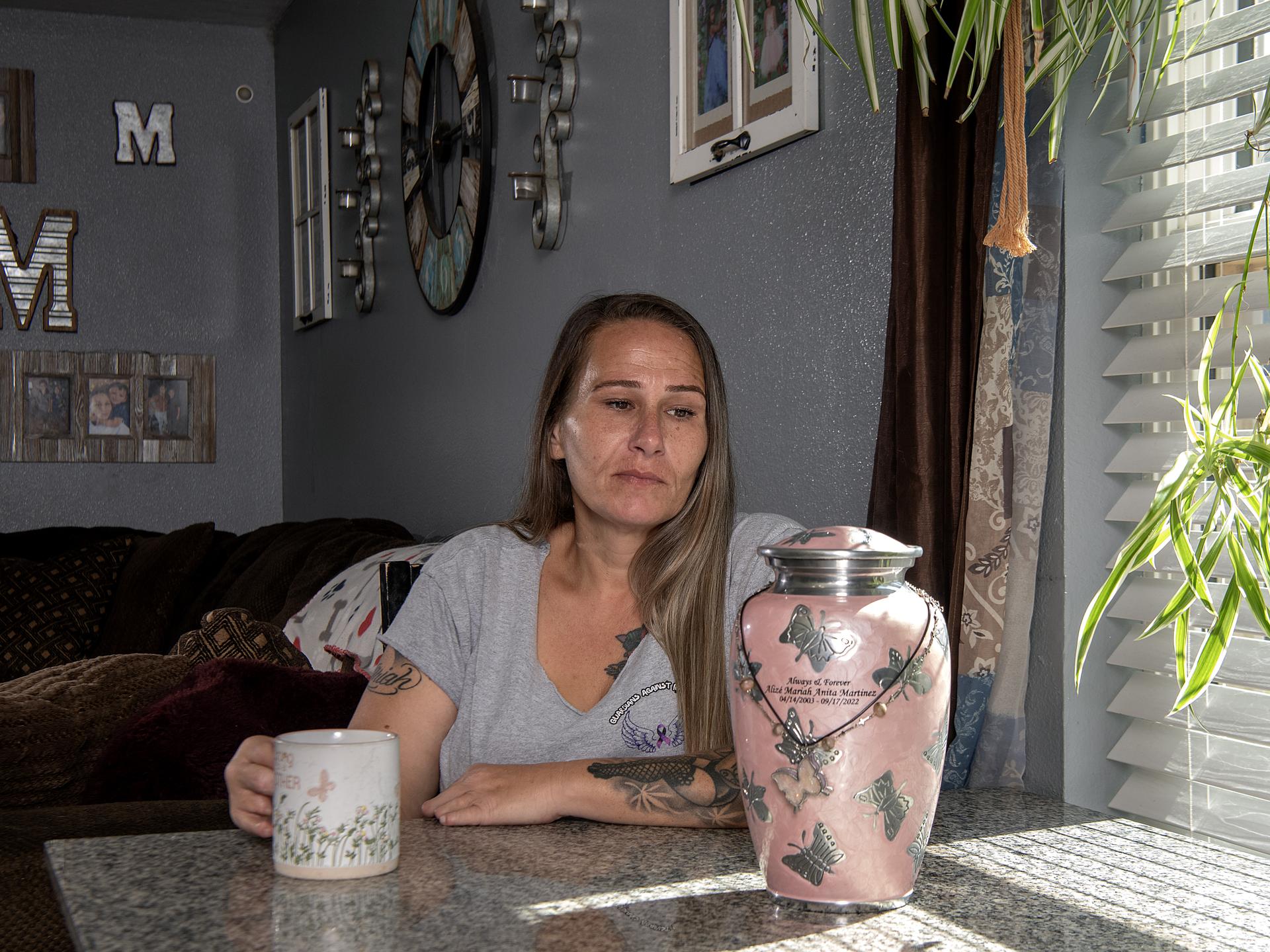
To wrap up, journalist Sam Nichols investigates why many young Americans with opioid use disorder are not receiving buprenorphine, an effective medication that—unlike the stronger, more restricted methadone—can be prescribed by any doctor or nurse practitioner and dispensed by a pharmacy.
Until next week!—Caroline Kantis, Associate Editor