Nearing the six-month mark of the Iran war and facing diminishing stockpiles of key weapons, the Trump administration is touting a crushing financial campaign against Tehran, threatening an “economic D-Day” against a country that has so far withstood nearly five decades of American sanctions.
With sparse details, President Donald Trump announced this week that the U.S. would be imposing an “unprecedented” level of economic warfare and isolation on Iran, aiming to force its leadership to cave to demands to end its nuclear program and fully reopen the crucial Strait of Hormuz to oil and natural gas tankers. Plus, Trump heads to South Carolina to campaign for Darline Graham, Washington bureau chief Anna Johnson's weekly story picks and my latest political read. |
|
|
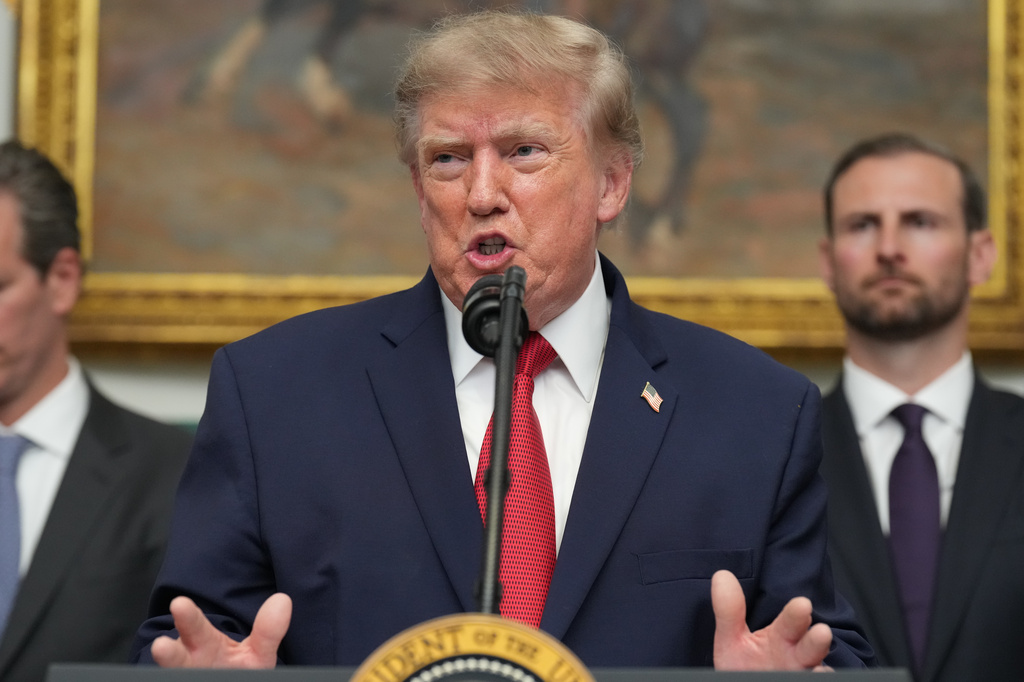
President Donald Trump speaks during a meeting with technology leaders in the Roosevelt Room of the White House, Wednesday, Aug. 19, 2026, in Washington. (AP Photo/Jacquelyn Martin) |
Trump warns of 'economic D-Day' against Iran, but Tehran is well acquainted with sanctions — By Farnoush Amiri
The plan reflects the dire reality Trump faces with an increasingly unpopular war he can't seem to end just months before pivotal midterm elections that will decide whether his Republican Party keeps control of Congress.
Whether out of desperation or strategy, the president is refocusing America's might on bringing Iran to its knees through an accelerated sanctions campaign against one of the most economically penalized countries in the world.
The immediate response from Iran hawks has been praise and a call for patience as it plays out, while other analysts warn that Trump is refusing to learn the lessons of his predecessors.
In an interview Thursday on CNBC, Treasury Secretary Scott Bessent offered a small glimpse of what may be ahead, threatening secondary sanctions on nations and companies that conduct business with Iran.
He did not say exactly whom would be targeted as part of this next phase of the administration’s “Operation Economic Fury,” which earlier had focused on entities and individuals that buy oil from or bank with Iran. China and India, however, are major buyers of Iranian oil.
Despite decades of U.S. sanctions against Iran, the Trump administration is arguing that it’s only a matter of time and that striking the right economic target would get Tehran to its breaking point.
Read more by Amiri on the Trump administration's Iran plans. |
|
|
|
Trump heads to South Carolina to back Darline Graham in Senate runoff |
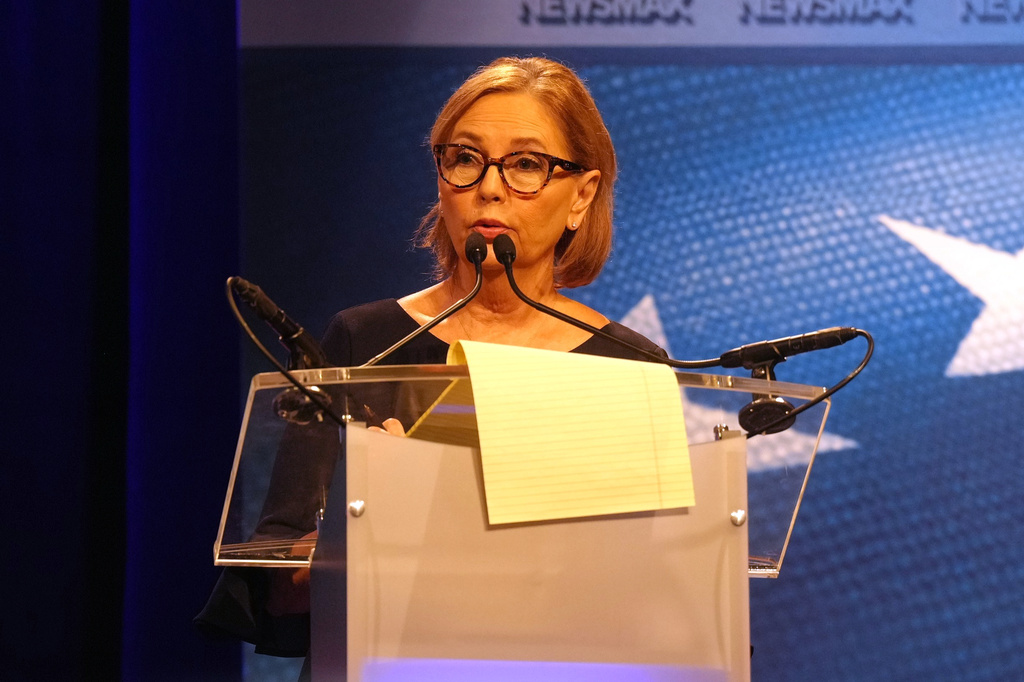
Sen. Darline Graham, R-S.C., speaks during a debate ahead of the special GOP Senate runoff election to replace the late Sen. Lindsey Graham, R-S.C., in Newberry, S.C., Tuesday, Aug. 18, 2026. (AP Photo/Meg Kinnard) |
President Trump to stump for Sen. Darline Graham days ahead of South Carolina's GOP Senate runoff — By Meg Kinnard
Trump travels to South Carolina on Friday to make a last-minute appeal for Sen. Darline Graham, his chosen candidate to replace her brother, the late Sen. Lindsey Graham, ahead of a Republican runoff next week. Voters will decide Tuesday whether Graham or Rep. Ralph Norman will be Republicans' nominee on the November ballot.
The Myrtle Beach rally is the sort of campaign trail occasion that Trump hasn’t done as much of this year, compared with past midterms, making it a signal of the importance Trump is placing on a win for his pick.
It's also an opportunity for the president to wade into friendly territory ahead of the midterm elections that leave his party’s control of Congress hanging in the balance.
South Carolina hasn’t elected a Democrat statewide in decades, its House delegation has only one Democrat and Trump’s own victory in the 2016 presidential primary here helped propel him toward the nomination and ultimately the White House.
Read more of my reporting on Trump's trip to South Carolina. |
|
|
|
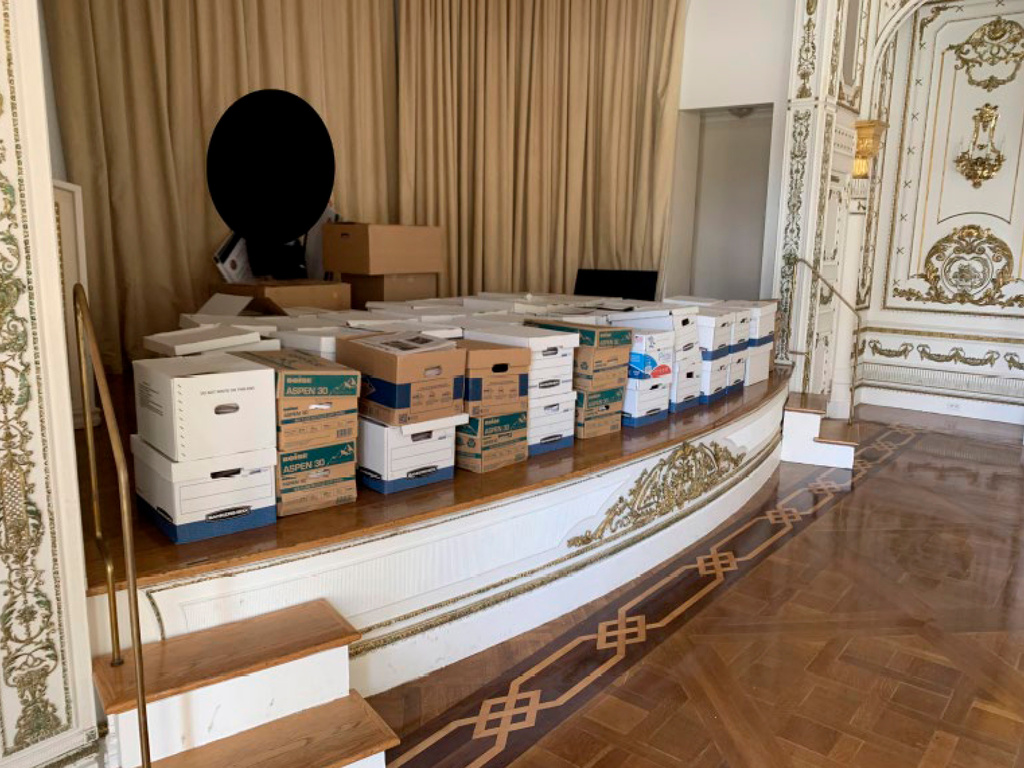
This image, contained in the indictment against former President Donald Trump, and partially redacted by source, shows boxes of records being stored on the stage in the White and Gold Ballroom at Trump's Mar-a-Lago estate in Palm Beach, Fla. The federal judge overseeing the classified documents prosecution of Trump is expected to set a trial date during a court hearing on March 1, 2024.(Justice Department via AP) |
Investigators examining foes of Trump seek interviews related to Mar-a-Lago search, AP sources say — By Eric Tucker and Alanna Durkin Richer
— This was a great scoop by two of our top beat reporters, Eric and Alanna. The have been reporting on this investigation in an effort to find out more about its scope and who and what are specifically being investigated: The CDC has zombie programs. Congress funds them, but few people are left to do the work — By Mike Stobbe
— Great newsy enterprise by Mike, who has been covering the CDC for years and tapped into his wealth of sources and expertise. The new CDC director mentioned the AP story the next day in a meeting with staff.
What to know about the fake election poll numbers shared and retracted by a mysterious company — By Steve Peoples, Amelia Thomson-Deveaux and Ken Sweet
— Our Politics, Polling and Business reporting teams collaborated on this fake election poll story — and to explain what goes into high-quality polling (the AP has high standards for its AP-NORC polls and any other polls we cite in our coverage). |
|
|
|
Political book club: What's on Meg Kinnard's reading list? |
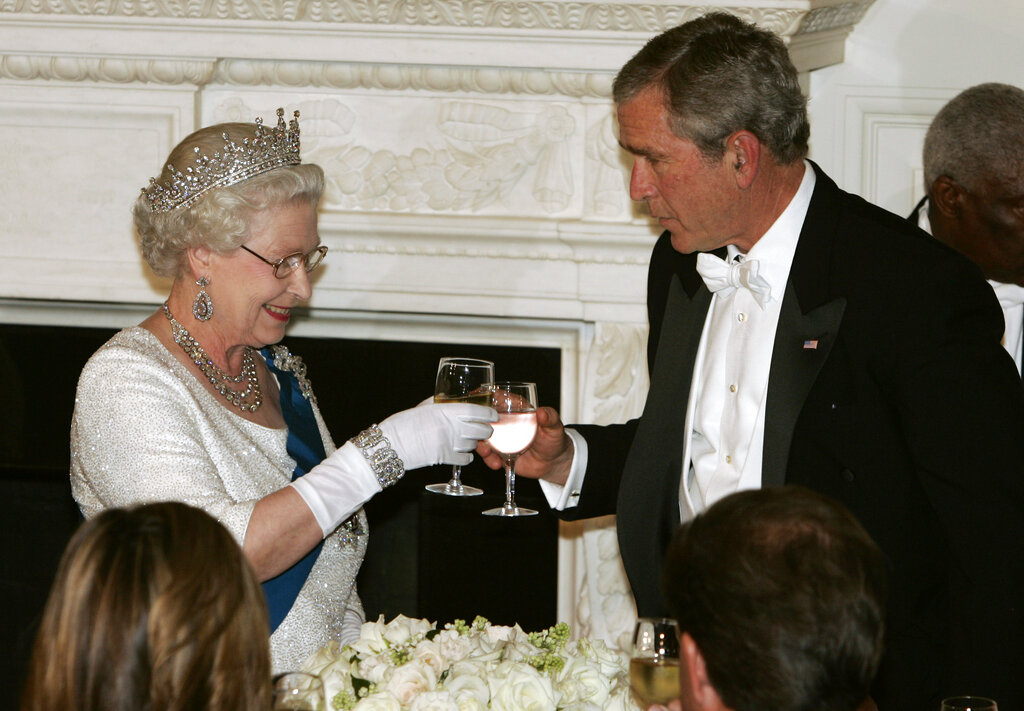
President Bush toasts with Queen Elizabeth II, left, during a State Dinner at the White House on Monday, May 7, 2007 in Washington. (AP Photo/Evan Vucci) |
I had the pleasure of anchoring AP's livestream coverage earlier this year of the royal visit of King Charles III and Queen Camilla to the United States. Aside from the pomp and circumstance inherent to affairs that include royalty and white-tie state dinners, I was struck by the sort of soft diplomacy that British monarchs can carry out across the globe in ways that heads of government can't necessarily do. That's not to mention the semi-permanence that they possess, particularly compared to elected leaders in their own country, which lately have changed with regularity.
All of that got me thinking about the sorts of relationships that Charles' predecessor, Queen Elizabeth II, was able to develop with the 14 U.S. presidents who were in office over the course of her historic, 70-year reign of the United Kingdom. (She met all but one of them in person, Lyndon Johnson.)
That train of thought quickly led me to "The Queen and Her Presidents: The Hidden Hand That Shaped History," by veteran American journalist Susan Page.
From mending geopolitical rifts to developing life-long rapport, Page lays out how the queen navigated complex situations that threatened to upend the U.S.-U.K. "special relationship," as well as the complicated personalities and even gaffes of presidents and their teams.
Especially in this year celebrating America's 250th, it's fascinating to think about how just one British monarch held the throne for more than a quarter of our nation's entire existence.
Read here about the king's successes during his U.S. visit this year. |
|
|
|
|