Hello,
Tragedy struck the Himalayan border of Nepal and China's Tibet on Wednesday, triggering catastrophic flooding on the Nepali side that killed at least 270 people and left more than 1,000 people missing. The disaster was triggered after a wall of ice, mud and rock collapsed into a mountain river, triggering a catastrophic flash flood.
Click here to keep up with the live reporting on the flash flood, including rescue efforts and scenes from the ground.
We’ll unpack the role that climate change played and the glacier that broke off and crashed onto the valley floor, according to scientists from Earth Sciences New Zealand and satellite imagery from Planet Labs. Before we get into what happened in Nepal, here are some major Meta and tech ESG stories that are also on my radar today: |
|
|
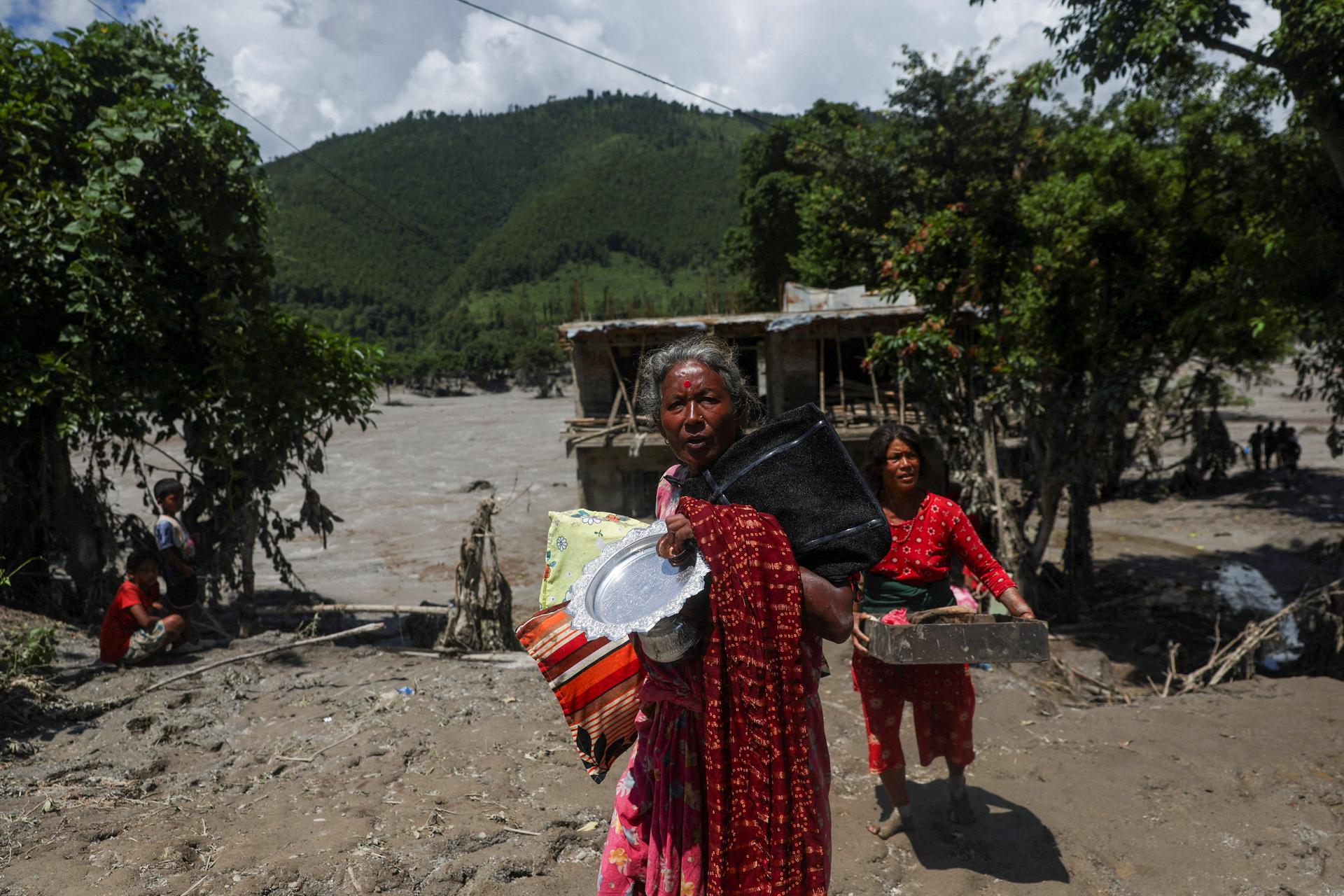
Women carry belongings from their damaged homes after a flash flood and a mudslide, in Galchhi, Nepal. REUTERS/Francis Mascarenhas |
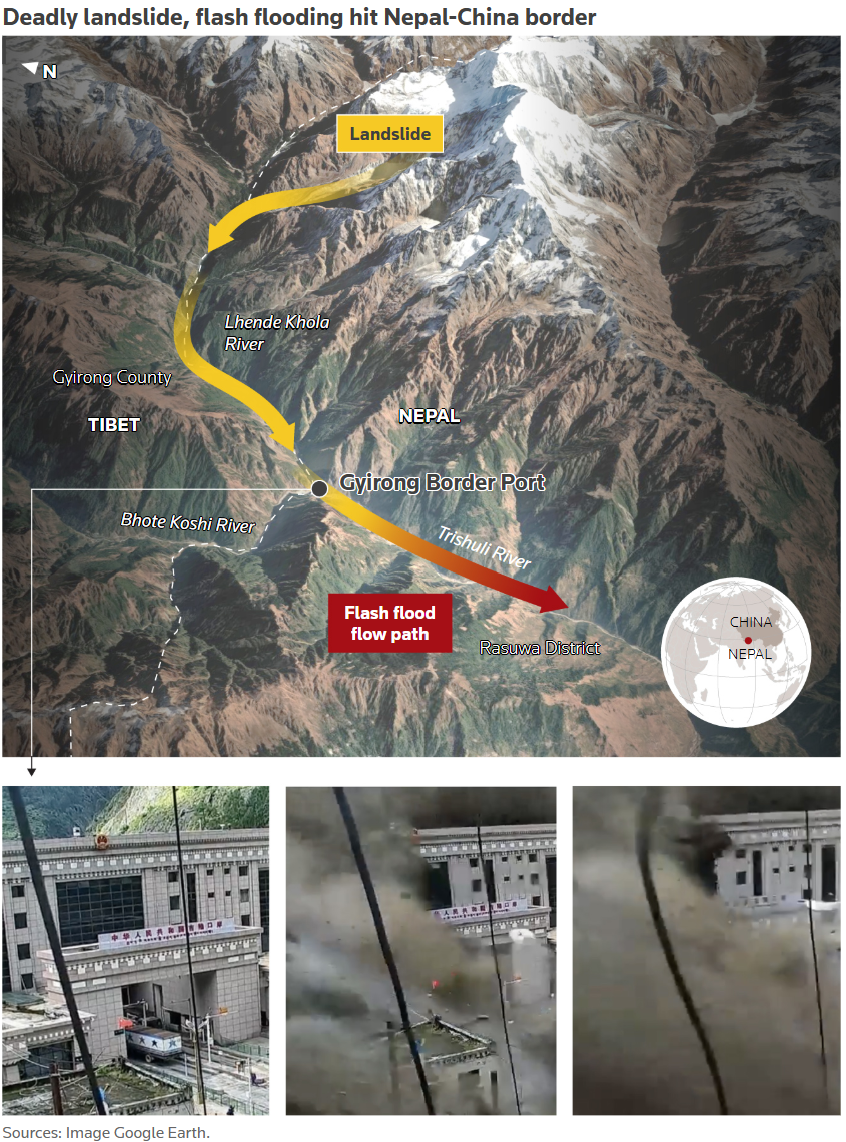
Torrential floods swallowed roads, bridges, houses and power projects in the border areas of Nepal, and triggered a mudslide that hit Gyirong Port, a major land crossing with neighbouring Tibet, cutting roads, communications and power links to the area.
It is suspected that an earthquake struck the region and triggered an ice-rock avalanche on the Lhende Khola river in Nepal, causing the floods.
Before-and-after satellite imagery of the region from Planet Labs, reviewed by Reuters, showed lush green mountainside now buried under brown debris and sediment.
It was not clear what caused the glacier to collapse, but Nepali officials have pointed to an earthquake in the region minutes earlier as a possibility. Earth scientist Dan Shugar, an associate professor at the University of Calgary, said the imagery seemed to show that a large amount of snow had melted in the 24 hours prior to the disaster.
"Some of the glaciers in the valley were covered in snow yesterday and today they are mostly bare ice. So, in other words (and I haven't seen any weather station data yet), it was probably warm," he said. |
|
|
|
Nepal's snow-capped mountains had lost close to one-third of their ice in just over 30 years due to global warming, the United Nations said in 2023.
"Climate change is generating conditions that can destabilize high-mountain rock and ice," said Simon Cox, chief scientist at the Mountains to Sea programme at Earth Sciences New Zealand. That in turn makes collapses and cascading hazards of the kind seen this week more frequent, he added. While experts caution against describing climate change as the sole, immediate trigger for Wednesday's collapse, they say that rising temperatures and melting glaciers probably played a role in the disaster.
Warming can reduce ice support on steep slopes, boost meltwater, and change patterns of freezing, thawing and rainfall, which can weaken mountainsides and make large collapses more likely in some spots, Cox added.
Nepal's Home Minister Sudhan Gurung said the focus remained on finding survivors as rescue teams located 100 missing Indian visitors, mostly pilgrims, and 25 Chinese workers in the worst-hit region around Trishuli.
More than 650 foreigners were still unaccounted for while Nepali authorities were yet to determine the number of locals missing. Click here for a moving story on how one man who was saved by a mango tree from a torrent that swept him downstream amid mud and debris. |
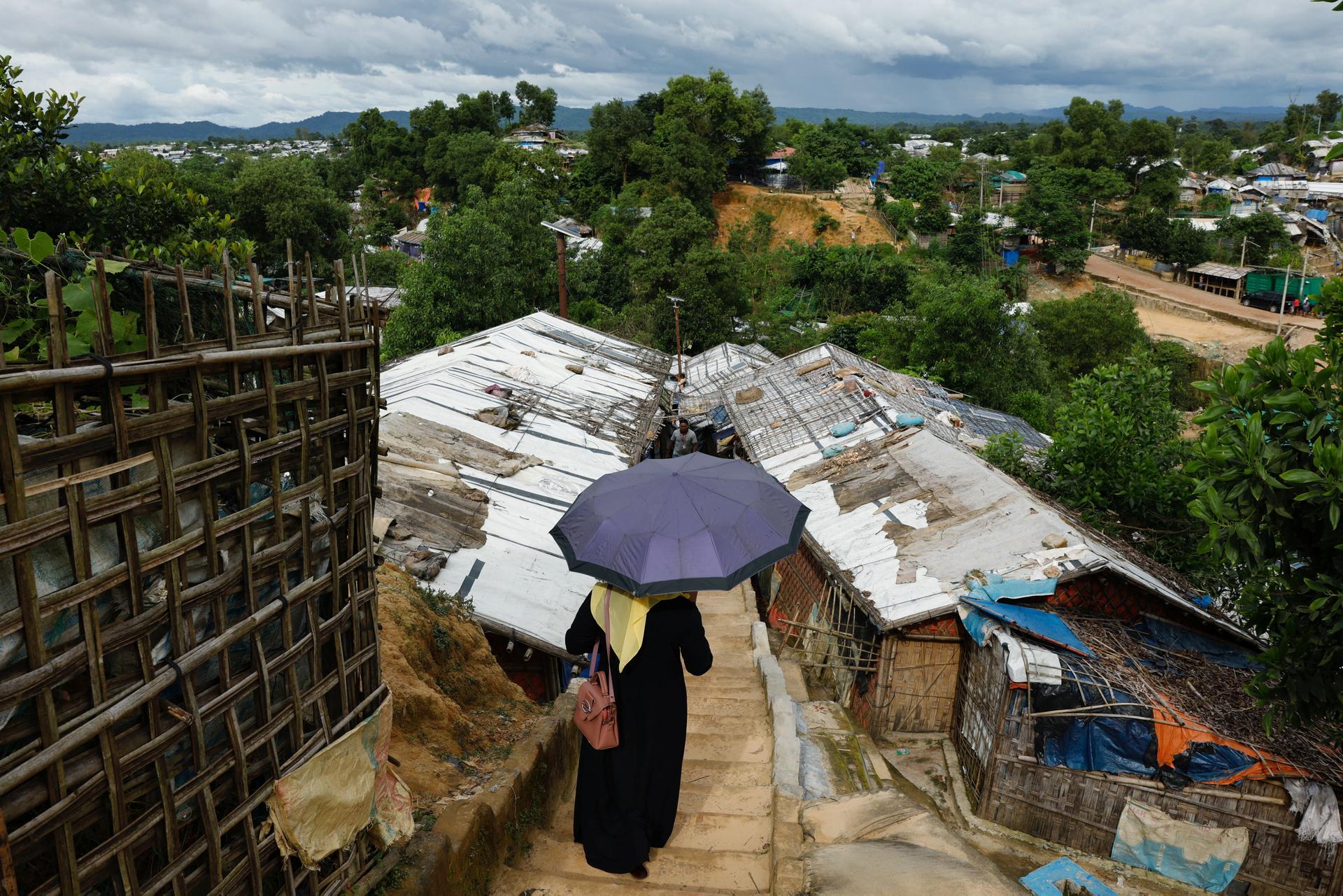
A Rohingya refugee woman with an umbrella walks along a refugee camp in Cox's Bazar, Bangladesh. REUTERS/Mohammad Ponir Hossain |
-
Human rights in Myanmar: The United Nations human rights office report, covering June 2025 to May 2026, said unrelenting conflict, military violence and a growing "conflict economy" were exposing civilians to severe hardship. Human rights conditions in Myanmar have sunk to a new low, with widespread abuses against the Rohingya minority and a booming illicit economy driven partly by illegal rare-earth mining deepening civilian suffering, the U.N. said. Click here for the full Reuters story.
-
Palestine Action: The United States designated Palestine Action as a terrorist group, as President Donald Trump's administration seeks to crack down on left-wing groups in its counterterrorism efforts. Trump singled out the anti-fascist antifa movement on the campaign trail in 2024 and also imposed sanctions on an Italy-based entity it accused of supplying digital architecture, tools and services for antifa and other far-left groups.
-
Bolivia LGBT rights: Fabiana Justiniano and Scarlett Rocha applied to marry in October 2022. After nearly four years of legal proceedings and two constitutional appeals, they won a ruling in March 2026 clearing the way for their wedding — Bolivia's first legally recognized same-sex marriage. The pair’s same-sex marriage could prompt other couples to seek the same recognition, activists say.
-
Alaska oil drilling: The U.S. Interior Department is working on a proposed "categorical exclusion" that would accelerate permitting for winter oil and gas exploration activities in Alaska's National Petroleum Reserve as part of the Trump administration's push to speed energy development in the Arctic, according to an Interior spokesperson.
-
South Africa’s sustainable switch: South Africa's mining firms Anglo American and Sibanye Stillwater are among the firms reducing their dependence on a national grid dominated by ageing coal-fired power plants that has struggled in recent years to keep Africa's most advanced economy running and are accelerating investment in renewable energy as they seek to diversify power sources. Click here for the full Reuters story.
|
|
|
|
Click here to check out a map created by the Reuters graphics team showing the path of the mudslide and flash flooding that engulfed the Nepal-China border crossing at Gyirong. |
|
|
|
|