|
|
|
|
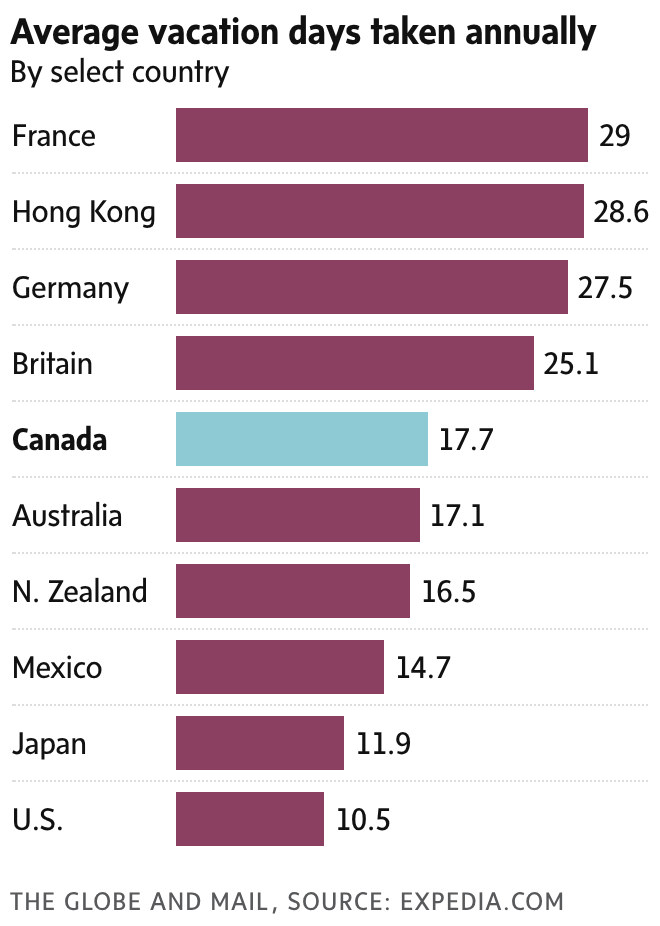
Morning. In focus today: Surrounded by angst over trade and soaring stock valuations, Canada’s largest banks are sounding upbeat. Why the optimism? We also look into why Canadians aren’t taking their paid days off. |
|
|
|
|
|
|
|
|
|
|
|
|
|
|
|
|
|
|
|
|
|
|
Geopolitical hydronymy: Donald Trump signed an executive order to rename Lake Ontario as Lake America. Not for nothing: Won’t this require hundreds of regional federal employees to spend countless hours updating an untold number of maps, environmental files and shipping documents so they match the presidential Sharpie? Don’t they have other things to do? |
|
|
|
|
Buying Canadian: American private equity giants invest $2.7-billion in Enbridge’s B.C. natural gas pipeline expansion. |
|
|
|
|
Who saw this coming? Canadian securities regulators decline to oversee sports and entertainment contracts for prediction markets. |
|
|
|
|
|
|
|
|
|
|
|
|
|
|
|
Looking up. Nathan Denette/The Canadian Press
|
|
|
|
|
|
|
|
|
|
|
Bright skies on Bay Street |
|
|
|
|
Canada’s six biggest banks each beat analyst expectations in third-quarter earnings this week. I spoke with The Globe’s David Berman about what their results reveal about the economy and the lenders’ outlook. |
|
|
|
|
What sticks out to you about this quarter’s earnings? |
|
|
|
|
Heading into the reporting season, I think investors were looking for an indication that the stunning run-up in share prices this year, which created historically high valuations, would be justified by strong financial results. |
|
|
|
|
The good news is that the banks delivered an upbeat quarter. Operating earnings exceeded analysts’ estimates, lending activity nudged higher and credit performance improved. |
|
|
|
|
|
|
|
|
As for the outlook, executives sounded upbeat. Bank of Nova Scotia’s chief executive, Scott Thomson, said that the Canadian economy “has proven to be much more resilient than expected.” |
|
|
|
|
So, all in all, a pretty good reporting season that soothed a lot of concerns – even if it failed to justify high valuations. |
|
|
|
|
Given that bank stocks are up about 30 per cent this year, though, how good do earnings have to be to keep investors happy? And for how long? |
|
|
|
|
This was one of the pleasant surprises this quarter: Investors seemed okay with the banks’ financial results even though profit growth isn’t keeping up with the rally in stock prices. |
|
|
|
|
Bank of Montreal offers a good example here. Its adjusted profit, which reflects operating performance, increased by 19 per cent from the same quarter last year. That was above analysts’ expectations but well shy of the 45-per-cent gain in the bank’s share price over the past year. |
|
|
|
|
It’s hard to say how long investors will support the sector’s stretched valuations. Price-to-earnings ratios are well above the historical averages, which means earnings have to rise substantially to bring those valuations back in line. But as anyone will tell you, valuations can ignore historical averages for a very long time. |
|
|
|
|
Banks can make money when the economy is strong and consumers are spending and borrowing. But there are also opportunities in times like these in trading, wealth management and dealmaking. Is there almost always some part of a big bank that benefits from whatever the economy throws at it? |
|
|
|
|
The big banks are diversified across several business lines. They also enjoy considerable geographic diversification, not only across Canada but in the United States and beyond. |
|
|
|
|
If something isn’t working – say, mortgage growth in Ontario – something else should be contributing to bank revenues. Perhaps wealth management is performing well with the stock market. Or maybe lending to the energy sector is picking up thanks to a strong environment for commodity prices. |
|
|
|
|
But banks are by no means invulnerable. Their bread-and-butter activity of providing loans to consumers and businesses is highly leveraged, which means that downturns can be painful. You could see that during the financial crisis in 2008 and the initial reaction to the pandemic in 2020, when bank stocks were crushed. |
|
|
|
|
You recently wrote that Canadian banks are sitting on a $60-billion cash pile. Why is having too much cash a pressure for a bank, and what are they most likely to do with it? |
|
|
|
|
This is an issue that was raised on earnings conference calls this week. The banks have been stockpiling cash well above regulatory requirements. If cash is just sitting there on the balance sheet without generating a return, that can weigh on profitability. |
|
|
|
|
The bigger issue is what the banks will do with this cash. Big acquisitions tend to be viewed unfavourably by investors right now, which is why some banks are going out of their way to stress that they’re considering only smaller, tuck-in acquisitions. |
|
|
|
|
So, share buybacks remain a popular option because they can drive up earnings on a per share basis. But some analysts believe that with share prices up, the payback is more limited. Too much cash is not a bad problem to have – but it’s something that investors will be watching closely. |
|
|
|
|
|
|
|
|
|
|
|
|
|
|
|
|
|
|
|
|