Poland’s growing presence in air defence, add Portuguese flair to your pasta with Azouro and lessons in resilience from the CEO of Dubai Airports.
|
Wednesday 2/9/26
|

|
|
London
Paris
Zürich
Milan
Bangkok
Tokyo
Toronto
|
|
|
|

Good morning from Midori House. For more news and views, tune in to Monocle Radio. Here’s what’s coming up in today’s Monocle Minute:
THE OPINION: The UN’s new visitor centre builds consensus
IN THE BASKET: Poland’s air defence sector shoots for the stars
DAILY TREAT: Add Portuguese flair to your pasta with Azouro
FROM MONOCLE.COM: Dubai Airports bounces back after airstrikes
|
|
The Opinion: ARCHITECTURE
|
|
Diplomatic design 101: The UN’s newest visitor centre is a study in architectural monotony
By Hiba Alobaydi
|
Richard Rogers once said, “Architecture is always political.” Few buildings embody that idea more than the UN’s new visitor centre, the Portail des Nations (Portal of Nations) in Geneva. The building, which opened to the public in June, has been designed to welcome some 200,000 visitors each year into a microcosmic utopia of the UN’s own design: a threshold between Geneva and the world of international diplomacy.
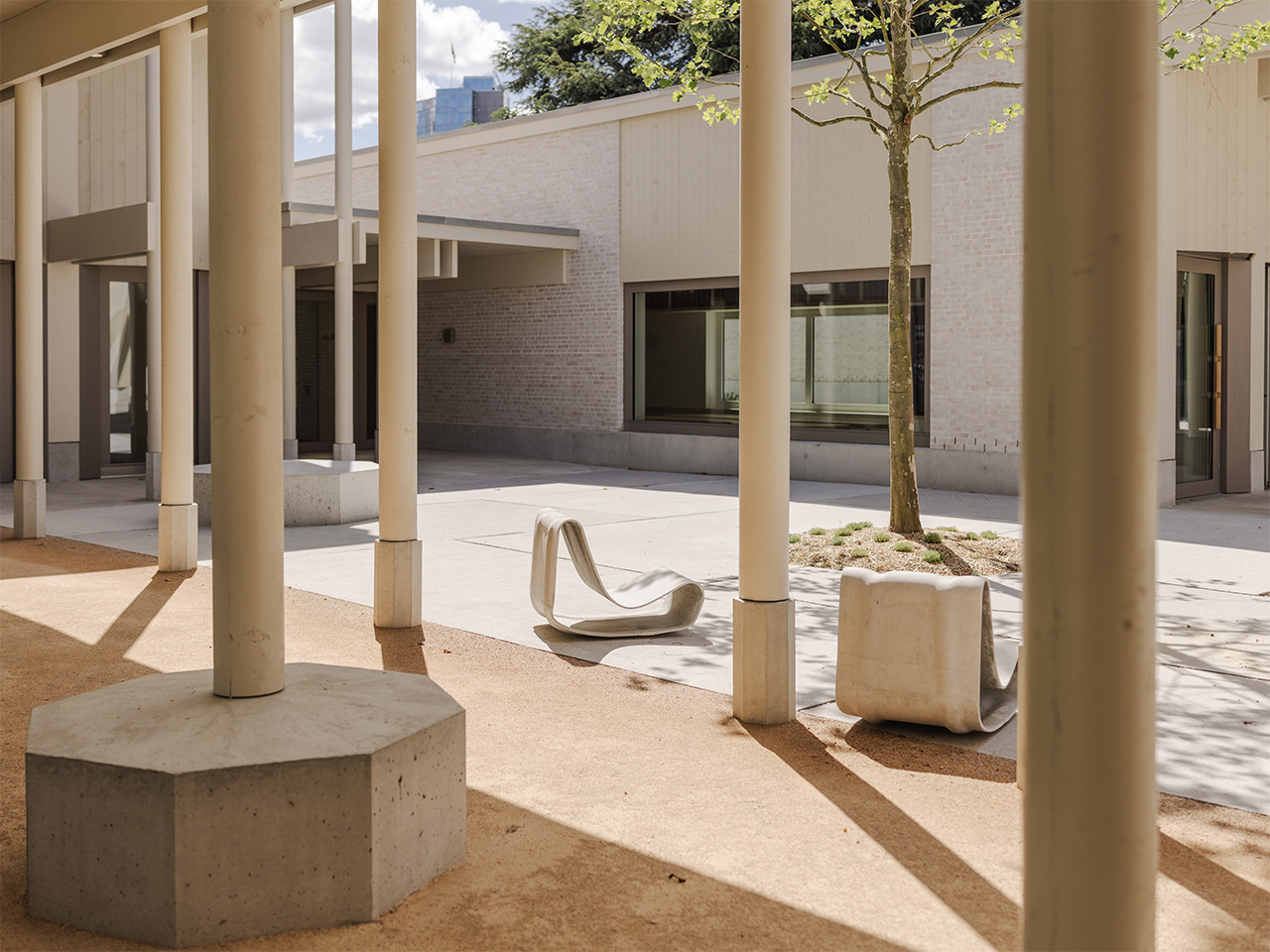
Designed by Swiss firm Charles Pictet Baptiste Broillet Architectes Associés, the Portail is just beyond the Allée des Drapeaux (Alley of Flags), leading to the Palais des Nations, the UN’s main building. Visitors enter the Portail through a central courtyard Agora – a reference to the Grecian origins of democracy – that connects three pavilions housing immersive installations dedicated to the international organisation’s work. The installations invite visitors to imagine working collaboratively towards the greater good. It’s an idealistic yet somewhat ironic proposition given that international co-operation is in increasingly short supply.
| |
|
Common ground: The Portail des Nations opens the floor to collaboration
|
|
Its idealism puts the Portail at risk of becoming something akin to a Disneyland for diplomats – not because it trivialises diplomacy but because it transforms sprawling geopolitical problems into a carefully choreographed experience that visitors can navigate in under an hour. Like Disneyland, the visitor centre relies on immersive storytelling, controlled movement through space and emotional participation to render a complex world more understandable.
The Palais des Nations is visible throughout the Portail’s pavilions – and the contrast between the two structures is revealing. While the stripped classical grandeur of the Palais des Nations is, unsurprisingly, palatial and awe-inspiring, the Portail is subdued. It’s a single-storey complex with wooden colonnades that support terracotta and timber roofs – an effect that creates an air of humility, groundedness and accessibility. The modest scale reinforces equality of experience rather than institutional authority.
Ultimately, the Portail had the opportunity to challenge our collective understanding of diplomatic design but it doesn’t quite hit the mark. With a clear aversion to causing offence of any kind, its architectural language resembles a checklist in Diplomatic Design 101: large windows for transparency, neutral tones for tranquillity, a single-storey floorplan for universality. Check, check and check. If minimalism has become the visual language of institutional reassurance, then the Portail speaks it fluently.
Diplomatic architecture need not be sanitised to within an inch of its life. Geneva’s own Hôtel de Ville has stood at the heart of the city’s political life for more than 500 years. Its monumental ramp remains one of Europe’s great civic spaces and it was here that the first Geneva Convention was signed in 1864. Architecture can embody diplomacy without retreating into neutrality.
The Portail is curiously devoid of the UN’s character. Were it transplanted elsewhere, stripped of its exhibitions and signage, there would be little to distinguish it as a building belonging to the world’s foremost international organisation.
By contrast, Kieran Timberlake’s US embassy in London consciously embeds national symbolism into its architecture, notably through its star-spangled façade. The Portail functions as a competent venue for diplomacy rather than an architectural expression of it.
Lead architects Charles Pictet and Baptiste Broillet have clearly delivered – without contest – the project that they were commissioned to realise. Yet you cannot help but wonder what forms and styles could have been proposed by firms from other parts of the world had the visitor centre been the subject of an open architectural competition. Might the fluidity of neo-futurism, the environmental intelligence of contemporary tropical modernism or the material experimentation of emerging practices have offered a more compelling expression of an organisation that continues to evolve? Therein lies the missed opportunity.
If all architecture is political, then each brick is a vote. Here, the votes are stacked not into a monument devoted to power but participation. The Portail des Nations might not be Geneva’s next architectural icon but it could just become one of its more important civic spaces. In that sense, its social ambition may prove more thrilling than its form.
Hiba Alobaydi is a British-Iraqi historian and a Monocle contributor. For more news and views, turn to monocle.com.
Further reading:
- Can neuroscience help architects design buildings that make us feel better?
- Can good design support learning? A Catalonian kindergarten is trying to find out
- Italy’s new London embassy, Casa Italia, is a shining example of soft-power promotion
|
|
Own the boring
that makes exciting possible
|
in the basket: europe
Poland’s Ukraine-tested missile launcher is bolstering Europe’s air defences
Who’s buying: Poland, Norway, Lithuania and Latvia
Who’s selling: Poland
Price: 8bn PLN (€1.85bn)
Delivery date: By 2030
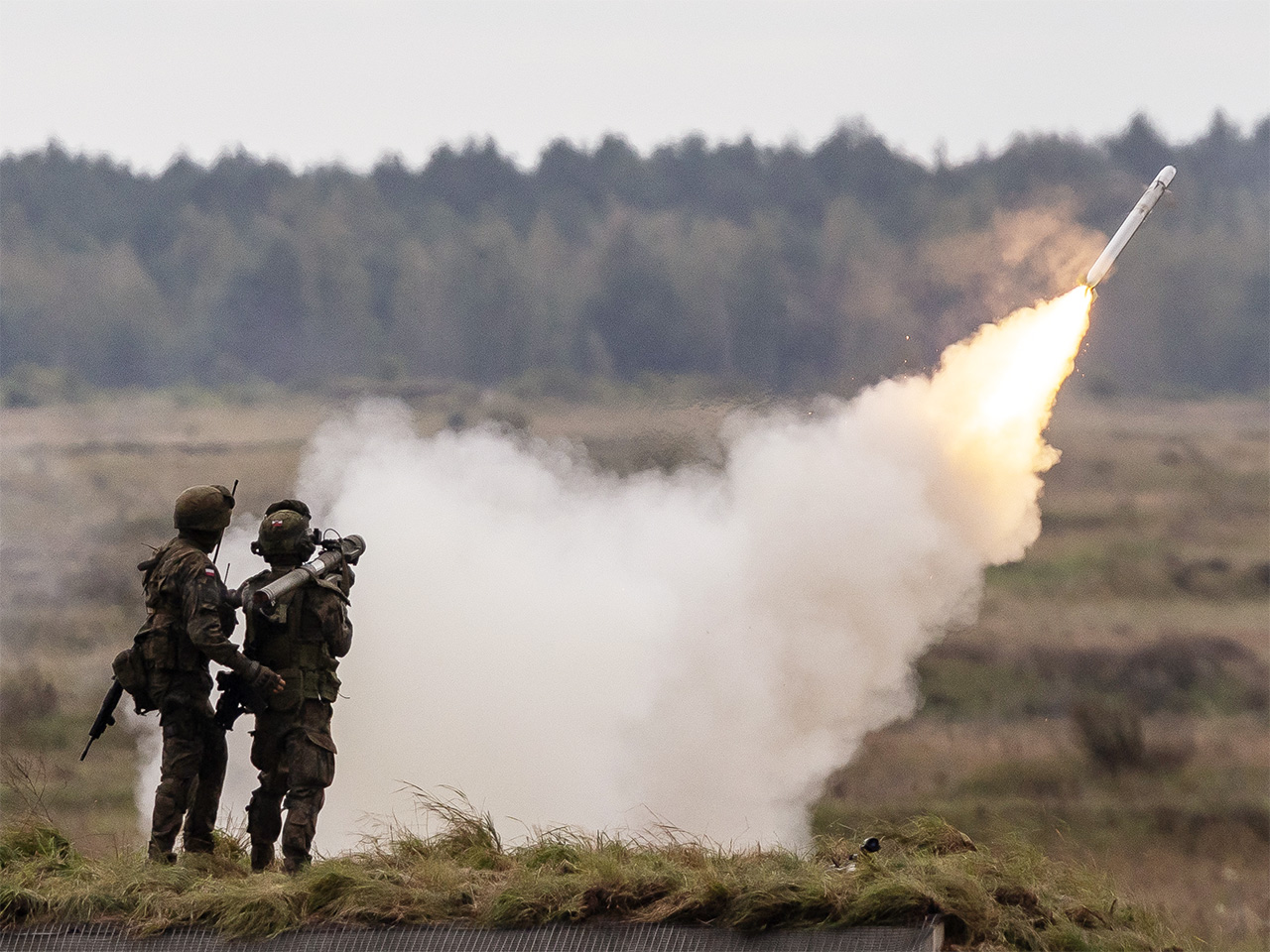
The Piorun is a Man-Portable Air Defence System (Manpads), which is to say a missile launcher that can be fired by individual soldiers at airborne targets (writes Andrew Mueller). Its manufacturer – Mesko, a subsidiary of Poland’s state-owned defence company PGZ – claims that it can hit targets up to 4,000 metres up and 6,500 metres away, with newer versions set to have even greater capabilities. This combination order involves hundreds of Piorun launchers and thousands of Piorun missiles.
| |
|
Shouldering the load: Polish soldiers fire a Piorun
|
|
The Piorun (Polish for “Thunderbolt”) has already been sold to Japan, Indonesia and the US – though its most significant and effective deployment has been to Ukraine, which has credited the weapon with bringing down several Russian fighter jets and helicopters. Ukraine’s war has made it clear to Europe that its air defences urgently need shoring up. This combination order with three of Poland’s Nato allies underscores the nation’s intention to become a bigger seller of defence materiel, as well as a bigger buyer.
|
|
• • • • • DAILY TREAT • • • • •
Add Portuguese flair to your pasta with Azouro’s tinned fish
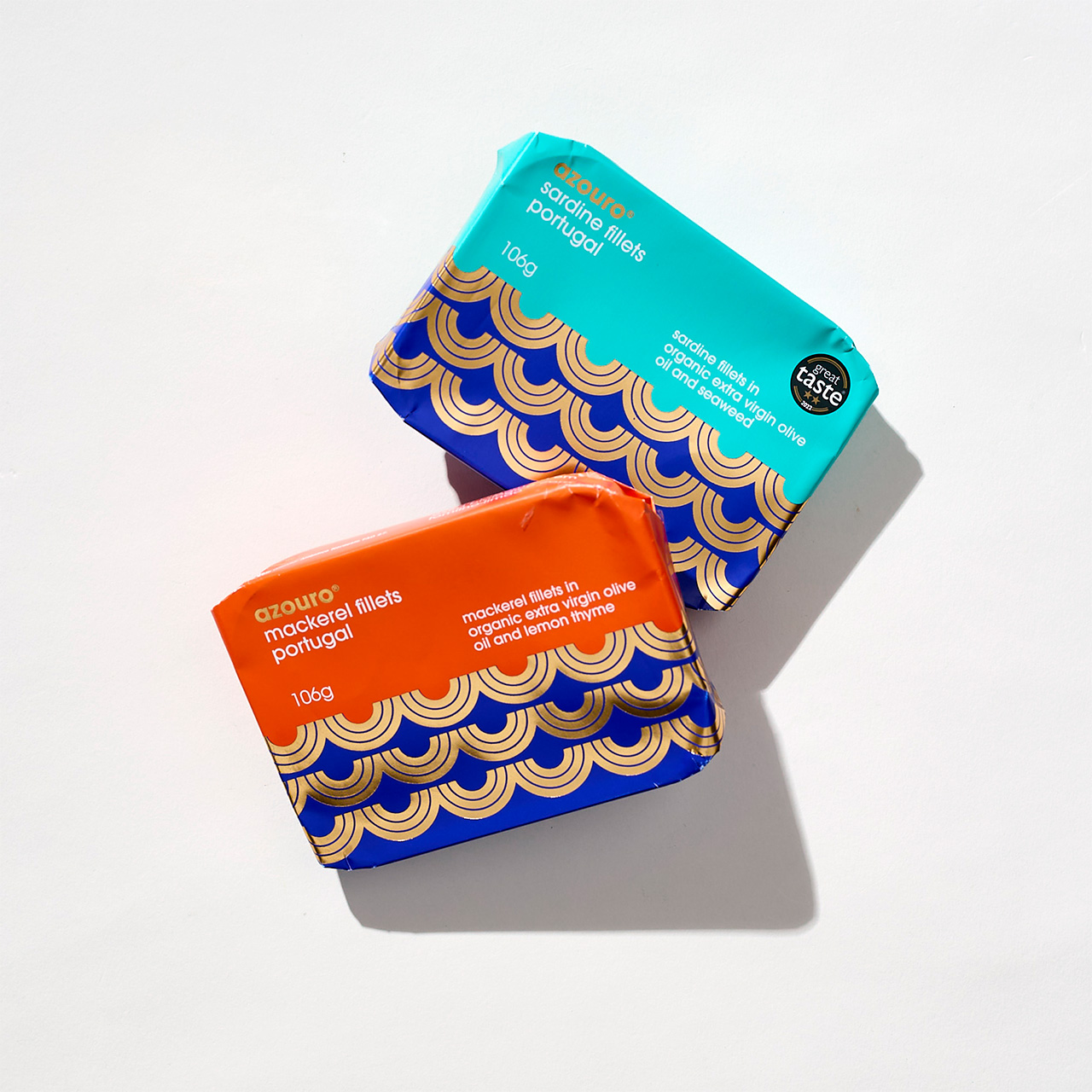
Conservas, as the Portuguese call tinned fish, have long lived at the back of the cupboard in case of an emergency. Azouro, started by Stephen Firth in Portugal’s olive-growing north, is rewriting that narrative.
The Portuguese brand treats its sardines and mackerel with the same reverence as it does its superlative olive oil. The sardines come threaded with seaweed while the mackerel is scented with lemon and thyme. Try working the fish into a simple pasta sauce with tomatoes, garlic and chilli.
azouro.com
|
|
from monocle.com: uae
Dubai Airports CEO Paul Griffiths shares how the UAE took airstrikes in its stride
Dubai’s location between Europe, Asia and Africa has made it a popular hub for international air traffic (writes Inzamam Rashid). This year, however, the very geography that fuelled its rise became its Achilles heel.
In March 2026, Iranian missile and drone strikes rattled the UAE, grounding flights and prompting government warnings as foreign airlines scrambled for safer skies. Dubai International Airport saw passenger numbers plunge to 31.5 million in the first half of 2026: a steep 31.3 per cent drop from the previous year. Yet hope is now returning, with traffic growing from 3.5 million in April to some five million by June.
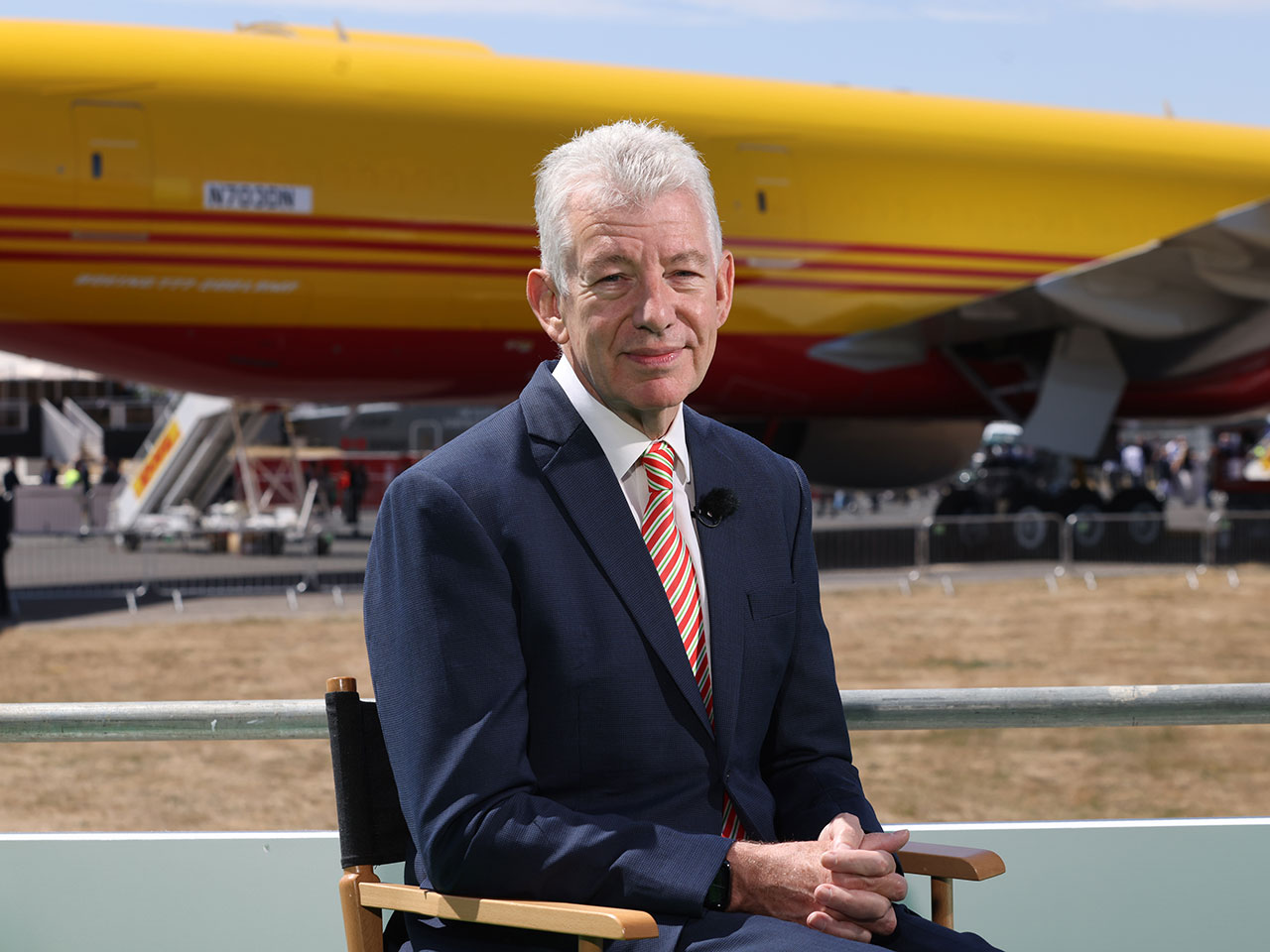
Paul Griffiths, the CEO of Dubai Airports, speaks to Monocle about navigating the effects of the conflict and how Dubai’s aviation engine is already roaring back to life.
|
Was this the most difficult period you have faced running Dubai Airports?
How many CEOs have you interviewed who have been subjected to direct ballistic attacks on their infrastructure? There was nothing in my studies that said, ‘In the case of a ballistic missile attack, this is how you deal with it.’ It was extraordinary. Fortunately, the impact on our infrastructure was slight but it tested the resilience and professionalism of our people.
Can you actually prepare an airport for missile attacks?
We had something like 111 alerts for ballistic activity. The liaison among the military, regulators and the government was incredibly quick. We would receive an alert, take the appropriate action to make sure that everyone was safe and then, minutes later, go back to normal.
Passengers who used to connect through Dubai have been travelling on alternate routes instead. How do you win them back?
If you look at the services that have resumed, their load factors [share of seats an airline fills] are incredibly high. People seem to have really missed their routines, so if you’ve dealt with a crisis professionally and given nobody any reason to doubt your operation’s integrity or quality, people will return for more.
Read the full interview with Griffiths here.
|
|
the LIST: FROM monocle.com
Stories you might have missed
Not been on monocle.com recently? Here are three updates worth your while.
|
|
| | |