Cycling to work with Tatiana Bilbao, deep diving into the portfolio of Aires Mateus Architects we report from Homo Faber in Venice.
|
Wednesday 2/9/26
|

|
|
London
Paris
Zürich
Milan
Bangkok
Tokyo
Toronto
|
|
|
|

Floating to the top
We start this week’s dispatch with a deep dive into the portfolio of Lisbon-based Aires Mateus Architects (pictured), before cycling to work through Mexico City with architect Tatiana Bilbao. We then bring a classic Álvaro Siza design back from the ashes and become better hosts with the help of Konfekt. Getting the show on the road from Homo Faber in Venice is our Milan-based Europe editor, Ed Stocker.
|
|
OPINION: ed stocker
Beacon of light
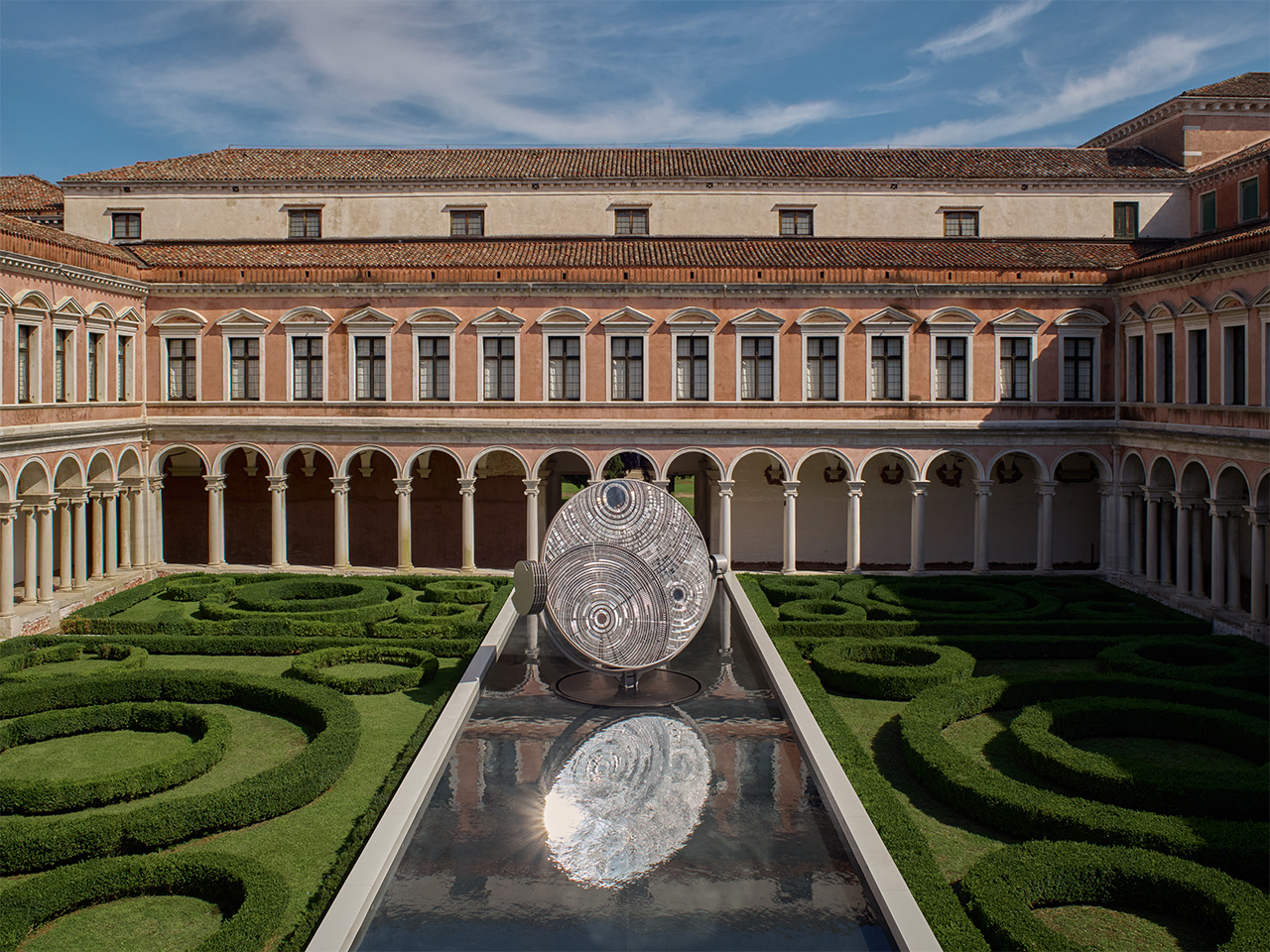
Homo Faber is open and it’s mighty impressive. The biennial dedicated to the world of contemporary craft, which takes place on Venice’s San Giorgio Maggiore island and runs until 30 September, has benefitted from some stardust this year in the form of Es Devlin. The British designer is overseeing the artistic direction of the showcase, which features the work of more than 500 artisans from some 70 countries. Devlin, channeling her extensive experience in stage design, has created a mesmerising, immersive event that features poetic voiceovers, mood-setting music and a series of installations. Highlights include a moonlike structure rising out of a swimming pool and a kinetic disc – “A Great Turning” – that reflects light around San Giorgio’s Palladian cloister.
|
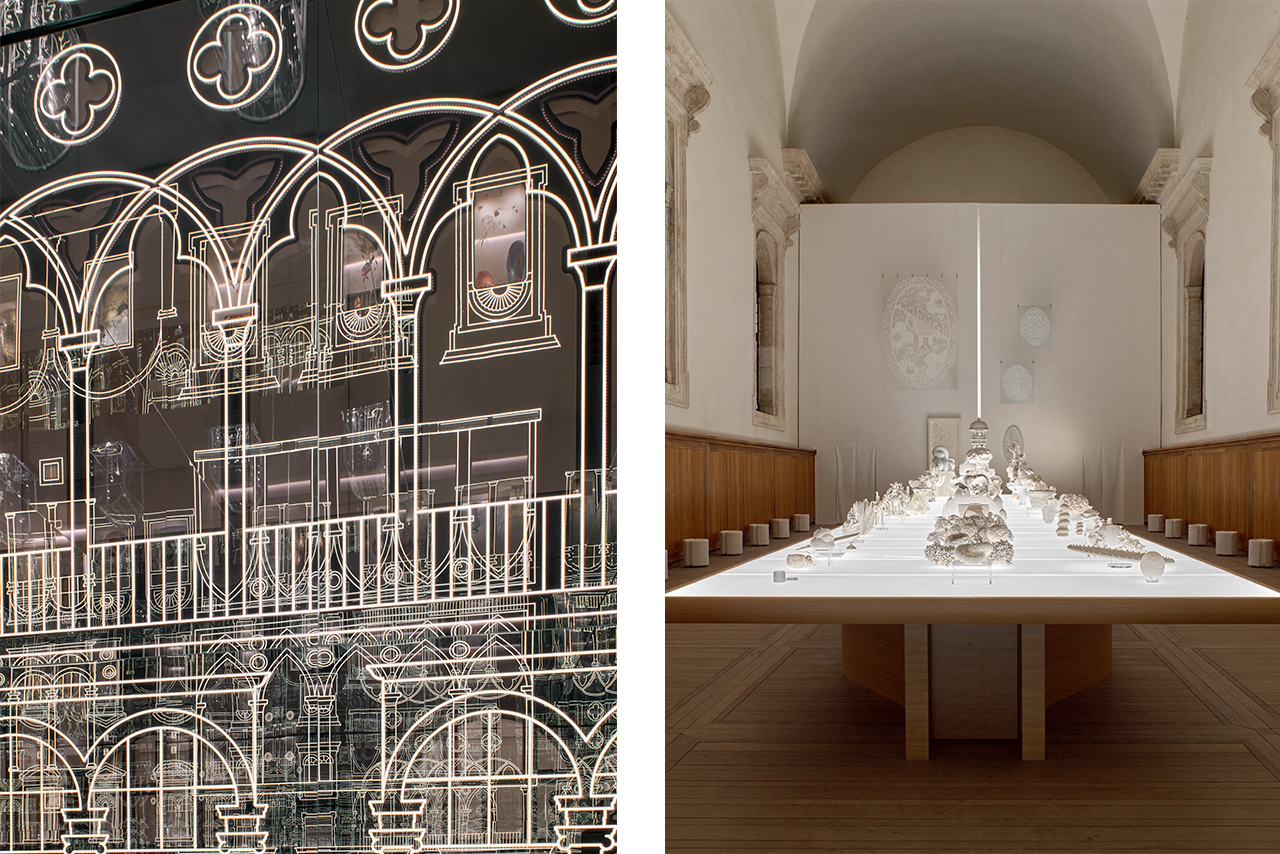
While Devlin’s footprint is all over Homo Faber’s fourth edition, An Island of Light, the exhibition also features about 700 artisan pieces, from vases to ornamental animals. The first room of the show, “A Language of Hands”, is a dramatic recreation of atelier workstations, with sketches on the walls and a creative mess spread across the tables. In other spaces, artisans sit at their desks showing off their crafts, from metal hammering to reed weaving. None of this should come as a surprise: forecasting agencies unilaterally predict strong growth for the arts and crafts market over the next few years. Homo Faber certainly feels in a good spot, rising in stature at a time when the design and fashion worlds both seem obsessed with the word “craft”.
And yet, lurking behind the handmade objects on show is an underlying fear of our march towards automation. At Casa Sanlorenzo, another Homo Faber venue, an exhibition from Luxembourg curated by De Mains de Maîtres called Fiat Lux is accompanied by a sombre message: “In the face of automation and seemingly limitless reproducibility, the pieces assert themselves through their singularity, their irregularities, and the slowness with which they were conceived and crafted.” It’s an important message in an age when the challenge of making a career in craft is evermore economically unviable, with craftspeople competing with everything from AI to makers creating cheap copies that undercut original works.
|
Thankfully, it seems unlikely that AI could ever undermine the deep connection between mind and body required to produce the kinds of pieces displayed at Homo Faber, though it might end up writing the catalogue notes. It’s clear that part of the reason that craft is having a moment is because the result is tangible and tactile, with a real story – and a real person – behind it rather than a bot. Homo Faber is a global smorgasbord of human creativity and talent, from Japan and Lebanon to South Africa and Denmark, that needs time and patience to be completed.
“The world is running at 500 kilometres an hour,” says Alessandro Boscolo, a glassblower who is showing a Murano glass triptych at Homo Faber this year. “People are tired of this frenetic life.” In a world grasping for machines to answer all its questions, An Island of Light is a reminder of what it means to be human.
Ed Stocker is Monocle’s Milan-based Europe editor. The 2026 edition of Homo Faber, ‘An Island of Light’, runs until the end of September. For more opinion, analysis and insight, subscribe to Monocle today.
Get crafty: Homo Faber isn’t the only organisation keeping craft alive. Head to monocle.com to read our report on the dedicated schools keeping luxury brands’ craft traditions alive.
|
|
THE PORTFOLIO: Aires Mateus, Portugal
Making a difference
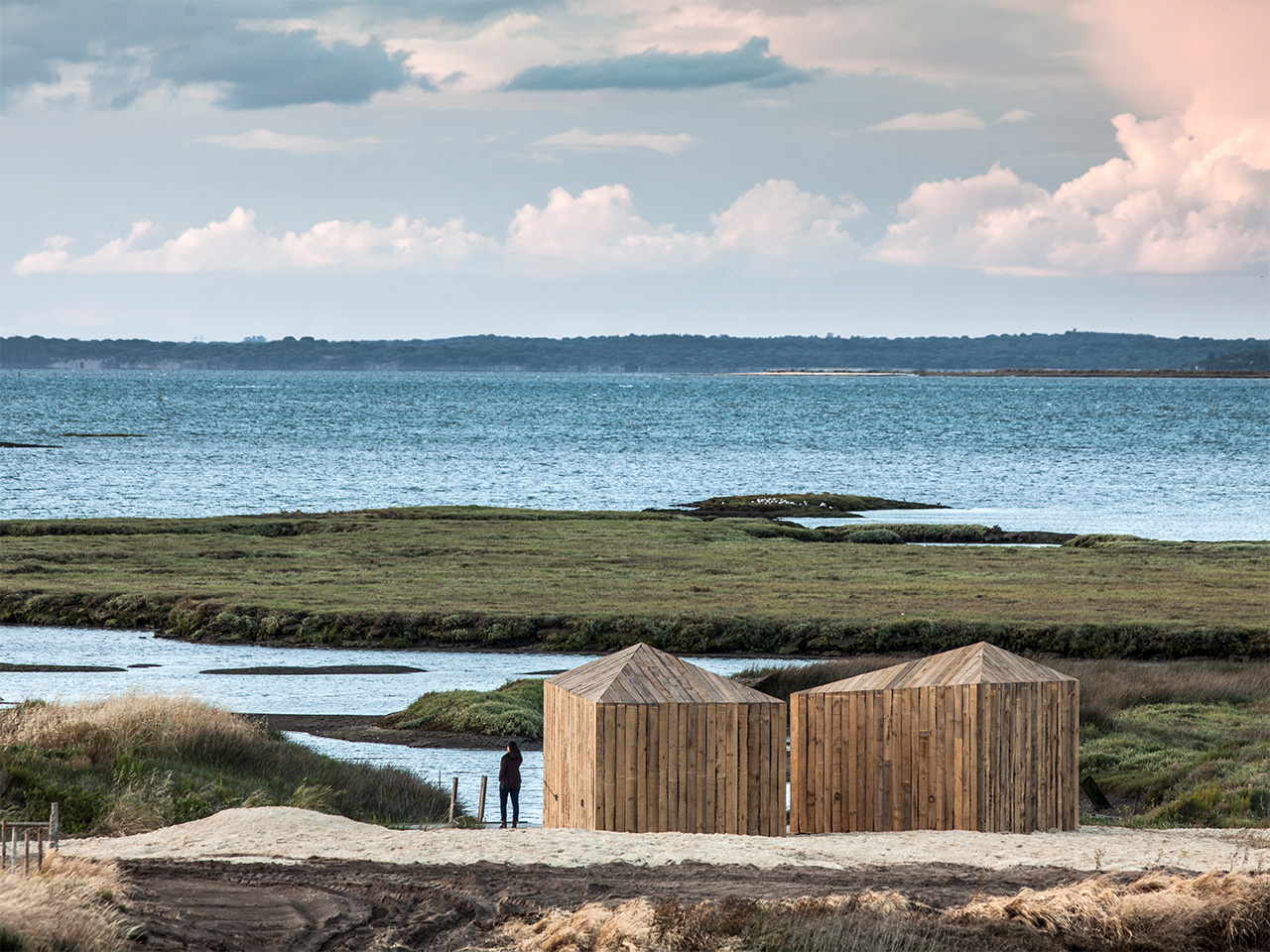
Manuel Aires Mateus and his brother Francisco founded their Lisbon architectural firm in 1988. Together they have shaped Aires Mateus into one of the world’s most respected studios, with projects grounded in the relationship between the physical and cultural worlds. Manuel, who is passionate about the roles that memory and knowledge play in the spaces that we inhabit, is joining Monocle for this year’s Quality of Life Conference in the Portuguese capital. The event kicks off tomorrow and tickets are still available. To give you a taste of our discussion with the architect, here are two benchmark projects from the studio.
|
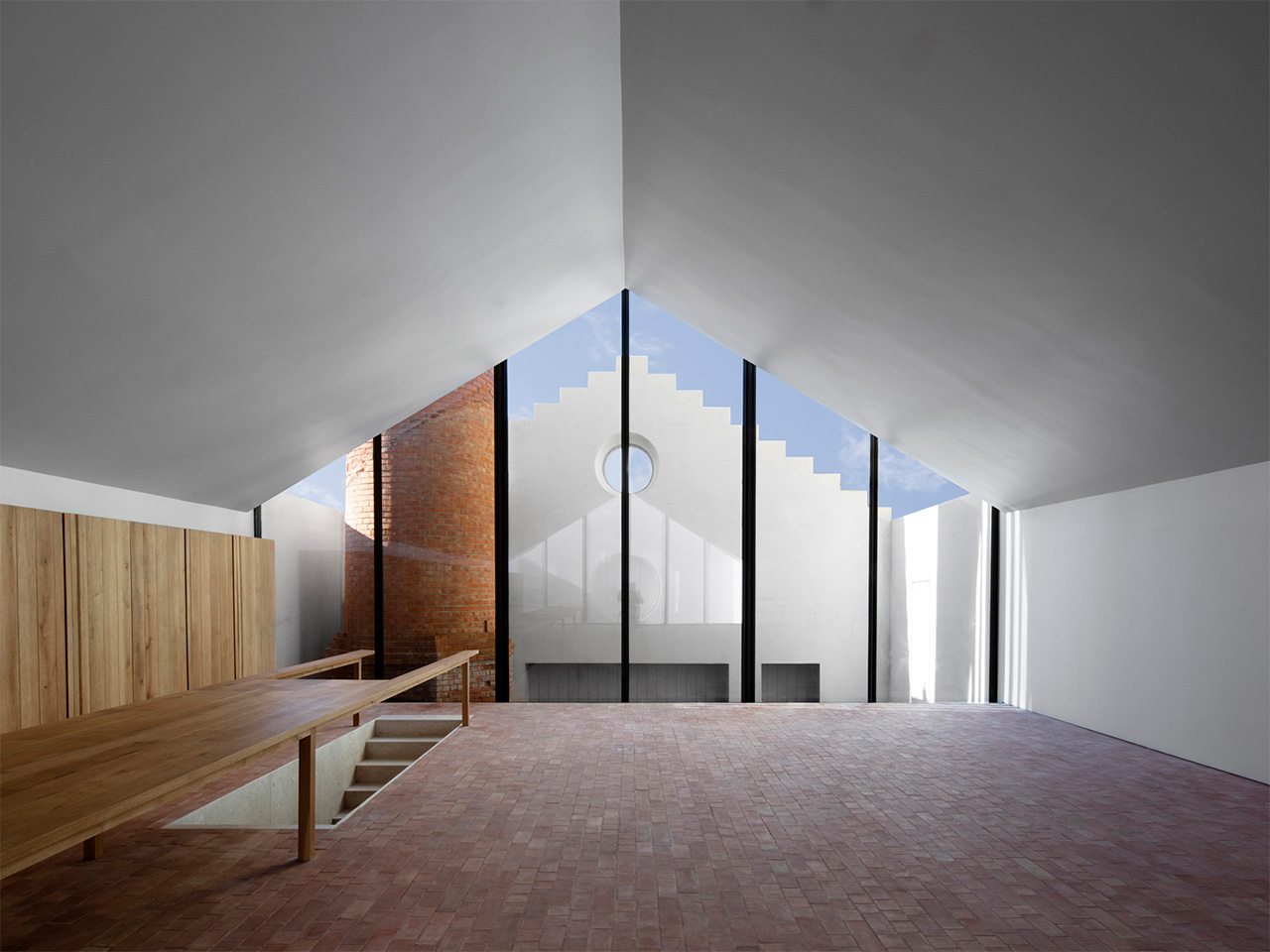
Campo de Ourique, Portugal
This project transformed a former industrial warehouse into a sleek single-family home. Located on one of the seven hills of Lisbon, its layout prioritises indoor and outdoor communal areas. Bedrooms are located on the ground floor, while the first floor’s focal point is a large living area that flows into two courtyards, with the kitchen and storage smartly tucked away on the perimeter.
Tournai, Belgium
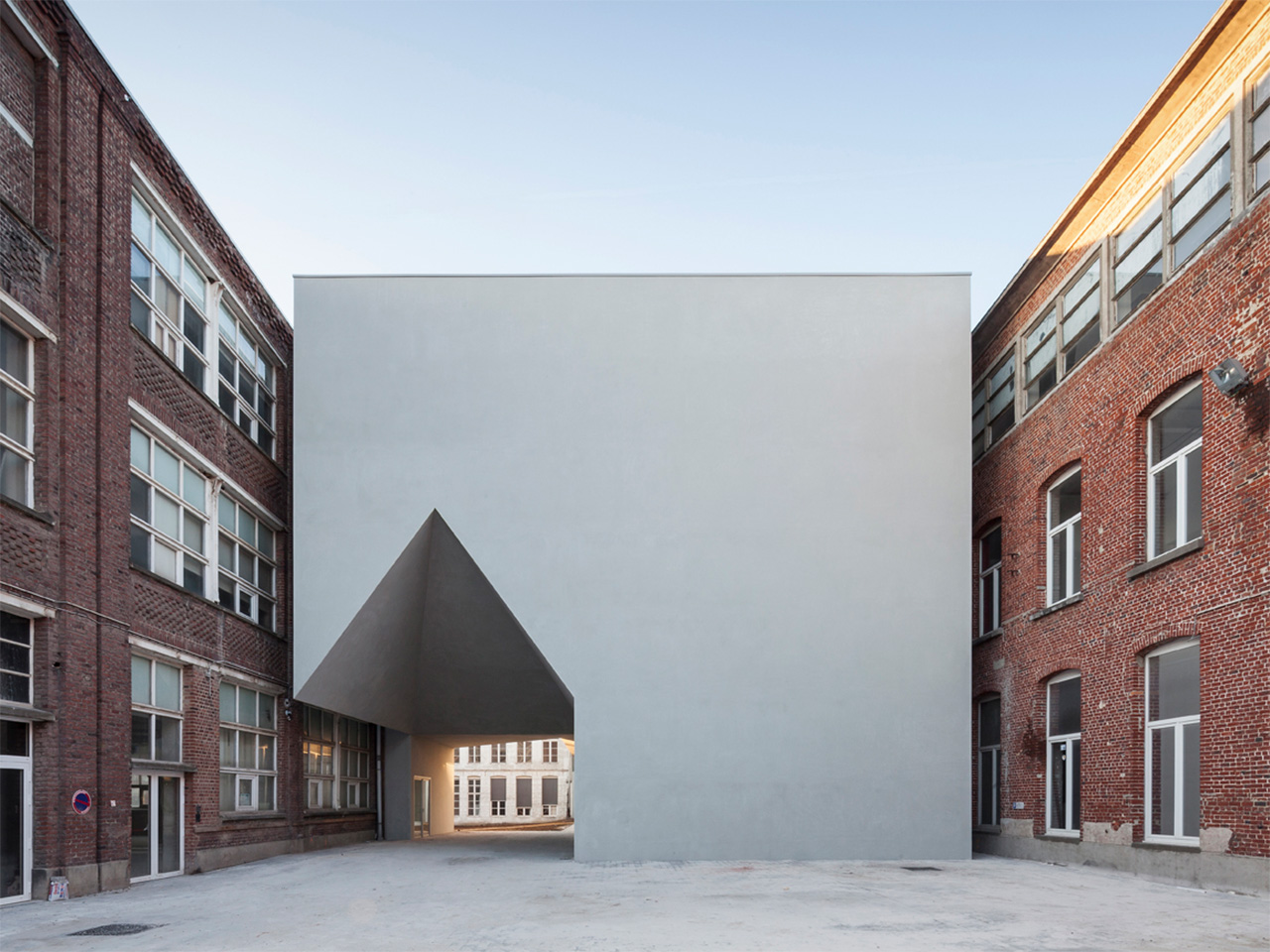
This faculty building for the Université Catholique de Louvain saw Aires Mateus slot a minimalist off-white building between two existing red-brick industrial blocks and a former 18th-century convent-cum-hospital. The new structure links the existing buildings, which are now connected to the newer block. It’s a concrete demonstration of architecture’s ability to physically stitch places together, from cities to campuses.
Last minute trip? Join us in Lisbon for our annual Monocle Quality of Life Conference. Kicking off with cocktails tomorrow evening, expect three days of great hospitality in addition to thoughtful discussions with delegates and speakers from across the globe.
|
|
WORDS WITH... Tatiana Bilbao, Mexico
Breaking the cycle
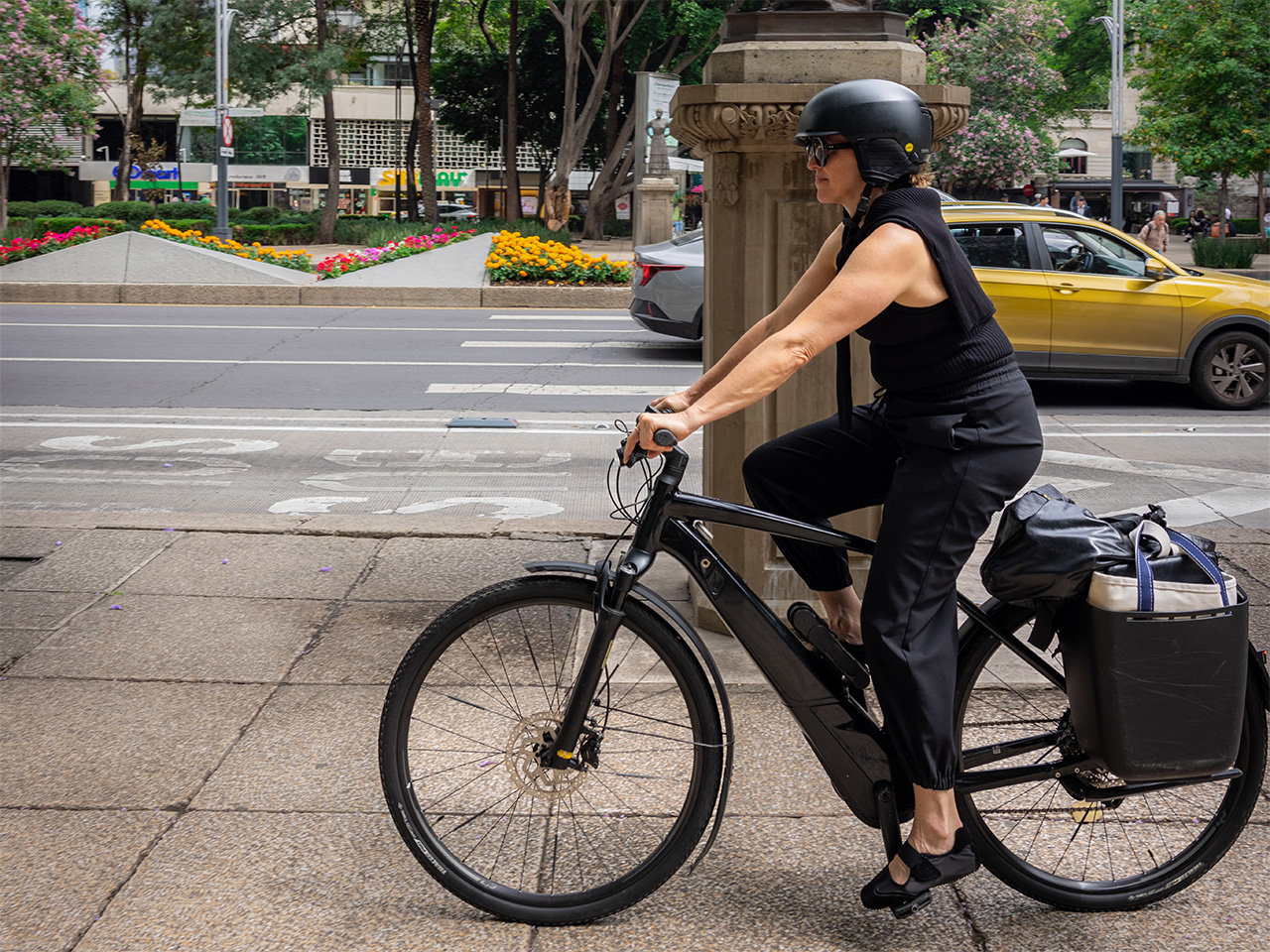
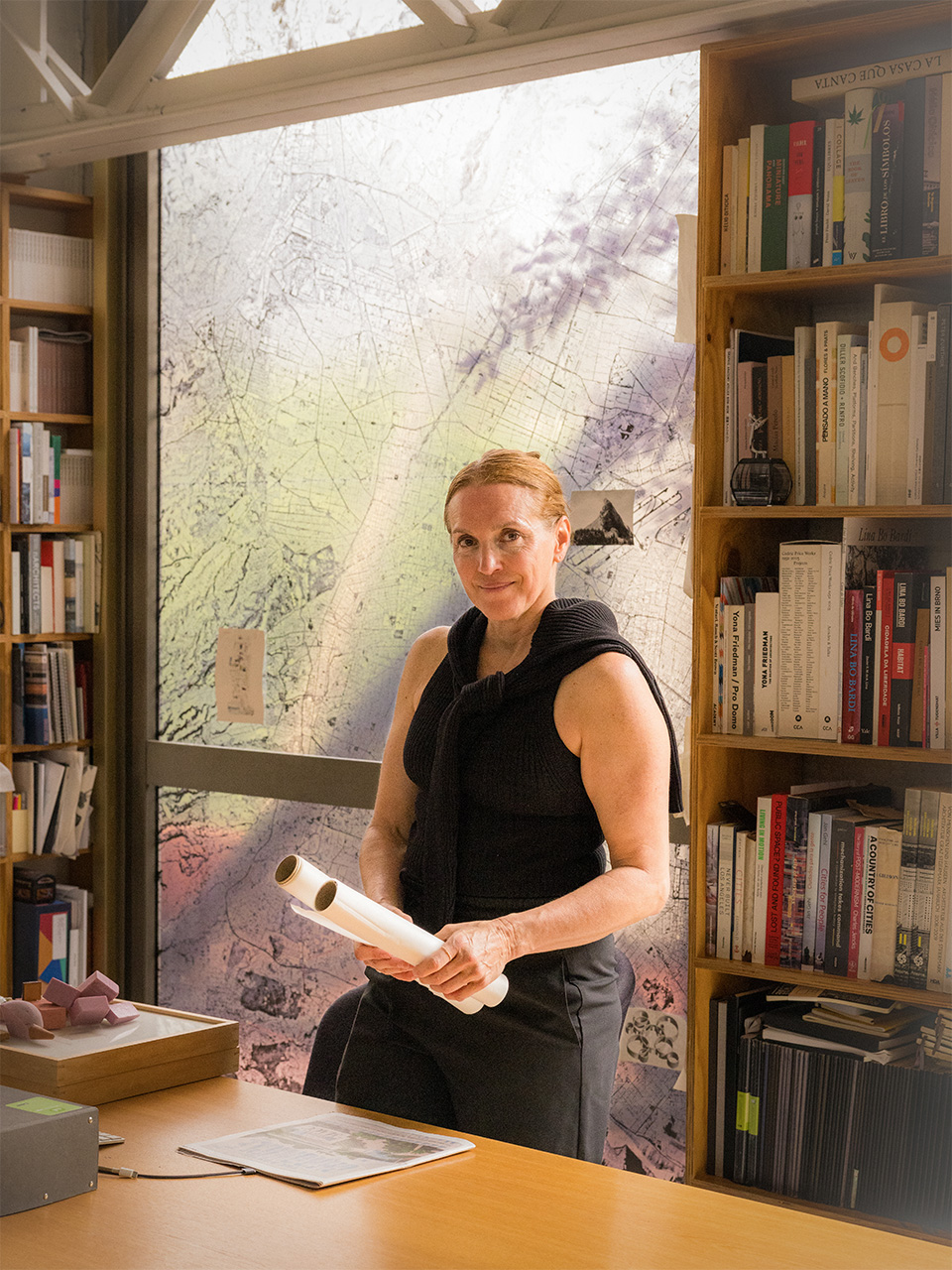
For Monocle’s September issue, we talked to Tatiana Bilbao about her daily cycle along Mexico City’s Paseo de la Reforma to her office – a commute that sets her up to tackle an impressive global project portfolio. The award-winning architect is currently in Portugal for Monocle’s Quality of Life Conference where she will join us for a panel called “Architecture that heals”. It’s a topic that she’s well placed to comment on. Bilbao sees architecture as a form of care and her work has a human-centric approach and a deep sense of social and environmental responsibility.
|
We’re going to talk about the notion that architecture can positively impact, even heal, communities and individuals. How does this fit with your architectural view?
Architecture provides a primary form of care. We wear clothes to protect our bodies from weather – and architecture can provide a similar shell. It’s a basic necessity for us to inhabit this planet. But it also needs to profoundly inspire our lives, nurture our physical being as well as our intellectual and spiritual beings. In order to grow and to develop our full potential, we need architecture.
How did a political protest encourage you to cycle to work?
The candidate who lost the 2006 presidential elections believed that the winner carried out election fraud and there were protests with camps set up on Reforma, which closed for months. At the time I would walk to work but I had to go through the protests. So one day I asked myself, ‘How do I come to my office without friction?’ I thought the bike was the perfect answer. Over the years it has changed from a regular bike to electric – I’m currently riding one that’s made by Specialized, a US brand.
Tell us more about the mediating role of architecture.
It’s the mediator between us and our own ecosystem. That’s what politics is too – a mediating layer. There are so many things that influence that layer: making, matter, volume, proportions, materials, definitions, codes and the financial and political implications. What is more political than mediating all of that?
When did you first realise politics and architecture were connected?
I grew up in a family where my grandfather was an architect who then became a politician. It was very natural because architecture is politics. He was a true democrat in the traditional sense of the word; he was pro-community and understood that the better off we are as a collective, the better we will be ourselves.
Any exciting projects coming up?
We are designing all the stations for Mexico City’s Cablebús Line 4. It’s an 11.4km elevated transit line, which is under construction in the city’s south – we are very excited.
For more from Tatiana Bilbao, tune in to ‘Monocle On Design’ on Monocle Radio.
Ride along: Read how Tatiana Bilbao’s cycle commute sets her up for a successful day at the office at monocle.com.
|
|
from the archive: Havana ashtray, Portugal
Tray bien
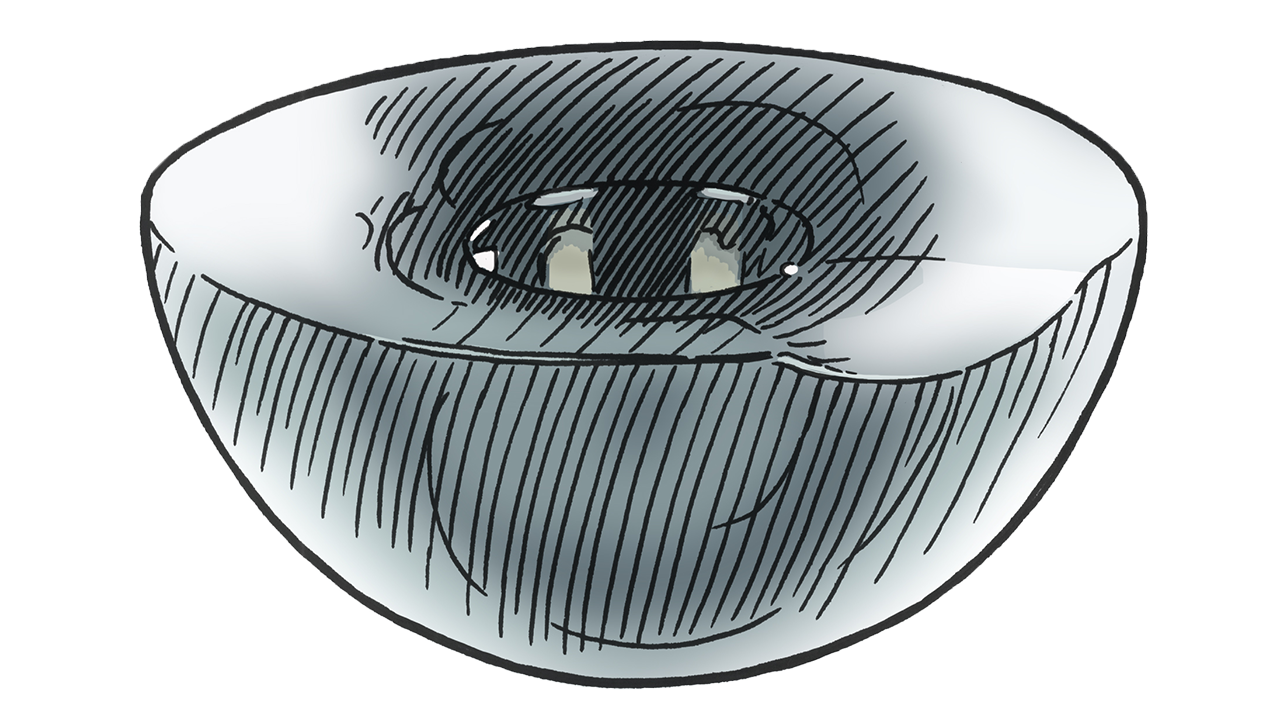
Only a few countries in the world have an architect as their national treasure: Finland has Alvar Aalto, Spain has Antoni Gaudí and Portugal has Álvaro Siza. The Porto-based architect is rightly revered for having designed some of the most stunning spaces in the country, including the Serralves Museum and the Leça saltwater swimming pools. Fortunately, despite a lifelong smoking habit, the 93-year-old Siza is still working, putting out everything from furniture to seaside hotels.
|
The Havana ashtray from 1994 might provide some clues to Siza’s longevity. The half-sphere – made from frosted glass – has extra-thick walls that can prop up even a thick Cuban cigar, while the small ashtray in the centre would need to be emptied after smoking a single one. The object seems to be made for the occasional indulgence, which seems like an excellent recipe for a long and happy life. And, of course, the ashtray is so well sculpted that even non-smoking Siza admirers would want to have one in their home.
|
|
IN THE PICTURE: ‘Konfekt: A Guide to Generous Hosting’
Life of the party
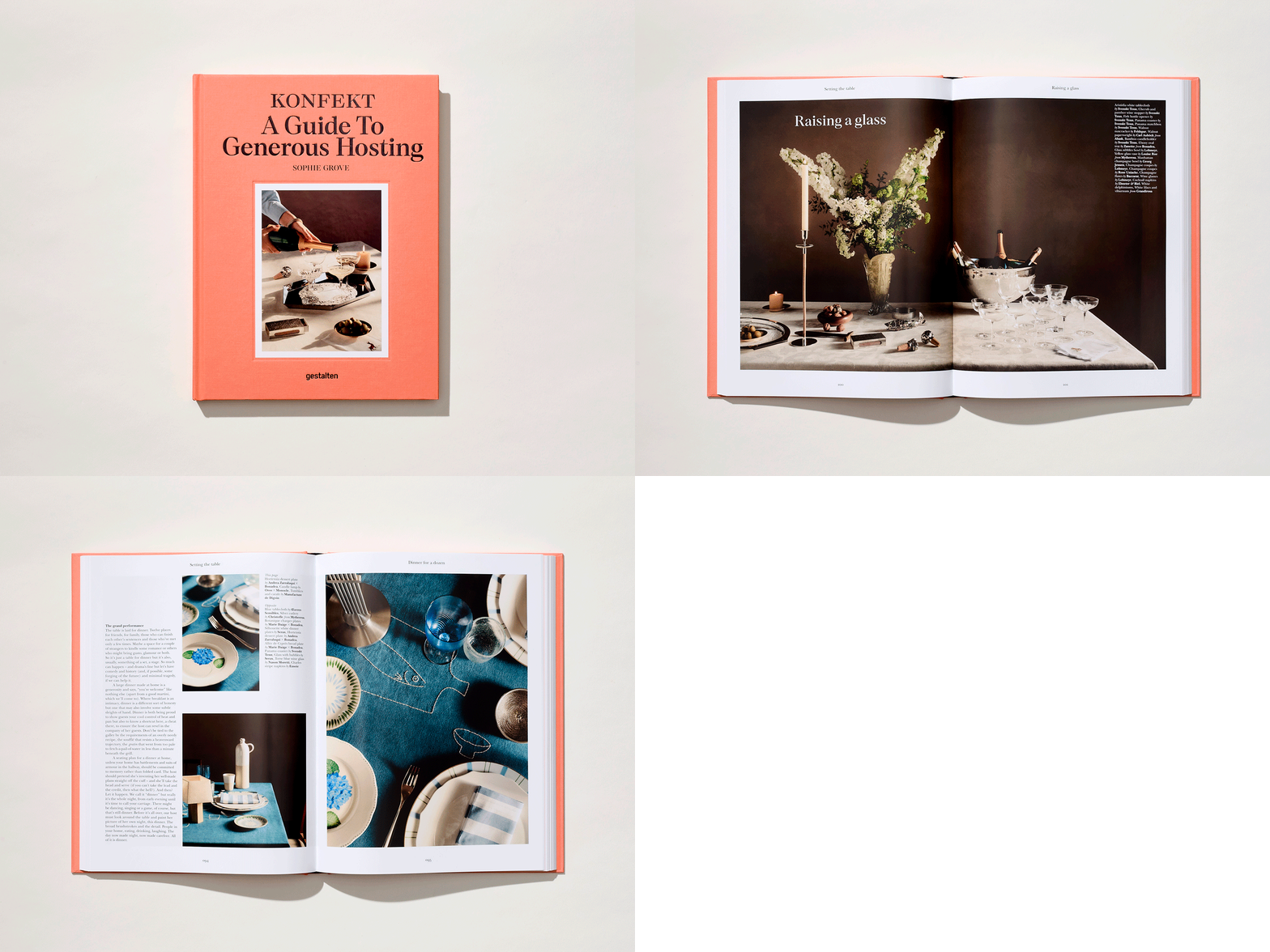
Monocle’s sister publication, Konfekt, has its first book in print. Called Konfekt: A Guide to Generous Hosting, it’s an ode to good hosts and warm welcomes. Across seven sumptuous chapters, advice is proffered on everything from the dishes that will bring the house down to the soundtracks that set the perfect scene – making it an essential read for anyone looking to elevate their own hosting skills.
On the design desk, we’re particularly enamoured with a chapter titled “Setting the table”. It’s a smart round-up of design objects that enhance any event, from dinner plates from Belgian brand Serax’s Silhouette collection to a fish bottle opener by Swedish heritage brand Svenskt Tenn. It’s a demonstration of design’s ability to make a contribution to any memorable meal.
Pick up your copy of ‘Konfekt: A Guide to Generous Hosting’ here.
|
|
Image credits:
Courtesy of Aires Mateus, Giulio Ghirardi/Courtesy of Michelangelo Foundation, Paola Vivas, Tony Hay
If you no longer wish to receive Monocle newsletters, you can unsubscribe
here.
| | |