Israel and Greece’s air-defence deal, check in to a revamped Vienna hotel and stories that you might have missed.
Thursday 3/9/26
The Monocle Minute
London Paris Zürich Milan Bangkok Tokyo Toronto

Sponsored by

Brookfield

Monocle

‘Bom dia’ from Lisbon, where the Monocle team has touched down and spruced up for our 2026 Quality of Life Conference. Hosting duties begin this evening at the dinner table, ahead of what promises to be a thrilling day of discussion and introductions at the Gulbenkian Foundation tomorrow. Follow along in the Monocle Minute and on monocle.com. Here’s what’s coming up in today’s newsletter:

THE OPINION: Market forces put global governments to the test 
AFFAIRS: Israel and Greece’s air-defence deal
DAILY TREAT: Stay at the Vienna hotel where new design bathes old architecture
THE LIST: Stories that you might have missed


The Opinion: economics

As debt piles up and markets spook, will governments catch on before the crash?

By Chris Cermark
By Chris Cermark

When the Eurozone debt crisis was spiralling out of control in 2012, it took one man, Mario Draghi, to bring markets back into line. The European Central Bank chief’s speech promising to do “whatever it takes” to keep the euro together helped to calm investors’ jitters. This week, the world finds itself hurtling towards a similar moment and public reassurance is needed. But can anyone play Draghi’s role this time around?

Financial crises are never just about finance; they’re inevitably political. The global crisis of 2008 was largely driven by private banks and credit institutions, helping to usher in the European collapse of 2012. Yet both events needed the intervention of policymakers – and global displays of unity – to be brought back under control. In 2008 and 2009, globally co-ordinated stimuli, bailouts and central bank currency swaps kept the financial world afloat. In 2012, European bailouts and a united front behind Draghi were essential to keep the euro intact.

 
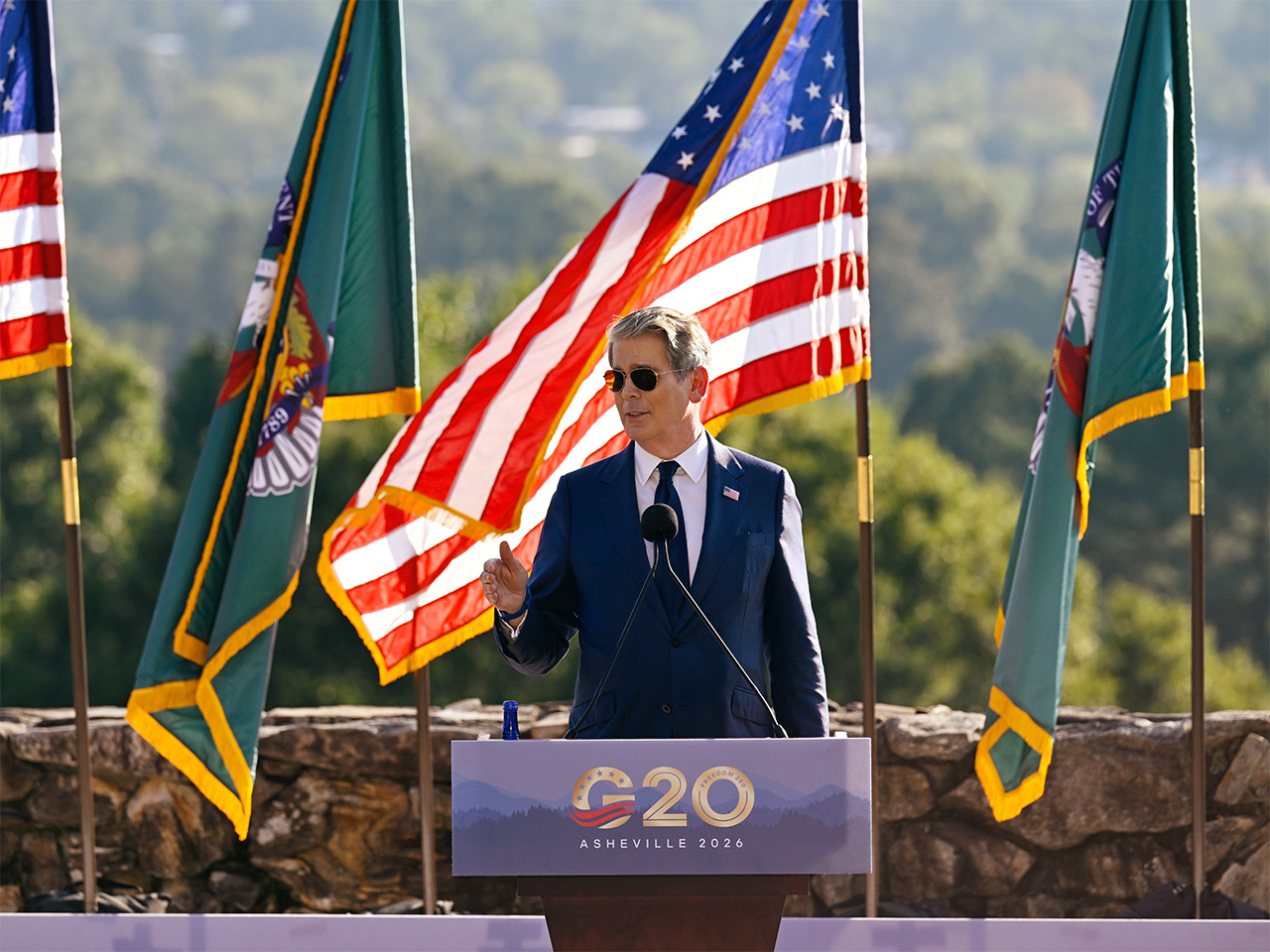
Casting a wide debt: Scott Bessent at the recent G20 summit

This week, market forces from Japan and the UK to Germany and the US are once again testing administrations’ resolve, driving the price of public debt to levels not seen in decades. This is a course correction rather than a full-blown financial meltdown: markets are warning governments that debt levels and interest rates are rising. They’re likely to give policymakers time to respond to the new normal and pledge fiscal responsibility. But amid the more fractured, nationalist and populist brand of politics that we see today, will governments listen? 

So far, the answer is no. A meeting of G20 finance ministers in Asheville, North Carolina, this week descended into vicious internal squabbling: the US engaged in a petty war of words with Canada, Europe complained about the US’s invitation of Russia’s finance minister and China withheld its approval from any final joint statement. Governments disagree on the way forward. The US treasury secretary Scott Bessent – who says that growth is the only path out of debt, even as US borrowing last month surpassed the $40trn (€35trn) mark – sought to put pressure on Japan to continue raising interest rates. Asheville marked an opportunity for governments to reassure investors but they failed the test, as borrowing costs have only risen further this week. 

Markets have a habit of bringing even the most resistant populists into line on both sides of the political spectrum – think former Greek prime minister Aléxis Tsípras or Liz Truss in the UK. In 2008, for instance, the US Congress rejected a bailout before markets forced them to reverse course. Even at a time when multilateralism is hardly in vogue, conflicts are abounding and leaders such as Draghi are few and far between, markets have the ability to send a much fiercer message to policymakers. Do we really need another full-blown financial meltdown for governments to take the hint?

Chris Cermak is Monocle’s senior news editor. For more news and views, tune in to monocle.com.


Own the boring
that makes exciting possible

Hype comes and goes. Essential businesses endure.
For more than 125 years, Brookfield has owned and operated the infrastructure, real estate, energy and industrials fuelling the global economy. Discover how this ownership mindset helps create long-term value.

OWN WHAT'S NEXT

Sponsored by Brookfield


The Briefings

affairs: greece

Israel is leaping to Greece’s defence as the pair sign a €3bn air-defence deal

David draws his sling and flings a stone that turns into a missile and shoots down an incoming aerial threat (writes Vassilis Kostoulas). A striking AI-generated video chosen by Israeli defence company Rafael features this sequence: an announcement of its role in a €3bn agreement between Greece and Israel to build the Achilles Shield within the next three years. The shield will be an advanced air-defence network modelled on Israel’s Iron Dome. It will be nationally owned and Greece will have the source code for the technology, demonstrating the trust that has been built between the two countries. 

The deal, signed earlier this week, comes as Israel is taking a tougher stance towards Turkey over developments in Syria. But it has been in the works for some time, forming a key part of Greece’s new defence strategy as the country upgrades its military capabilities and recovers from a debt crisis now more than a decade old. The exchange of technology and expertise is both economically and strategically important for Greece, as the country is expected to account for 25 per cent of the shield’s production. Israel now joins France and the US as one of Greece’s three principal suppliers of high-value, high-tech weapons systems. 

The agreement has inevitably raised eyebrows in Turkey, where officials are watching closely as both Greece and Cyprus deepen their security ties with Israel. Greek government officials stress that the Achilles Shield is defensive in nature, designed to protect the country’s critical infrastructure. But the move comes amid tensions with Turkey over planned investments to develop eastern Mediterranean hydrocarbon resources. For now, Greek-Turkish relations remain relatively calm but history tells us that it might not stay that way forever.


• • • • • DAILY TREAT • • • • •

Stay at the Vienna hotel where new design bathes old architecture

Berlin-based architect and interior designer Piotr Wisniewski was entrusted with the interior design of The Companion on Mariahilfer Strasse in the Austrian capital. Now he has revitalised the historic Wilhelminian building with touches of contemporary class.

Columns marked by time are flanked by black-lacquered metal beams, terrazzo floors reference the city’s material heritage and shelves made from bubinga veneer surround the lobby fireplace. Chef Lauryn Therin, who sharpened her skills at London’s Ottolenghi, delights at restaurant Boca with communal Mediterranean dishes such as tuna skewers with pistachio, tahini and sumac.
companion-hotels.com


Sponsored by Brookfield


Beyond the headlines

the LIST: FROM monocle.com

Stories you might have missed

Not been on monocle.com recently? Here are three updates worth your while.

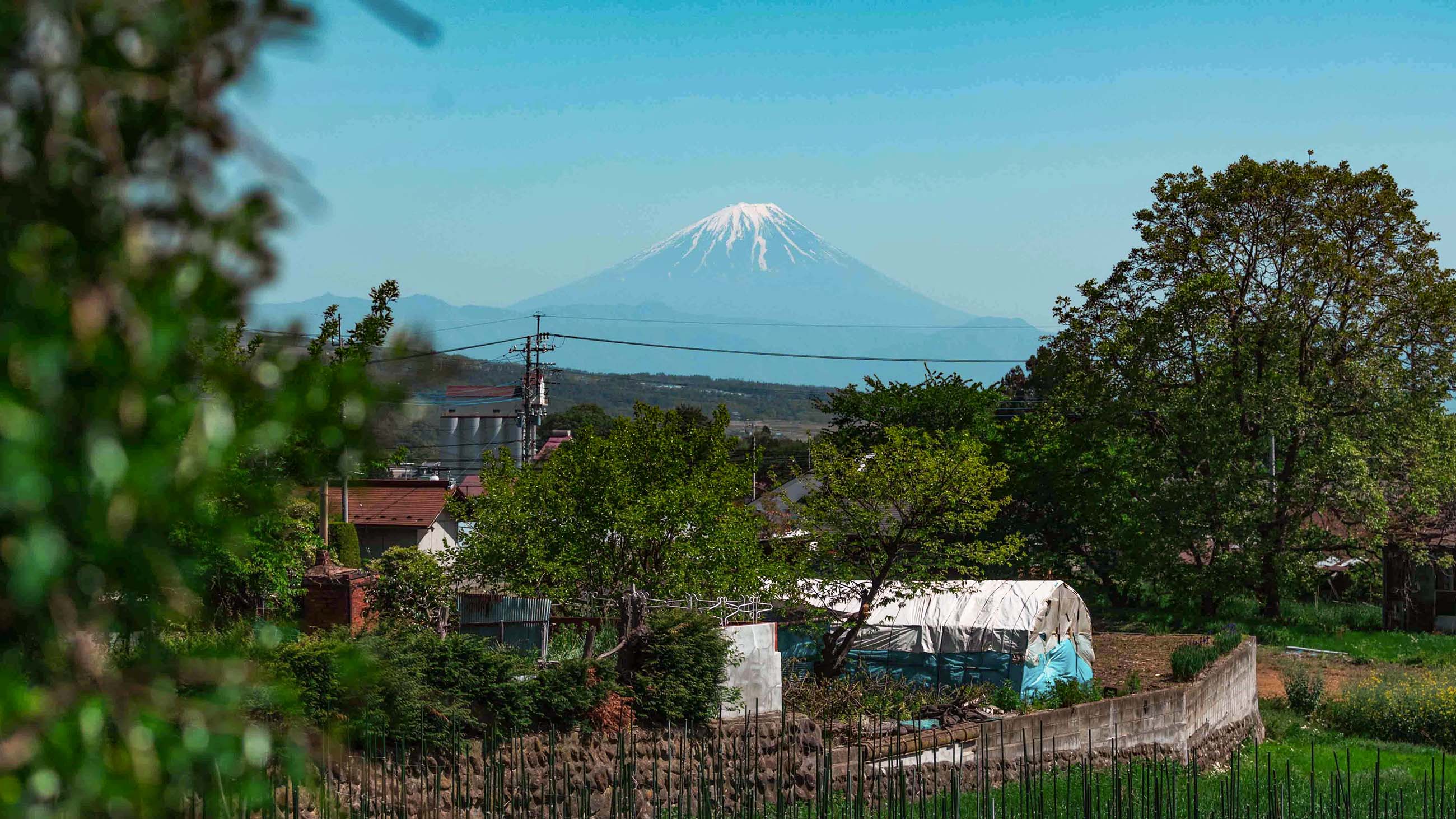
Time flows slowly in Hakushū, giving you plenty of time to stop and sip the saké


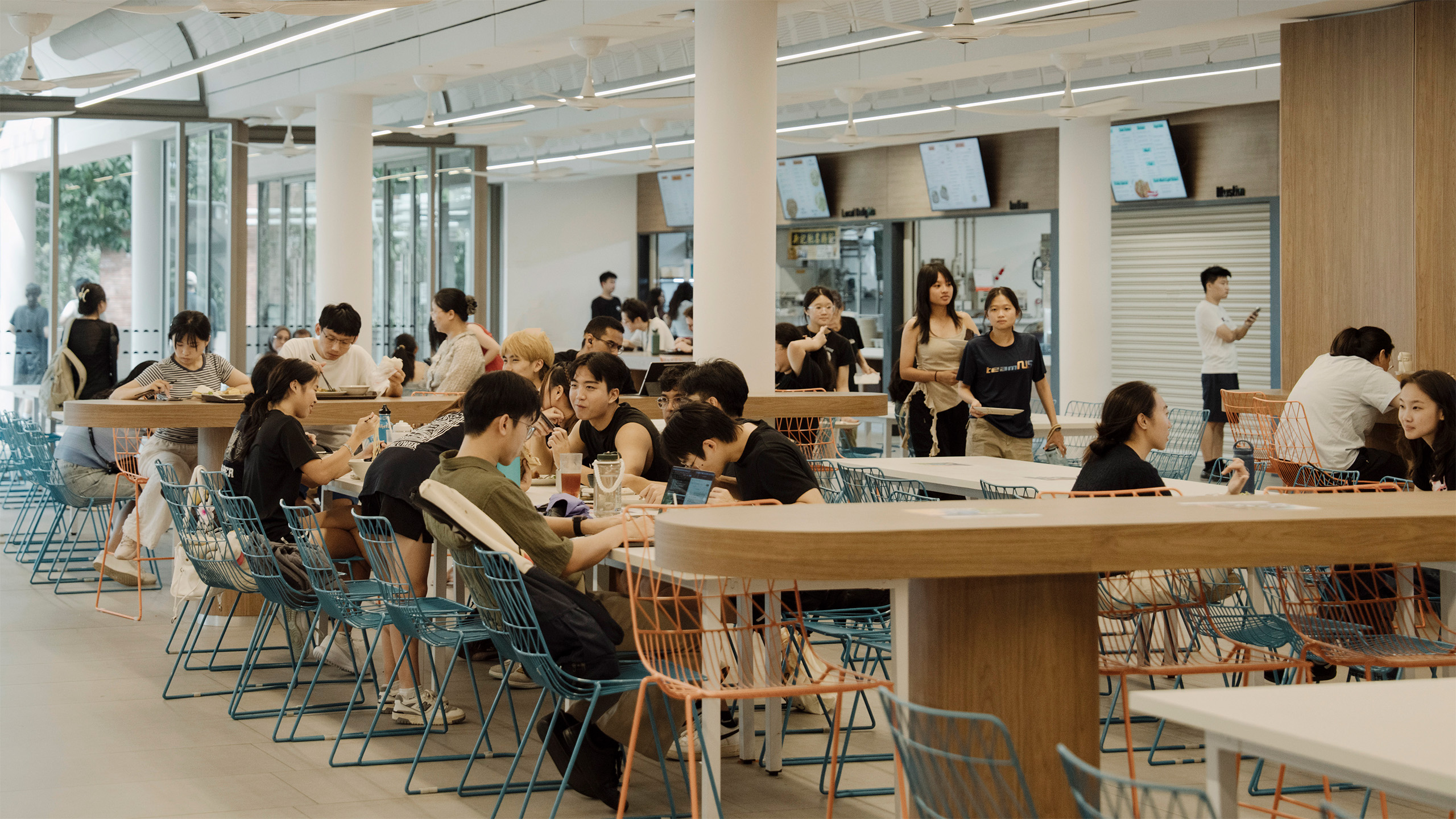
The secret sauce to Singapore’s clever population? A push for creativity and curiosity


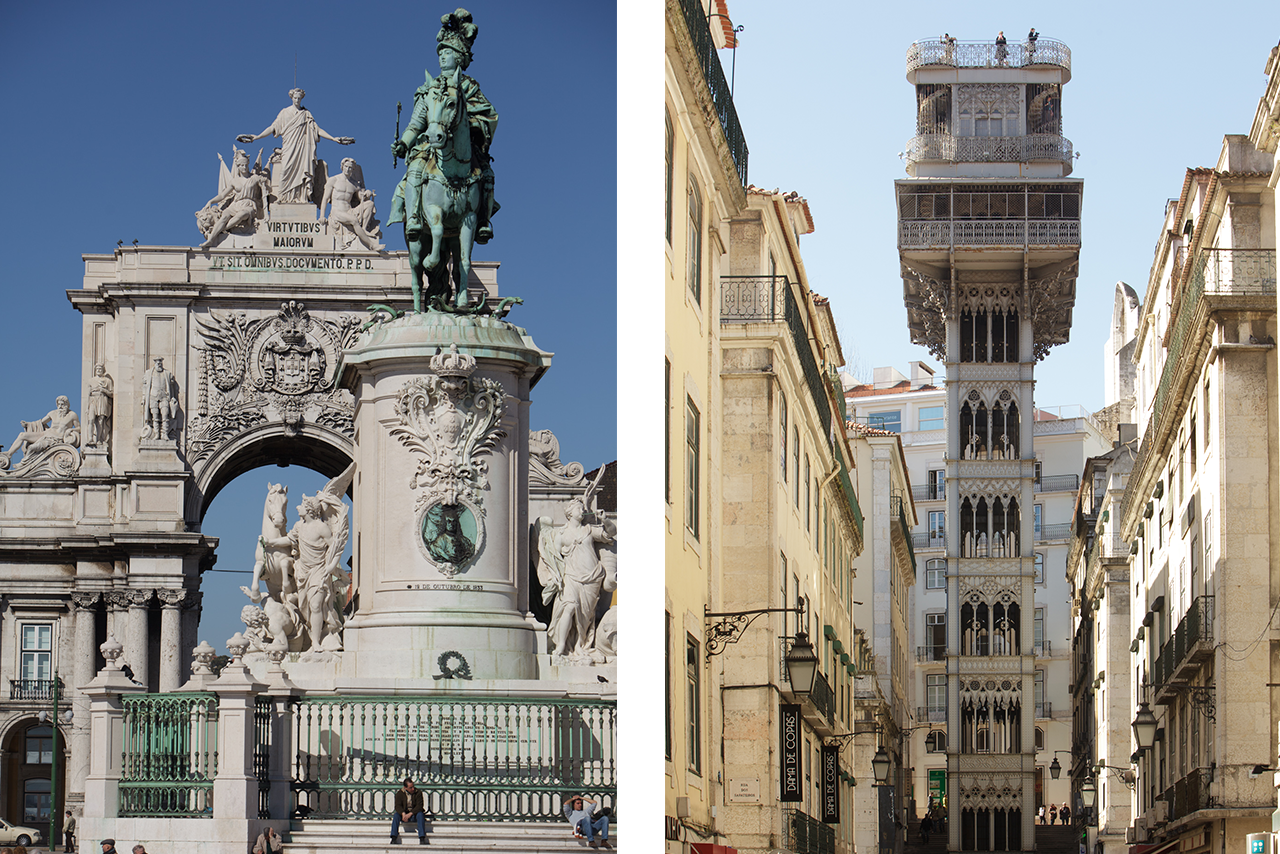
How the reconstruction of Lisbon’s Baixa district became a model for modern urban planning


Monocle Radio: Monocle on Design

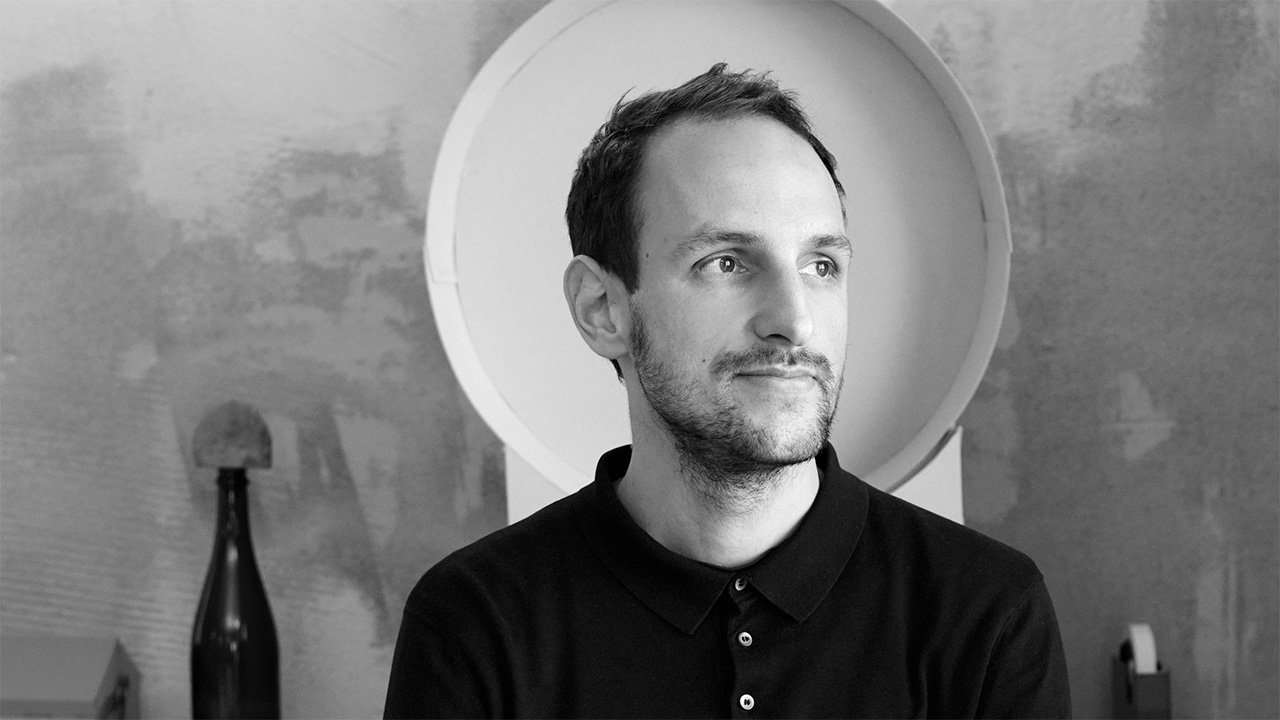
Objects that change the world for the better with designer Sébastien El Idrissi

Is the term “industrial design” frowned upon by design purists? Zürich-based Sébastien El Idrissi thinks so. He joins Nic Monisse to discuss why his goal is positive change at an industrial scale. Plus: what to look forward to at our Quality of Life Conference in Lisbon this year.


Listen to the episode on monocle.com
Listen on Apple Podcasts