Emily: How would you define prayer from a practical standpoint, and how does engaging in it transform our brain and overall well-being?
Angela: My most basic definition of prayer is reaching beyond. We are reaching beyond our stressful, fear-based thinking into a space of openness and possibility, which brings an immediate sense of emotional relief. My approach always involves humility, honesty, vulnerability, and openness.
Scientifically, prayer transforms the brain through neuroplasticity. Long-term practitioners show increased gray matter density in regions responsible for empathy, compassion, and emotional regulation. It also modulates neurotransmitters like dopamine, serotonin, and oxytocin, which support mood, bonding, and happiness. Most importantly, prayer moves us out of fear-based thinking, which positively impacts every single aspect of our lives regardless of our circumstances.
Emily: What is happening in the brain from a neuroscientific perspective when we enter that prayerful state?
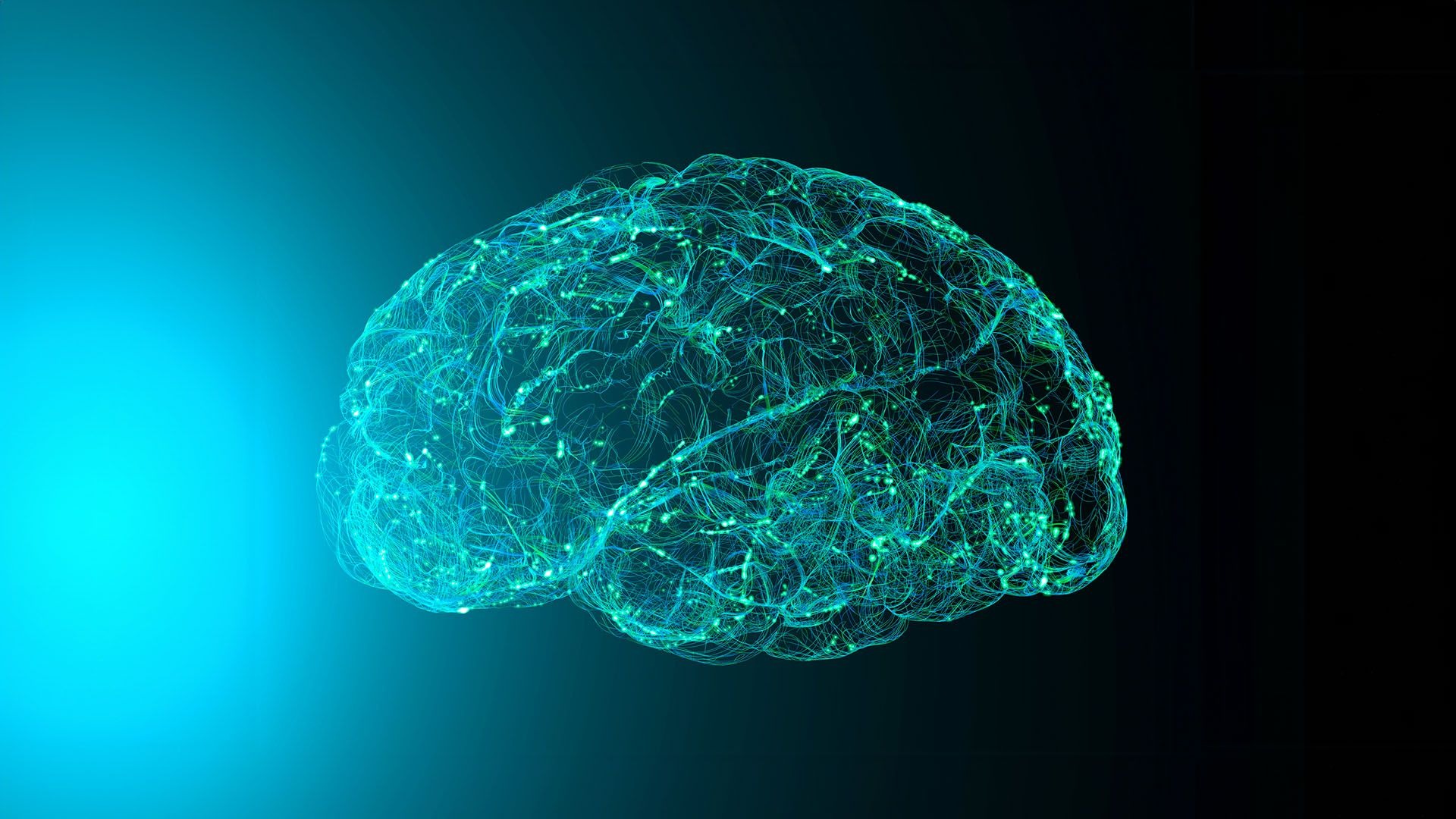
Angela: Prayer influences several neural processes at once. First, it increases activity in our frontal lobes, which manage focused attention, planning, and goal-directed executive function. At the same time, it reduces activity in the parietal lobes, which handle spatial orientation and our egoic sense of self. This shift contributes to that profound feeling of oneness and deep connection people report during spiritual practices.
Additionally, prayer alters brainwave patterns, increasing alpha waves associated with relaxation and theta waves linked to deep calm. It boosts dopamine release — our brain's reward chemical — and quiets the limbic system, which regulates emotion. By shifting these neural pathways, prayer naturally reduces stress and anxiety while promoting long-term emotional stability.
Emily: In what concrete ways does a regular prayer practice nurture our daily mental, and emotional well-being?
Angela: Psychologically and physiologically, prayer activates the body's relaxation response, reducing stress hormones like cortisol, which lowers blood pressure and heart rate. It gives us a safe space to process difficult emotions, express gratitude, and seek forgiveness, fostering emotional resilience and optimism. In today's disconnected world, it also creates a sense of connection to a higher power or community, directly reducing feelings of loneliness.
Mentally, the focused attention required in prayer acts as a form of mindfulness, enhancing executive functions like attention, memory, and clarity while decreasing symptoms of anxiety. Physically, lowering chronic stress through regular prayer or meditation supports immune function and overall longevity. It provides an immediate shift in perception, infusing love and support right into the center of whatever challenge you are facing.
Emily: Angela, how did you first discover the power of prayer, and what inspires you to help others embrace it in their daily lives?
Angela: Something in me must have always been drawn to prayer. When I was just four years old, I was in a tap-dancing recital where we danced in pajamas, ending on our knees with our hands together. All the other dancers rushed off for a wardrobe change, but I stayed right there praying—they actually had to dance around me! As a teenager, I experimented with prayer, though much of it was emotionally immature. I tried bargaining with what I thought was an outside authority, offering promises in exchange for outcomes. Those prayers didn't work out so well.
My real breakthrough came around age 16 during a painful breakup. I realized that prayer is only effective when there is an element of letting go. I prayed to truly release the relationship to a higher power — an invisible, loving, ever-present grace. I felt an immediate relief. I never imagined I would become a professional prayer practitioner, but over the last 30 years, praying for clients from all walks of life has shown me how transformative it is to help people move out of fear and into possibility.