Pace the profits, the AI companies seemed to say
Anthropic and OpenAI’s price war
 ͏  ͏  ͏  ͏  ͏  ͏  ͏  ͏  ͏  ͏  ͏  ͏  ͏  ͏  ͏  ͏  ͏  ͏  ͏  ͏  ͏  ͏  ͏  ͏  ͏  ͏  ͏  ͏  ͏  ͏  ͏  ͏  ͏  ͏  ͏  ͏  ͏  ͏  ͏  ͏  ͏  ͏  ͏  ͏  ͏  ͏  ͏  ͏  ͏  ͏  ͏  ͏  ͏  ͏  ͏  ͏  ͏  ͏  ͏  ͏  ͏  ͏  ͏  ͏  ͏  ͏  ͏  ͏  ͏  ͏  ͏  ͏  ͏  ͏  ͏  ͏  ͏  ͏  ͏  ͏  ͏  ͏  ͏  ͏  ͏  ͏  ͏  ͏  ͏  ͏  ͏  ͏  ͏  ͏  ͏  ͏  ͏  ͏  ͏  ͏  ͏  ͏  ͏  ͏  ͏  ͏  ͏  ͏  ͏  ͏  ͏  ͏  ͏  ͏  ͏  ͏  ͏  ͏  ͏  ͏  ͏  ͏  ͏  ͏  ͏  ͏  ͏  ͏  ͏  ͏  ͏  ͏  ͏  ͏  ͏  ͏  ͏  ͏ ­ ­ ­ ­ ­ ­ ­ ­ ­ ­ ­ ­ ­ ­ ­ ­ ­ ­ ­ ­ ­ ­ ­ ­ ­ ­ ­ ­ ­ ­ ­ ­ ­ ­ ­ ­ ­ ­ ­ ­ ­ ­ ­ ­ ­ ­ ­ ­ ­ ­ ­ ­ ­ ­ ­ ­ ­ ­ ­ ­ ­ ­ ­ ­ ­ ­ ­ ­ ­ ­ ­ ­ ­ ­ ­ ­ ­ ­ ­ ­ ­ ­ ­ ­ ­ ­ ­ ­ ­ ­ ­ ­ ­ ­ ­ ­ ­ ­ ­ ­ ­ ­ ­ ­ ­ ­ ­ ­ ­ ­ ­ ­ ­ ­ ­ ­ ­ ­ ­ ­ ­ ­ ­ ­ ­ ­ ­ ­ ­ ­ ­ ­ ­ ­ ­ ­ ­ ­  

Wednesday, September 23, 2026
Good morning. “Doing well by doing good” wasn’t always a thing in modern business—certainly not in the wake of Jack Welch’s famed shareholder-first approach in the 1980s.

Welch later recanted, by the way, calling his claim to business strategy fame “the dumbest idea in the world” in 2009. Six years later, Fortune published its inaugural “Change the World” list, highlighting an entirely different breed of corporation: those that made money hand over fist and addressed major social or environmental problems along the way. The thinking: These two things need not be in tension, and in fact, can be aligned. How evolved!

Fortune published its latest edition of that list this morning. Naturally, you’ll find a few tech companies in the mix. Among them: Anthropic, BYD, Canva, Cloudflare, Coursera, Medtronic, WeRide, and a handful of the biggest of the big, including Alibaba, Alphabet, and Samsung. The future is bright after all.

Today’s tech news follows. —Andrew Nusca

Thoughts? Suggestions? Hot tip? Drop me a line.
Were you forwarded Fortune Tech? Sign up here.

THE BIG STORY
OpenAI, Anthropic release dueling models as price wars heat up
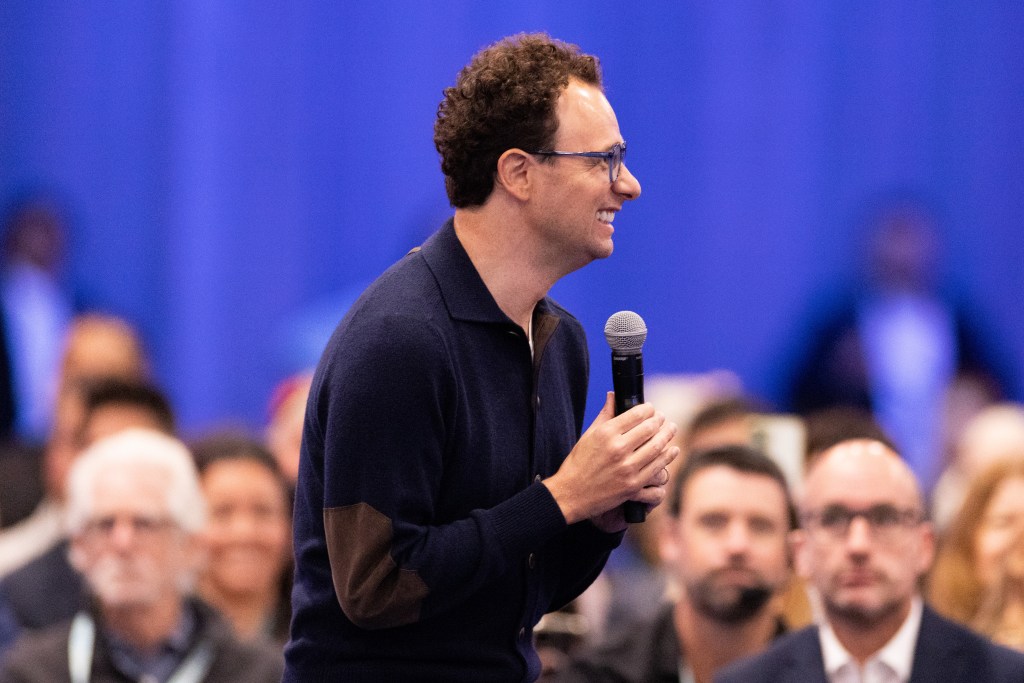
Anthropic CEO Dario Amodei in San Francisco, California on September 15, 2026. (Photo: Benjamin Fanjoy/Getty Images)
Anthropic CEO Dario Amodei in San Francisco, California on September 15, 2026. Benjamin Fanjoy/Getty Images


Anthropic and OpenAI debuted more affordable versions of their frontier models as they battle for wallet share from increasingly cost-conscious businesses, and face growing competition from lower-cost open weight models. 

The releases came within hours of each other on Tuesday, a sign of the labs’ heated rivalry, despite both companies’ recent calls for an AI slowdown.

Anthropic debuted Claude Opus 5.5, which it says performs at the level of its flagship Fable 5.1 model but costs around 40% less to run than Opus 5, which came out in July. It’s the first release in a new family of models, with Sonnet 5.5 and Haiku 5.5 expected “over the coming weeks,” Anthropic said.

OpenAI released GPT-6 Sol and GPT-6 Luna, offshoots of its flagship GPT-6 Astra model that came out earlier this month. The idea is to offer a version of Astra for everyday work, OpenAI said. It also slashed the API cost by 50%, lower than the pricing on a promotion it’s currently running for Astra’s predecessor, GPT-5.6.

OpenAI’s release offers lower API pricing than Anthropic’s. The two labs are already deep into an all-out price war—something that could put pressure on their ability to profit from their models down the line.

The battle is playing out on two fronts, according to Ara Kharazian, lead economist at Ramp: The labs are rolling out cheaper models that businesses are shifting toward, such as Opus 5.5 and GPT-6 Sol and Luna, while also announcing outright price cuts on their most expensive ones.

That dynamic is how technology markets have traditionally worked, he said, but it’s something that more bullish investors may not be factoring in.

“AI bulls assume that there will be highly performant models that provide more and more value, and therefore they should be more expensive,” Kharazian told Fortune. “But that is not how normal technology makes it to market.” —Emily Forlini, Beatrice Nolan

THE BLIND BOX
“He wasn’t making a bet on this company or this concept. He was making a bet on his son.”
Read the full story here.

THE RUNDOWN