New York state’s country escape, Boldizar Senteski’s wide-ranging artistic influences and a sustainable lounge chair.
|
Wednesday 23/9/26
|

|
|
London
Paris
Zürich
Milan
Bangkok
Tokyo
Toronto
|
|
|
|

Reflections on the past
In this week’s dispatch, we travel to a
revamped 18th-century estate on New York’s doorstep, before hearing from
artist and designer Boldizar Senteski, whose work mirrors conceptual and avant garde art. We then discover
Josef Hoffman’s silvered-brass vase and settle down in the
Bascule lounge chair by Studio OE and Vitra. Making an entrance on the streets of Zürich is Monocle Radio’s Désirée Bandli on the city’s stand-out poster scene.
|
|
OPINION: Désirée Bandli
In plain sight
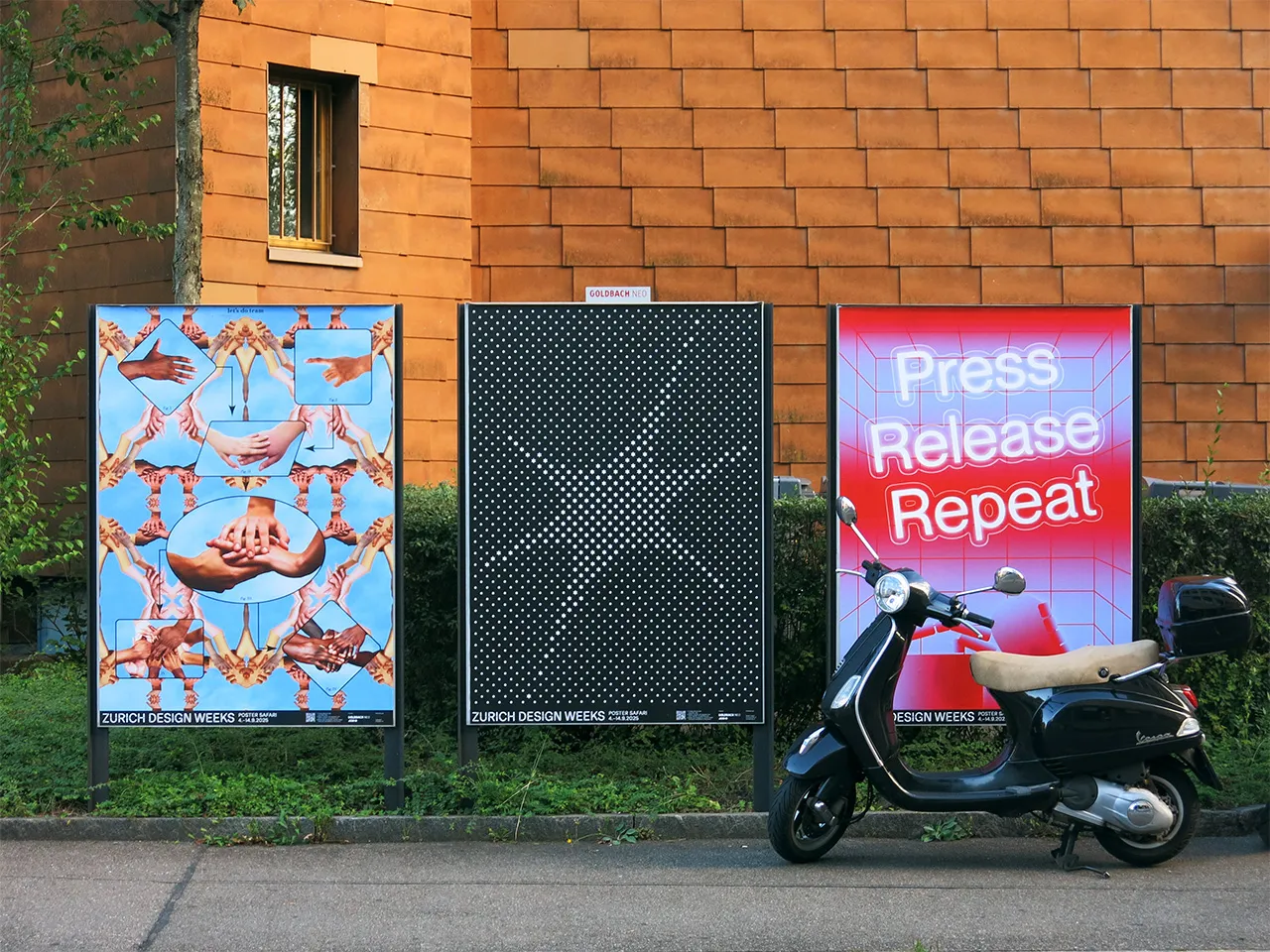
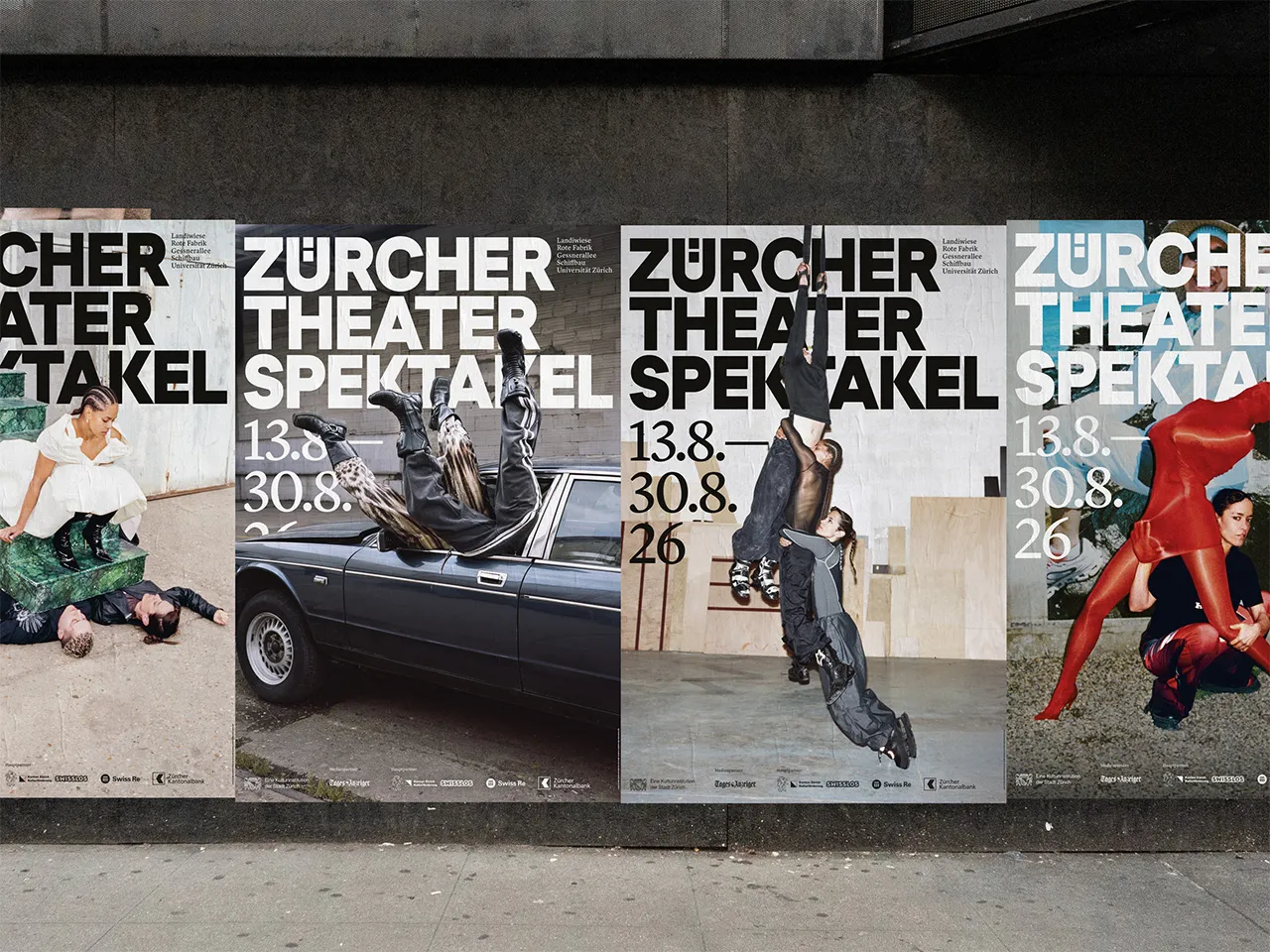
As you walk through Zürich’s Kreis 5 this week, it’s almost impossible to miss the large-format posters displayed throughout the district. The showcase, which is part of Zürich Design Weeks Poster Safari programme, aims to make graphic design accessible to the general public. It’s also a celebration of the city’s rich visual history, which has gone on to shape graphic design globally. Though digital screens are making headway in the city’s airport and train stations, the paper medium has been integral to the streetscape for nearly a century, displaying works from a host of local graphic design firms, such as producer of the annual Zürcher Theater Spektakel campaign Studio Markus Kraft.
|
The pivotal moment for the
rise of the poster came in the 1930s and 1940s, when the Zürich concretists set a new tone. At the time, many artists had kept quiet about making a living through commissioned graphic work, worried that commerce might taint their artistic credibility. The concretists thought differently. They wanted to be both artists and designers, and saw no contradiction in that duality. The founder of the concrete art movement, Max Bill, and his circle showed that poster design could combine authentic creation and applied work.
The concretists’ influence helped to shape what we now call “Swiss style”: clean typography and smart grids that still feel fresh decades later. New posters continue to be hand-pasted on boards and, in typically Swiss fashion, they are carefully aligned to avoid overlapping. Design discipline meets Swiss punctuality, right there on the street corner.
|
Outside Zürich Design Weeks, the
Museum für Gestaltung carefully preserves the rich cultural history of the poster. It houses one of the world’s largest collections, with more than 385,000 works telling the story of how this print medium evolved from the mid-19th century to today. It’s the kind of collection that makes design students swoon and locals quietly proud. Paper posters give a rhythm to city life, inviting commuters to pause and notice the colours and typefaces, and how the city reinvents itself every week. Zürich wears its design heritage on its walls year-round.
Désirée Bandli is Monocle Radio’s Zürich-based producer. For more insight and analysis, subscribe to Monocle today.
|
|
the project: Troutbeck, USA
Home comforts
The
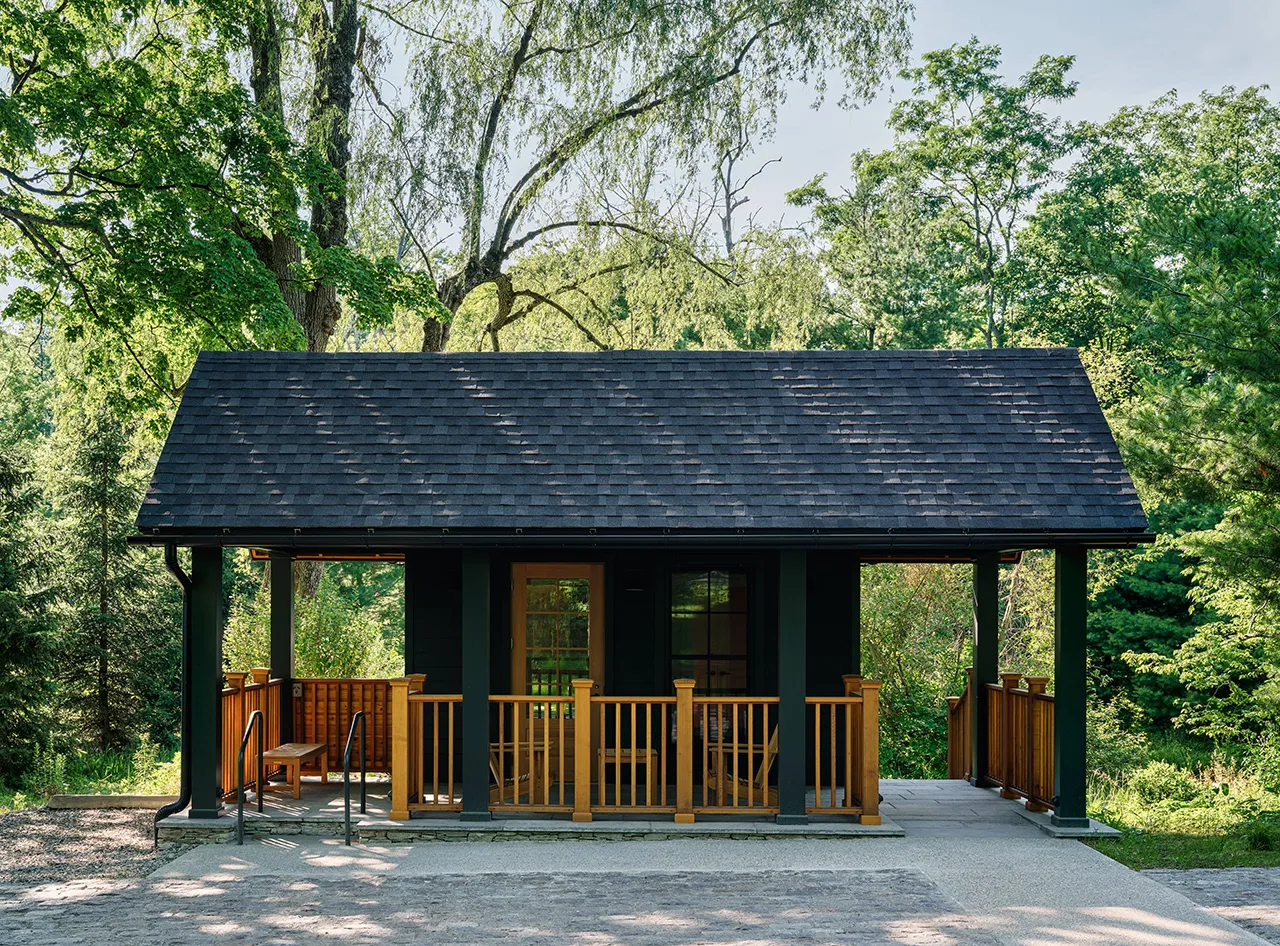
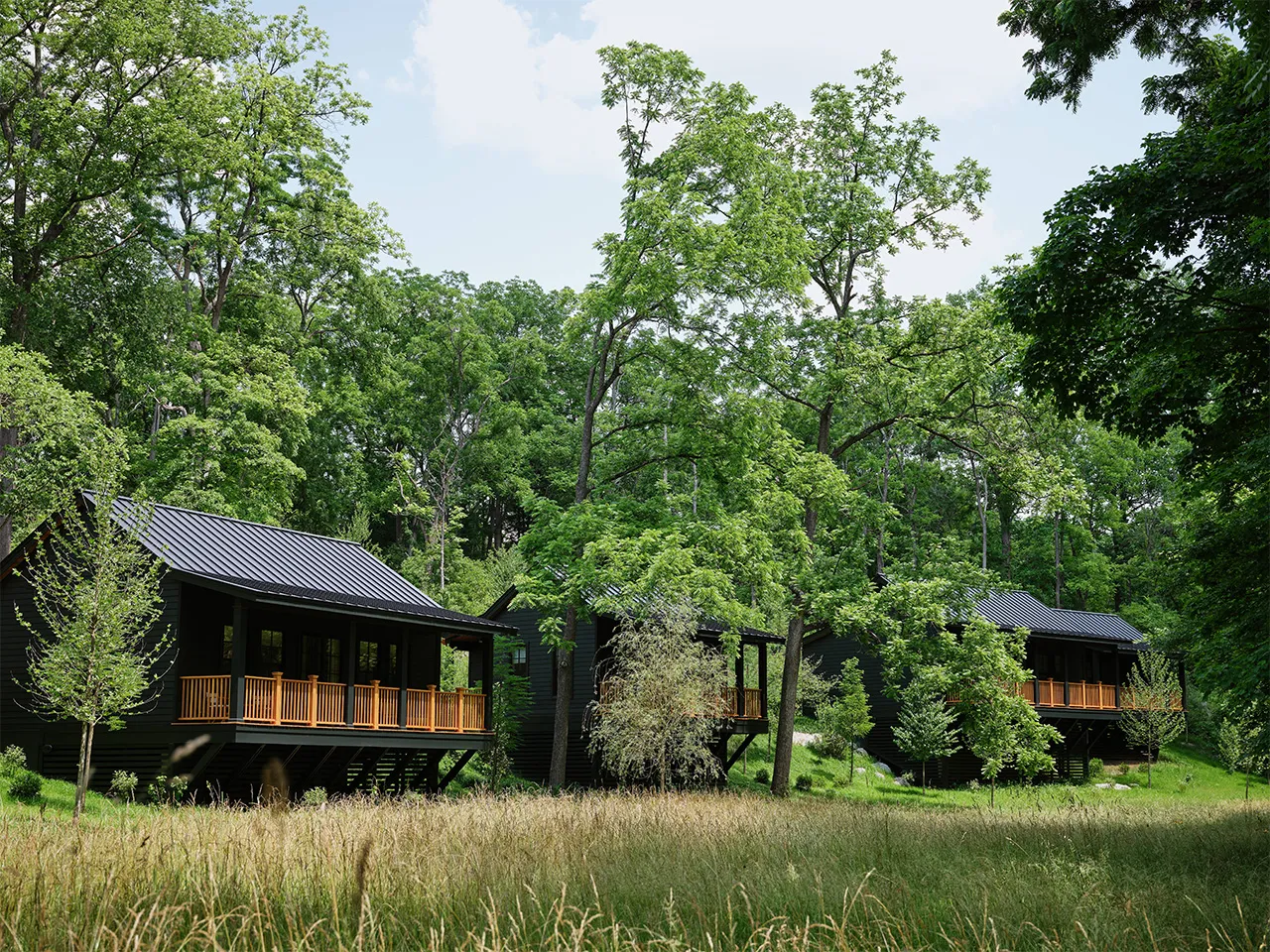
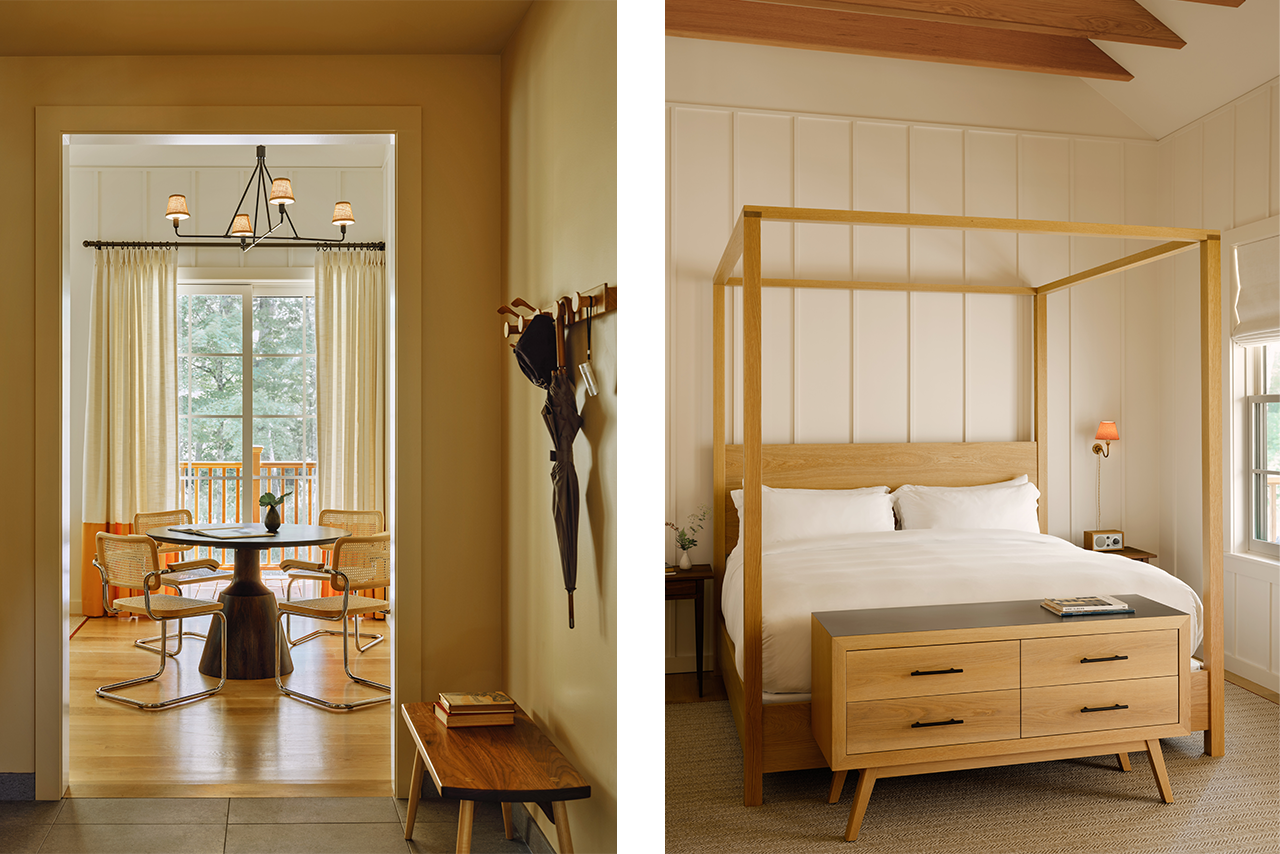
Hudson Valley is home to an abundance of reinvented barns and design-forward inns. But Troutbeck – an estate hotel homesteaded in the mid-18th century – stands out. The Dutchess County property was once frequented by the likes of Theodore Roosevelt and Thurgood Marshall. A two-hour drive from New York, its current stone manor house has been standing since 1919 and reopened under new ownership in 2018. The estate has been burnished this summer with the addition of four new free-standing river cottages which, while only a short walk from the main building, feel a world away. A new gatehouse entrance, leading to a revived network of pedestrian paths, eases guests from Troutbeck’s shared spaces into a private retreat. Landscape architect Reed Hilderbrand has nested the cottages among native wildflowers, trees and shrubs.
Architecture firm Stonehill Taylor, whose hospitality projects include The Crosby Street Hotel and Ned’s Club in Washington, sited the cottages along a wooded hillside above the winding Webutuck River. It used a detailed tree survey to preserve the canopy. “Our approach was to think of these cottages as an opportunity to extend the relationship between the built environment and nature,” says the principal of Stonehill Taylor, Neill Parker. “So we designed the structures to offer even more privacy and geographical immersion, while remaining undeniably part of Troutbeck’s identity.”
|
|
Inside, Champalimaud Design’s interiors reinforce the collected, country-house feel with tiled-glass fireplaces, antique blanket boxes as coffee tables and four-poster beds dressed, in true
To The Manor Born fashion, in Frette linens. Tall windows flanked by curtains of Holland
& Sherry fabric frame westerly views onto the 250-acre estate below, while a warm, neutral palette complements vintage furnishings and original artwork by Thompson Street Studio founder Kiva Motnyk.
The cottages offer full-service accommodations (and king-size beds) for up to 12 adults when booked together. This gives Troutbeck a leg up for multi-generational retreats or group buyouts, which are increasingly in demand. Troutbeck’s new additions round out its already exceptional amenities, including its acclaimed restaurant, wellness facility The Barns, swimming pool, tennis courts, fly fishing and robust cultural calendar. It seems that its history-making days aren’t behind it just yet.
troutbeck.com
|
|
WORDS WITH... Boldizar Senteski, Hungary
Reading between the lines
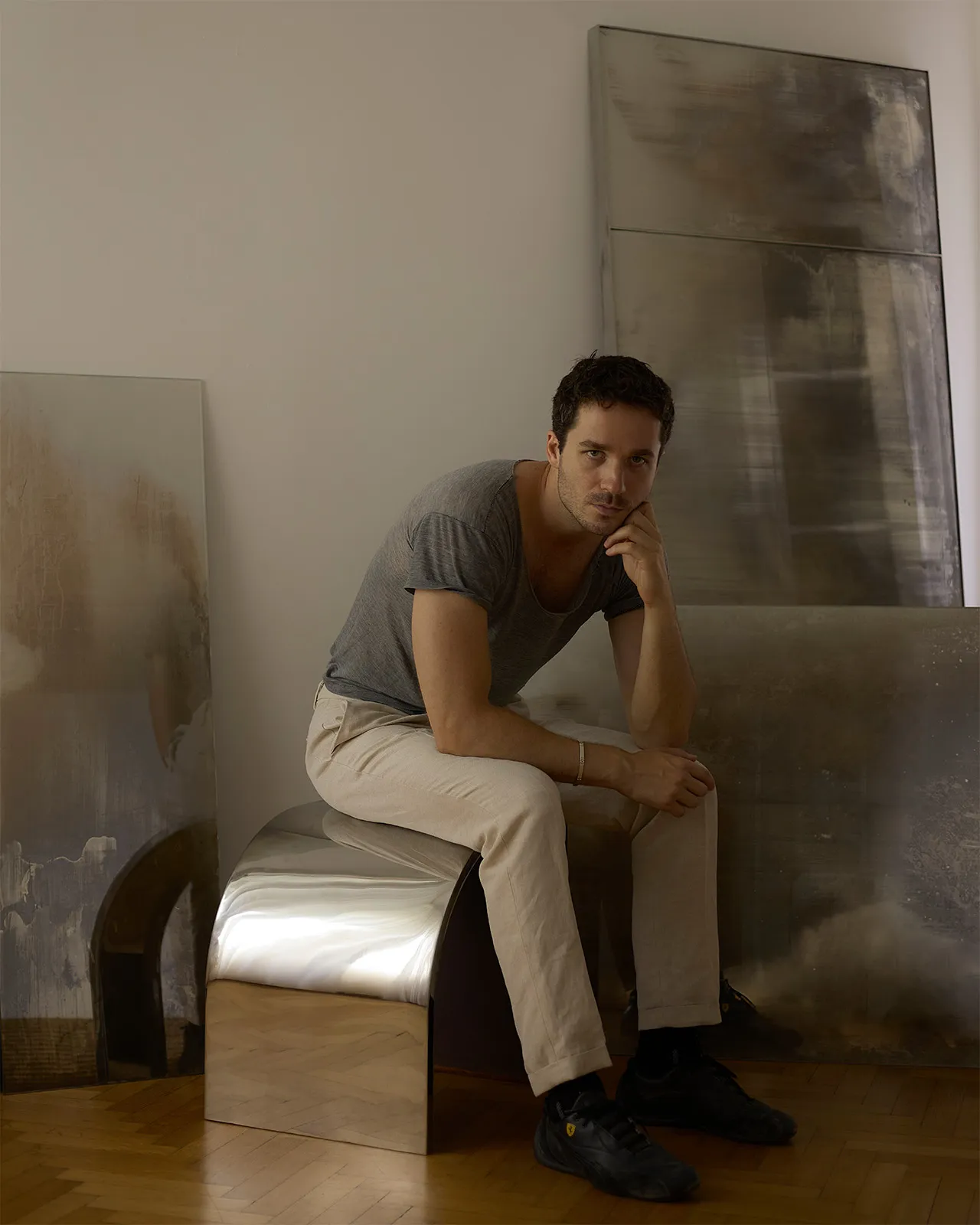
Based between his hometown of Budapest and Paris, artist and designer Boldizar Senteski crafts collectable pieces that are informed by a variety of styles from post-Soviet brutalism to baroque opulence. His limited-edition lighting and furniture pieces experiment with mirrored surfaces and have been exhibited at prestigious design fairs including Pad London and Milan Design Week. Here, Senteski tells Monocle about his latest triptych for Studiotwentyseven gallery and why a dystopian metropolis would be the setting for his dream commission.
|
What design movement has influenced you the most?
In general, I would say conceptual art but there is always something new to discover. More recently, I’ve been delving into avant-garde Viennese silverworks from the Austro-Hungarian era, which I find fascinating.
The sky’s the limit: which piece of furniture would you love to own?
Zaha Hadid’s Moraine Sofa upholstered in black pony hide. It would sit beautifully in a spacious industrial studio.
A recurring source of inspiration?
The built environment deeply informs my work. I find beauty in material memory and in the different ways that people, nature, buildings and cities constantly transform, and in the traces they leave behind.
|
A favourite project that you’ve worked on?
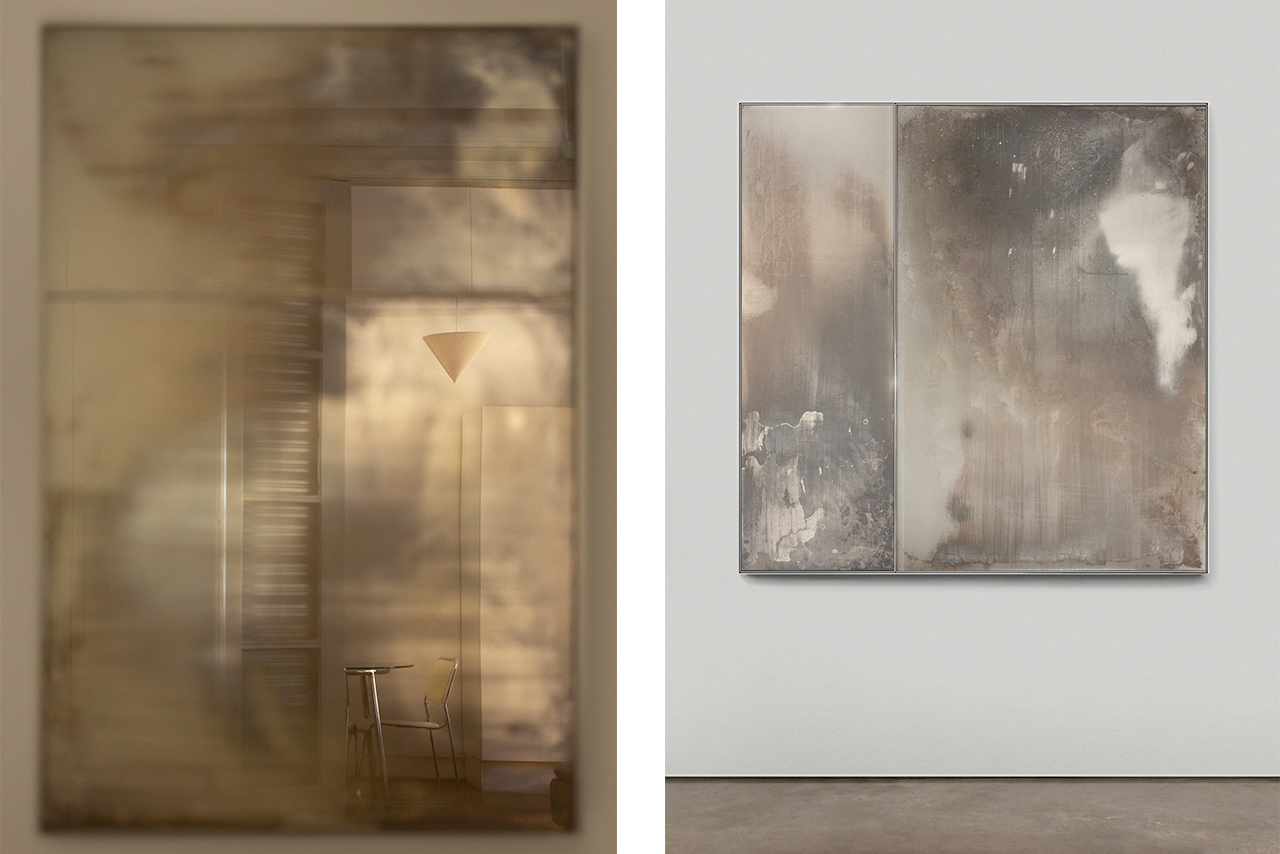
My latest collection, the Erosion Mirror Collection, is a triptych that I created for Studiotwentyseven gallery. These pieces are a personal evolution of my practice and the techniques that I have developed over time. Handmade by me, they are, in a sense, functional paintings that record the process of their own making.
A dream commission?
Designing a bar in a dystopian metropolis, translating my sculptural world into a fully immersive interior.
A priority for you and the industry going forward?
My work builds on the intersection of craft and technology. The current shift towards technology is a crucial moment for designers to actively shape how we relate to objects and each other, especially as we enter an increasingly digital and automated age.
Which city has the best design scene? And where should we visit?
I’m aware of what’s happening on the design scene but, for me, constantly following it is more exhausting than inspiring. I find more inspiration in other forms of art, great food and nightlife. If you’re in New York, I’d suggest Silence Please, which combines a café and record shop, and hosts regular listening parties. Pioneer Works is another favourite of mine for its overlap of art, science and technology. For the late hours, head to Metrograph to watch a film from its curated selection and grab steak frites with a dirty martini at the bar.
|
|
from the archive: Vase by Josef Hoffmann, Austria
Sum of its parts
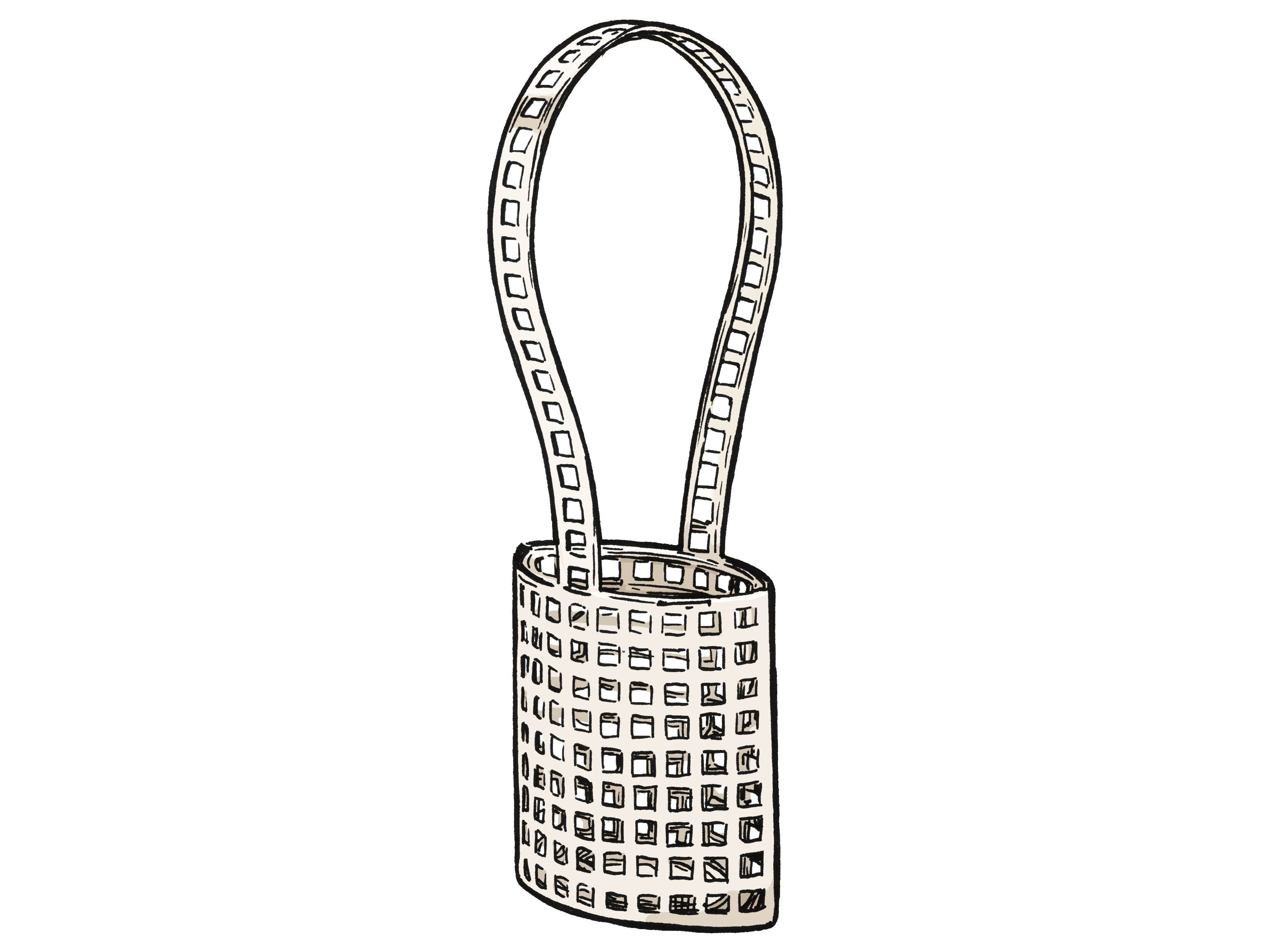
Most people think of a vase as a decorative object, with the added value of holding water and keeping flowers more or less upright. One of the few people who thought to give the vase an additional function was Josef Hoffmann, the Austrian architect and founder of the Wiener Werkstätte. This silvered-brass vase in Hoffmann’s signature grid pattern (with a glass inlay to hold the water) features a long handle for those who enjoy carrying bouquets around. As an added convenience, stems that need a little extra support can be threaded through the handle’s holes.
|
Hoffmann, a founding member of the Vienna Secession, produced countless metal homeware pieces with the same pattern. The designer was so enamoured with little squares that he was nicknamed Quadratl-Hoffmann. His design has spawned unexpected knockoffs:
432 Park Avenue – Rafael Viñoly’s minimalist skyscraper in New York – was reportedly inspired by a Hoffmann rubbish bin. The block shapes undeniably work on all scales but it’s difficult to recreate the lightheartedness of this portable vase.
|
|
around the house: Bascule by Vitra, Switzerland
A seat at the table
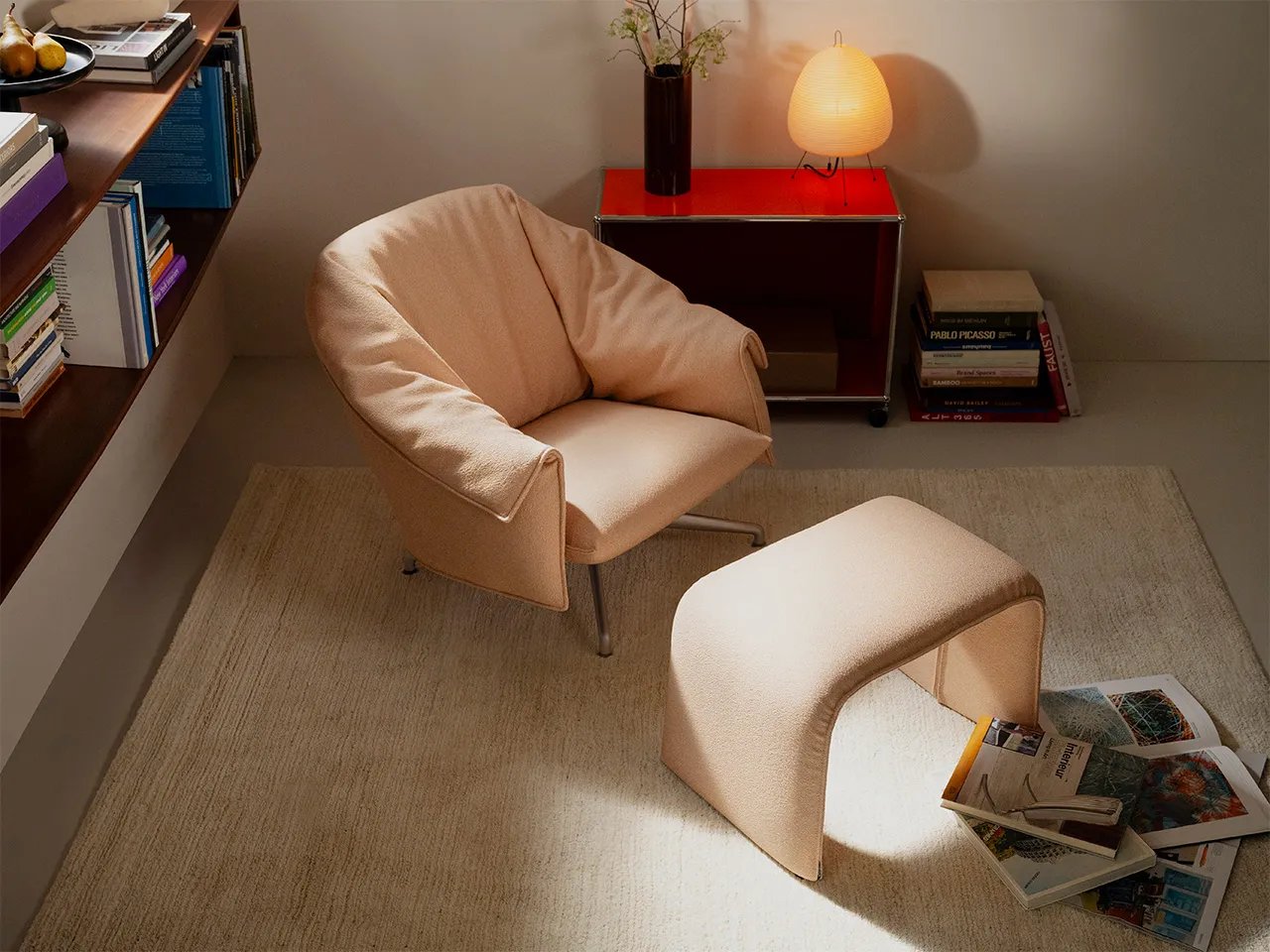
Few manufacturers rival the prestige of Vitra, the historic Swiss chairmaker behind the popular 1956 Eames Lounge Chair and the squiggly 1967 Panton Chair. So when Berlin-based Studio OE was commissioned to work with Vitra on a new model, the Bascule (“seesaw” in French), it was able to soak up the brand’s industrial-design expertise. “As a young studio, being invited to work on a lounger with Vitra felt very special, especially because it meant working with experts across many fields, from upholstery and engineering to product development and marketing,” says Lisa Ertel, who co-founded Studio OE with Anne-Sophie Oberkrome in 2021.
|
Unveiled during last week’s London Design Festival, the Bascule’s upper section – free from adhesives and featuring Vitra’s latest advanced V-foam – looks like a padded coat draped over an armchair. The seat also features a fluid weight-adjustment mechanism, which allows it to rock gently and move from an upright to almost horizontal position. For Studio OE, sustainability was key to the manufacturing process. “The future is about products that can be maintained, repaired, adapted and used for a long time,” says Oberkrome.
studio-oe.com;
vitra.com
|
|
| | |