|
Thursday 24/9/26
|

|
|
London
Paris
Zürich
Milan
Bangkok
Tokyo
Toronto
|
|
|
|

Good morning. There’s a fine smell of fresh print in the air. Monocle’s handsome October Style Special is out now, featuring a fragrance survey, a sit down with Lina Ghotmeh and a behind-the-scenes look at our Lisbon conference. Pick up a copy and toast to all things elegant. Speaking of which, join us at The Monocle Café in London today, where French fashion brand Octobre Éditions will preview its anniversary capsule collection. Grab a coffee and pastry while you browse. For now, here’s today’s Minute:
THE OPINION: Monocle’s latest issue takes on October in style
FASHION: Stone Island’s Selfridges pop-up
POLITICS: Morocco’s new prime minister will face more than a sporting match
DAILY TREAT: Niwaki x YMC’s garden variety collaboration
|
|
Our October issue examines the rewards of a sharp appearance beyond mere aesthetics
By Andrew Tuck
|

|
There are many people who will tell you that being cool just doesn’t matter. That, while style might be a nice add-on, it’s really not something that you should be spending too much time thinking about. That appearances are fundamentally irrelevant.
But they are wrong. How things look and making places that are cool can be a positive, potent driver in everything from economics to architecture and urbanism. One place that seems to have cottoned on to this is New Zealand’s largest city.
Poor old Auckland has been the target of some rather waspish comments over the years. Travel writer Paul Theroux described arriving in the city a few decades ago as like “touching down on a distant star”. When former Singapore prime minister Lee Kuan Yew came to town in the 1990s, he’s said to have described Auckland as “shut”. Now, I’m sure that many Kiwis were indifferent to these arrows and the city was happy to be the urban equivalent of a dad in flares but other residents understood the damage that this inflicted – including a brain drain that saw numerous people leaving to find fun and opportunities in Sydney, London and Los Angeles. Change was needed and, over the past 20 years, the city has been rebuilt, with its post-industrial waterfront taken back for public use. As we go to press, it’s also preparing to open the largest infrastructure project in the country’s history.
|
The City Rail Link is New Zealand’s first underground metro system and comes with a series of beautiful stations that have been attracting thousands of visitors on special preview days. Its imminent unveiling was a good cue for us to
send reporter Gordon Peake to assess how the city got its new look and how being a bit cooler is changing perceptions.
The often-surprising impact of beauty in the things that we build and make is a recurring idea in this issue. It certainly runs through

a wonderful interview by Grace Charlton with Lebanon-born, Paris-based architect Lina Ghotmeh.
I first met Ghotmeh when she participated in our Quality of Life Conference in the French capital in 2022. I was transfixed by her ability to rise above the fray to talk about what architecture can do for people and countries; coming from a nation scarred by wars and infighting had clearly given her both clarity of thought and a determination to deliver change. It’s a mindset that has resulted in Ghotmeh winning competitions to design everything from a perfect factory (for Hermès) to national exhibition pavilions (for Bahrain at Expo 2025 in Osaka). Now, she’s redesigning the Western Range galleries of the British Museum in London that house objects from ancient Greece, Egypt and Rome.
Reading her interview, you will immediately sense her ability to harness design to deliver so much more than just an efficient exhibition space. “How do we allow a piece of architecture to become a place that builds our knowledge, that allows you to experience the work better but also to open up to dialogue?” she asks. “The museum is not a static place that just showcases objects from the past. It’s also a contemporary place that has to allow for debate and learning from our ancestors.” It’s designed as a Trojan horse to deliver big ideas that will stay with visitors forever.
Debate and learning have been common threads in Monocle since our launch in 2007 – the first issue went on sale on 14 February that year. Over the coming months, in the run-up to our 20th-anniversary celebrations, we will be putting the spotlight on some of our own history.
This month’s Expo pages
document what has become a key part of our brand: our annual Quality of Life Conference, which this year unfolded in Lisbon. The event is the magazine brought to life; a display of all the topics that we care about but also a moment when we are able to underline some bigger ideas – that listening is good, that we can find some of the best answers in fields beyond our own. And that, yes, being cool can be a good thing.
If you would like to send me ideas, thoughts or style tips, I can always be found at
at@monocle.com.
Andrew Tuck is Monocle’s editor in chief. To pick up our style special subscribe today or order it here.
|
|
Own the thing. Behind the next big thing
|
fashion: uk
Stone Island’s London pop-up is a collector’s dream
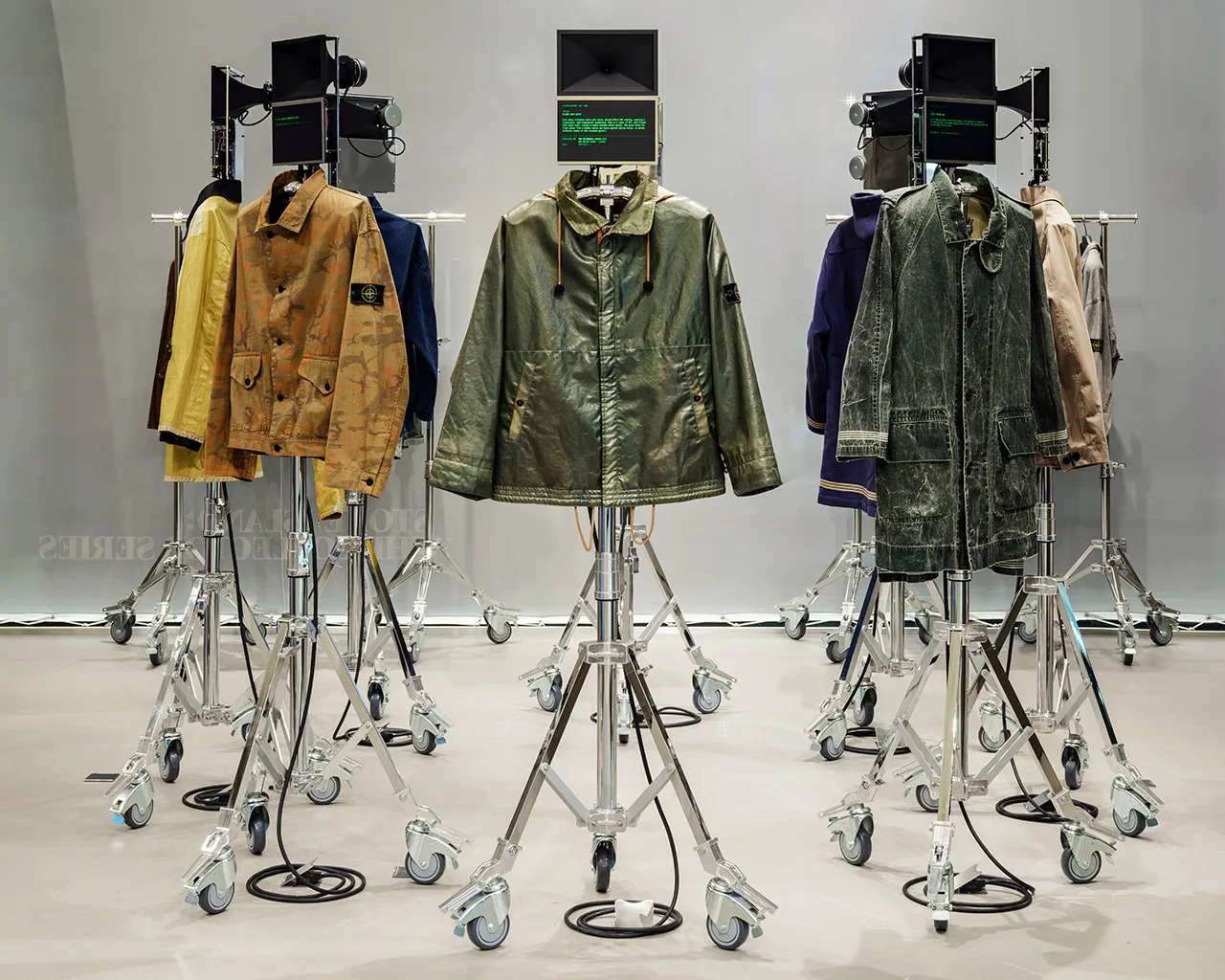
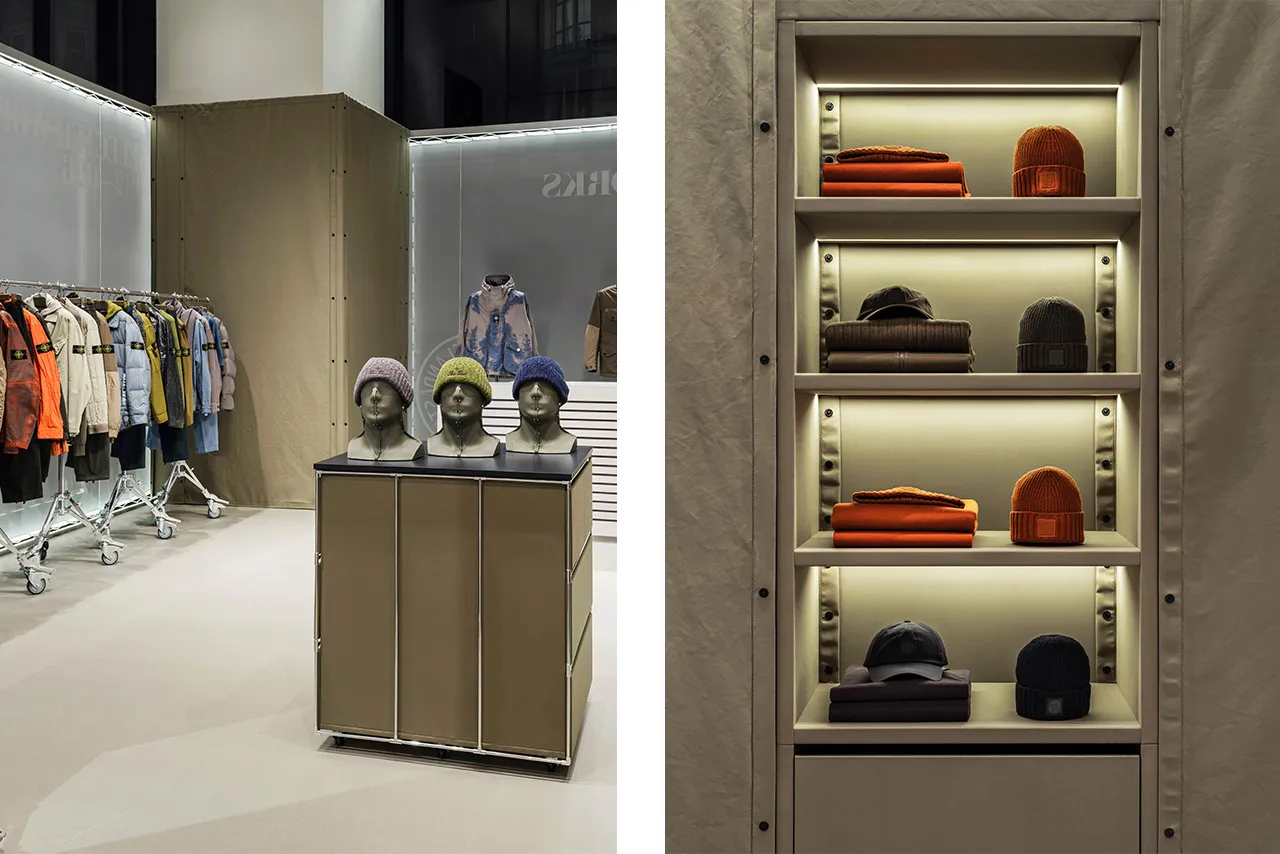
Stone Island has taken over The Corner Shop at Selfridges to showcase its first formal collaboration with some of the independent collectors who have archived and celebrated the brand over decades.
Selected Works ‘982–‘026 Stone Island: The Collector Series will run until 6 November, tracing the evolution of the label’s cutting-edge material science through the eyes of its most devout fans. Pieces including monofilament and thermosensitive jackets will be available to buy in-store, alongside items from the brand’s autumn/winter line.
The collection’s official launch party took place last night, with a premiere of
Passport, a documentary about Stone Island collectors from seven cities, directed by Glenn Kitson. “Stone Island has never only existed through the garments we create,” says CEO and president Robert Triefus. “Its culture has also been shaped by the people who discover, wear, preserve and reinterpret the pieces.”
|
|
politics: morocco
To win over the public, Morocco’s new prime minister will have to sport a wider-reaching agenda
Moroccans headed to the polls yesterday for the first time since deadly Gen-Z protests last year and attempts by some 70,000 migrants to cross the country’s northern border into the Spanish enclave of Ceuta (writes Jack Simpson). Politicians, however, have narrowed their focus on the upcoming 2030 Fifa World Cup, which Morocco is hosting alongside Spain and Portugal. But winning over home crowds will require more than just talking about sport.

|
|
|
Outside the box: Morocco’s prime minister will need to think beyond sport
|
|
As work continues on what will be the world’s biggest football stadium and new roads and high-speed railways are carved through the earth, it’s easy to focus on scale and grandeur. New jobs will arise from these infrastructure projects but the new prime minister – likely Fouzi Lekjaa, the current head of the Royal Moroccan Football Federation – will have to ensure that these opportunities reach everyone. “They have to convince Moroccans that these investments will improve people’s daily lives,” Casablanca-based journalist Camélia Echchihab tells The Monocle Minute.
Youth unemployment (a major catalyst of the recent youth protests) was at 37.2 per cent last year. But this cohort – only 15.8 per cent of which was registered to vote – is sceptical whether these megaprojects will equate to real change. As the results come in today, whoever can form a coalition majority and step up as prime minister will have to convince Moroccans that there’s a plan beyond the sporting sales pitch.
Further reading:
–
Inside Farasha Farmhouse: Marrakech’s emerging hub for creativity and connection
–
How a rising generation of North Africans is awarding Tangier new life
–
How a Moroccan HQ with an in-built factory keeps improving their products
|
|
• • • • • DAILY TREAT • • • • •
Put down roots in attire from Niwaki and YMC
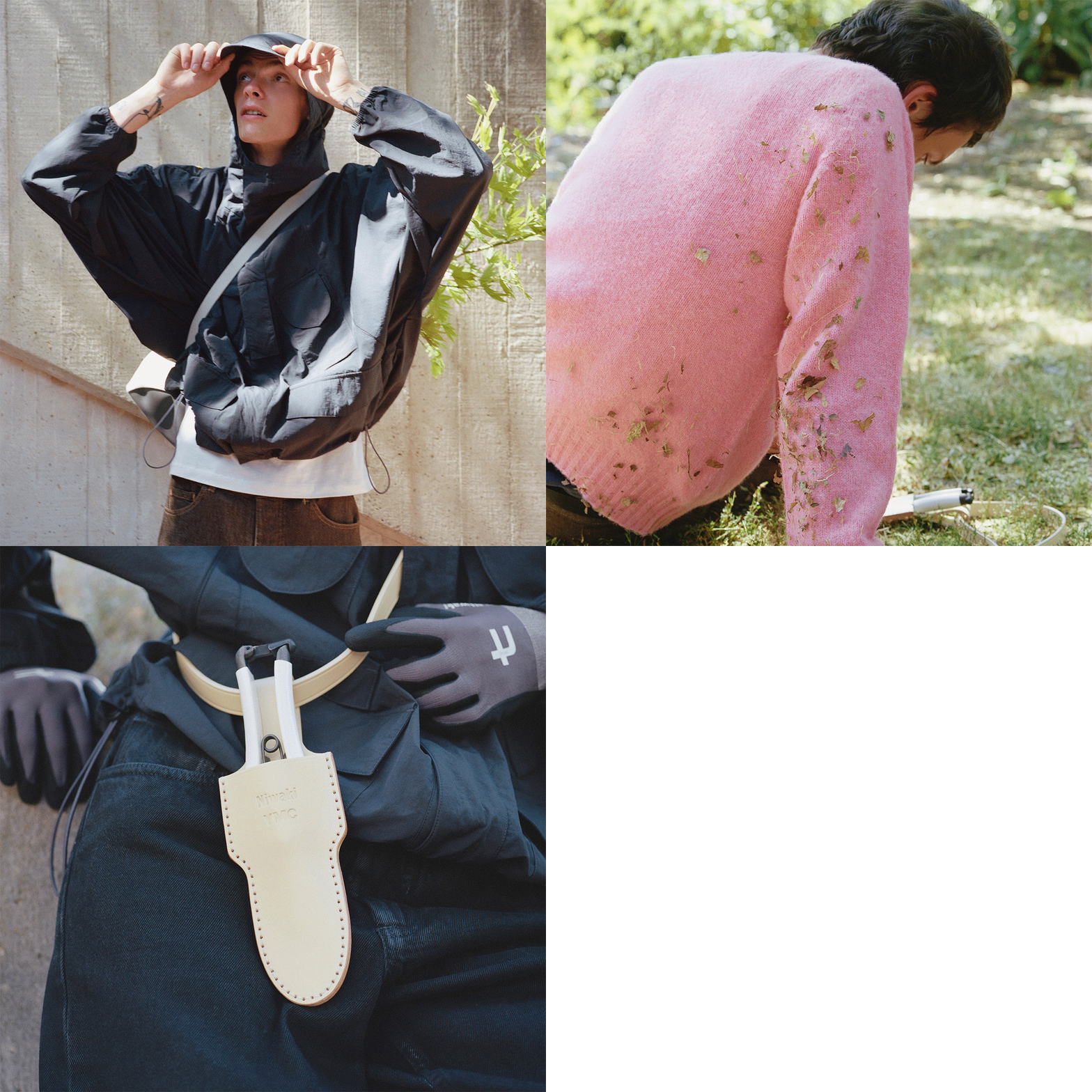
Our Chiltern Street neighbours Niwaki do much more than make the perfect set of secateurs. The gardening brand also creates thoughtful pieces of kit for everyday life, from lunchboxes to stepladders. And, on this occasion, it’s a limited-edition clothing collection in partnership with UK label YMC that has caught our eye.
The Gardener’s Jacket is a reinvention of one of YMC’s staple silhouettes, featuring a water-resistant shell, a more generous hood and a reconsidered pocket placement for tools. The Suedehead Jumper is made from Scottish lambswool and comes in alluring pink and understated pine colourways. Naturally, there’s also a set of YMC x Niwaki Higurashi Secateurs with a leather belt and holster. Whether you’re working on the allotment or tending to your monstera, it’s a collection that celebrates urban gardening.
|
|
| | |