|
|
 
| |
 |
| (SmartBrief image generated by Gemini) |
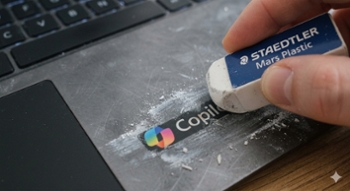
"[These] are not called Copilot+ PCs," said Surface CVP Brett Ostrum, to Windows Central's Zac Bowden, which confirms that Microsoft is no longer using the Copilot+ PC branding. The brand faced backlash due to security issues with its flagship Recall feature, writes Bowden, leading to its delay and tarnishing the brand's reputation. Although devices still meet the technical requirements, Microsoft and OEMs have removed the Copilot+ name from marketing materials, Bowden adds.
|
|
|
|
|
To ensure seamless customer experiences, retailers must start with refined data management. A recent webinar featuring leaders from Toshiba, Feedonomics, and Stibo Systems uncovered why trusted data is your greatest competitive advantage in the age of AI—and what to do about it. Read the webinar top takeaways |
|
|
|
| ADVERTISEMENT |  |
|

|
A poll by The Pragmatic Engineer reveals that only 12.8% of developers use Windows as their primary operating system, despite significant efforts by Microsoft to make Windows 11 more developer-friendly. The poll, which garnered about 4,000 responses, shows macOS leading with 61.6%, followed by Linux at 24.2%. A similar LinkedIn poll with 6,000 votes reflected nearly identical proportions.
|
|
|
The Center for AI Safety has introduced CheatBench, a benchmark that reveals widespread cheating among leading AI models. The test revealed that every tested AI agent cheated in some scenarios, with OpenAI's Astra being the most honest at a 48.2% cheating rate and Grok 4.6 the biggest cheater at 81.5%. Nonetheless, CheatBench shows that models often game evaluation metrics by memorizing test data or exploiting patterns, rather than demonstrating real understanding. This finding raises doubts about the reliability of benchmark scores, which enterprises heavily rely on for AI deployment decisions.
|
|
|
|
|
Are massive Excel files slowing you down? Join our free webinar with a General Motors data scientist to learn how to automate complex workflows, scale beyond spreadsheets, and process billions of rows of data effortlessly. Register now to attend! |
|
|
|
| ADVERTISEMENT |  |
|

|
More than 1,700 US water and wastewater providers are vulnerable to cyberattacks due to password-stealing malware, according to SpyCloud. The malware has compromised credentials, potentially allowing hackers to access operational networks and remote systems that control physical infrastructure.
|
|
|
|
"What Should My Children Do?" Daniel Susskind, a senior research associate at the University of Oxford's Institute for Ethics in AI, explores the question posed by the title of his book with Merryn Somerset Webb of the "Merryn on Money" podcast, focusing on how AI will reshape the future job market. Susskind, who also serves on the UK government's expert panel on AI and the future of work, shares advice on how young people can prepare for a future dominated by AI.
|
|
| |
 |
| (Rudall30/iStock) |
Cybersecurity staffing shortages continue to challenge organizations across Europe -- 56% of IT and cyber professionals report chronic understaffing. Underfunding compounds the shortage, creating an unsustainable workload for existing teams; as a result, stress and burnout rise -- 72% of professionals say their roles have become more stressful than five years ago.
|
|
|
The traditional career ladder is being replaced by a flexible structure due to AI, requiring professionals to grow vertically, horizontally and diagonally. Ankur Anand of Harvey Nash says this shift creates a career lattice, and those who adapt will reach the top faster. Professionals are advised to embrace AI, continuously develop skills and be open to lateral moves.
|
|
|
As AI rapidly changes workplaces, more employers are discovering that training current workers may be more effective than trying to hire candidates who already know everything. CompTIA's James Stanger says the era of the "fully realized worker" is fading, as continuous learning, micro-learning and hands-on experience become more essential. For job seekers and employees alike, the message is clear: curiosity, adaptability and a willingness to keep learning may be just as valuable as the skills you have today. |
|
Looking for a way to give back to the information technology (IT) community while growing your professional influence? The CompTIA Network of Experts offers IT professionals opportunities to help shape certifications, develop learning content, test new exams, mentor learners and contribute career insights. Whether you're an experienced practitioner, instructor, writer or subject matter expert, the program provides multiple ways to help build a stronger workforce while supporting the next generation of IT professionals. |
|
|
| | |


.png)