September 25, 2026

Image

Better health begins with ideas


Editors’ Note

Today in New York City, heads of state are convening to consider ways to bolster the world’s defenses against future health emergencies. Today’s High-Level Meeting on Pandemic Prevention, Preparedness and Response will emphasize equity and solidarity, but the massive outbreak of Ebola Bundibugyo virus, now in its fourth month, tests those promises.


Armand Mbanya, senior research fellow at the University of Yaoundé and senior technical advisor at the International Pandemic Preparedness Secretariat, and Luchuo Engelbert Bain, senior research scientist at the University of Oxford, argue that leaders should make concrete commitments at today’s meeting to ensure countries such as Democratic Republic of Congo can access vaccines and therapeutics when another crisis arrives. From another perspective, independent analyst Summer Galloway and CFR Senior Fellow Stephanie Psaki outline how countries can prepare their legal, financial, and operational systems to complement the Pandemic Agreement, regardless of what happens at the UN General Assembly. 


To learn more about challenges facing effective pandemic preparedness and response, Think Global Health’s senior contributing editor, Katherine Leach-Kemon, spoke with two health security experts. In an interview, Suerie Moon, a professor and codirector of the Global Health Centre at the Geneva Graduate Institute, reflects on what progress the world has made in developing vaccines in emergencies—and where it falls short. Separately, Leach-Kemon had an in-depth discussion about the race by the Coalition for Epidemic Preparedness Innovations (CEPI) to develop a successful Ebola Bundibugyo vaccine with Nicole Lurie, executive director of preparedness and response and U.S. director at CEPI. 


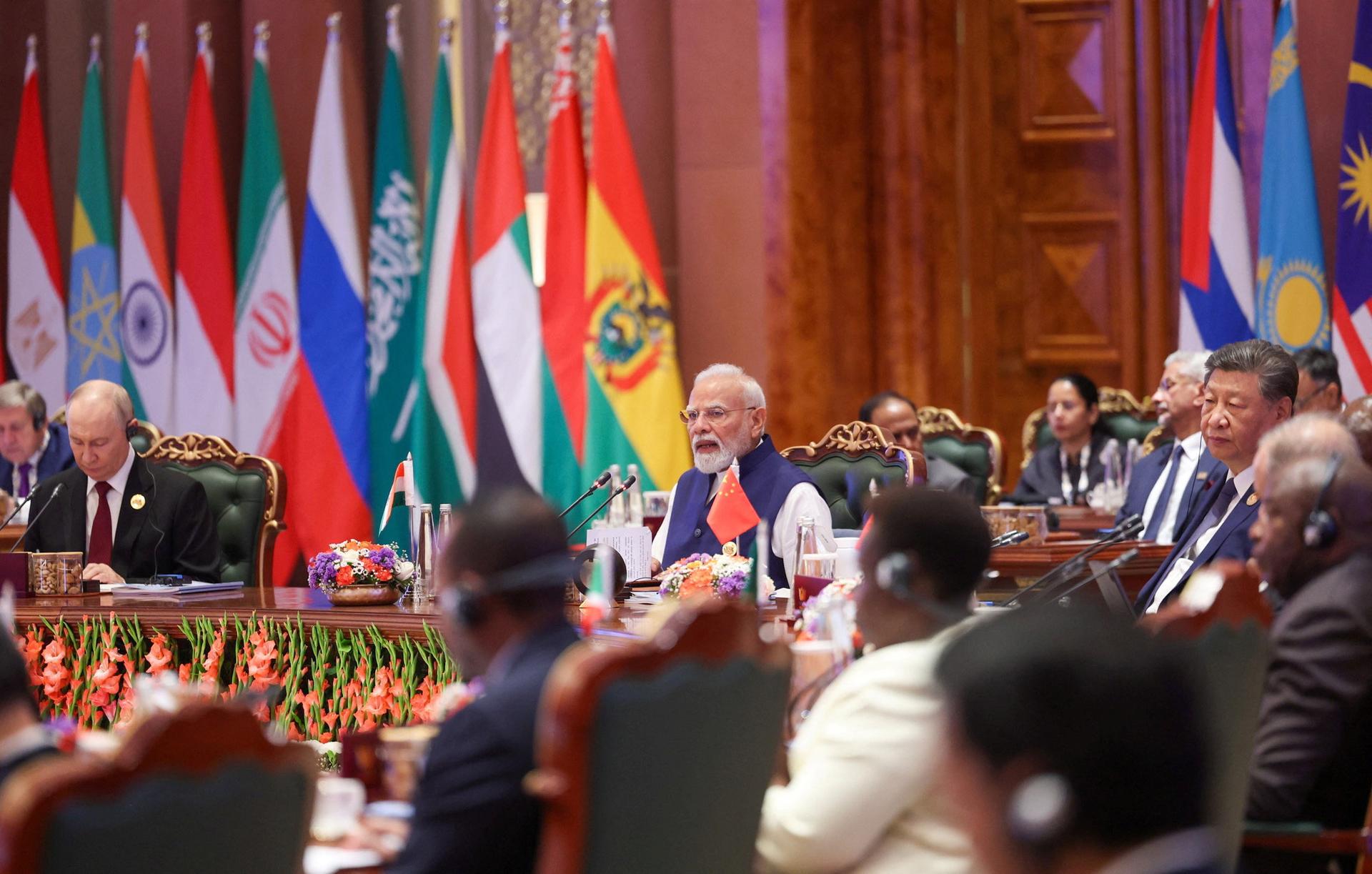
Reflecting on another multilateral event, last week’s BRICS Summit, Animesh Roul, executive director of the Society for the Study of Peace and Conflict in New Delhi, describes how India is using its role as BRICS chair to lead on preventing noncommunicable diseases. 


Until next week!—Allison Krugman, Interim Managing Editor, and Katherine Leach-Kemon, Senior Contributing Editor 


This Week’s Highlights


GOVERNANCE

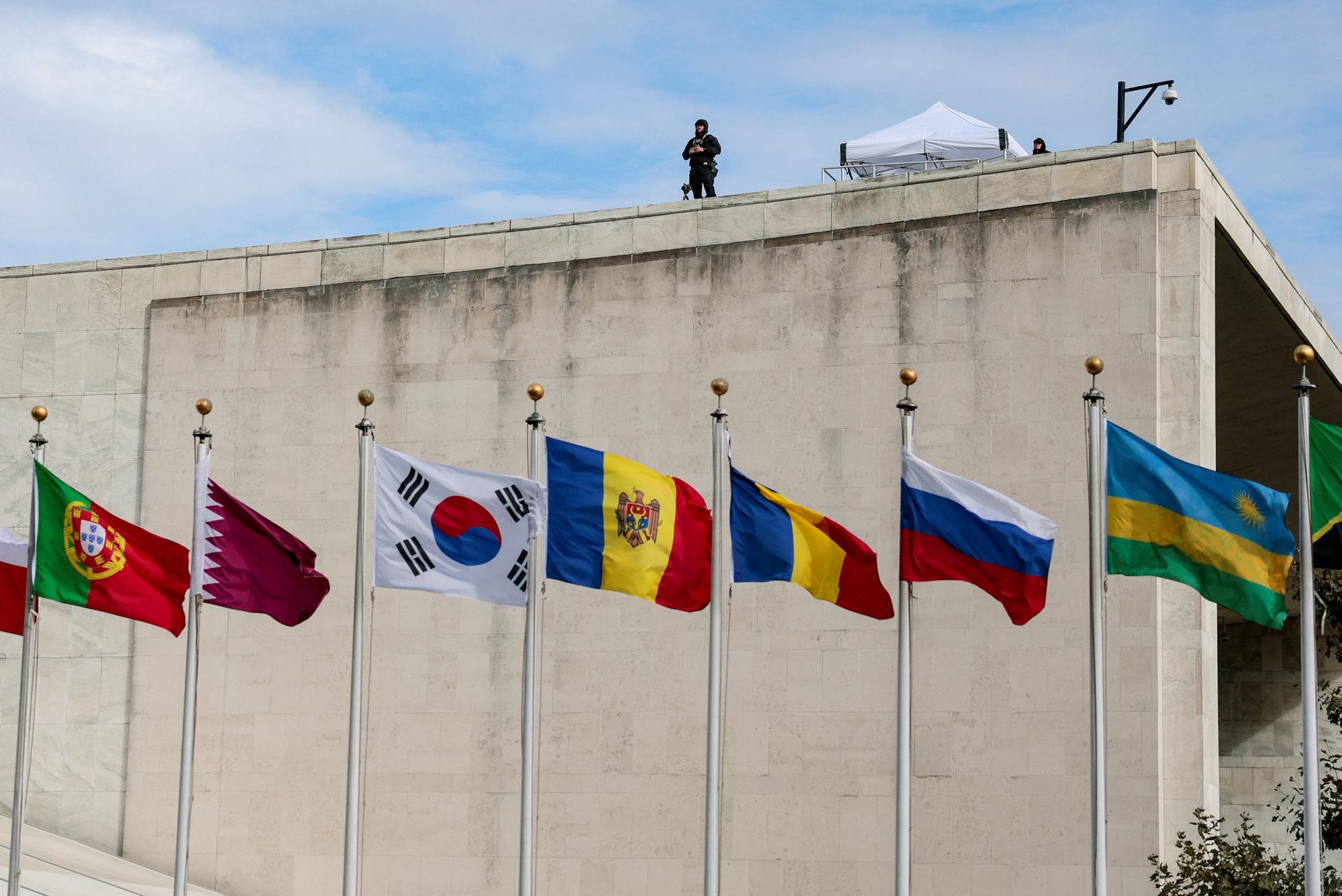
Security keep watch on top of a building during the 81st United Nations General Assembly (UNGA) in New York City, US, on September 22, 2026.

Ebola in the Democratic Republic of Congo Is the UN Pandemic Meeting's Real Test 

by Armand Mbanya and Luchuo Engelbert Bain

African countries and like-minded partners should band together to get what they need from the pandemic agreement, say two health security strategists


Read this story


GOVERNANCE

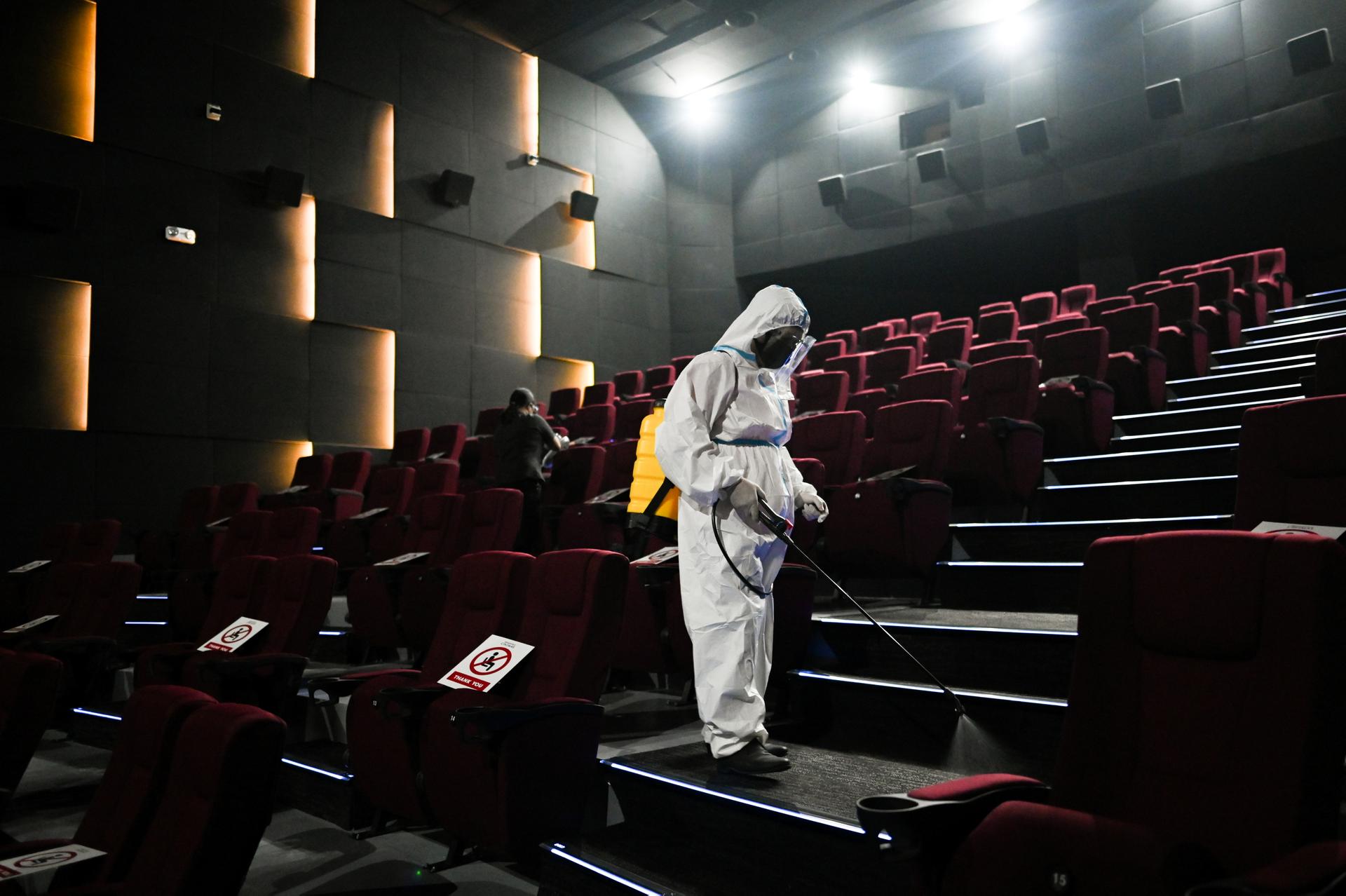
A worker in personal protective equipment disinfects a cinema in preparation for the reopening of movie theaters, as the country's capital region loosens coronavirus disease restrictions, at Eastwood Mall, in Quezon City, Philippines, on October 16, 2021.

Five Ways to Deliver on the Pandemic Agreement's Promises

by Summer Galloway and Stephanie Psaki

Building the right legal, operational, and financial systems to prevent the next pandemic will require going beyond negotiations in New York or Geneva


Read this story


Figure of the Week


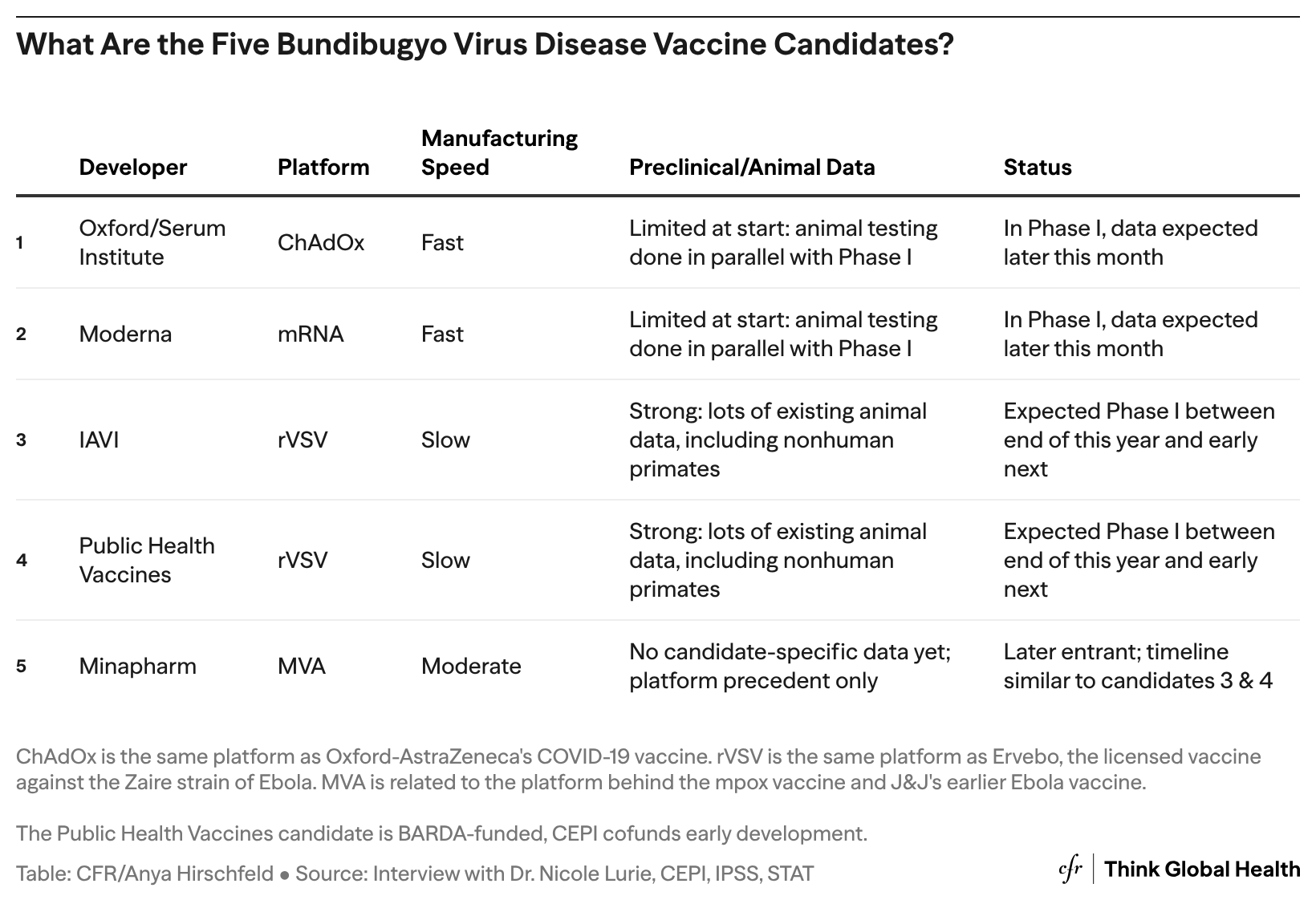
A table detailing the five Ebola Bundibugyo virus disease vaccine candidates

Read this story


Recommended Feature


GOVERNANCE

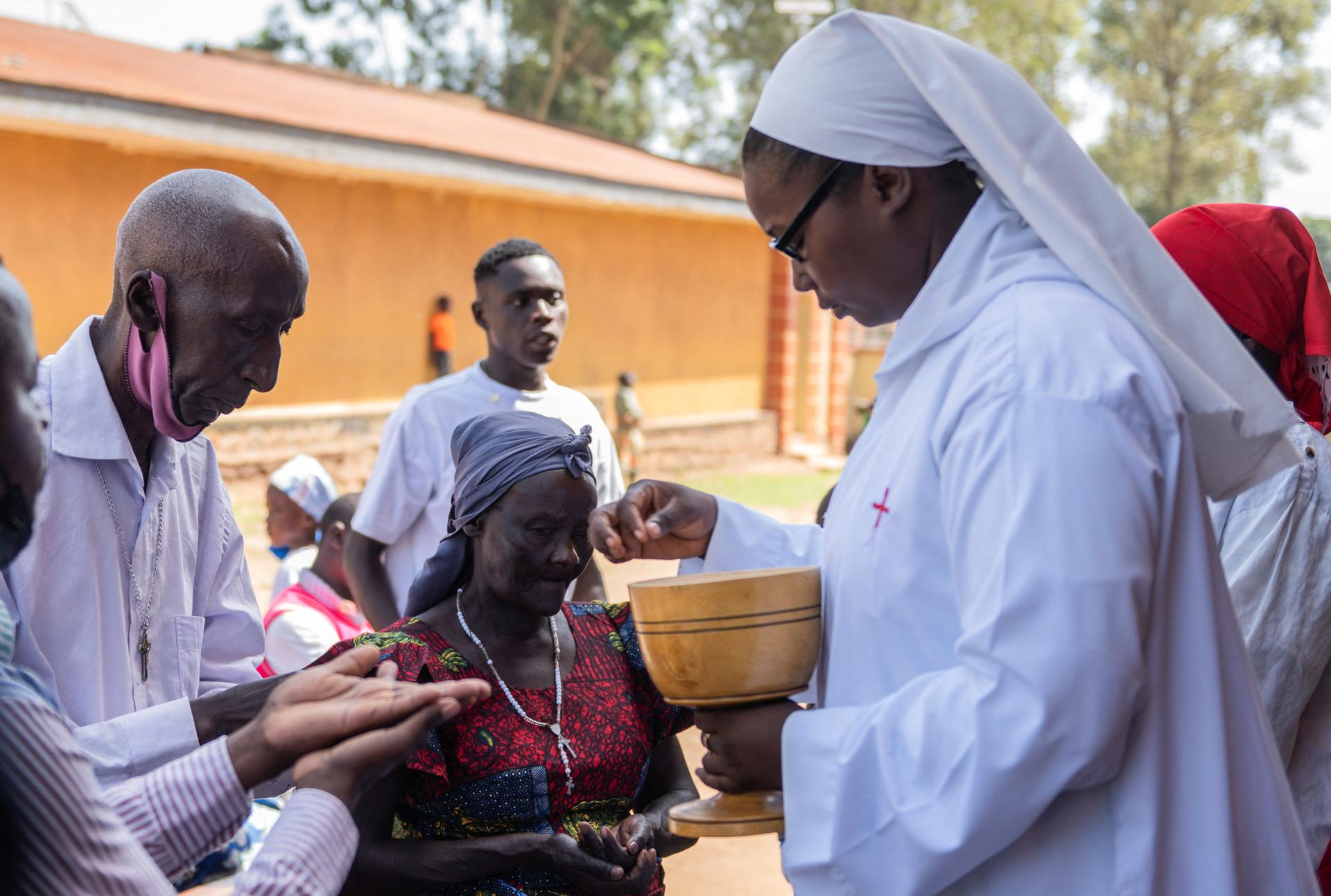
Catholic nuns serve worshippers with the Holy Eucharist during the Sunday Mass at The Notre Dame de Graces Cathedral (Cathedral of Our Lady of Graces), amid a resurgence of Ebola involving the Bundibugyo strain, a rarer variant of the virus with no approved vaccine currently available, in the Mudzi-Maria neighborhood of Bunia, Ituri province, in the Democratic Republic of Congo on May 24, 2026.

A Fast and Fair Response: Reflections on Pandemic Preparedness

by Katherine Leach-Kemon

Access to medicines expert Suerie Moon shares her perspective on the world's ability to respond to health emergencies, from COVID-19 to Ebola


Read this story


More of the Latest


India's Prime Minister Narendra speaks during day two of the BRICS Summit in New Delhi, India, on September 13, 2026.

At BRICS Summit, India Takes the Lead on Noncommunicable Diseases

by Animesh Roul

As India attempts to redefine its role in BRICS as a health leader, an expert asks whether the country will make measurable progress instead of reaffirming known goals

Read this story


What We’re Reading

Global Health Agrees on Reform. Now, Who Will Give Up Power? (Devex)


Delays in Covid Shots for Kids Is Latest Bid by Trump Officials to Restrict Vaccines (The Guardian)


These Six Charts Show How NIH Research Funding Has Been Reshaped Under Trump (NPR)


Watch: How Toxic Smog From Wildfires Is Making Indonesians Sick (BBC)


Interested in submitting?

Review our Submission Guidelines

Image
TwitterBluesky

An initiative from the Council on Foreign Relations

58 East 68th Street — New York, NY 10065

Unsubscribe

View in Browser

Manage Your CFR Email Preferences