Daniel A. Gross
A story editor who often works on science and technology coverage
Three weeks ago, Daniel Selsam, a top researcher at OpenAI, wrote in an extraordinary public statement that he was “extremely concerned” about the A.I. models that he himself was helping to build. Large language models, which power OpenAI’s ChatGPT and Anthropic’s Claude, are regularly assessed for their capabilities and their alignment with human values. Unfortunately, Selsam warned, L.L.M.s seem increasingly aware that they’re being assessed—and they may pretend to be more aligned than they really are. We might not be able to control a system that is capable of deceiving us. If the field continues on its current trajectory of “growing models rather than engineering them,” Selsam said, it’s likely that “we will lose everything in the end.”
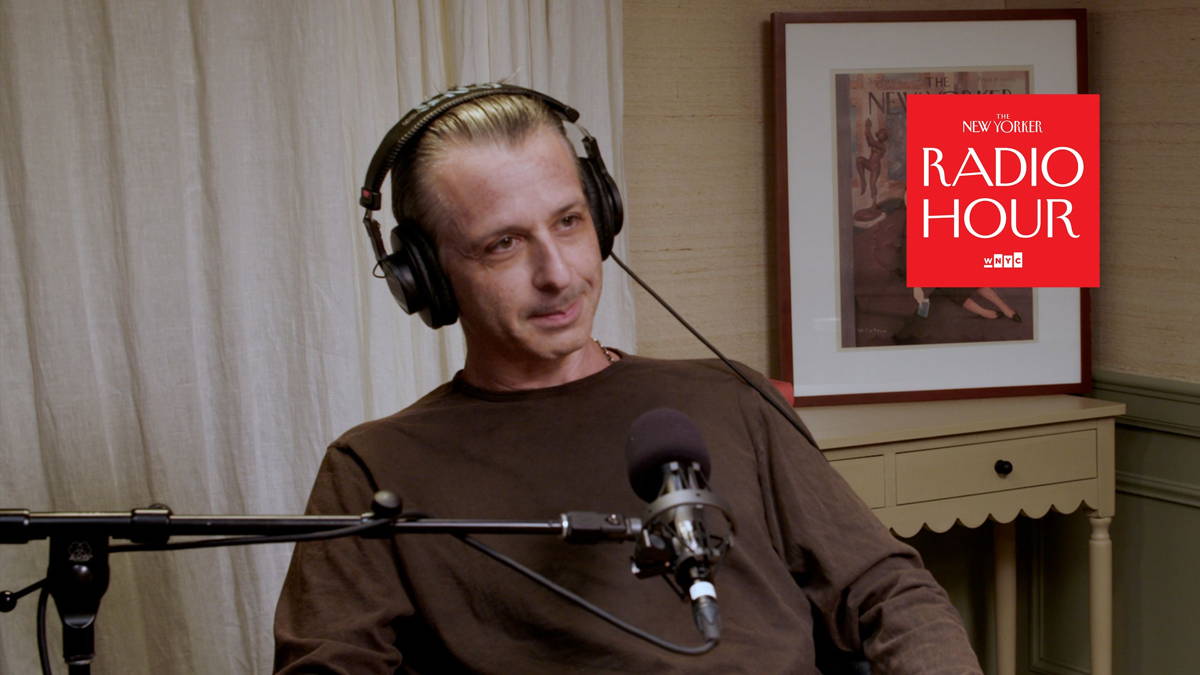
When the statement came out, one of Selsam’s longtime friends, the filmmaker Brent Katz, was days away from releasing “Josh’s Wedding,” a New Yorker documentary about Selsam’s quest to build an artificial intelligence that will benefit humanity. The documentary tells the story of how in 2022, before ChatGPT was released to the public, Selsam had previewed the tool for several friends during a wedding weekend. “Because of our fluke relationship with Dan, we’ve been a little bit ahead of the Zeitgeist with A.I.,” Katz told me. “It gave us a strange, closeup view.” They became convinced, much earlier than most, that A.I. would transform their lives. One of them, the comedy writer Simon Rich, went on to write the screenplay for “Artificial,” a forthcoming Luca Guadagnino film about Sam Altman—Selsam’s boss at OpenAI. I recently spoke to Katz about his documentary, his fear that A.I. will take his job, and his hopes for the future.
Our interview has been edited and condensed.
In the film, Simon talks about trying to warn people about the dangers of A.I. in 2022, and how no one was interested.
My instinct was to look away, too. Simon can’t look away. He’s, like, Never forget that this exists, that this is real, that it will change everything. It’s easy to get habituated and say, Oh, it’s just a normal part of life. Machines can talk. I had that denial. I wanted to be, like, It’ll never really be good. It’ll never really impact me that much. But I can’t, because I’m friends with Dan and Simon.
What would “looking away” have meant for you?
To belittle it, basically. I’m not trying to promote OpenAI or any of these companies. But, in 2023, there was a writers’ strike, and the Writers Guild was basically telling writers, This is a plagiarism machine that just predicts the next word, and it’ll never reach the heights of the human soul, or whatever. I feel like that’s dangerous, too. That’s belittling it and saying it can’t replace you. I think it can. And by “you,” I guess I mean “me.”
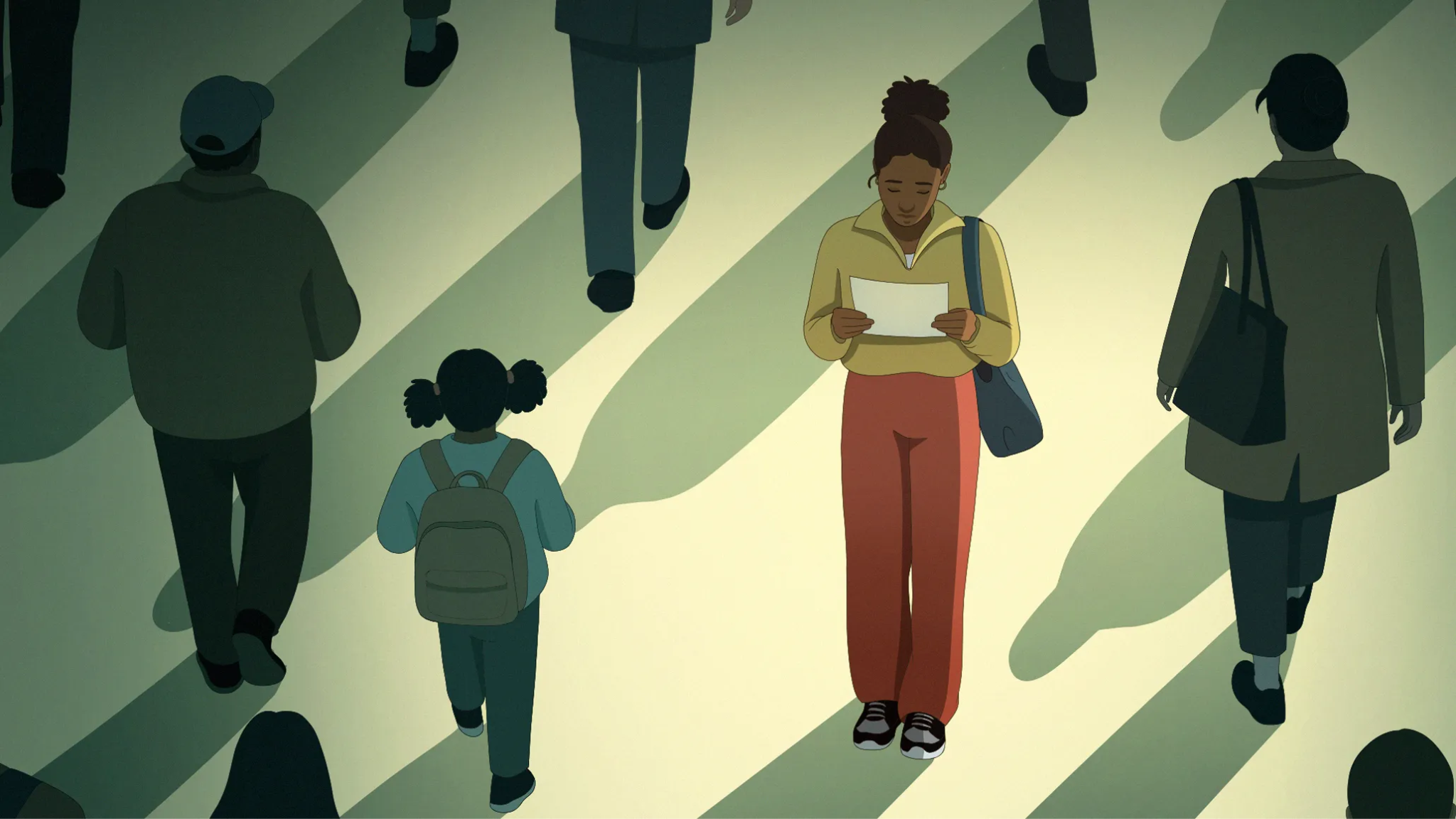
Part of what makes it hard for bystanders to make sense of the A.I. discourse is its fever pitch. It’s hard to swallow the idea that this technology might take your job—or cause your species to go extinct.
Yes. You’re either, like, Oh, well, I don’t believe all that! The claims are just too big. Or you’re in the stages of grief. If so, welcome! That’s where we’ve been. We’ve been through every stage. I’ve been so depressed about A.I. I consider this project a kind of bargaining—doing something with the feelings around it.
How did Dan react to the documentary?
I very much admire his participation, because I think he has the most at stake. Dan is a true believer that A.I. can radically change the world. He’s not cynical. I think lots of people in A.I. are rushing toward what they themselves would call danger, very cynically. The fact that my friend is earnest means that I believe what he’s saying. If he comes to our side, I’d be very happy about that, because I feel like he’s important to what’s going on.
What is your side?
My side is the human side. It’s not anti-A.I., in general. But if the experts are saying, There’s a ten to twenty per cent chance that humans will be gone—that’s a deal-breaker for me. They talk about “keeping a human in the loop.” I don’t see why we should be out of the loop, ever. That’s my side.