Good morning. I think it’s important to acknowledge progress and wins (and of course, the problems too) in government when you see them, no matter your politics.
This week in Washington, three big initiatives landed, and each one has the potential to benefit Americans across party lines.
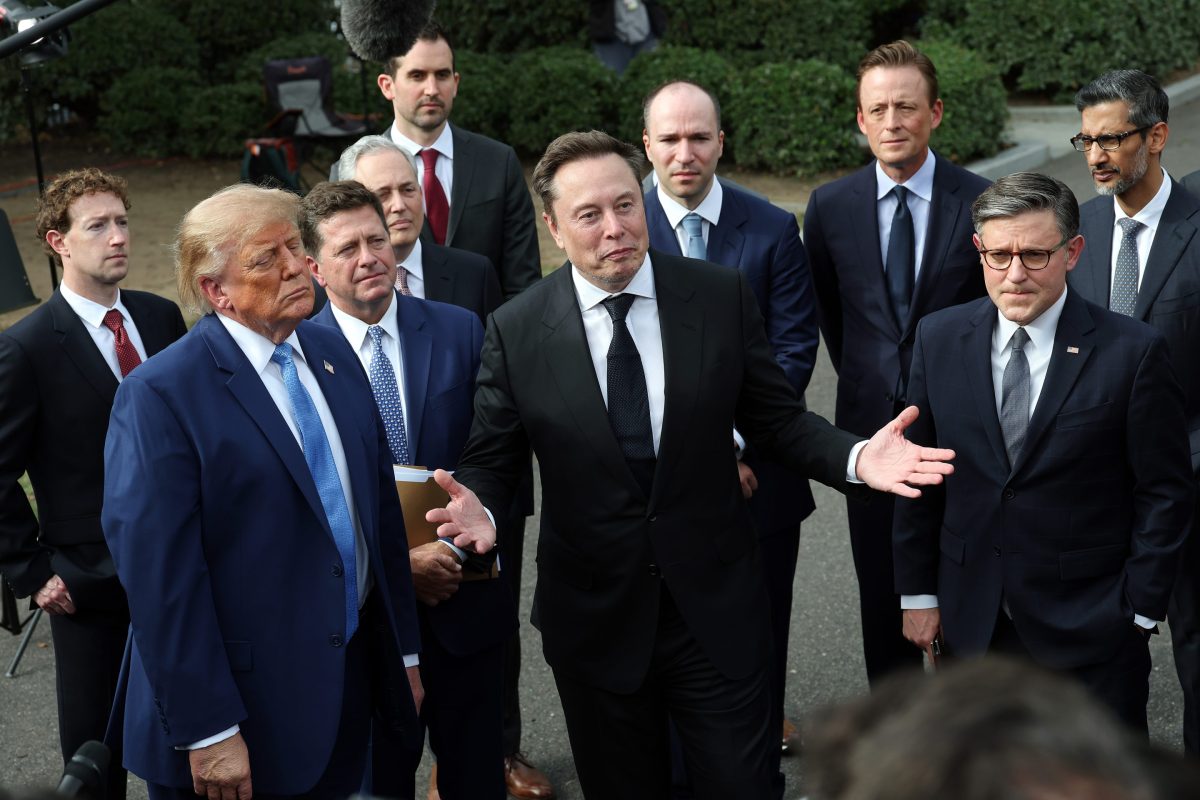
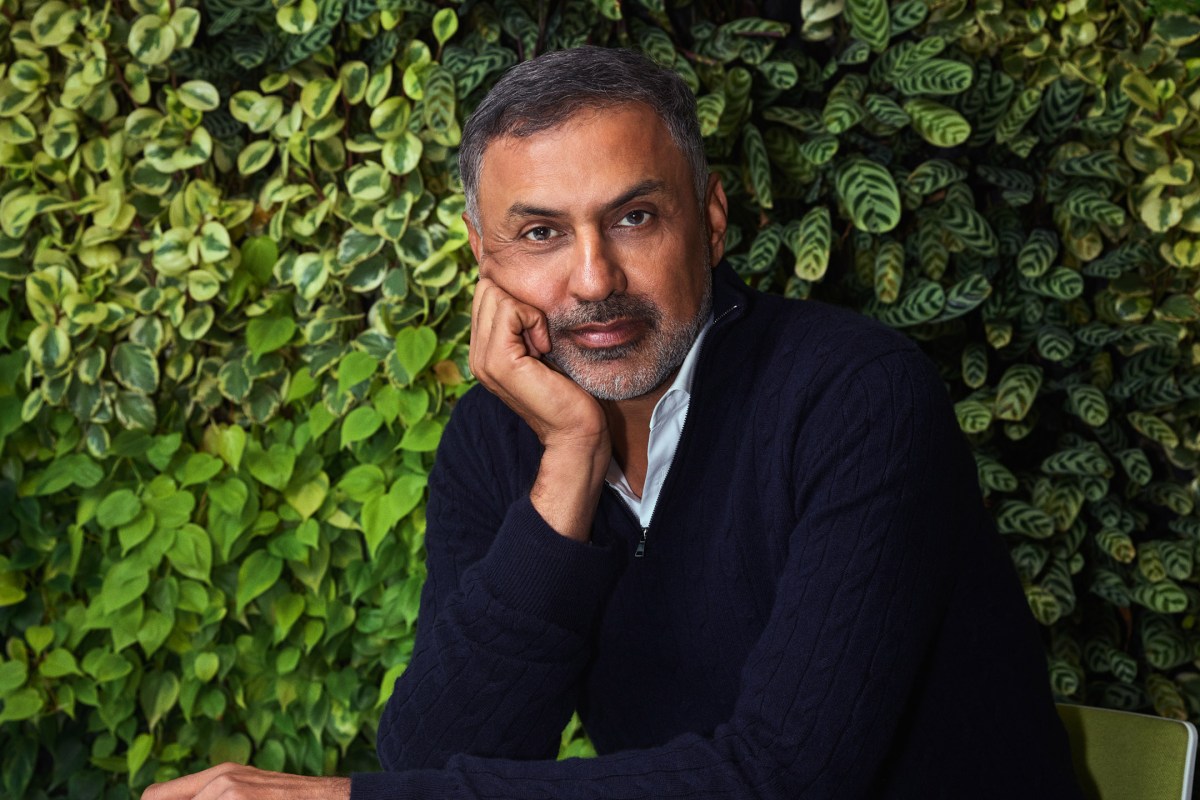
1. An AI safety accord. President Trump got leaders of six of the biggest AI players to sign a voluntary safety pledge, which he called "morally binding." The signers were Alphabet (F500 No. 5) CEO Sundar Pichai, Nvidia (F500 No. 16) CEO Jensen Huang, Meta (F500 No. 17) CEO Mark Zuckerberg, Anthropic CEO Dario Amodei, Tesla (F500 No. 43) and SpaceX CEO Elon Musk, and OpenAI president Greg Brockman. The Joint Commitment on Frontier Responsibilities is by no means a complete safeguard against uncontrollable AI. Critics have pointed to its lack of specificity (the one-page document is basically four bullet points), its lack of enforcement mechanisms, and the notion that the industry itself is setting the rules for an issue that affects all of us. But it’s important to start somewhere, and getting all those competitors to agree on internal controls, independent audits, and board-level oversight is a step in the right direction. The accord notes that the various elements could eventually be codified into laws. You can read up on what was actually agreed to here. And for more on the people working to keep AI in check, read our feature on Palo Alto Networks (F500 No. 437) CEO Nikesh Arora. The former Google executive is who leaders like OpenAI’s Sam Altman turn to for advice as AI-powered threats multiply.
2. America.gov. Airbnb (F500 No. 357) cofounder Joe Gebbia, now the U.S. chief design officer, launched America.gov. It’s a single, easy-to-navigate, AI-powered portal that pulls answers from roughly 29,000 federal, state, and local government websites, many of them clunky and hard to use. Joe believes the government’s digital experience is critically important, since it’s the main way millions of people interact with Washington. He wants it to be awe-inspiring, the way it used to feel to walk into a grand government building. I’ll be talking with Joe about his vision for America.gov at our Fortune 500 Innovation Forum in Detroit this November.
3. Trump Accounts. The Treasury says more than 60 million kids under 18 have now been automatically enrolled in Trump Accounts. That’s essential if the goal is to build wealth for all American families, not just those financially savvy enough to sign their kids up. Some hadn’t signed up when it was voluntary because they don’t like the name which, billionaire investor Bill Ackman told me, is “stupid” (even if the president’s personal branding of government services and institutions is unseemly). For more on how Trump Accounts work, read our assessment here.
Finally, Fortune released its annual Fortune AIQ 75 ranking with ServiceNow (F500 No. 333), which looks at which Fortune 500 companies are getting real, measurable results from AI. On Thursday, we hosted our first AIQ Summit at the New York Stock Exchange to learn from some of the companies on the list. I talked with the people chiefs of HPE (F500 No. 133), Palo Alto Networks (F500 No. 437), and Lennar (F500 No. 135), and they agreed on one thing: AI has officially killed the org chart. Here’s how they’re reimagining departments for the AI era.
Follow Alyson on X, LinkedIn, TikTok, Instagram, and the Titans and Disruptors vodcast.