| | In today’s edition: Saudi-backed forces begin counteroffensive, the missed warnings before the FlyDu͏ ͏ ͏ ͏ ͏ ͏ |
| |  | Gulf |  |
| |
|
 - Fighting back in Yemen
- Pilot vetting failure
- Private jets’ Gulf surge
- Sov funds’ prolific year
- XRG builds LNG map
- Doha’s bling fest
 ‘Arab Views’ podcast debuts with a Saudi warning. |
|
Counteroffensive begins in Yemen |
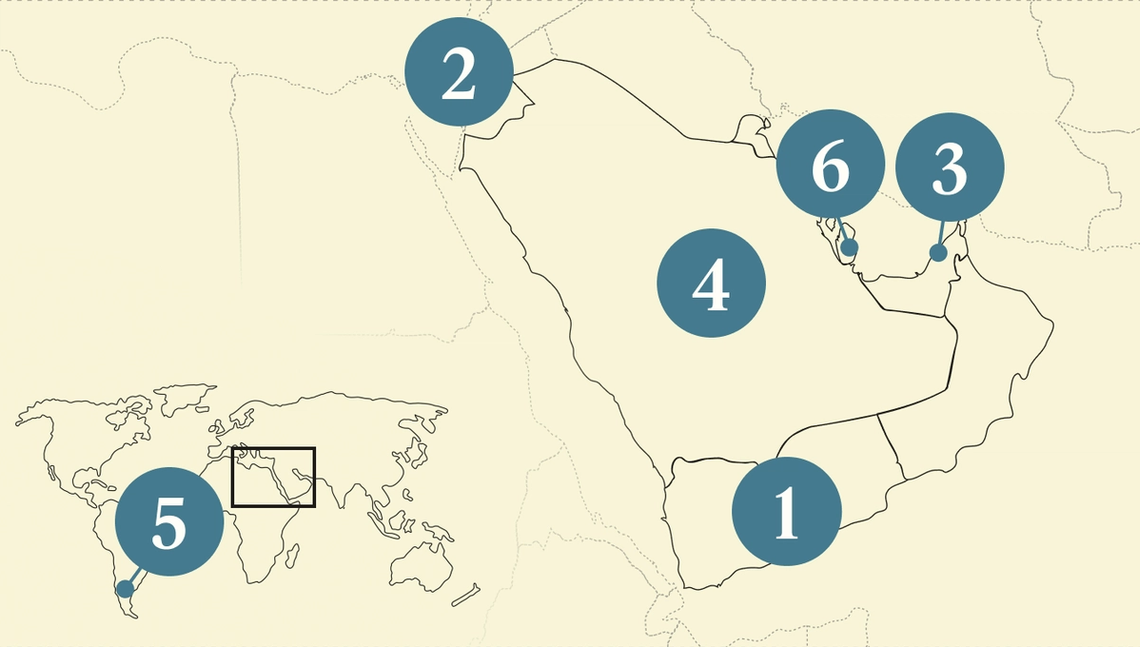
 Ebrahim Al-Suhaibi/Reuters Ebrahim Al-Suhaibi/ReutersSaudi-backed government forces began a major military campaign in Yemen on Sunday to push back Iran-aligned Houthi rebels, who have captured key locations in recent days. The counteroffensive, a hoped-for “zero hour” — or final battle — among some Saudi and Yemeni pundits, could widen the Iran war, now in its eighth month. The US is providing intelligence and military support to the Saudi government from inside the kingdom, as well as aerial refueling for Saudi warplanes conducting defensive air patrols, The New York Times reported. Senior defense and foreign policy officials from Pakistan and Türkiye are gathering with Saudi counterparts in Riyadh today under the Mecca Joint Defence Agreement, as the triumvirate looks to strengthen cooperation. Iranians are struggling under economic strain, according to the country’s top security official, in a rare admission; and the oil minister — with exports halted under US sanctions — resigned over the weekend. Crude exports from Gulf producers exiting the Strait of Hormuz have rebounded to near prewar levels, but Tehran has stepped up strikes on vessels near the waterway. |
|
Warning signs missed before FlyDubai attack |
 Ammar Awad/Reuters Ammar Awad/ReutersBeyond the heroics on the FlyDubai flight to Israel last week, there is a growing realization that a “massive security failure on several fronts” allowed the alleged terrorist into the cockpit, The Wall Street Journal reported. The UAE’s attorney general is investigating the incident as a “terrorist act,” and FlyDubai’s CEO said in a written statement it’s “important that we allow this process to establish the facts.” But the leaks point to catastrophic lapses. Before joining FlyDubai, the attacker, Hamam al-Hammami, an Omani citizen, worked for Oman Air, which grounded him over concerns about his interest in radical ideology and assigned him to a desk job, but didn’t strip him of his pilot’s license, The Journal reported. Israel, which doesn’t have diplomatic relations with Oman, didn’t vet the manifest that FlyDubai sent before the flight. The oversights are particularly striking given Israel and the UAE’s reputation for security: The UAE has detained people for photography and social media posts, while Israel scrutinizes grammar exercises in school textbooks for antisemitism, yet neither picked up on a suicidal pilot flying to Tel Aviv. — Mohammed Sergie |
|
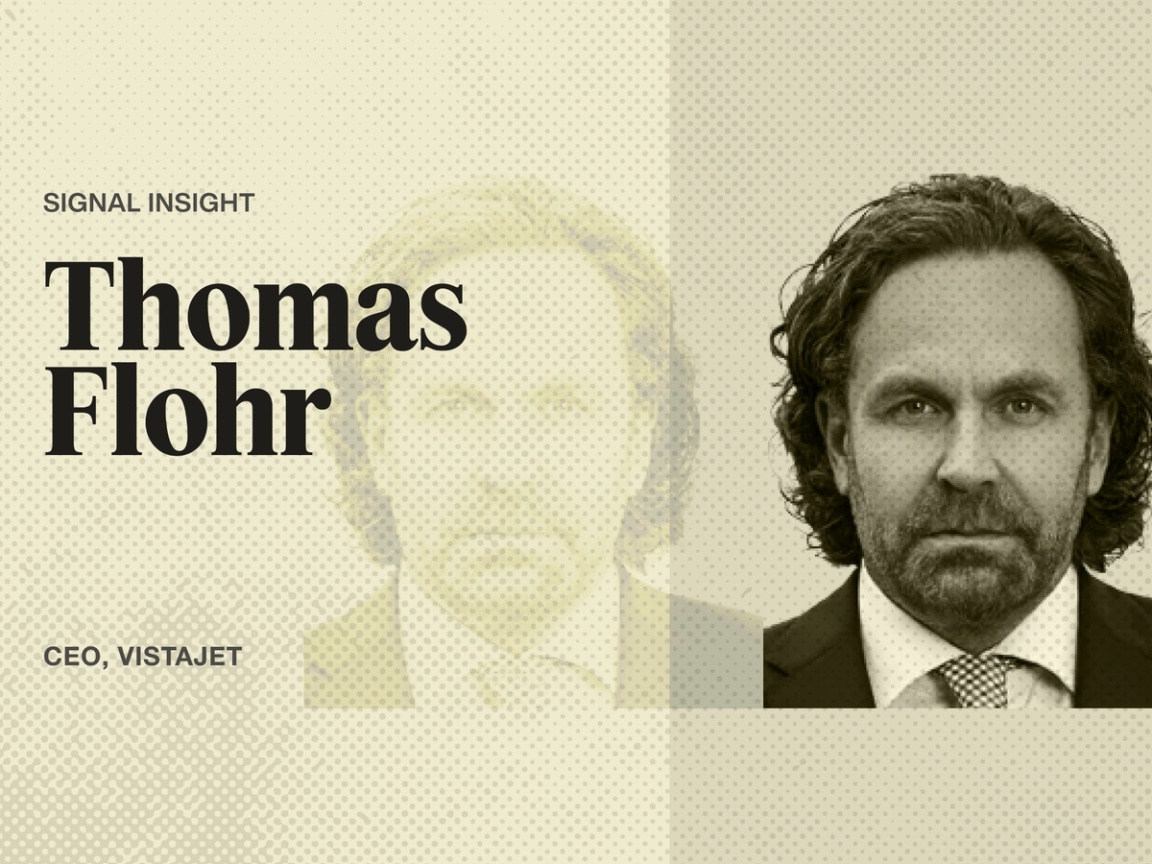 The war has been good for the private jet business. VistaJet, the Dubai-headquartered operator exploring a listing that would value the company at $10 billion, saw flying hours increase by more than 68% in the Middle East in the second quarter compared to a year earlier, founder Thomas Flohr told Semafor’s Andrew Edgecliffe-Johnson. The sector took off in the war’s first days, as security firms ran SUV convoys on the 10-hour drive from Dubai to Riyadh, home to one of the region’s few open airports, where a private flight to Europe cost up to $350,000. “It’s like, for us, nothing changed,” Flohr said of his home base, where his fleet was flying again within six days while airlines spent months rebuilding networks. What fills his planes now is dealmaking: Gulf executives flying to deploy capital in Europe, Asia, and the US. Flohr saw the same boom after COVID-19, when his company’s revenue and fleet tripled in five years. The interview first appeared in The CEO Signal, Semafor’s briefing for global executives. Request an invitation. → |
|
|
Gulf sovereign funds unfazed |
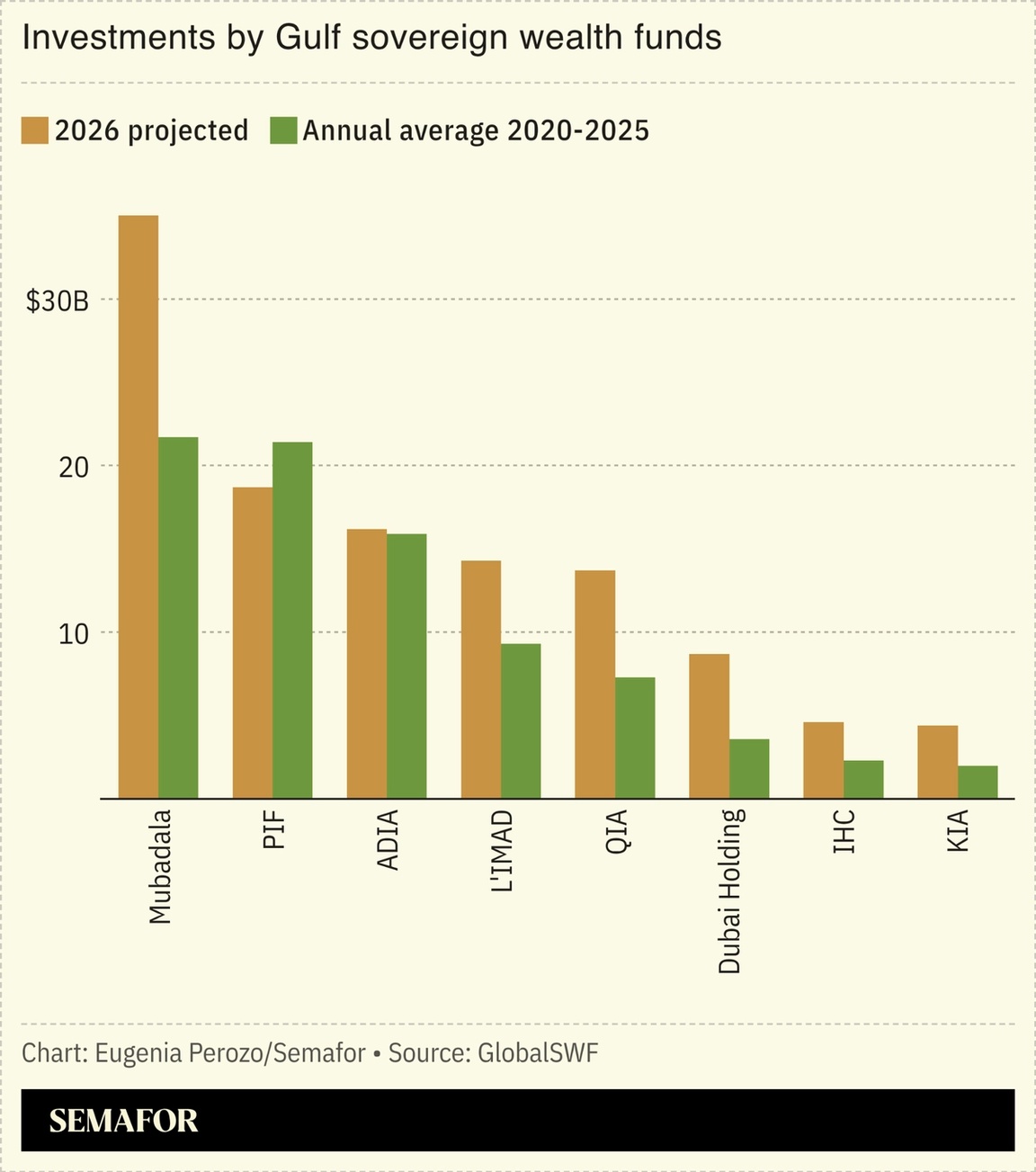 Gulf sovereign wealth funds are on track for one of their most active years of dealmaking ever, even as war disrupts businesses and economic growth. Regional funds are forecast to invest $136 billion by year-end, making 2026 their second-busiest on record, according to consultancy Global SWF. Abu Dhabi’s Mubadala leads with $26.2 billion invested so far this year. Nearly half of Gulf sovereign fund investment went to the US, showing that American assets remain attractive despite the debate about the future of Gulf states’ relationship with their main strategic ally. Gulf funds are major backers of the $110 billion takeover of Warner Bros. Kuwait’s and Qatar’s funds may also be called on to transfer money to their government budgets to help prop up state finances, hit by the decline in oil exports through the Strait of Hormuz, Global SWF said. That won’t stop the funds from expanding rapidly in coming years, with Gulf funds set to control $8.8 trillion by 2030, up from $6.1 trillion. — Matthew Martin
|
|
XRG bullish on Argentina LNG |
 SultanAlJaber/X SultanAlJaber/XAbu Dhabi’s XRG is backing Argentina’s bid to become a major liquefied natural gas exporter. ADNOC’s international arm agreed in June to take a 32% stake in three Argentine gas blocks. They will feed the country’s first LNG export terminal, designed to produce 12 million tons a year in its initial phase. “No country or company secures its energy future alone,” Executive Chairman Sultan Al Jaber said in Paris last week. At a time when exports from their home markets have been severely constrained, such international investments are only increasing in importance, helping Gulf producers meet customer demand and benefit from higher prices. This year, QatarEnergy took a stake in Golden Pass LNG in Texas, Saudi Aramco acquired an interest in the nearby Port Arthur LNG terminal, and XRG has bought into LNG projects in Texas and Mozambique. |
|
Qatar’s luxury buyers shrug off war |
 Mohammed Sergie/Semafor Mohammed Sergie/SemaforMany Gulf events have been postponed or canceled because of the war, but Qatar’s annual bonanza of bling was lively last week. More than 34,000 people attended the six-day Doha Jewellery & Watches Exhibition, and many — unlike this reporter — weren’t lookie-loos. Doha’s exhibition center was transformed into a gallery of coveted gems and timepieces, with the cars at the valet reflecting the wealth of the clientele inside. Shoppers were reluctant to talk, but several said they attend every year because exhibitors (there were more than 50 representing 500 brands) bring in inventory that isn’t usually available in Qatar. One jeweler said sales in a single week were like Valentine’s Day, Mother’s Day, and Christmas all rolled into one. For those seeking iced-out Pateks, or more modest trappings, the exhibition returns in late April. — Mohammed Sergie |
|
 Behind closed doors, a new era of healthcare policy is taking shape. From AI and access to care, to the race for new drugs and China’s growing role in global medicine, the forces remaking healthcare are accelerating, with implications for healthcare systems worldwide. Introducing Semafor Healthcare, your weekly read on the politics, policy, and business driving healthcare. Delivered weekly from David Lim, Semafor Healthcare will deliver the analysis and reporting leaders need to understand the forces reshaping healthcare, and what comes next. Subscribe for free. |
|
 AI- Saudi Arabia has allocated about 14 gigawatts of power to a Riyadh site where HUMAIN, the AI company owned by the Public Investment Fund, is building data centers. The company has signed agreements with Amazon and is working on a joint project with AMD. — Asharq Al-Awsat
Commodities- Much of the estimated $24 billion to $35 billion in gold smuggled annually from Africa reportedly passes through the UAE, which imported $99 billion of African gold in 2025. More than half of that was exported to Switzerland last year. A UAE official said the country’s regulatory framework for shipments from “conflict-affected” areas meets or exceeds the standards of major global economies. — Bloomberg
- In his first public speech since the US-Iran war began, Saudi Aramco’s CEO Amin Nasser said oil stockpiles have declined by almost 3 billion barrels and will take two years to be replenished. Nasser said in London that data like “satellite imagery and shipping logs” is being used to target “infrastructure and tankers.” — Financial Times
Finance- Lending to Saudi state-owned companies rose 18.4% year on year in August, three times the pace of private-sector credit growth, according to central bank data. — EnterpriseAM
|
|
|


