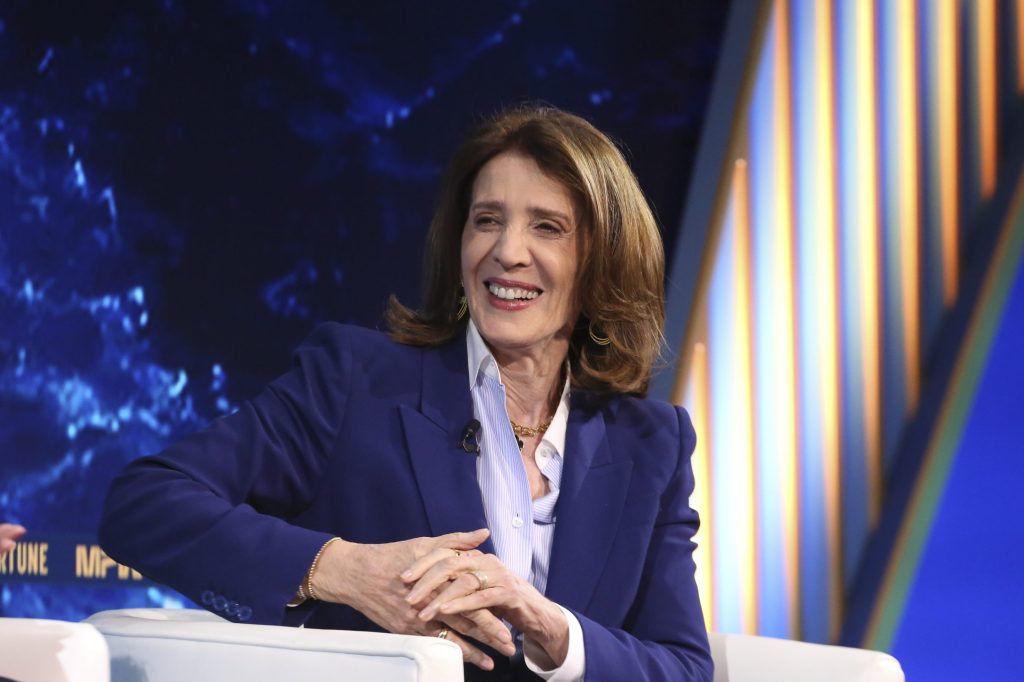
Google’s Ruth Porat survived cancer twice. She sees AI as a way to expand access to care
“If anyone's going through it now, my heart is with you,” Porat said at the MPW Summit Monday.
 ͏  ͏  ͏  ͏  ͏  ͏  ͏  ͏  ͏  ͏  ͏  ͏  ͏  ͏  ͏  ͏  ͏  ͏  ͏  ͏  ͏  ͏  ͏  ͏  ͏  ͏  ͏  ͏  ͏  ͏  ͏  ͏  ͏  ͏  ͏  ͏  ͏  ͏  ͏  ͏  ͏  ͏  ͏  ͏  ͏  ͏  ͏  ͏  ͏  ͏  ͏  ͏  ͏  ͏  ͏  ͏  ͏  ͏  ͏  ͏  ͏  ͏  ͏  ͏  ͏  ͏  ͏  ͏  ͏  ͏  ͏  ͏  ͏  ͏  ͏  ͏  ͏  ͏  ͏  ͏  ͏  ͏  ͏  ͏  ͏  ͏  ͏  ͏  ͏  ͏  ͏  ͏  ͏  ͏  ͏  ͏  ͏  ͏  ͏  ͏  ͏  ͏  ͏  ͏  ͏  ͏  ͏  ͏  ͏  ͏  ͏  ͏  ͏  ͏  ͏  ͏  ͏  ͏  ͏  ͏  ͏  ͏  ͏  ͏  ͏  ͏  ͏  ͏  ͏  ͏  ͏  ͏  ͏  ͏  ͏  ͏  ͏  ͏ ­ ­ ­ ­ ­ ­ ­ ­ ­ ­ ­ ­ ­ ­ ­ ­ ­ ­ ­ ­ ­ ­ ­ ­ ­ ­ ­ ­ ­ ­ ­ ­ ­ ­ ­ ­ ­ ­ ­ ­ ­ ­ ­ ­ ­ ­ ­ ­ ­ ­ ­ ­ ­ ­ ­ ­ ­ ­ ­ ­ ­ ­ ­ ­ ­ ­ ­ ­ ­ ­ ­ ­ ­ ­ ­ ­ ­ ­ ­ ­ ­ ­ ­ ­ ­ ­ ­ ­ ­ ­ ­ ­ ­ ­ ­ ­ ­ ­ ­ ­ ­ ­ ­ ­ ­ ­ ­ ­ ­ ­ ­ ­ ­ ­ ­ ­ ­ ­ ­ ­ ­ ­ ­ ­ ­ ­ ­ ­ ­ ­ ­ ­ ­ ­ ­ ­ ­ ­  

Tuesday, October 13, 2026
Google’s Ruth Porat survived cancer twice. She sees AI as a way to expand access to care
Good morning! Sydney Lake, associate editor for news and audience growth, filling in here today for Emma as she's leading our Most Powerful Women Summit in sunny California.
Ruth Porat speaks at Fortune's Most Powerful Women Summit on Oct. 12.
Rebecca Greenfield for Fortune
Yesterday, the 2026 Most Powerful Women Summit started off strong with a tribute to the late, great Gloria Steinem. As guests arrived in Santa Barbara, Calif., they were invited to join “talking circles,” in honor of the ones the activist would host in her own living room to debate the issues of the day. 

Steinem, who died in September at 92, like 1 in 8 women in the U.S., was diagnosed with breast cancer in 1986. Later in the day, we heard from another woman who knows that fight firsthand: Ruth Porat, Alphabet’s president and chief investment officer, who was diagnosed with breast cancer in 2001 and again in 2004, while she was at Morgan Stanley. While much of her conversation was focused on Google’s $200 billion AI buildout (more on that here), Porat closed on a far more personal note.

The first time she spoke at Fortune’s Most Powerful Women Summit, she told the audience, she had just been through cancer for the second time. 

“If anyone’s going through it now, my heart is with you,” Porat said. “The unknown is a scary part of it.”

Two decades later, what Porat finds “so distressing” is how uneven the survival rate in America for treatable cancers is. For example, Black women are about 38% more likely to die of breast cancer than white women, despite being slightly less likely to be diagnosed with it, according to the American Cancer Society. Porat also said survival rates can vary from zip code to zip code.

When she arrived at Google and began seeing its health research, she asked her oncologist how much it mattered. His answer, she said: “The only way to democratize health care is with AI,” because it can give doctors everywhere the insight they need for early detection and treatment decisions. Porat pointed to Google’s work on early detection of breast and lung cancer. 

“Early detection is a gift,” she said. “It is the gift of time that can actually make such an impact on survival rates.” Google’s AI model reads mammograms more accurately than radiologists, cutting false negatives by 9.4 percentage points in the U.S. and 2.7 points in the U.K., according to a 2020 study. 

Porat also highlighted a screening effort in the Global South for diabetic retinopathy, a diabetes complication that can cause blindness if it isn’t caught early. Google and local partners have completed about 1 million scans so far, she said, with a goal of more than 6 million.

To be sure, she sees the real anxiety people have about AI’s impact on the world, but that she believes the rewards outweigh the challenges.

“We must marshal every ounce of energy we have to deal with the governance around all elements that you’ve raised: financial risk, the model risk, the build-out risk,” she said, “because the upside potential…is astounding.”

Sydney Lake
sydney.lake@fortune.com

The Most Powerful Women Daily newsletter is Fortune’s daily briefing for and about the women leading the business world.

Were you forwarded MPW Daily? Sign up here.

ALSO IN THE HEADLINES
Bumble may be swiping left on public markets. The dating app company founded by Whitney Wolfe Herd is reportedly in advanced talks to be taken private by Ithaca Holdings, a newly formed, Sequoia-backed firm, at a roughly $1 billion valuation. A deal could come as soon as this week. It’s the latest twist for Wolfe Herd, who recently scrapped Bumble’s signature “women make the first move” feature.

McKinsey demotes partner over glass cliff comments. The consulting giant removed Chris Bradley, one of the directors of its business and economic research arm, from his leadership positions after LinkedIn posts calling the glass cliff “a very convenient way to always be a victim in the rain.” He remains a senior partner at a firm that has co-published “Women in the Workplace” with Sheryl Sandberg’s Lean In advocacy group since 2015.

‘Money isn’t in Medicaid.’ Centene CEO Sarah London spoke yesterday at Fortune’s Most Powerful Women Summit about how the latest innovations in health care typically don’t get routed to the sickest patients, but rather the people with the deepest pockets. London, who helms the $33 billion health care company, said AI offers a huge opportunity to change the way people seek and get medical care. 

Kimberly Guilfoyle is asked to step down. The White House has called on the U.S. ambassador to Greece to resign, after the Wall Street Journal reported that she allegedly solicited $100,000 from a Trump donor before her 2025 confirmation hearing. Guilfoyle was an advisor and led the fundraising division for President Donald Trump’s 2020 presidential campaign.