Policy changes, but facts endure. AP delivers accurate, fact-based journalism to keep the world informed in every administration. Support independent reporting today. Donate. |
|
|
By Holly Meyer and David Crary |
| |
|
By Holly Meyer and David Crary |
| |
|
Greetings, World of Faith readers. This week, we tell you more about why Pope Leo summoned all cardinals to Rome, how U.S. faith leaders are supporting the anxious Venezuelans in their pews, and what’s next for controversial settlement construction in the West Bank. |
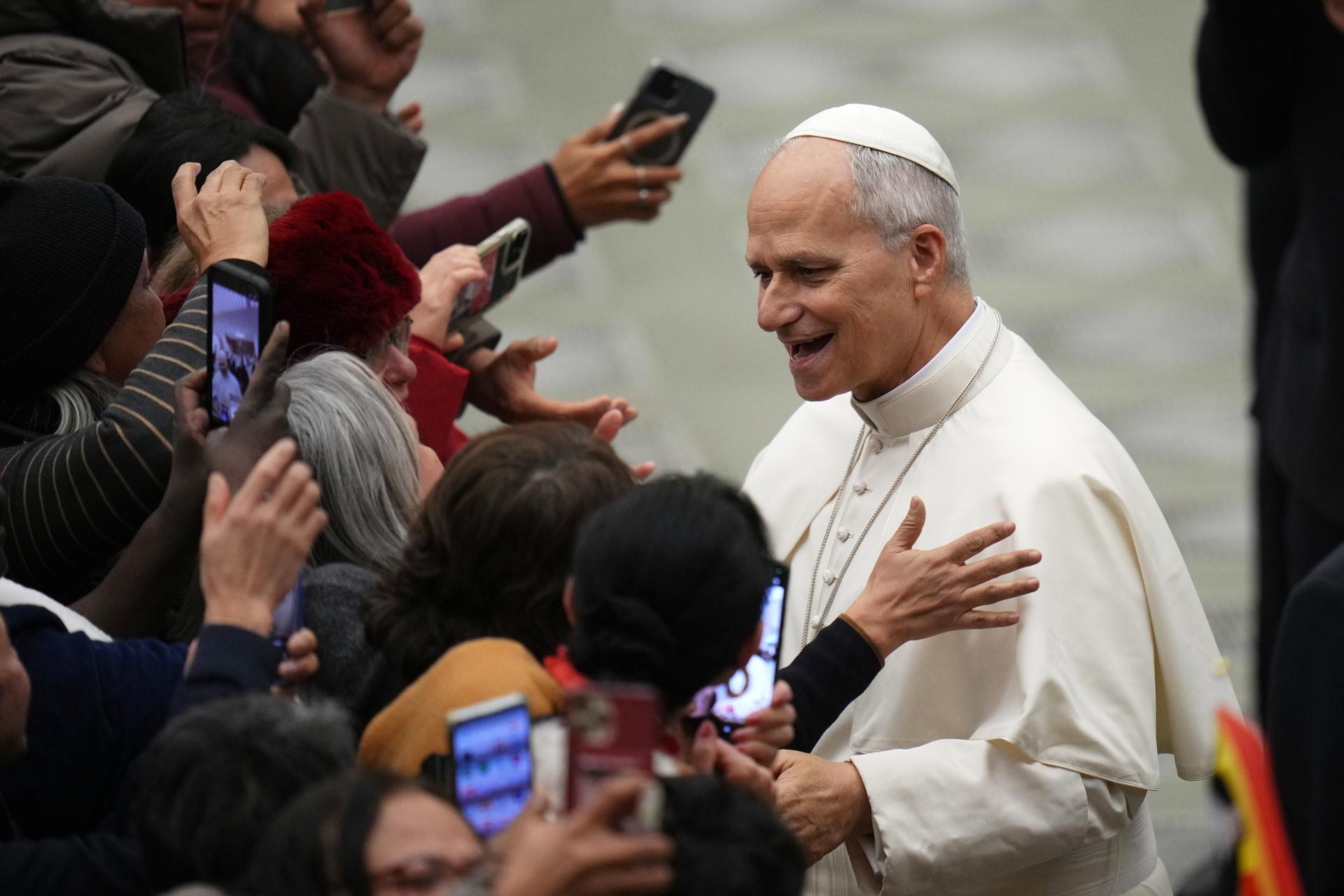
Pope Leo XIV meets some of the faithful at the end of his weekly general audience in the Paul VI Hall at the Vatican. (AP Photo/Alessandra Tarantino) |
Pope indicates new governing style for Catholic Church with regular, annual cardinal meetings |
Pope Leo XIV says he intends to bring the world’s Catholic cardinals together annually, indicating a new governing style for the church that cardinals welcomed as a chance to get to know themselves and the pope better. At the end of his first consistory, as such meetings are called, Leo asked cardinals to return to Rome for a second session at the end of June and from then onward on an annual basis for three to four days each year. Read more.
|
|
|
-
Pope Francis had largely eschewed consistories and the College of Cardinals as a whole to help him govern. Instead, Francis had a hand-picked group of nine cardinals who met every few months at the Vatican to advise him.
-
Before the May conclave that elected Leo, some of the 245 cardinals complained about Francis’ go-it-alone governing style and called for the new pope to convene regular consistories so the cardinals could collectively advise him on pressing issues facing the church.
-
Leo made clear he heard their complaints. He convened his first consistory the day after he closed out the 2025 Holy Year, which in some ways signaled the start of his pontificate after he wrapped up Francis' Jubilee obligations.
|
|
|
US Christian leaders minister to an anxious diaspora with Venezuela's future in flux |
Faith leaders are urging prayers for peace following the U.S. capture of former Venezuelan President Nicolás Maduro. In Venezuela, Catholic and evangelical leaders are appealing for calm, while many in the diaspora welcome the change. Read more. |
|
|
About 8 million people have fled Venezuela since 2014, settling first in neighboring countries in Latin America and the Caribbean. After the COVID-19 pandemic, they increasingly set their sights on the United States, with many settling in South Florida.
-
The Catholic archbishop of Miami, who ministers to the largest Venezuelan community in the U.S., says there is anxiety about what comes next, but he believes the church has a key role to play in helping the Catholic-majority country move forward.
-
Miami Archbishop Thomas Wenski noted that the Trump administration has ended federal programs allowing more than 700,000 Venezuelans to live and work legally in the U.S. He said many of them are wary of returning home, given the current political uncertainty in Venezuela.
|
|
|
Israel advances toward settlement construction that would cut West Bank in two |
Israel has cleared the final hurdle before starting construction on a controversial settlement project near Jerusalem that would effectively cut the West Bank in two. A tender, which is seeking bids from developers, would clear the way to begin construction of the E1 project. Read more.
|
|
|
-
The anti-settlement monitoring group Peace Now first reported the tender. Yoni Mizrahi, who runs the group’s settlement watch division, said initial work could begin within the month.
-
Settlement development in E1, an open tract of land east of Jerusalem, has been under consideration for more than two decades, but was frozen due to U.S. pressure during previous administrations.
- The international community overwhelmingly considers Israeli settlement construction in the West Bank to be illegal and an obstacle to peace.
|
|
|
|