CES 2026 felt like the year AI stopped being a buzzword and became an integral part of everything. Across keynote stages and booth floors in Las Vegas, companies from big legacy brands to bold startups made it clear: AI isn't something cool you slap on a box anymore — it's baked into the software and the hardware that powers our gadgets and homes.
.
In the consumer tech and everyday gadgets aisles, the show was an eclectic mix of practical upgrades and wild ideas. Ultra-bright RGB MiniLED TVs and rollable/twistable laptop displays grabbed attention, but so did AI companions like
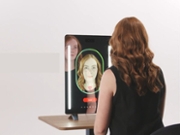
Razer's Project AVA, a 3D holographic assistant that handles scheduling and chats, and
interactive "smart bricks" from LEGO that react to play in real-time. Wearables have also become smarter, with smart rings and glasses using AI for tasks such as recording voice thoughts or providing real-time translation.
Smart homes got even smarter. This year was less about separate smart bulbs or thermostats and more about devices learning your routines and adapting to you. Samsung, for example, emphasized open ecosystems where refrigerators, ovens and HVAC systems coordinate through AI. Smart washers, vacuums and robots showcased truly connected living spaces — and not just in slick demos but with a clear eye toward consumers. Robots like
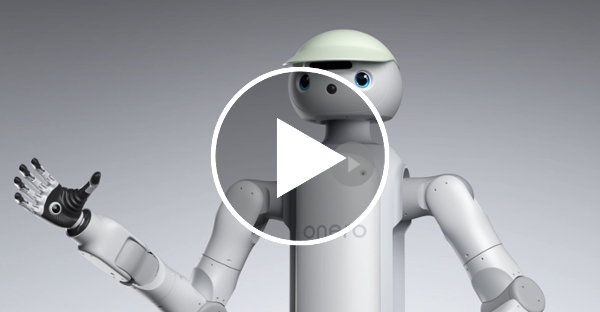
Switchbot's Onero H1 did the laundry and cooked dinner, hinting at a Jetsons-like future where humanoid robots become part of your family.
On the automotive and mobility front, AI was everywhere — not just in self-driving claims but in redefining what a car feels like.
Vehicles and mobility concepts from major players leaned into AI to make cabins more context-aware and proactive, delivering personalized content, safety notifications and even emotional recognition features. There were also live demos of humanoid robots and autonomous shuttles. The overall vibe wasn't just "cars that drive themselves" but "cars that understand you."
At heart, CES 2026 felt like the moment AI settled into being normal. Instead of endless hype loops about what might happen someday, this year's announcements showed AI doing real work in real gadgets you might actually buy — from smart home robots and advanced TVs to cars that adapt to passengers. It was equal parts "wow that's cool" and "huh, my toaster is watching me now," and you had a sense that the tech we've been dreaming about for years is finally starting to show up in our daily lives. Read on to get a glimpse into our future.