March 27, 2026

Image

Better health begins with ideas


Editors’ Note

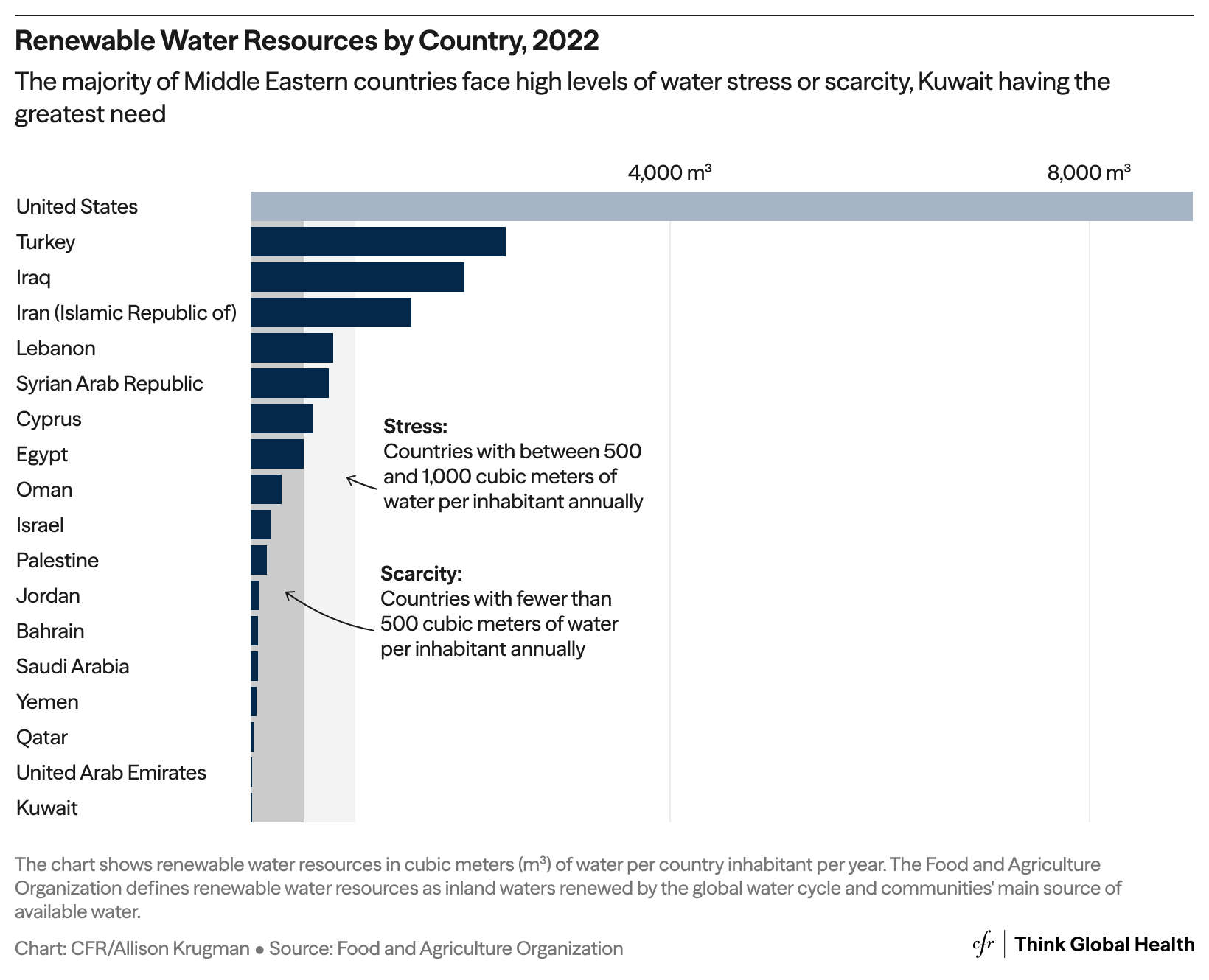
As the Iran war nears the one-month mark, essential infrastructure sits in the crosshairs. Early in the conflict, Iran and the U.S.-Israel coalition faced allegations of strikes against desalination plants, which remove salt and minerals from seawater to make it potable. Verbal threats against those facilities continue, and future attacks could create a humanitarian calamity that violates international law. The Middle East, home to 6% of the world’s population but less than 2% of renewable freshwater, has relied on desalination since the mid-twentieth century. 


To unpack the potential severity of attacks against the Arabian Gulf’s water resources, TGH Research Associate Alejandra Martinez speaks with Youssef Brouziyne, the International Water Management Institute’s Middle East and North Africa representative. They discuss the history of the region’s desalination plants and how increased water stress could lead to disease outbreaks and forced migration.  


On February 28, the day the first strikes hit Iran, Israel shut down crossings to the Gaza Strip. As of March 19, only one—Kerem Shalom—remains open. With a relapse of famine looming, CFR’s Mariel Ferragamo interviews humanitarian workers in Gaza to understand how Palestinians are navigating persistent attacks, a lack of food, and battered infrastructure.   


Next, MedGlobal’s Lebanon Country Director Tania Baban describes how humanitarian workers and communities are stepping up to respond to the renewed conflict in a country already weakened by years of economic crisis and political instability.  


Amid the America First Global Health Strategy’s push toward government-to-government health financing, CFR Senior Fellow Prashant Yadav explains how, by strengthening multilane procurement channels, donors can streamline regulatory pathways for healthy products, improve competition between manufacturers, and lower drug prices. 


Tuesday, March 24, marked World Tuberculosis (TB) Day. To commemorate the occasion, Madhukar Pai, director of McGill University’s International TB Center, outlines how a new World Health Organization policy that supports portable testing could close surveillance gaps in high burden countries and sustain progress against the disease even as global health funding retracts.  


Until next week!—Nsikan Akpan, Managing Editor, and Caroline Kantis, Associate Editor 


This Week’s Highlights


POVERTY

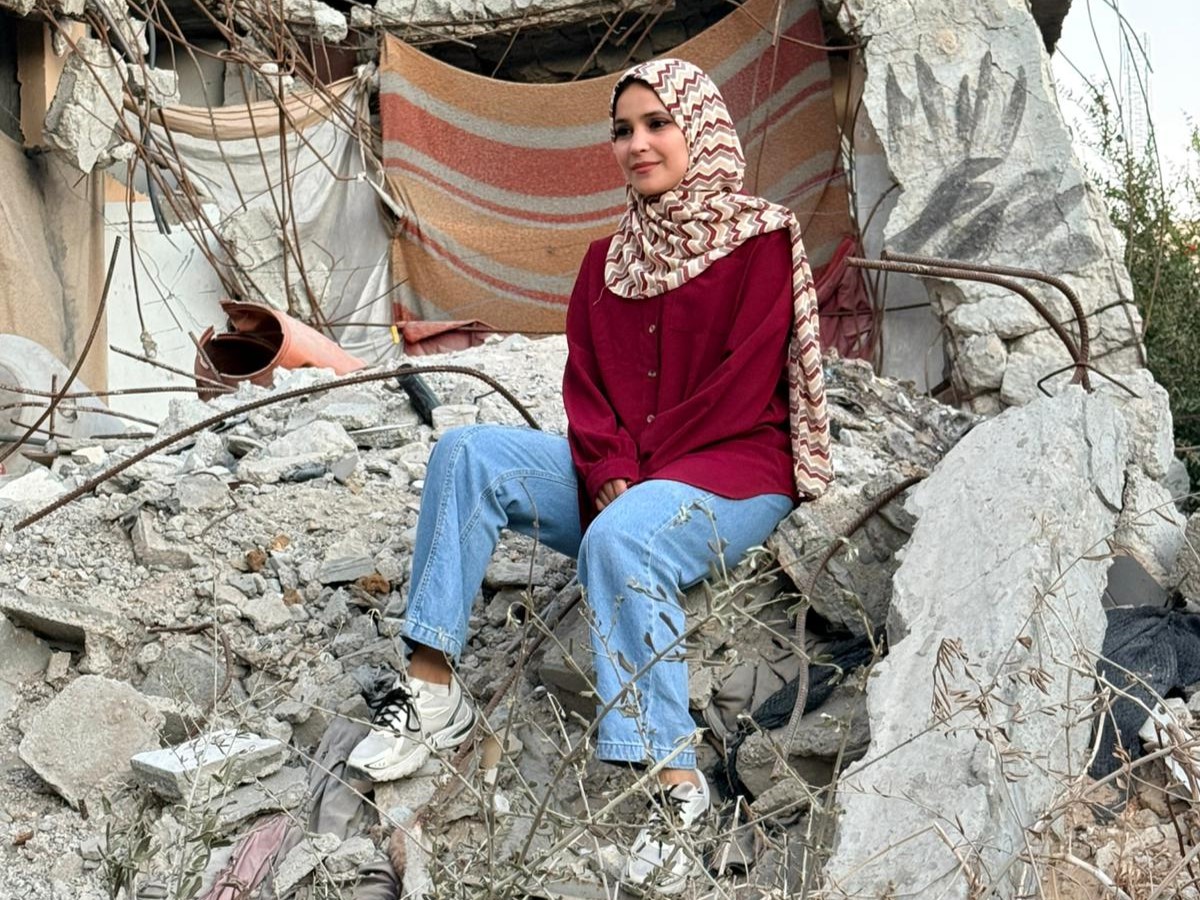
Project HOPE Gaza Human Resources Coordinator Nouralhuda Abu Gefra sits in the rubble of her partially damaged house in Gaza, on October 14, 2025.

“We’ve Been in Famine for Months”: Life in Post-Ceasefire Gaza 

by Mariel Ferragamo

In the midst of the Iran war and new closures of Gaza’s border crossings, Palestinians have resumed a desperate search for food and medical aid 


Read this story


MIGRATION

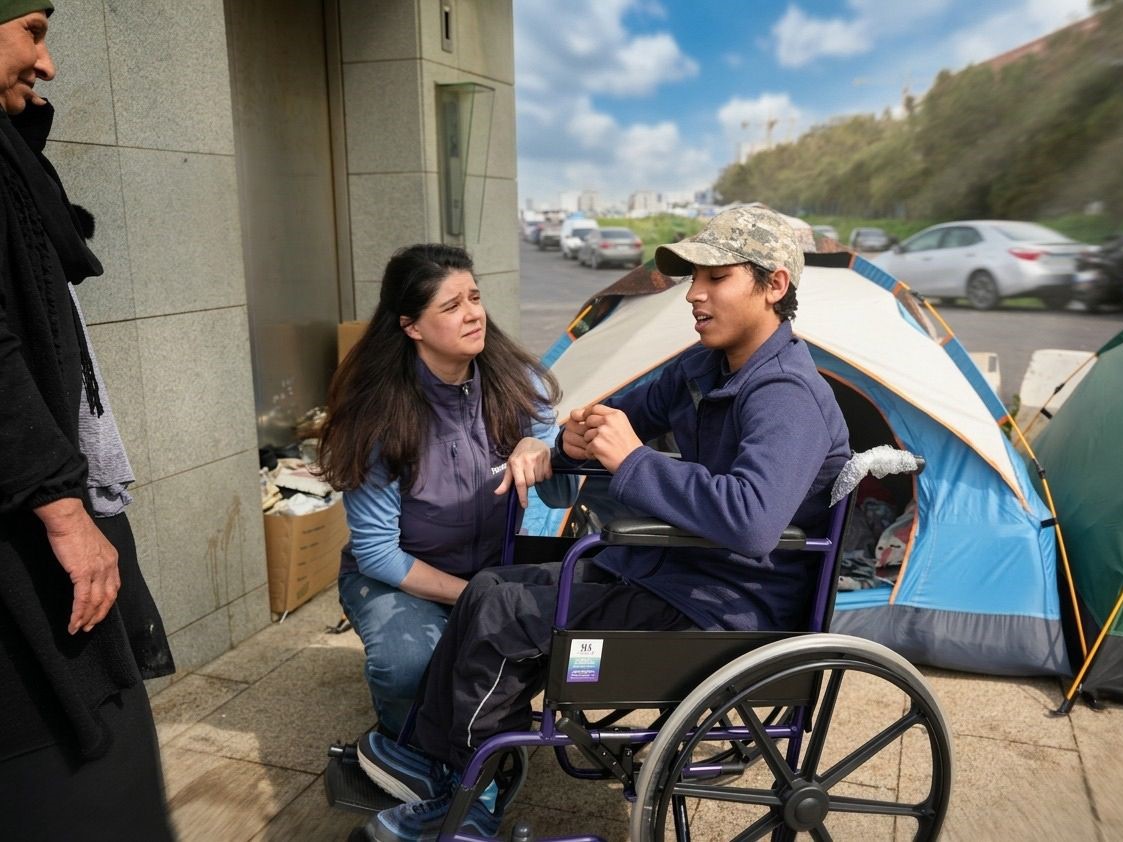
MedGlobal teams provide urgent support to internally displaced persons, in Beirut, Lebanon, on March 16, 2026.

Darkness and Courage: A Humanitarian in Lebanon Details the War Escalation 

by Tania Baban

MedGlobal’s Lebanon country director describes how communities are stepping in during the fresh conflict 


Read this story


Figure of the Week


A bar chart showing renewable water resources across Middle East countries

Read this story


Recommended Features


TRADE

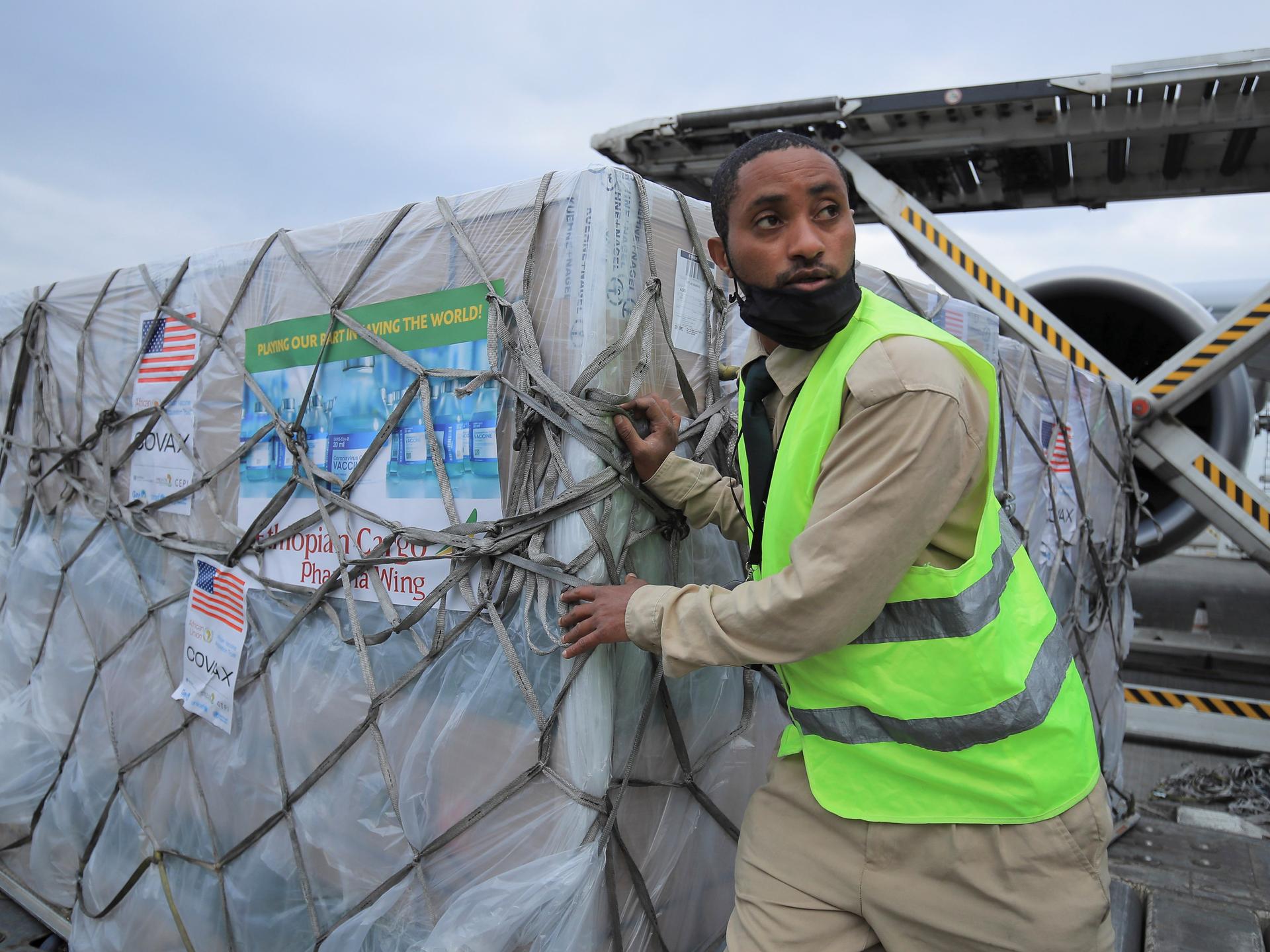
An Ethiopian Cargo terminal worker offloads a shipment of Johnson & Johnson's COVID-19 vaccines that arrived under the COVAX scheme, at the Bole International Airport, in Addis Ababa, Ethiopia, on July 19, 2021.

Multilane Procurement Amid the America First Health Agenda 

by Prashant Yadav

Health procurement in low- and middle-income countries will remain unavoidably multilane—and donors should build around that reality 


Read this story


GOVERNANCE

A man is treated for tuberculosis, at the Muniz public hospital, in Buenos Aires, Argentina, on January 11, 2019.

Sustaining Tuberculosis Innovations to Counter Foreign Aid Cuts   

by Madhukar Pai

A new World Health Organization policy allows for portable TB testing, which could help close massive gaps in disease surveillance 


Read this story


What We’re Reading

Trump Needs a Humanitarian Plan for Iran and the Middle East—Before It’s Too Late (CFR)


The World Just Lived Through the 11 Hottest Years on Record—What Now? (Nature)


U.S. State Department Forms New Humanitarian Bureau After Foreign Aid Overhaul (Reuters)


Inside the Turmoil at Robert F. Kennedy Jr.’s CDC (New York Times)


Cuba Sends Doctors on Medical Missions. The U.S. Isn’t a Fan (NPR)


“Climate Refugees” Do Not Exist as a Concept—But Countries Are Testing New Approaches to Offer Protection (Migration Climate Institute)


Interested in submitting?

Review our Submission Guidelines

Image
Twitter Bluesky

An initiative from the Council on Foreign Relations

58 East 68th Street — New York, NY 10065

Unsubscribe

View in Browser

Manage Your CFR Email Preferences