A fresh take on culture, fashion, cities and the way we live – from the desks of Monocle’s editors and bureaux chiefs.
|
Saturday 28/3/26
|

|
|
London
Paris
Zürich
Milan
Bangkok
Tokyo
Toronto
|
|
|
|

stepping out
We’re starting on a sartorial note this week by paying a visit to the Bangkok boutique that’s championing emerging labels. Then we consider the cultural releases for the month ahead, take flight with some furry companions and spruce up our spring wardrobe. Plus: The Monocle Concierge shows us London beyond the tourist traps. First in and best dressed is our editor in chief, Andrew Tuck.
|
|
Not everything has to be perfect – luxury is seeing the hand behind the artistry
By Andrew Tuck
|

|
Since the first issue of Monocle we’ve been arguing that nations need to hold on to their manufacturing skills. We’ve promoted the value of craft and preached that learning a trade is as valuable as studying for an academic degree. As we edge ever closer to our 20th anniversary, these ideas seem more pertinent than ever.
In that very first outing of Monocle, the March issue of 2007, our Americas bureau chief Ann Marie Gardner headed to the town of Berlin, Wisconsin, to visit shoemaker Russell Moccasin, a company that was thriving while other footwear producers across the US shuttered because of outsourcing to China. Russell Moccasin, which had become a hit in Japan, also remained strong by embracing its niche and not competing on price.
If you want to know how the company is faring, visit its website. The first thing that flashes up is a warning that, due to the high demand, it has paused orders on its Premier Build boots. For more than 125 years this company has stayed relevant by sticking to its guns, as it says on its site, “from our small town of Berlin, Wisconsin, we serve new generations of Russell customers, each lacing up to make their own mark.” How do we bottle more of this spirit? Because we are going to need it.
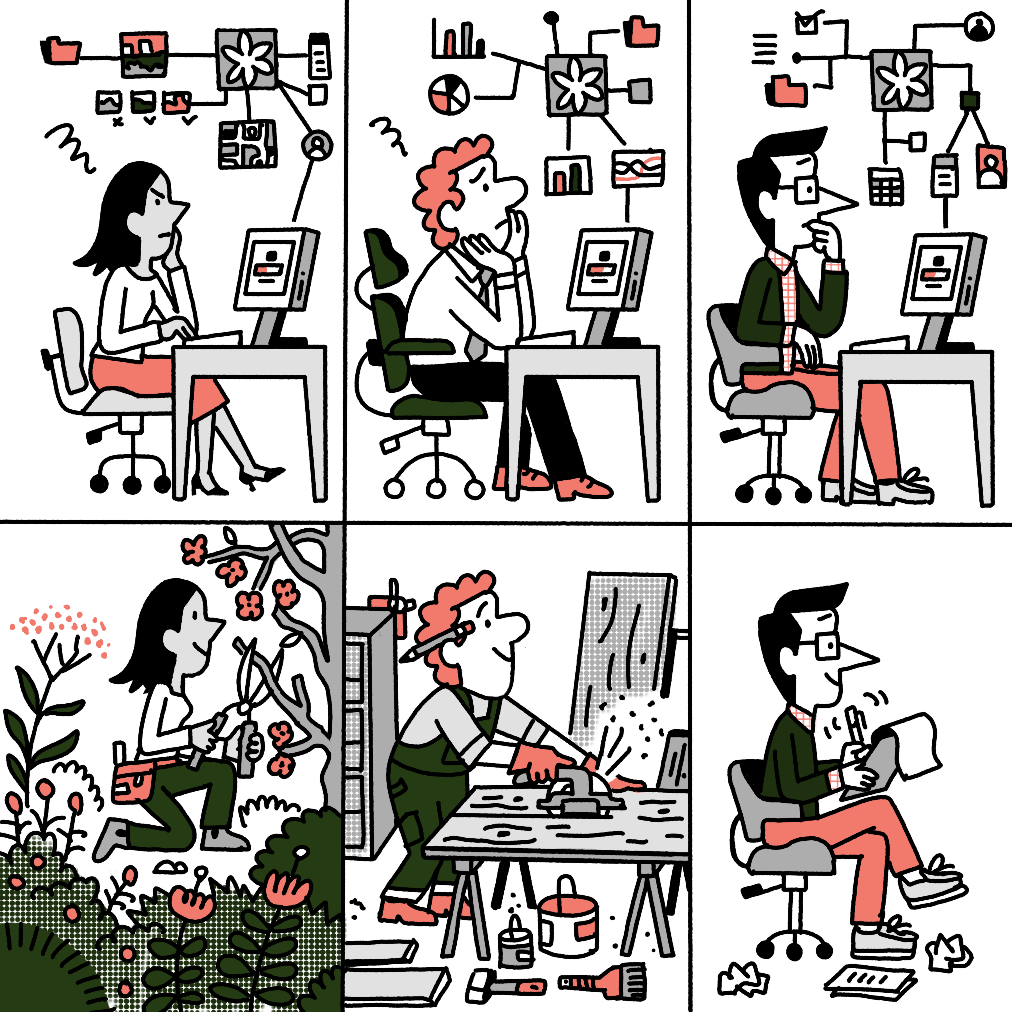
In recent weeks I’ve had conversations with friends and contacts in which they have aired their growing frustrations with the deadening impact of AI on their work. It’s not that their companies are about to let them go, it’s just that everything they do has become that little bit duller. One friend tells me that they are leaving their banking job to enrol in a gardening course. An amazing woman in property informs me that she’s taking time out to study fine art. Another in finance that she must prove to her managers that she is using AI tools every day or face being reprimanded. She too says that all she wants to do is use her hands – baking, gardening, basket-making, she’s game for it all.
|
Let’s be clear: AI is here to stay. It will change our lives in many instances – say, medical research – for the better. But unchecked, its adoption never questioned, it threatens to dull our days and dim our minds. At Monocle, as at most publications, we have strict rules about how AI can be used. If someone is using AI when developing code for the website, please be my guest, but it must never be used to write or polish our journalism. I am sure that there will be some tests ahead as we defend this position.
Another editor, holding the same line, tells me about some of her writers who are suddenly filing impeccably polished copy. So why doesn’t she just run it? “As soon as you read it you know that something is off – it’s plastic,” she says. It’s writing with botox and fillers – wrinkle-free and not real.
And here’s the other thing that AI’s march seems to be counterintuitively encouraging us to value: the joy of the imperfect. When everything becomes uniform, the subtle variations that come from somebody using scissors to cut leather, to bake individual batches of biscuits or even make a magazine, are surely more important than ever.
This is not the call of a Luddite or about being rinky-dink. Far from it. Just open our latest issue and you’ll see the watchmakers who make Switzerland tick and brands such as Chanel and Hermès that have created powerful businesses from believing in craft, in the human eye. But today, just as when we first reported on Russell Moccasin, we need to go against the grain, make things, use our hands and say no to the flattening of skills and experience.
To read more columns by Andrew Tuck, click here.
|
|
Edo Tokyo Kirari  MONOCLE MONOCLE
|
|
RETAIL UPDATE: Fewer Better Things
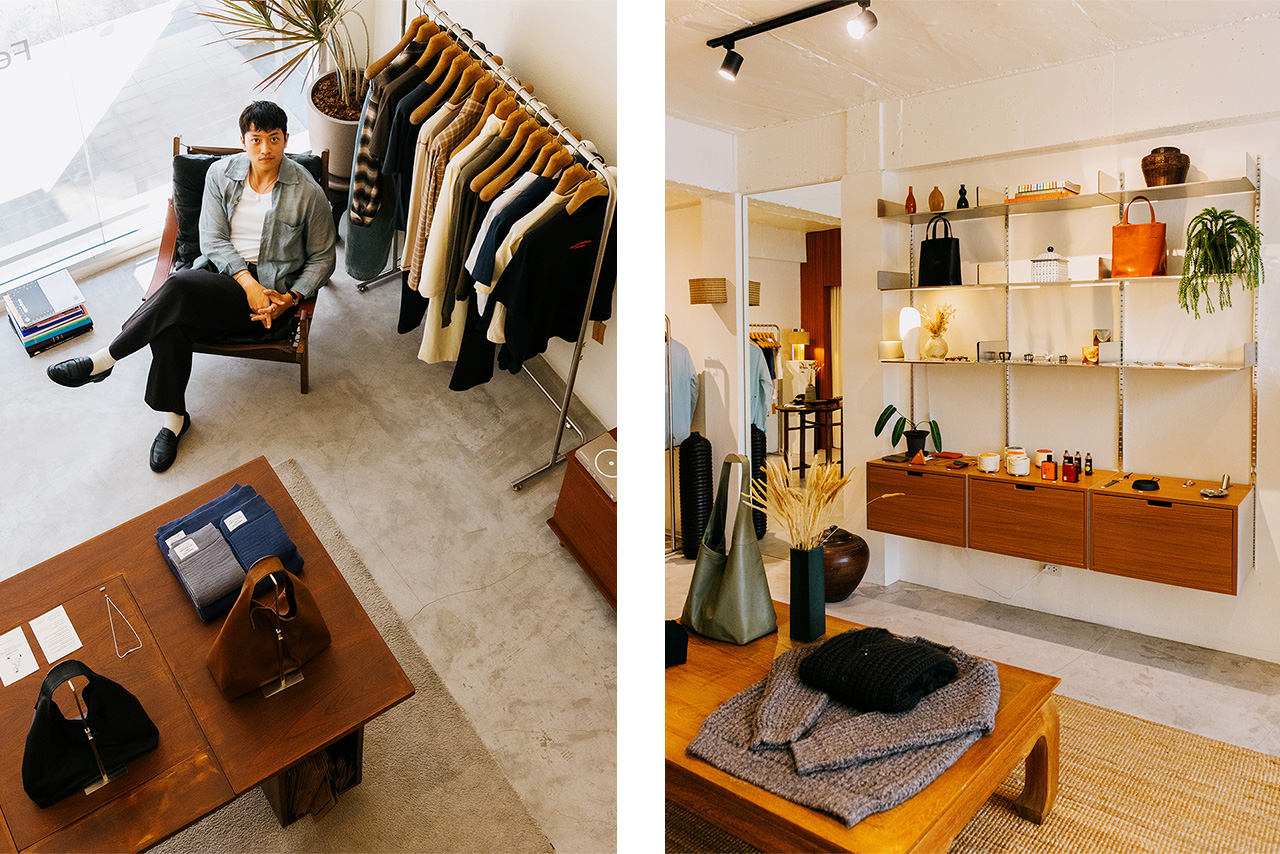
Fewer Better Things is the latest addition to Bangkok’s boutique retail scene
Bangkok is known for its shopping malls but the Thai capital is also full of independent boutiques with unique points of view (writes James Chambers). Among them is two-storey multibrand shop Fewer Better Things on Soi Sukhumvit 31, which opened in 2025 and stocks menswear, jewellery, accessories and homeware. After working in technology in California, founder Sutasit Srivisarvacha returned home to open his own store. “We look for smaller brands that have a distinct design characteristic, use high-quality materials and are priced reasonably,” says Srivisarvacha, who selects labels from Canada, Mexico, Hong Kong and beyond.
|
Copenhagen’s Mfpen is the top seller, followed by Bangkok’s Alvinaster and Danish brand Another Aspect, which is known for its menswear staples. These labels point to the demand for relaxed takes on classic tailoring. Srivisarvacha also has a soft spot for India’s Kartik Research. “I admire the way that it respects craft while maintaining a global, contemporary design language,” he says.
The former UX designer and product manager has given equal thought to the retail experience, opting out of e-commerce to encourage people to visit the boutique in person. The focus is on emerging labels, which are mixed together on the shop floor to encourage discovery. “Customers are often unfamiliar with the brands that we carry, which is what we want,” he says. “You should find something new with each trip to Fewer Better Things.”
fewerbetterthings.store
Want to see the rest of April’s Fashion Top 25? Here are the best labels and in-store experiences this spring.
Further reading:
- How staircases became the latest status symbol in Asian luxury retail
- Thrifting gears: The secondhand festival winning Bangkok’s retail market
- Shone Puipia is the brand connecting with the world on a personal level, one design at a time
|
|
culture cuts: listen, read, watch
Thundercat’s return, an allegorical affair and intergenerational ‘Beef’
Listen
Distracted, Thundercat
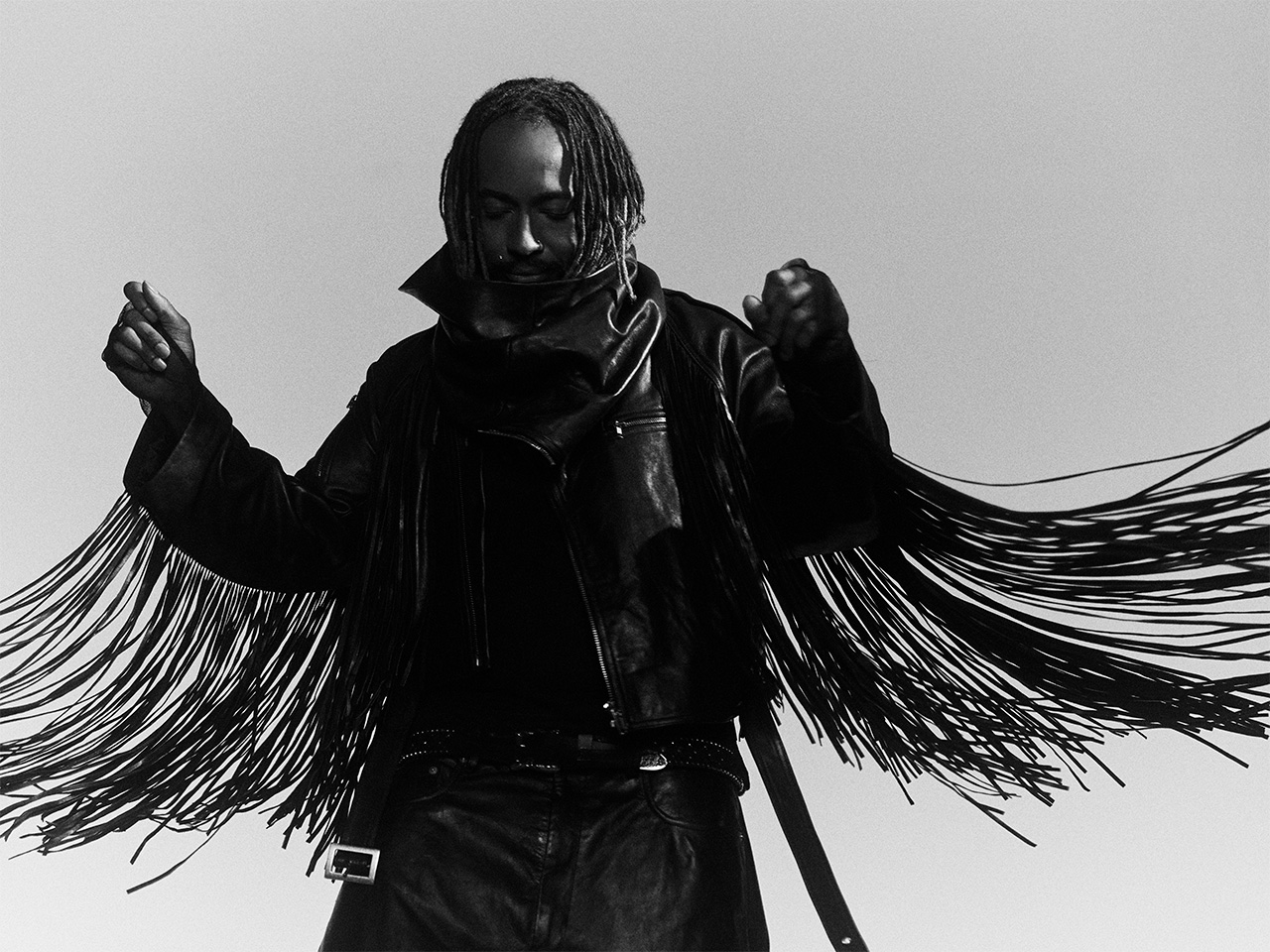
US singer and musician Thundercat’s first album in six years is a funky, breezy delight. Highlights include “No More Lies” and “She Knows Too Much”, which features the late Mac Miller. Despite its many guests, Distracted feels cohesive, thanks in part to producer Greg Kurstin, who is best known for his work with Kendrick Lamar.
‘Distracted’ is released on 3 April
Read
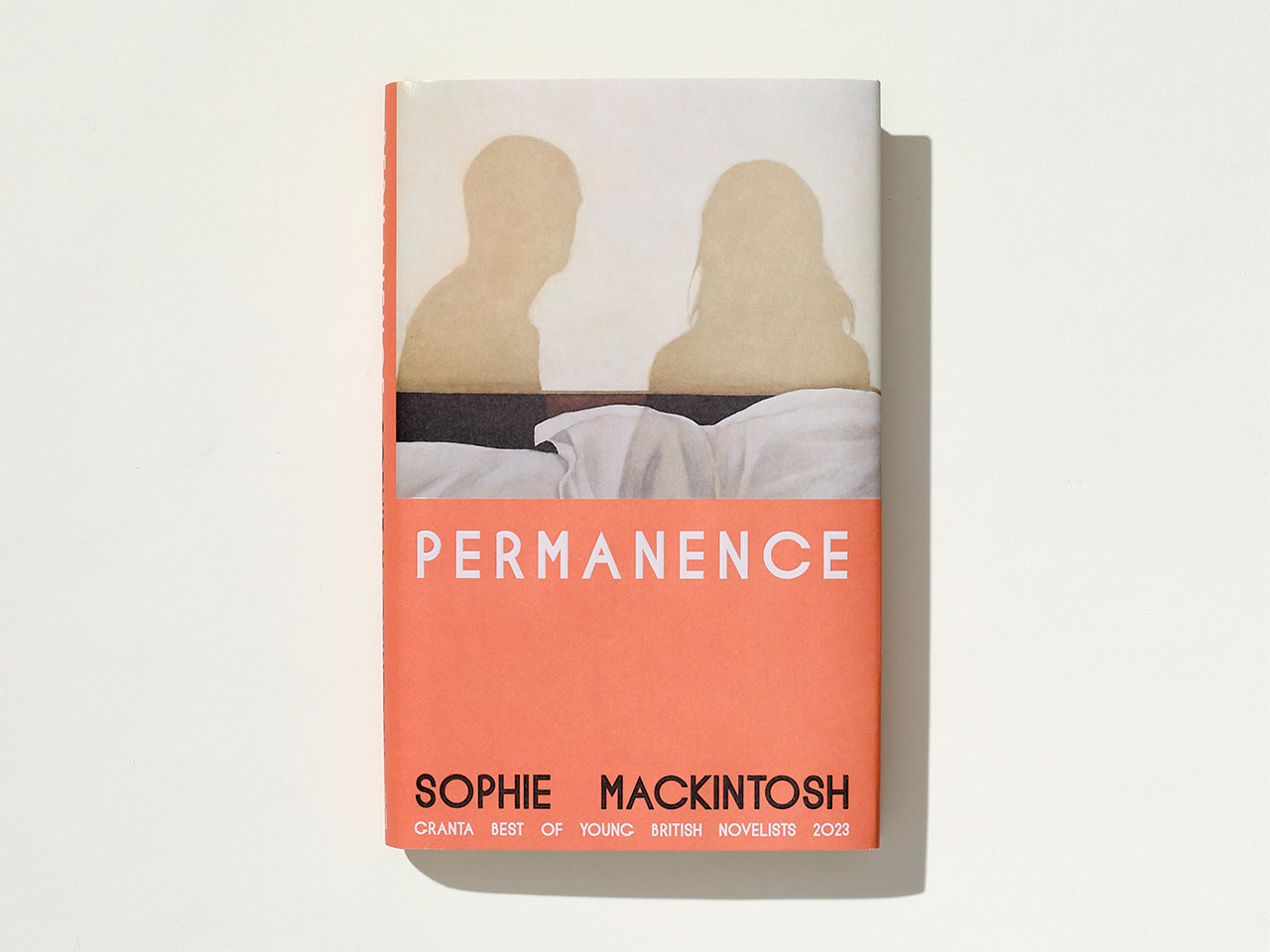
Permanence, Sophie Mackintosh
Francis and Clara are having an affair when, one day, they wake up in a city that neither can recognise. Slowly they realise that the strange place is inhabited by other adulterous couples finally able to be together – or so it seems. Mackintosh’s enchanting novel is an uncanny yet oddly familiar story of longing and loyalty.
‘Permanence’ is published on 2 April
Watch
Beef, Netflix
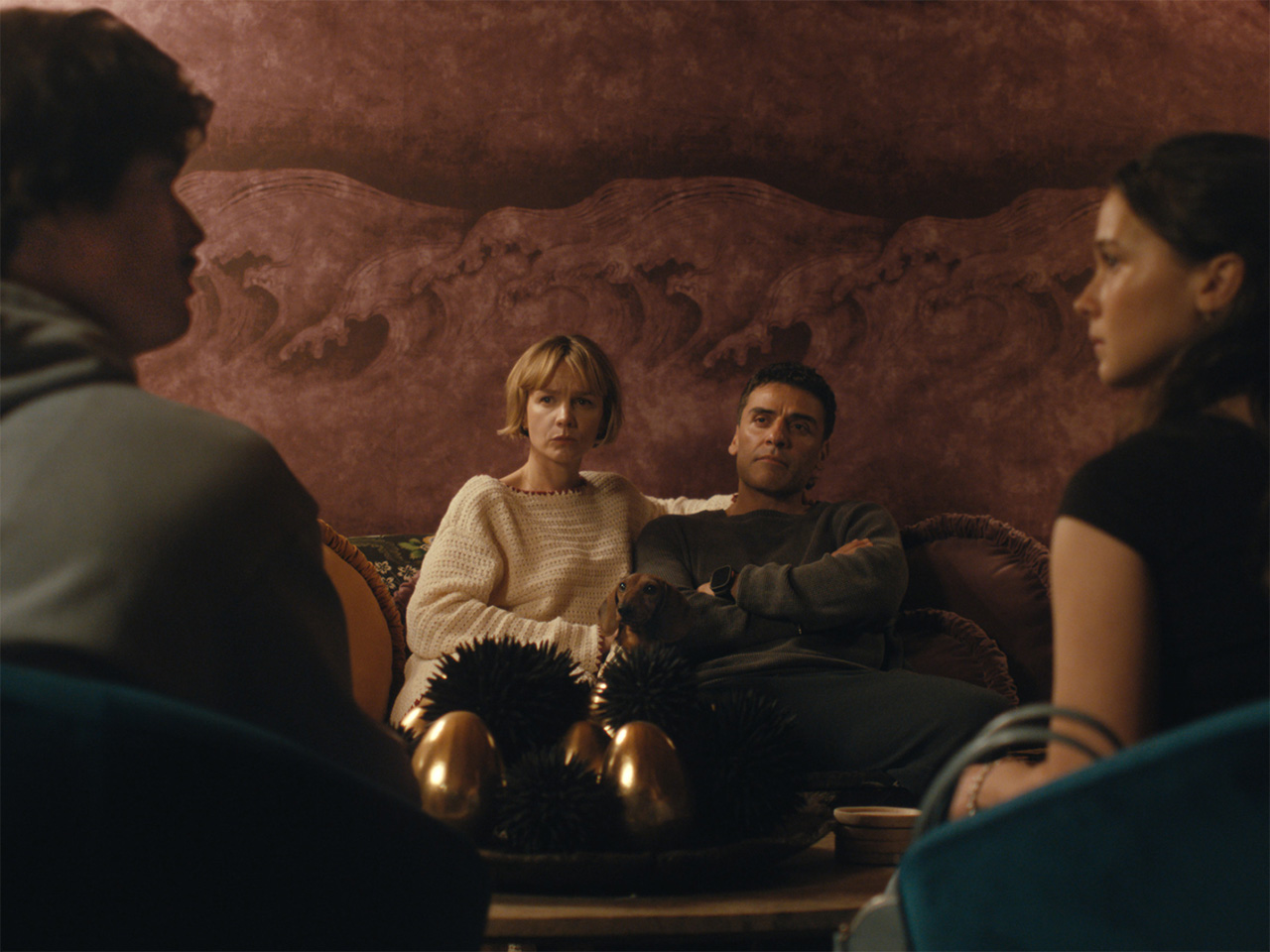
Season one of Lee Sung Jin’s explosive, Emmy Award-winning series took inspiration from the creator’s own flirtation with road rage. In season two a ferocious couple’s argument leads to an exploration of intergenerational attitudes to love, refracted through Gen Z-ers Ashley (Cailee Spaeny) and Austin (Charles Melton), and millennials Joshua (Oscar Isaac) and Lindsay (Carey Mulligan).
The second season of ‘Beef’ is released on 16 April
|
|
|
SPONSORED BY Edo Tokyo Kirari
|
|
|
|
|
|
how we live: animal cargo
Flying fur class: Our pets are now global citizens
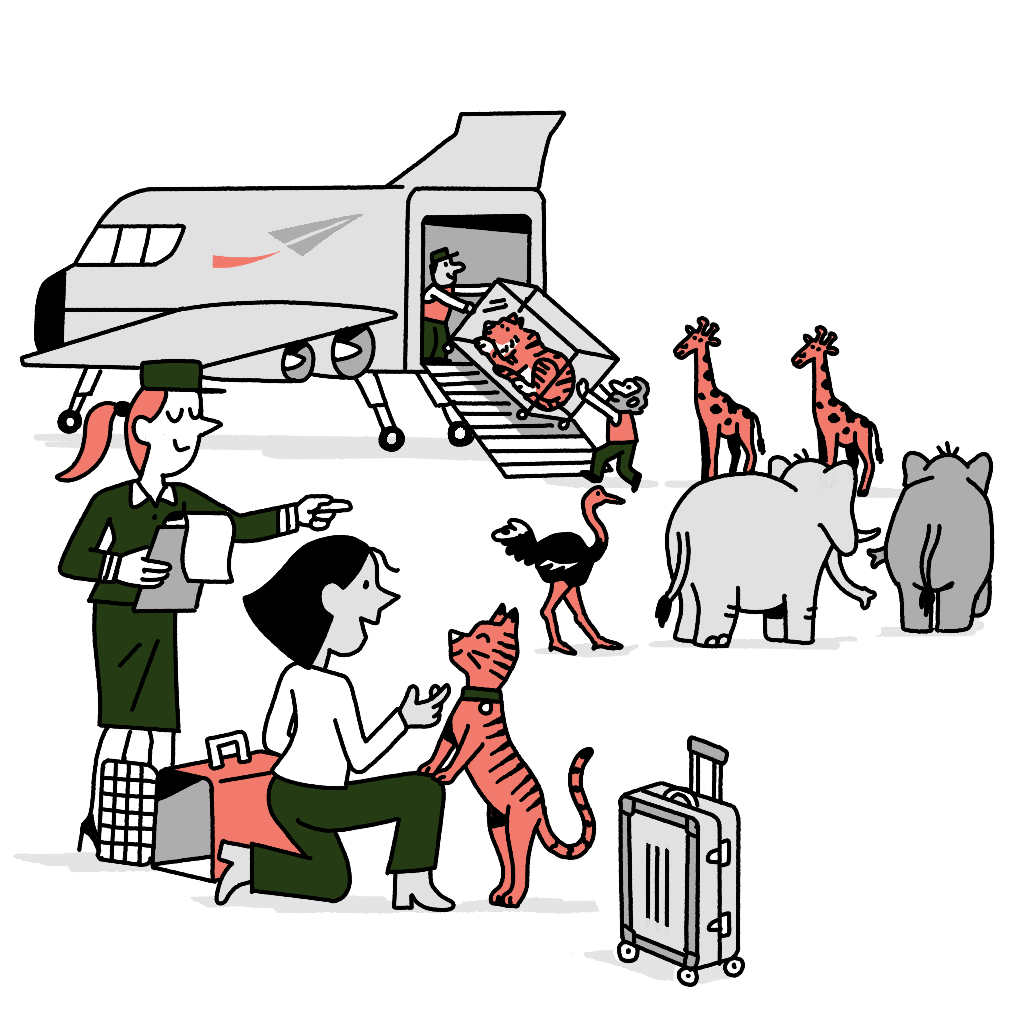
Three young giraffes recently boarded a flight at Istanbul airport (writes Hannah Lucinda Smith). Before them came a tiger and prior to that a shepherd dog from Turkmenistan, which weighed 110kg. In comparison, my cat, a ginger boy named Tarkan, was a far more pedestrian passenger. On a chilly morning not long ago, we arrived at the huge cargo terminals on the edge of the airport site to check him in for his flight to London, the culmination of months of paperwork, vaccinations and tests.
|
As we have become global citizens, so too have our pets. It was inconceivable that I would leave Tarkan, a street cat that I adopted as a kitten five years ago, behind. There are animals in the hold on most international flights. The giraffes and the tiger were not household friends, of course: they were being transported between zoos, another regular occurrence. The shepherd dog was being entered in a show. In those cases they needed more sophisticated carriages than Tarkan’s simple crate. The giraffes’ boxes had holes in the top, allowing their heads and long necks to stick out. The tiger was housed in a smoked glass crate to assuage its irritation. The dog had a box as big as a studio flat.
The flip side, of course, is that animals are now as vulnerable to travel crises as we are. One lesser reported consequence of the recent Iranian strikes on the Gulf was that scores of pets were abandoned after their expat owners fled. Animal charities in Dubai have reported huge spikes in abandoned pets and shelters are filling up. Happily, one country has come to the rescue: Greece organised an animal airlift for pets belonging to its nationals. After delays caused by drone strikes on Dubai Airport, 45 dogs and cats touched down in Athens last week. Tarkan was far luckier – our journey to Heathrow was disrupted by nothing more than light turbulence. The giraffes, tiger and shepherd dog all made it without incident too.
| | | | |