Dementia caregiving in Kenya; measles outbreak in Mexico
GLOBAL HEALTH & DEVELOPMENT
editor's note
Skywall Photography
Wambūi Karanja was a teenager when her dad began having memory issues. He was a teacher, then in his 50s. It turned out he had early onset dementia.
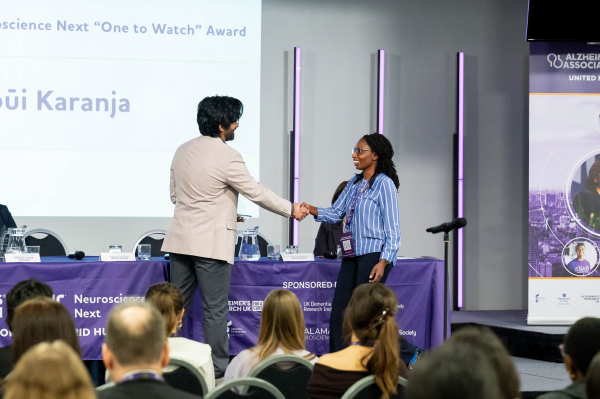
Now 32, Karanja has learned a lot about being a caregiver -- and forged a career helping others in the same situation. Her trainings for caregivers in Kenya, where she lives, won her a "One to Watch" award from the Alzheimer's Association.
I interviewed her after she got that honor. It was an emotional conversation -- shadowed by her father's situation and by my own family's experience: My wife has dementia.
For those thrust into the role of caregiver for a loved one with dementia, Karanja offers support and encouragement. People sometimes say "it's just normal aging." Someone said that her dad had been bewitched. She proposes responding to such comments by noting that dementia is a disease of the brain -- so people can understand what is really happening.
A key message she shares: To be a good caregiver, you need to pay attention to your own well-being.
Thinking of what is lost when a family member has dementia, she wiped a tear from her eye -- and brought a tear to my eye. “I [can’t] stand listening to my friends complain about their dads, because I don't get to experience my dad the same way you get to experience yours,” she says. “It's a very lonely thing.”
British Pakistani actor Riz Ahmed reflects on his new TV series, Bait, in which he's hoping to be cast as the next James Bond, and his soon-to-be-released movie version of Hamlet. He spoke with NPR's Fresh Air.
What do you think of today's email? We'd love to hear your thoughts, questions and feedback:globalhealth@npr.org
Enjoying this newsletter? Forward to a friend! They cansign up here.
You received this message because you're subscribed to Global Health emails. This email was sent by National Public Radio, Inc., 1111 North Capitol Street NE, Washington, DC 20002