World Cup woes, leather goods from Sacai x Smythson and Israel’s ambassador to the UAE.
|
Thursday 16/4/26
|

|
|
London
Paris
Zürich
Milan
Bangkok
Tokyo
Toronto
|
|
|
|

Good morning from Midori House. For more news and views, tune in to Monocle Radio or visit monocle.com. Here’s what’s coming up in today’s Monocle Minute:
THE OPINION: The watchmakers standing the test of time
SPORT: Why the Fifa 2026 World Cup is already on the back foot
DAILY TREAT: Everyday leatherbound companions from Sacai x Smythson
FROM MONOCLE.COM: In conversation with Israel’s ambassador to the UAE
|
|
Sign of the times: Houses vie for cultural relevance at Watches and Wonders
By Natalie Theodosi
|

|
Over the past two days, the watchmaking industry has come together at Geneva’s Palexpo exhibition centre for Watches and Wonders, its most important annual gathering. In between booth tours – each brand has a dedicated space and there’s stiff competition for the most creative set design – new collection presentations and plenty of champagne receptions, journalists and buyers discussed the year’s most impressive novelties, as well as the future of the industry at a time of geopolitical tension. While Cartier’s new iteration of the Baignoire was particularly popular, much of the conversation among C-suite visitors touched on how the war in Iran is impacting consumer consumption.
One CEO told me that any hopes of the industry recovering from last year’s sales slowdown were crushed when the Iran war started. Still, executives remain convinced of the industry’s resilience and ability to bounce back over time. For many watchmakers, this means investing in the future: opening new manufacturing facilities (ahead of the fair, Audemars Piguet announced a new site in Meyrin) or kickstarting training initiatives for young watchmakers, such as Cartier’s education programme, which launched earlier this month in partnership with the King’s Foundation and involves building a new workshop in the UK.

| |
|
All over the dial: A horologist for IWC at this year’s Watches and Wonders
|
|
There was also renewed attention on innovation and on highlighting the high level of handwork that goes into creating a timepiece – making it a sensible investment, even in tougher economic times. Tag Heuer presented a new in-house movement, developed over several years, while Van Cleef & Arpels offered one-of-a-kind métiers d’art watches that showcase the house’s expertise in miniature painting and enamelling.
At Vacheron Constantin the focus was the new Overseas Self-Winding Ultra-Thin, with a movement just 2.4mm thick that still offers 80 hours of power reserve – an engineering feat. “Vacheron Constantin was founded 271 years ago – and during this long history we’ve had some good times and some difficult times,” says Christian Selmoni, the house’s style and heritage director. “Through it all, you have to stay creative, you have to stay innovative and consistent in your efforts. There’s no reason to change the way we work.”
Others made a similar point: creativity thrives in moments of challenge. Audemars Piguet’s artisans began experimenting with skeleton watches during the Great Depression, while the Royal Oak was born out of the quartz crisis of the 1970s.
Change is afoot today, too. Houses are not only renewing vintage designs and pushing the boundaries of the craft but also rethinking how they communicate – opening booths to wider audiences and hosting events across the city. Cultural relevance, increasingly, is proving to be the ultimate luxury.
Natalie Theodosi is Monocle’s fashion director. Monocle recently sat down with Piaget’s CEO, Benjamin Comar. Read the story here.
|
|
sport: USA, Canada & Mexico
The World Cup is meant to be a winning display of soft power. Instead, the event is conceding under pressure
It’s “the biggest show on the planet,” according to Fifa president Gianni Infantino but its preamble rarely inspires (writes Jack Simpson). The World Cup dazzles fans watching inside the stadiums or on screen, and the sporting spectacle always finds space to drop its shoulder, turn and spin spectators’ moral compasses. But before a ball is kicked, it’s often the poor working conditions, surging ticket prices, stifling weather conditions and the clamping down on civic freedoms that define tournaments. This summer’s competition – held between the US, Mexico and Canada from June to July – is having a similarly cheerless run-up, causing fans to scale back their travel plans.
| |
|
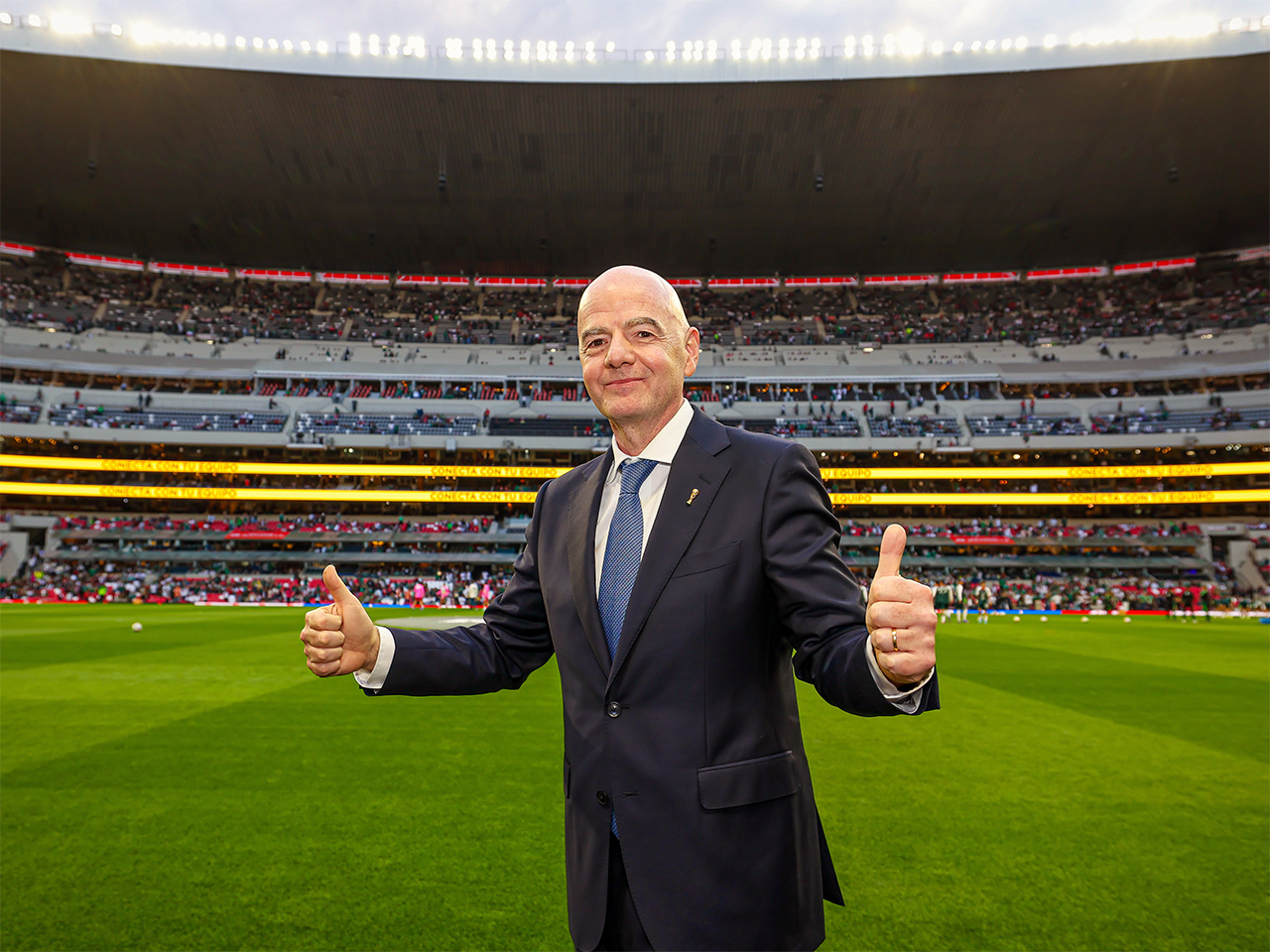
Foul play? Gianni Infantino in Mexico City
|
|
Hotel prices in host cities rose after the fixtures were announced earlier this year, increasing by 27 per cent in Atlanta and 385 per cent in Guadalajara. Now, however, many hoteliers in Mexico and the US are reeling back their rates as demand dwindles due to a combination of cartel violence, anti-White House sentiment, perceptions over stringent US immigration policy and ticket pricing.
The 2026 Fifa World Cup was always set to be one of the costliest for visiting international fans but US policy in particular is costing hospitality businesses a payday. Haitians are barred, while Algerian, Senegalese and Ivorian visitors could face a $15,000 bond to enter the US under Donald Trump’s new immigration policy. European fans are also concerned about rigorous border checks, including suggested reviews of social-media accounts, and the presence of draconian federal agents on US streets.
Fifa is no stranger to fostering ties with controversial governments – civil liberties and fan safety have plagued the conversation around preceding World Cups in Brazil, Russia and Qatar. Instead of acting as an economic stimulus package, the tournament has become the biggest soft-power show on the planet. It should be both.
Further reading?
- Fifa’s shamelessness is its superpower – it only has one goal in mind
- Brand France makes its LA 2028 Olympics play with sun, sport and savoir-faire
- Who owns the beautiful game in Europe? Increasingly, American investors
|
|
• • • • • DAILY TREAT • • • • •
Everyday leatherbound companions from Sacai x Smythson
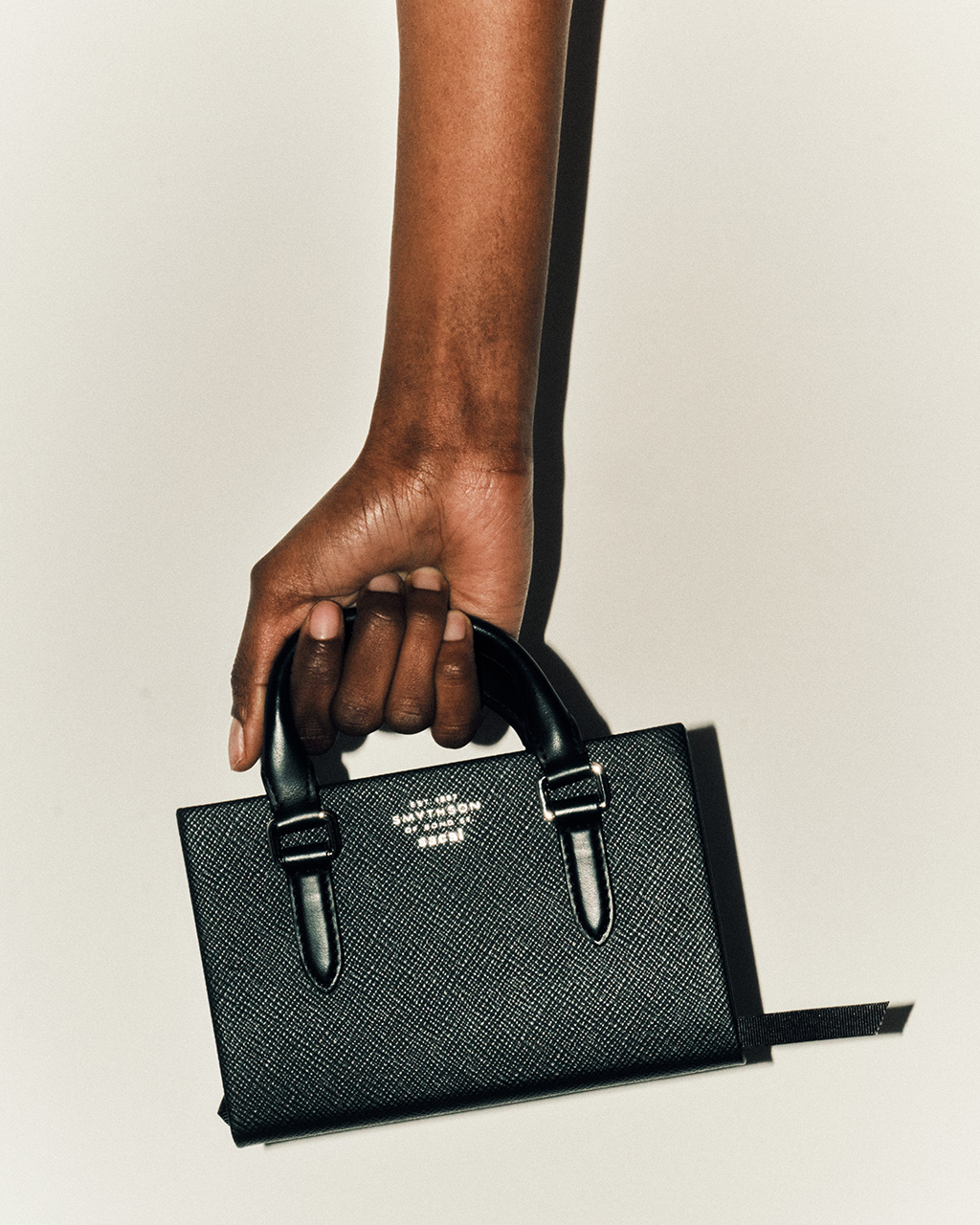
Well known for its collaborations with the likes of Nike and JM Weston, Japanese label Sacai is now teaming up with leather-goods company Smythson.
Sacai’s creative director, Chitose Abe, worked with Smythson’s London outfit to design a grainy leather notebook, pouch and a passport holder (pictured) that received the Sacai touch thanks to handles inspired by the UK company’s briefcases. “Smythson products have a quality that enriches everyday life,” says Abe.
sacai.com; smythson.com
|
|
FROM MONOcle.com: UAE
Israeli ambassador to the UAE, Yossi Avraham Shelley, on what it will take to end strikes on Lebanon
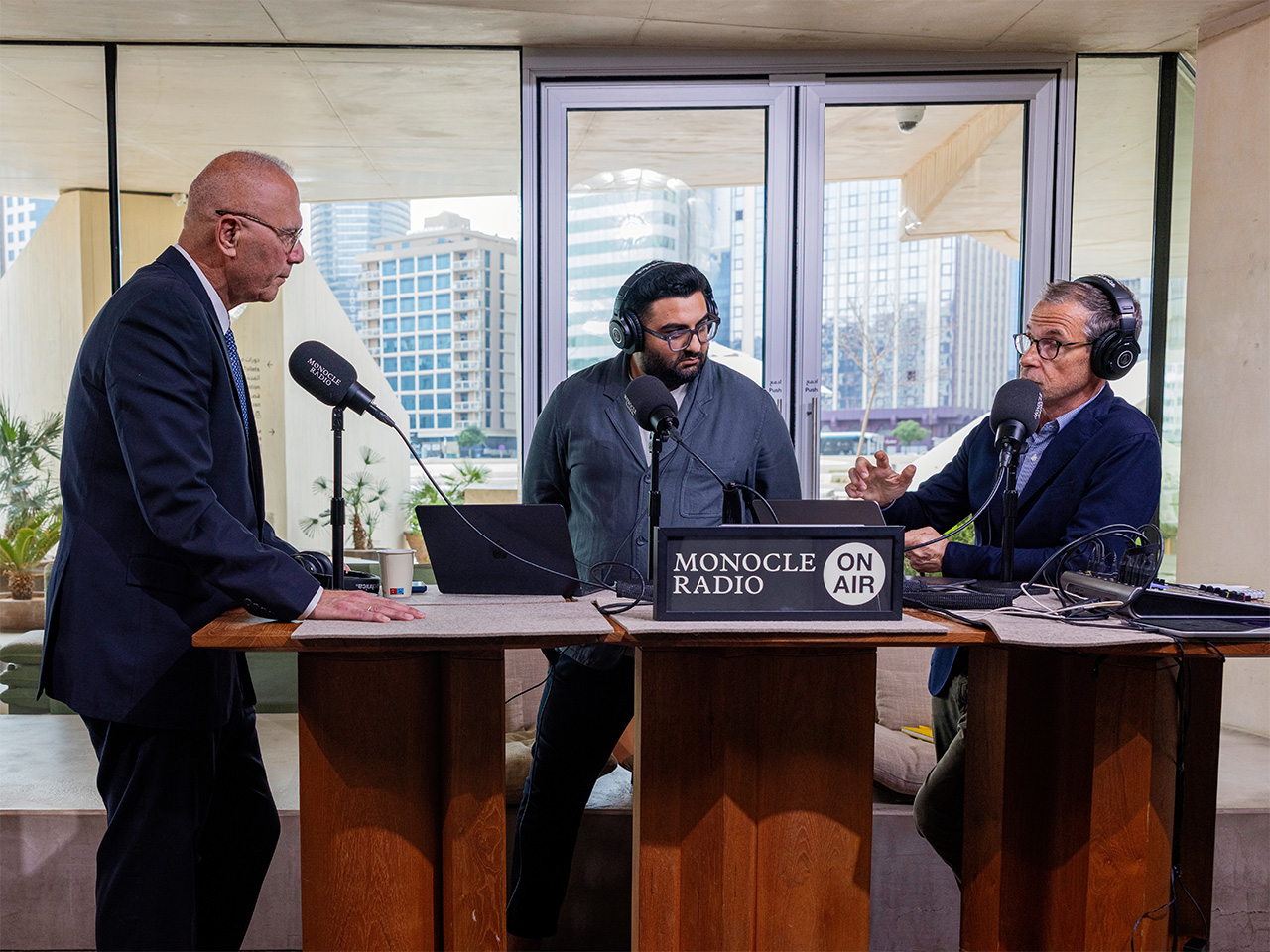
As Israel deepens its military campaign against Iran and its regional proxies, its ambassador to the UAE, Yossi Avraham Shelley, gives his first interview since the conflict began. Speaking on Monocle Radio’s The Briefing, he strikes an uncompromising tone: Tehran’s nuclear ambitions and ballistic-missile capabilities, he argues, remain an existential threat that Israel cannot afford to leave unresolved.
Yet the theatre stretches beyond Iran. Despite the announcement of a ceasefire, Israeli strikes have continually hit Lebanon despite mediators, including Pakistan, suggesting the agreement extended to that front. Ambassador Shelley maintains that Lebanon constitutes a separate conflict and points to Israeli warnings issued ahead of the strikes – including text messages and leaflets – as an attempt towards mitigation.
|
|
Monocle Radio: monocle on design
The rise and rise of Brazilian design with Jig. Plus: touring the Rietveld Schröder House in Utrecht
Fernando Augusto Pacheco visits Jig, a new furniture shop in London’s Soho that champions contemporary Brazilian design. Then: Exploring De Stijl at the Rietveld Schröder House and a look ahead to Salone del Mobile 2026.
|
|
| | |