As of mid-2025, 117.3 million people were forcibly displaced by wars, persecution, and natural disasters, and 71% of them were living in low- and middle-income countries. In Myanmar, where deadly attacks against Rohingya Muslims have persisted since 2017, 3.5 million people are internally displaced and another 1.3 million are refugees or asylum seekers in other countries such as Bangladesh.
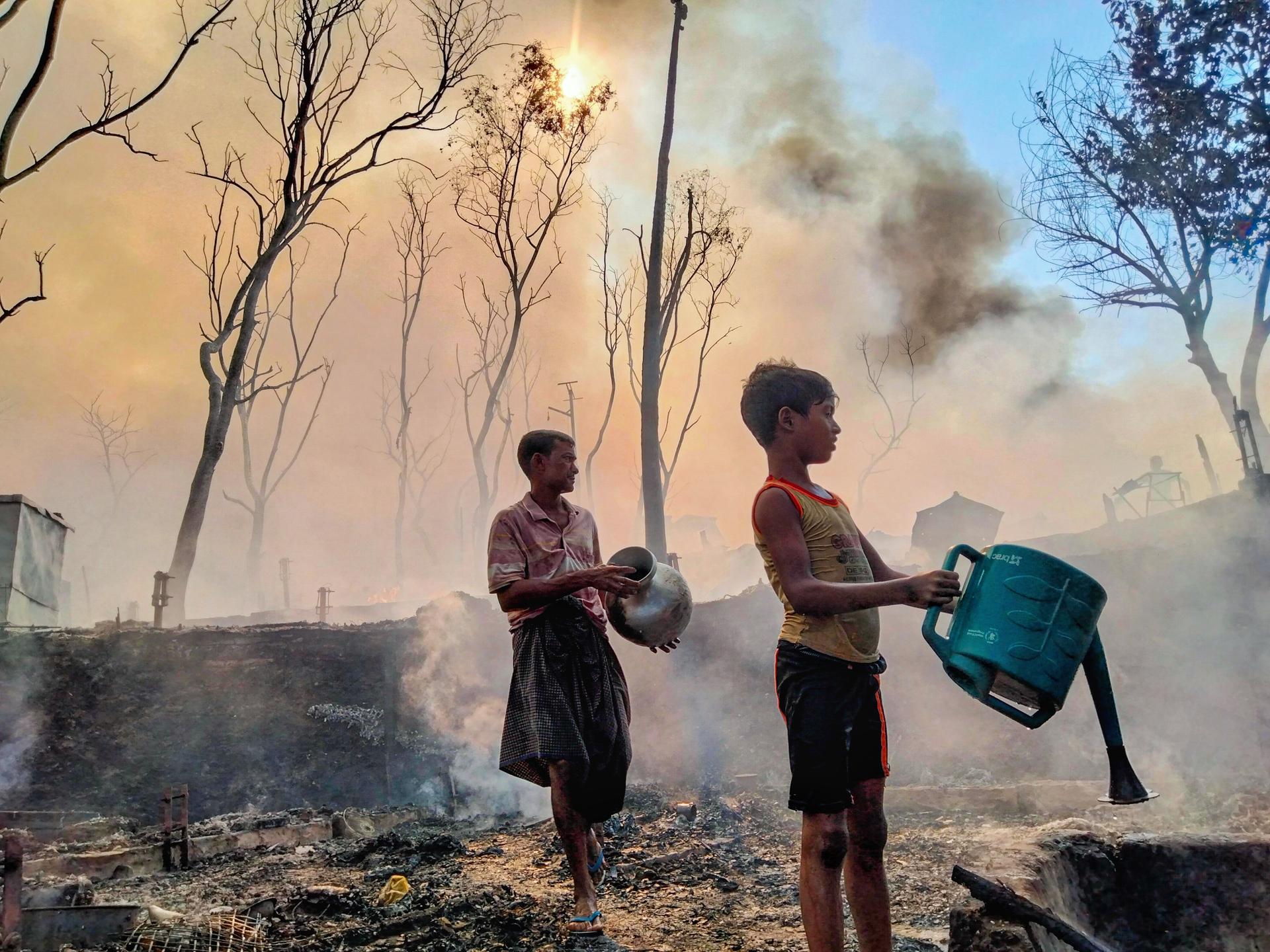
There, approximately 1.18 million live across the dense network of outposts known as the Kutupalong-Balukhali expansion site, the world’s largest and most crowded refugee camp. To lead this week’s edition, Emergency Project Founder Darren Cuthbert describes how aid cuts jeopardize survival in the Bangladesh encampment, where refugees depend entirely on humanitarian support for food, health care, and sanitation.
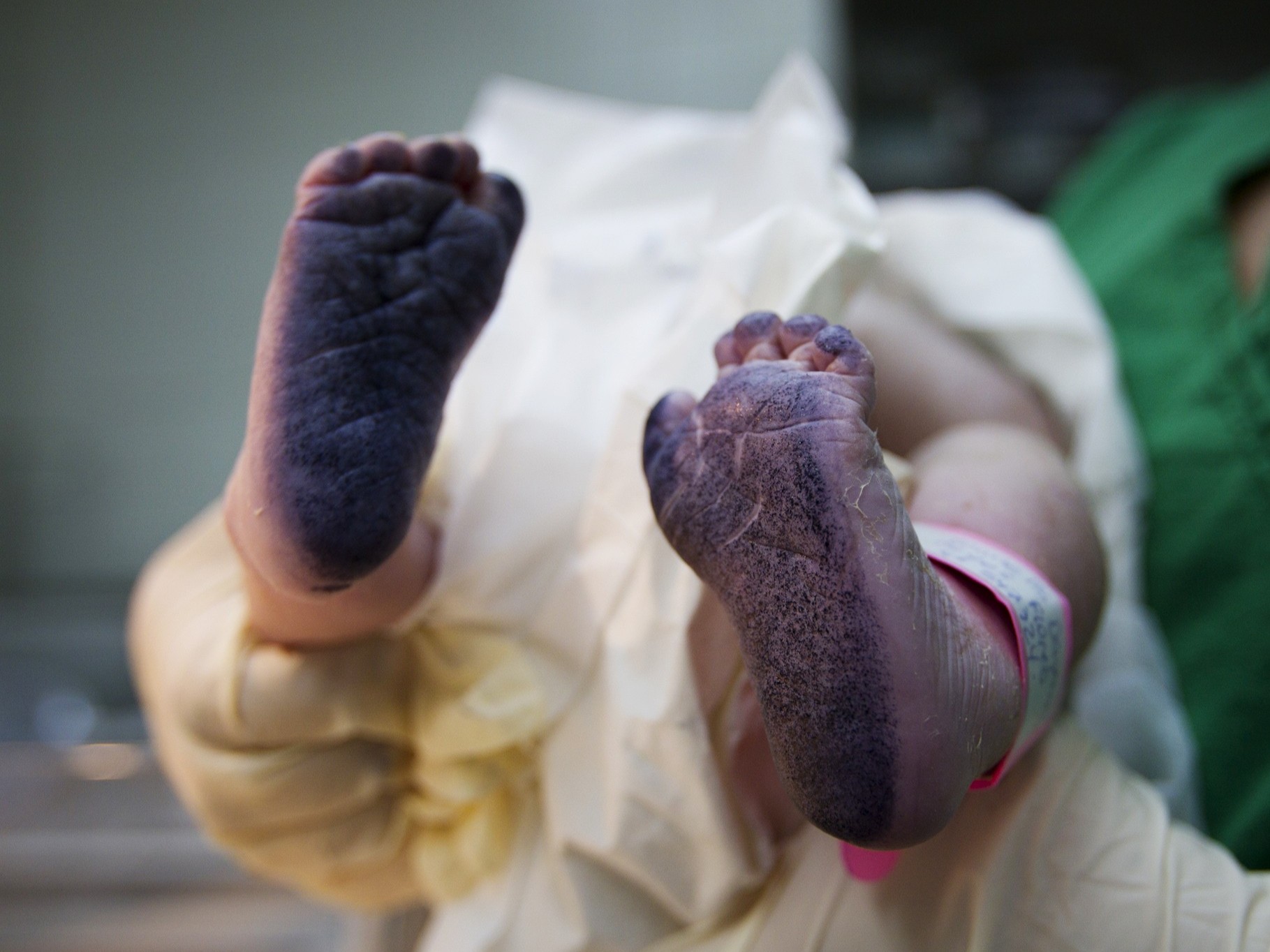
Turning to sub-Saharan Africa, a pair of contributors explore how countries are working to expand demography for childbirth and cancer to improve health outcomes. Mary-Ann Etiebet, president and CEO of Vital Strategies, outlines how recent investments in digital technologies could transform birth registration across the region, ensuring that millions of children have legal recognition and access to education, health care, and civic participation.
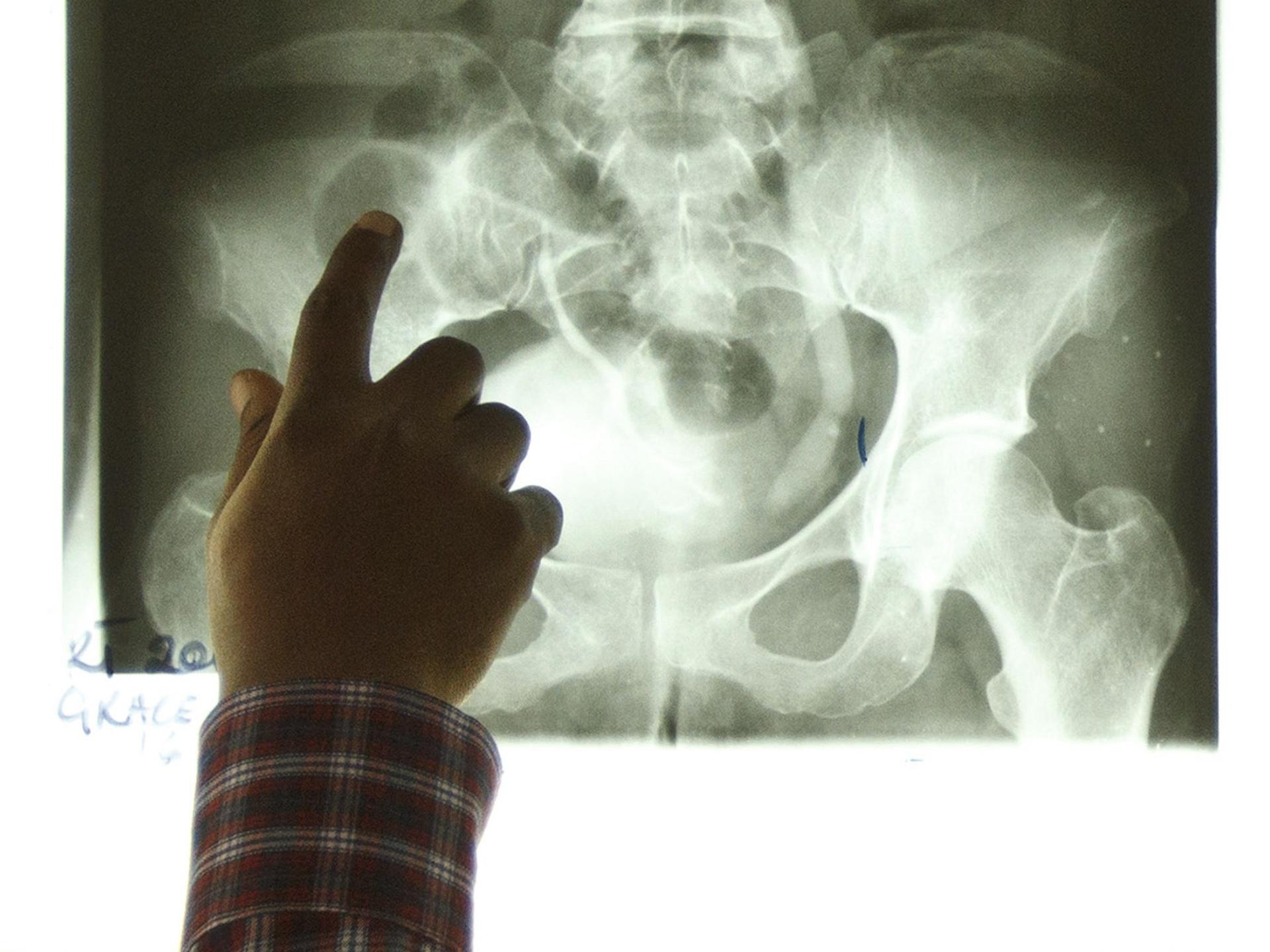
In Ghana, disconnected health registries cloud the true burden of childhood cancer. Pediatric oncologist Nihad Salifu explains how linking information from public and teaching hospitals could build a robust cancer registry that captures all childhood cases, informs treatment, and ensures more children survive.
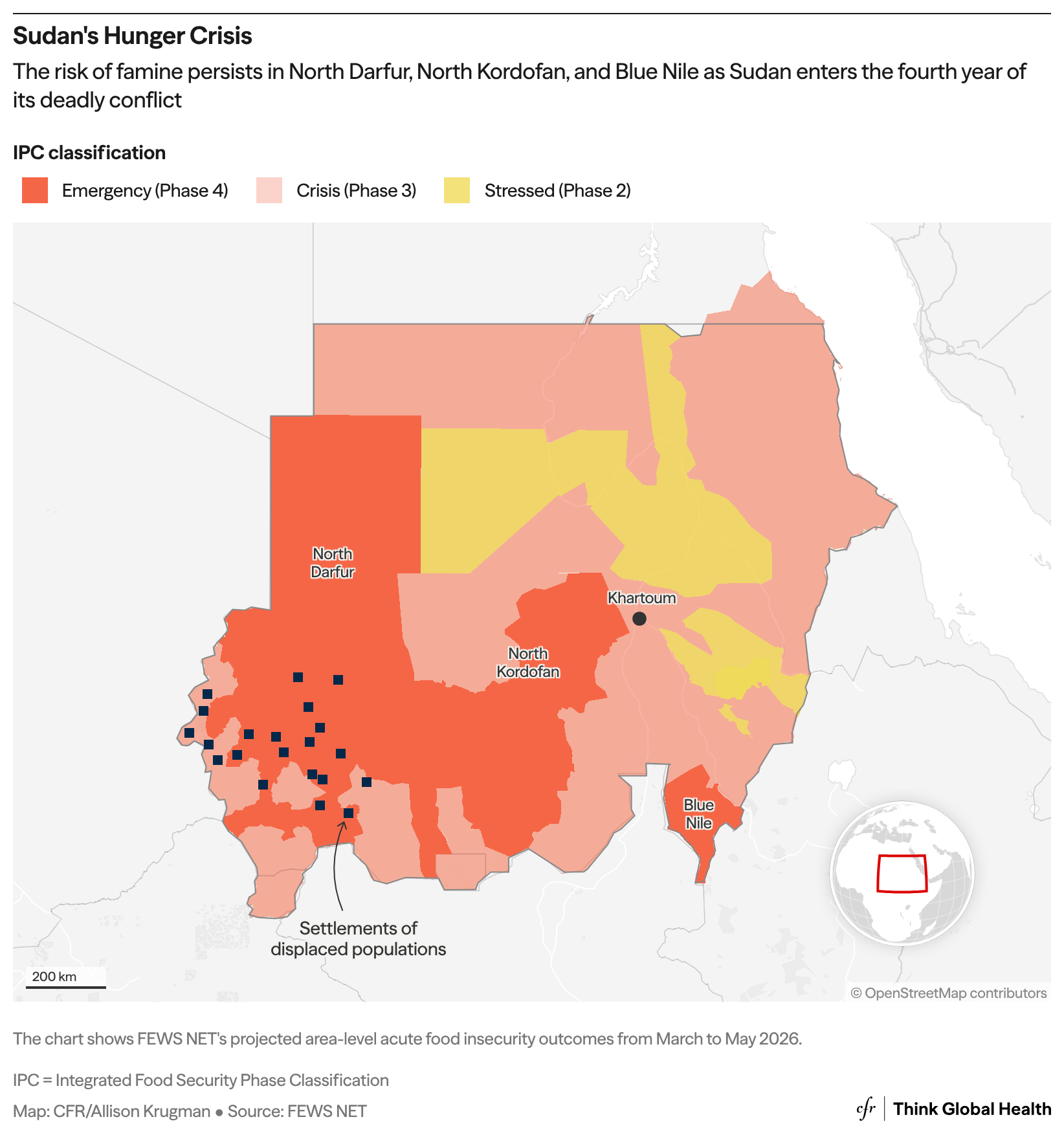
As the Sudanese civil war enters its fourth year, TGH Data Visual Editor Allison Krugman illustrates the country’s worsening famine.
Until next week!—Nsikan Akpan, Managing Editor, and Caroline Kantis, Associate Editor