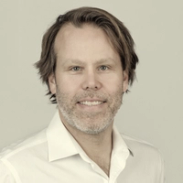
Mario Anzuoni/Reuters Mario Anzuoni/ReutersApple’s choice of John Ternus to replace CEO Tim Cook, who announced today that he would step down, signals the company plans to stay its cautious and lucrative course even as AI reshapes the industry it has dominated for 20 years. Cook’s appointment to replace Steve Jobs in 2011 was a monumental moment in business, technology and American culture. Then, Apple was at the height of its influence, but nobody knew just how far its products could go in terms of profits. Cook proved they could go very, very far. Under his leadership, Apple became the first public company to reach a $1 trillion market cap. As Cook steps down, Apple is still a financial juggernaut, but its cultural significance has waned. The choice of Ternus, an Apple lifer who hails from the Jobs era, shows the company is not about to roll the dice on someone who might squander its lucrative business — or take it in a radical new direction. Ternus served as vice president of hardware engineering. He is not an AI guru, nor does he hail from the all-powerful marketing division of the company. By playing it safe, Apple is also signaling that it probably isn’t going to execute a dramatic turnaround. The likelihood of rekindling the fire that was burning in 2011 is low. At Apple, one of the prevailing beliefs is that technology sort of falls into its lap. Others trailblaze and Apple profits from those ideas. There’s historical evidence that this is the case. Apple wasn’t the first company to make a personal computer, a smartphone, a laptop, a tablet, or a smartwatch. It just perfected those devices. But with all of those devices, what drew consumers to them was never just how beautiful the hardware was — although that was a significant factor. The secret sauce was the operating system. From Mac OS to iOS, Apple has created the better platform to do computing. Nobody has really defined what an operating system is in the AI era. Now Ternus has a challenge that goes far beyond hardware and the software that makes it run. The entire concept of computing and technology is shifting. There’s a danger that what defines Apple in the future will simply be its hardware. But that is a diminished view of what the company is and where it stands in the technology landscape and the cultural zeitgeist. In many ways, Ternus faces a challenge far greater than the one Cook faced when he took over from Jobs. By the time it comes into focus, it could be too late for Apple to recapture what it once had. |