|
|
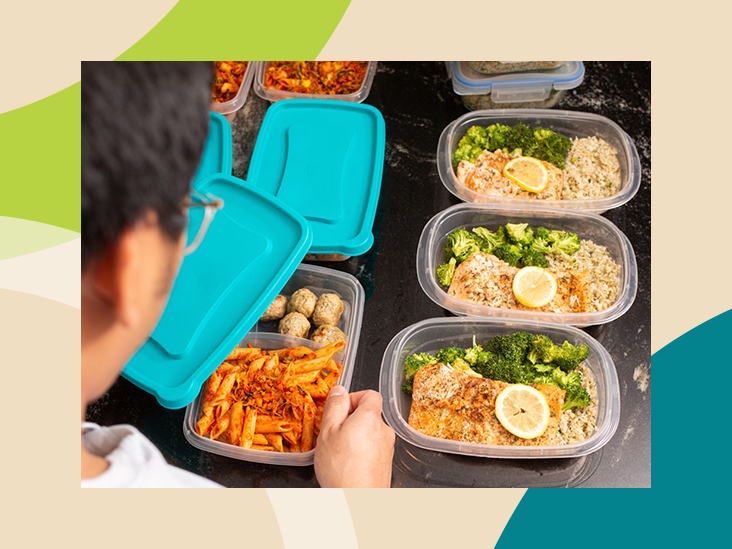
Most nutrition questions are about what to add to your diet. This one’s about what's getting into your body, whether you want it to or not. A reader wrote in asking about microplastics — specifically the kind that can leach from plastic containers when you heat food or pour a hot drink.
Today, health coach Michelle Steil explains what microplastics are, where else they show up, and whether silicone is actually the safer swap people assume it is.
|
|
|
|
|
|
|
Let’s put it to the expert,
Tim Snaith
Newsletter Editor, Healthline
|
 |
|
Written by Tim Snaith
April 30, 2026 • 3 min read |
|
|
|
 |
|
|
| Q: |
Are there concerns regarding microplastics leaching into food and beverages when microwaving in plastic or using plastic travel coffee containers? |
|
| A: |
Most of the time, the conversation on what to put in your mouth is about what is good for you. How about what is going down the gullet that isn’t?
The conversation about microplastics leeching into food has many people worried, but almost everything in our environment contains harmful substances. There are steps we can take to minimize the harm, and the same applies here. Still, when it comes to microplastics, there is something intrusive about what enters the body unknowingly. Risking a pun, let’s break it down into bite-sized pieces for understanding.
What are microplastics?
According to NOAA (National Oceanic and Atmospheric Administration), microplastics are plastic debris less than 5 millimeters in length, and research is still ongoing. Microplastics enter our food through manufacturing processes and the environment.
The FDA argues that the levels of microplastics in our food do not pose a risk to humans, yet food packaging, such as plastic wrap, bottled water, and food utensils, can be sources of contamination. Since the majority of microplastics are found in large bodies of water, studies to date have focused mainly on aquatic environments and products derived from them, namely seafood. Again, research is limited.
Additional foods that may contain microplastics include salt, sugar, beer, bottled water, honey, milk, and tea. If you want to limit microplastics consumption, exercise common sense:
- Use glass containers instead of plastic.
- Avoid plastic cutting boards, bottled water, and packaged foods.
- Opt for fresh produce.
A rule of thumb might be that where there is plastic, there are microplastics.
Silicone: let the buyer beware
Not long ago, pretty, pastel reusable containers appeared on the market, claiming to be “environmentally friendly.” Add to that portability and flexibility, and soon silicone household items were everywhere. But, is silicone safe for kitchen use?
Silicone is not plastic, and therefore not a source of microplastics. However, silicone is not biodegradable and therefore not recyclable. It can also melt at high temperatures. So do your homework, and select only food-grade. If you have concerns, stick with silicone utensils and always follow the manufacturer’s instructions.
|
|
|
|
|
|
| Want to learn more about food, diets, cooking, or some other nutrition subject? Let us know at nutritionedition@healthline.com and we’ll look into it for you! (Heads up, we may use your response in an upcoming newsletter.)
|
 RECIPE PICKTuscan Poached Cod with Side SaladThis dairy-free pescatarian dish comes with a side salad and a baguette.GET THE RECIPE → |
|
|
 |
|
|
| How to Eat Intuitively According to a Registered Dietitian |
| Val Goldberg returns to share the basics of mindful eating and how to embrace intuitive eating in your life! Learn to listen to your hunger cues and adopt healthy eating habits that support you. |
|
|
|
|
|
| What we’re digesting |
| |