The Zürich Print Institute, a Mexican design gallery and highlights from Melbourne Design Week.
|
Wednesday 27/5/26
|

|
|
London
Paris
Zürich
Milan
Bangkok
Tokyo
Toronto
|
|
|
|

all the world over
This week’s dispatch takes us from a
Mexican design gallery fostering creative community to the production facilities of the
Zürich Print Institute, a recipient of one of this year’s
Monocle Design Awards. We also take a seat behind an
opulent office desk made for a maharaja and meet
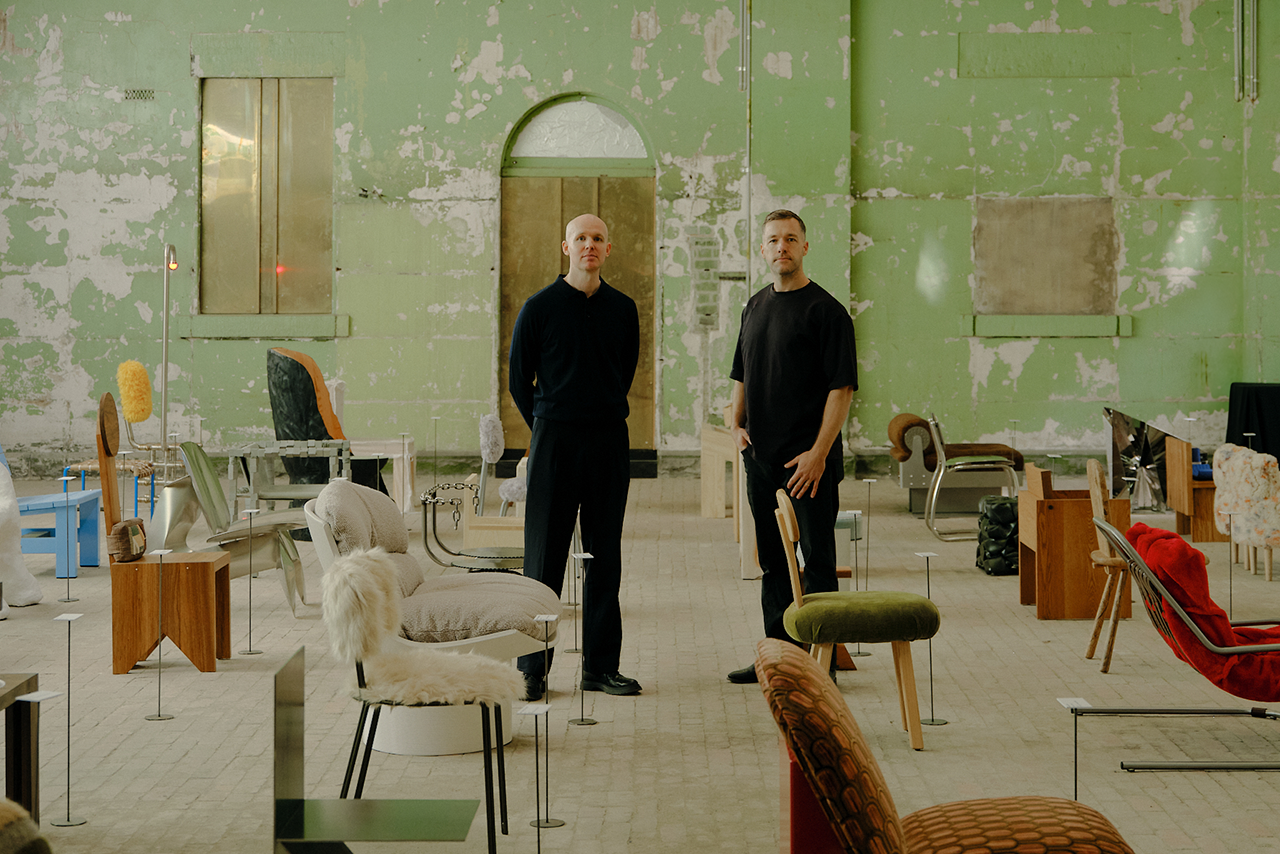
Robert Chen, the founder of Singapore-based practice Brewin Design Office. First, Monocle contributor Alexandra Aldea starts off with a few home truths from Melbourne Design Week (pictured).
|
|
OPINION: Alexandra Aldea
Home advantage
Melbourne comes alive in its neighbourhoods beyond the city centre. The city lives here and, appropriately, rather than anchoring itself to a single trade hall, the 10th edition of the annual Melbourne Design Week (MDW) was spread across its distinct geographic pockets. More than 400 events were held in industrial hubs, commercial showrooms and heritage precincts, and echoed the Australian design industry, which operates on a localised, independent scale. Functional design, heritage craft and fine art were central to the 11-day programme, which concluded on Sunday. While design weeks often seek to distinguish these three themes, MDW showed that they can work together.
In the commercial heart of the CBD, at furniture retailer Stylecraft’s newly opened showroom on Collins Street, the focus was on circularity. The brand, in partnership with the National Gallery of Victoria, presented designer Joanne Odisho with the 2026 Australian Furniture Design Award for Mod-u, a modular lighting system that addresses waste produced in urban environments. The range is composed of delicate paper paired with structural blocks that are cast from an eggshell composite salvaged from Melbourne’s famed cafés. This approach demonstrates how material innovation can thrive on a micro scale, turning waste into functional objects worthy of a prize.
|
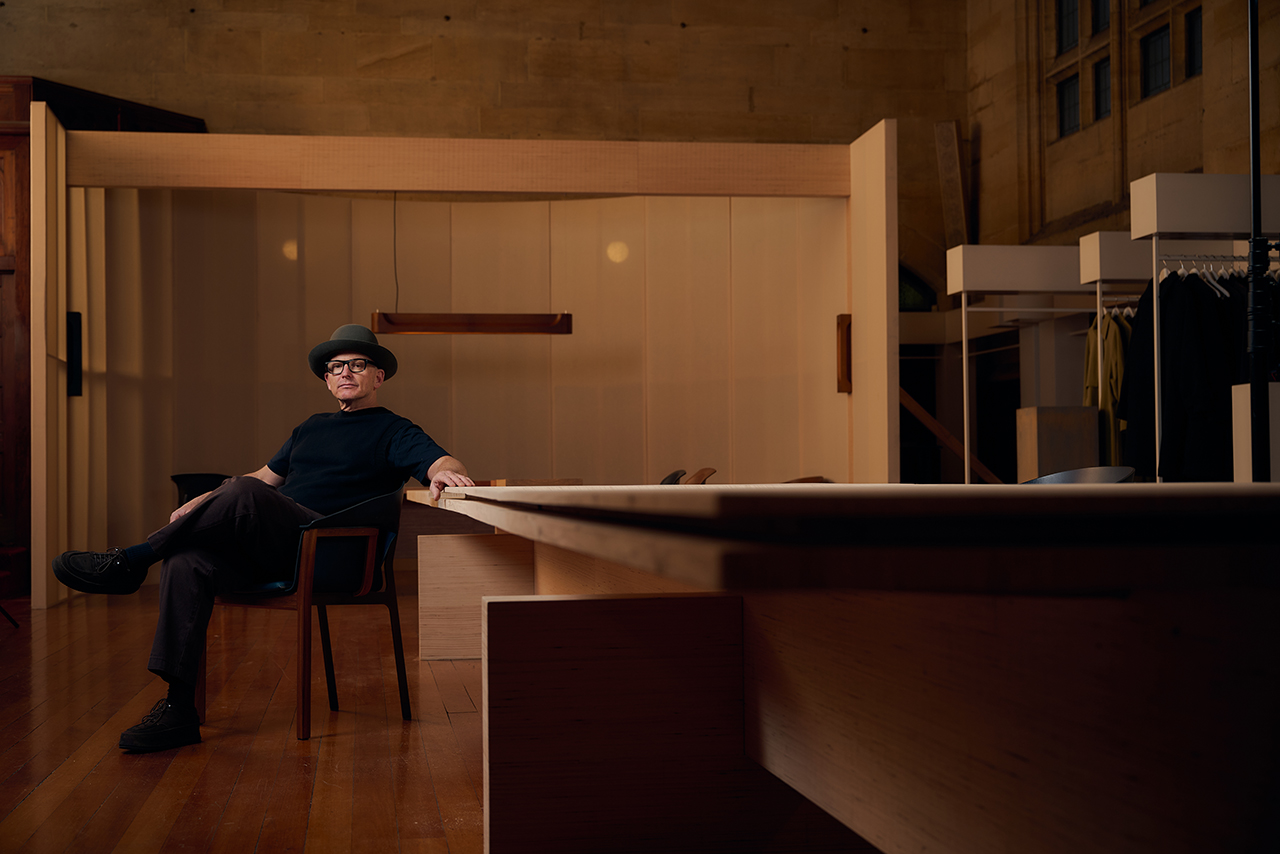
Just a short walk away on Flinders Lane, the historic Chapter House (a lofty hall adjacent to St Paul’s Cathedral) is home to Melbourne-born, sibling-run fashion label Alpha 60. The space hosted
Conversations, a showcase by Adelaide-based fourth-generation furniture maker (and former senior designer at Snøhetta) Jon Goulder (pictured, above). His monumental 10-metre table, co-created with architect Henry Williams, clinched him this year’s Melbourne Design Week Award. Alongside his Pavilion Dining Chairs, made of a moulded-leather shell and supported by a steel-and-hardwood frame, the installation exemplified the role of the designer-maker. In his namesake atelier, Goulder conceives industrial forms and handcrafts physical objects that function simultaneously as collectable art and everyday utility. This ethos can be traced back to British textile designer William Morris and the 19th-century arts and crafts movement, which warned that separating the conceptual thinker from the physical fabricator strips an object of its soul. Crucially, the pieces in this collection are priced in line with high-end international designer imports, offering commercial viability for bespoke local craftsmanship.
In the city’s inner northeast at the Abbotsford Convent, the program shifted toward the intersection of art and domestic utility. An exhibition called
Synthesis, curated by the newly launched Melburnian practice Studio Shields, showcased furniture and other objects as they might exist in a living room. There were contemporary collectable works by more than 40 local designers, arranged into layered, domestic vignettes, combining textiles, furniture and ceramics. Most pieces were one-off or made-to-order, from a sculptural bar by Mood Workshop to Objects For Thought’s new wall light, Riva.
|
The designer-maker philosophy – underlined by the likes of Odisho and Goulder, and celebrated by
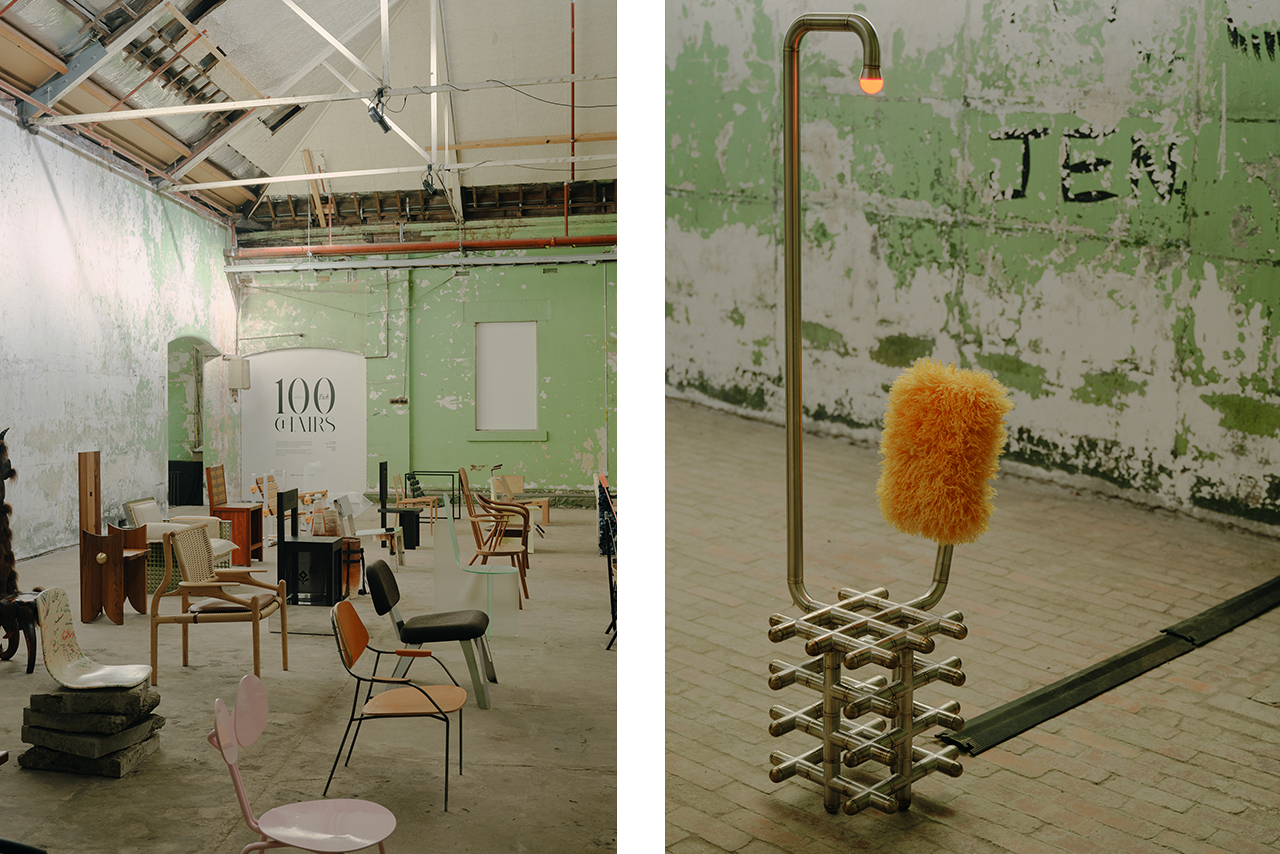
Synthesis – is not merely an aesthetic choice but an economic necessity in Australia, where the domestic scene lacks the industrial-manufacturing infrastructure of Europe or North America. This constraint was put to a test in another showcase at the Abbotsford Convent, where Friends
& Associates’
100 Chairs exhibition (pictured, above) mandated that every single piece on display had to be designed and produced in Australia. By forcing more than 100 creatives to strip away international supply chains, the exhibition highlighted a way forward for the industry. Ultimately, just as Melbourne lives in its neighbourhoods, the Australian design industry lives within its own borders, turning small-scale, onshore agility into a permanent structural advantage.
Alexandra Aldea is a Monocle contributor, splitting her time between Europe and Australia.
|
|
gallery visit: Difane, Mexico
Creating a scene
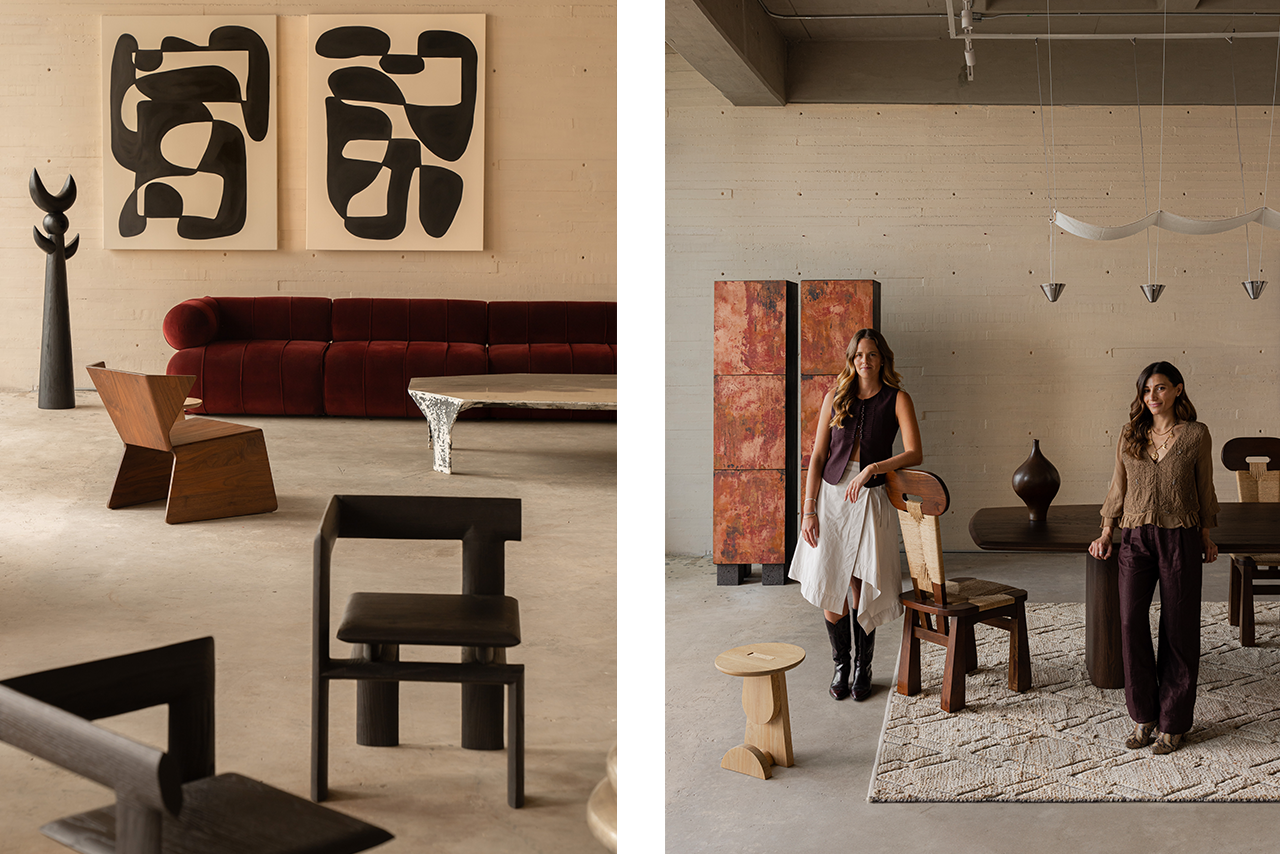
The rise of Mexican design to global acclaim is thanks, in part, to the work of galleries such as Mexico City-based Difane. Run by Fernanda Salamanca and Andrea Gadsden, it supports the nation’s independent designers, including Andrés Gutiérrez and Carlota Coppel. “When we started, most people around the world thought of Mexican design as just arts and crafts,” says Gadsden. “We wanted to give visibility to this other branch.”
From its permanent space in the Roma Norte neighbourhood, the gallery works with Mexican designers to co-develop products that push boundaries and speak to a global audience. “Mexicans create beautiful objects but don’t always know how to sell them,” says Salamanca. “What we do is look for good designs that can compete internationally.” The result is a platform that fosters a community of creatives.
difane.com.mx
For more on how Difane’s reshaping Mexico’s design scene, read our full report at monocle.com.
|
|
WORDS WITH... Robert Cheng, Singapore
Ways of seeing
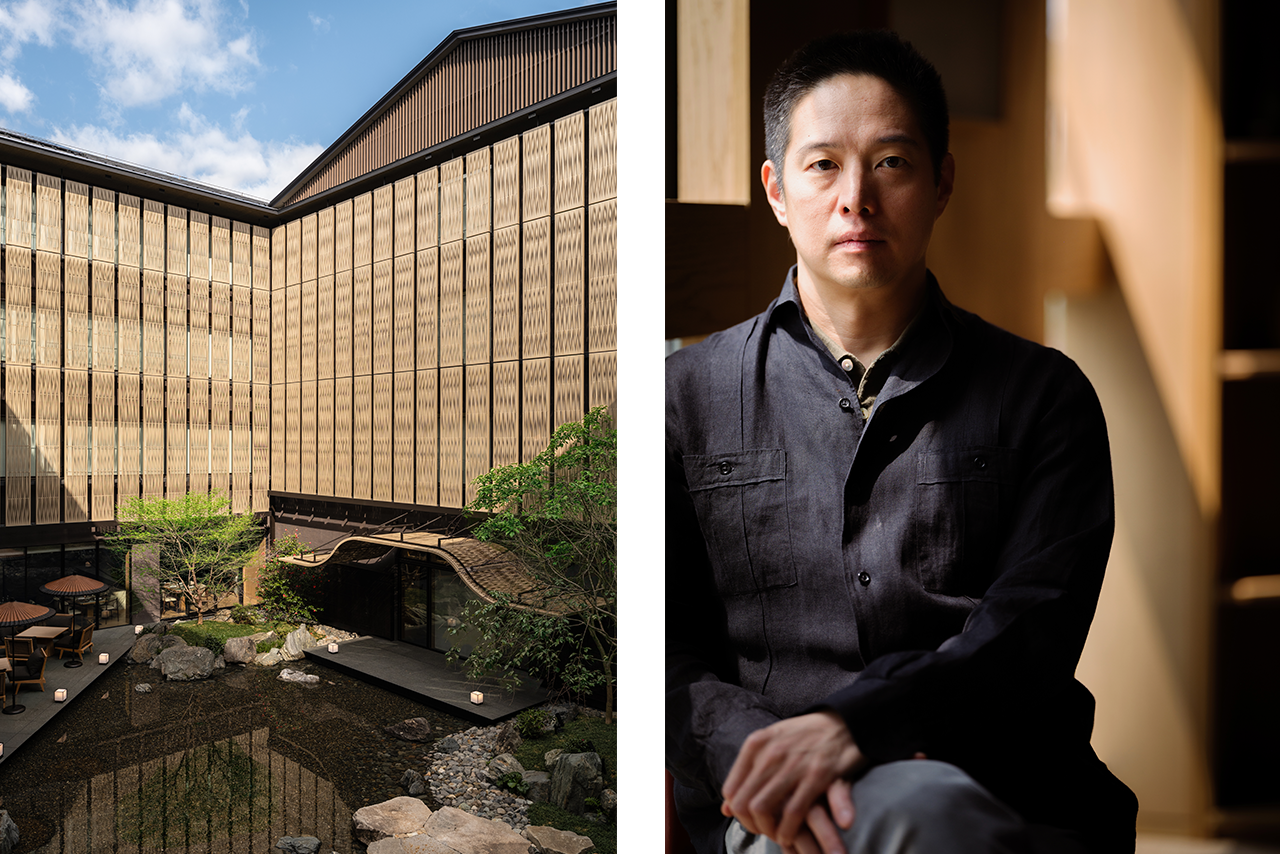
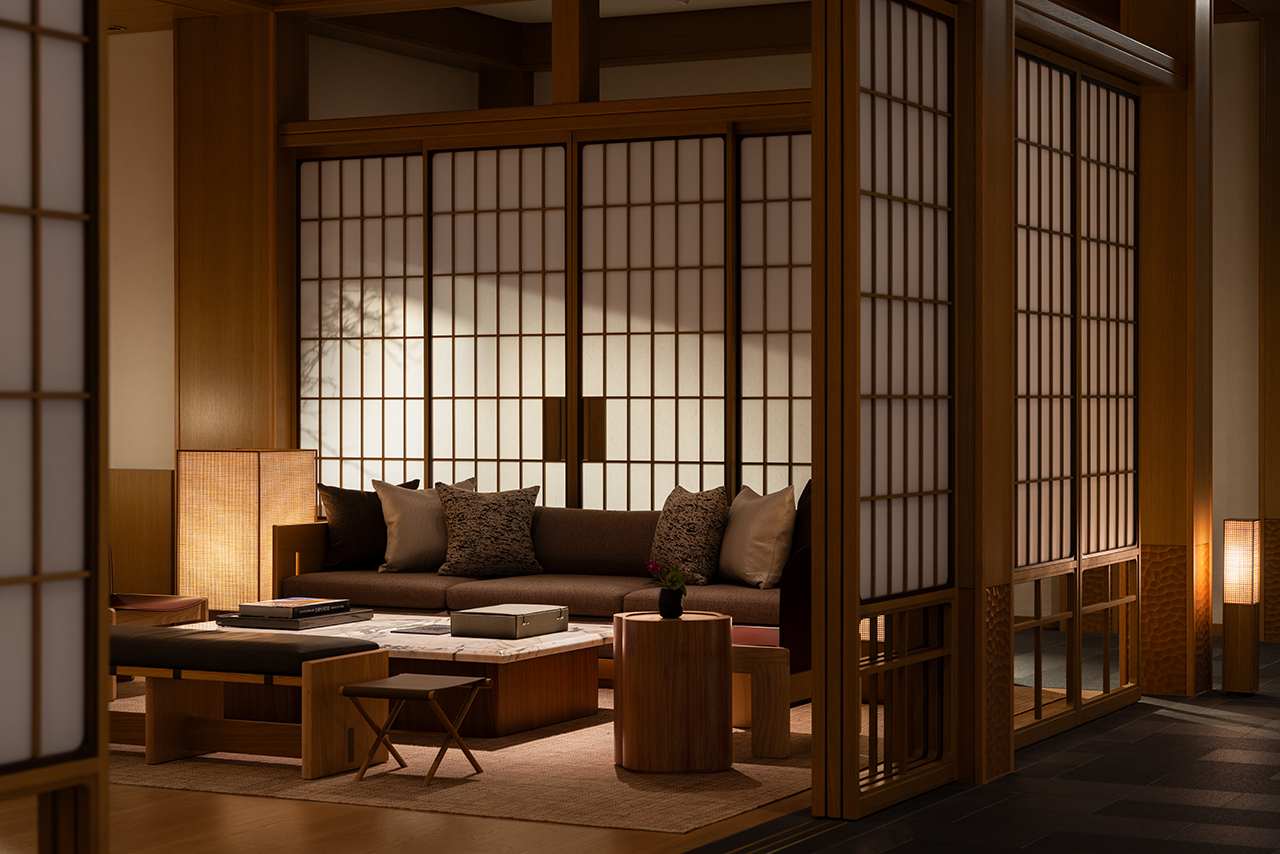
Capella Kyoto – the luxury hotel brand’s Japan debut – has opened to great acclaim for its
machiya townhouse-inspired design and sense of intimacy. Its interiors were created by Robert Cheng, founder of Singapore-based practice Brewin Design Office, who partnered with a raft of artisans and local artists to shape a stay that fuses tradition with innovation. Though this is Cheng’s first major hospitality project, he is already setting the scene at two more Capella outposts in China. Here he tells us about the enduring appeal of art deco and why New York’s design scene is worth returning to for inspiration.
|
|
What designer or movement has shaped you the most?
I love the art deco movement. It was a beautiful period in the early 20th century, when designers pushed the boundaries of furniture. Works from this time are still inspiring contemporary furniture today. It was also a period of cross-pollination, when many designers from the West were influenced by craft from Japan and beyond.
A favourite project that you’ve worked on?
A family office in the iconic Hong Kong Club Building designed by Austrian-Australian architect Harry Seidler in the 1980s. It’s a beautiful modernist property with a column-free interior and coffered ceilings that reminded me of Eero Saarinen’s TWA Flight Center at John F Kennedy International Airport and Frank Lloyd Wright’s Johnson Wax Administration Building. We took inspiration from the spirit of this period, creating custom furniture pieces alongside vintage works by Oscar Niemeyer and Jean-Michel Frank.
The sky’s the limit: which piece of furniture would you love to own?
Japanese photographer Hiroshi Sugimoto’s long glass benches from Benesse House Museum on Naoshima. The seats are supported by two granite pieces. It would be so difficult to find a factory that would be able to cast glass of that length into a bench. By using only glass and granite, the monolithic work also has a certain purity.
A recurring source of inspiration?
One of late American architect Paul Rudolph’s last projects was a home in Singapore and I was fortunate to have helped with the interior design in 2006. I oversaw another facelift in 2013 and, more recently, I refurbished it for a third time. It has been interesting to see how my work has aged over 20 years and what I would do differently now.
A priority for you and the industry going forward?
We need to pay homage to the makers. If the industry takes time to understand how something is built and grasps the importance of celebrating the builder, the results will be so much better.
Which city has the best design scene? And where should we visit?
While people talk of Milan as the centre for furniture design, I always come back to New York. It is a walkable city packed with ideas, passion and people who are trying new things. You’ll get ideas at every corner, whether from a poster, the subway or by admiring a building by Norman Foster. There is no one distinctive place to visit in New York; it’s more about how you can cross a street and immediately sense the difference between one neighbourhood and the next. If you can, try to immerse yourself in the city for a few months – you’ll suddenly interact with it very differently.
For more from designers such as Robert Cheng, tune in to ‘Monocle on Design’ on Monocle Radio.
|
|
from the archive: Le Bureau Tardieu, France
Turning the tables
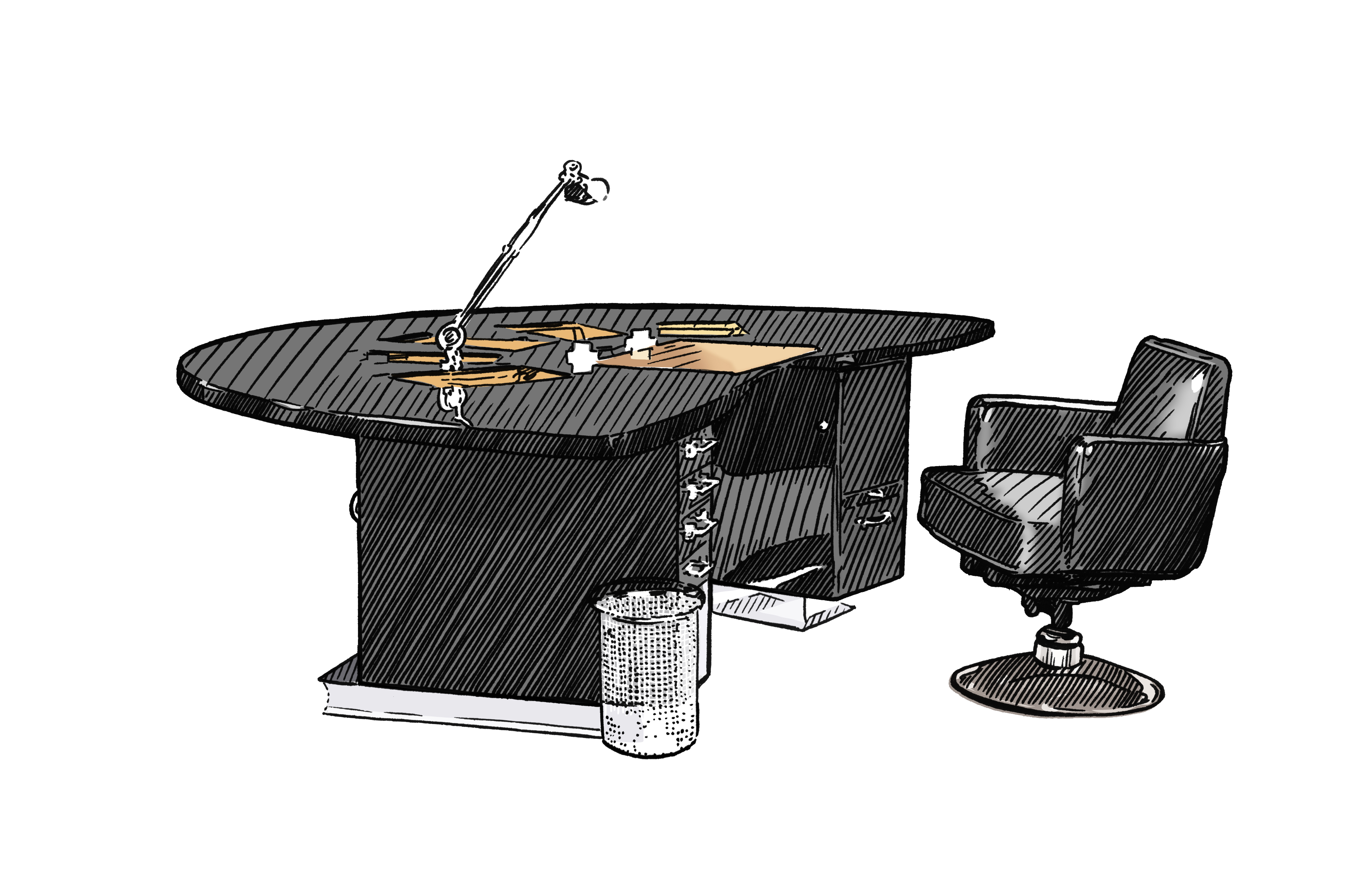
It can be easy to forget in a political era of gilded statues and grandiose ballrooms that material gestures of power can also be tasteful. This ultimate executive desk was designed by Émile-Jacques Ruhlmann, a Parisian interior designer, in an attempt to secure the future maharajah of India as a client. When it was exhibited at a salon in 1929, Ruhlmann won over not only the young prince but also industrialists and statesmen from across the world, including André Tardieu, who became French prime minister the same year.
|
The lacquered, semi-circular desk could be customised to each client’s wishes. This particular version, which ended up in Tardieu’s nautical-themed villa, came equipped with a built-in desk lamp, a leather-inlay writing surface, five fanned-out compartments, spacious drawers and a wastebasket – as well as a custom-made swivelling padded leather chair. And why not? There’s no reason that people in power shouldn’t have environs that reflect their position. The key is to do it with style.
|
|
IN THE PICTURE: Zürich Print Institute, Switzerland
Laying down a marker
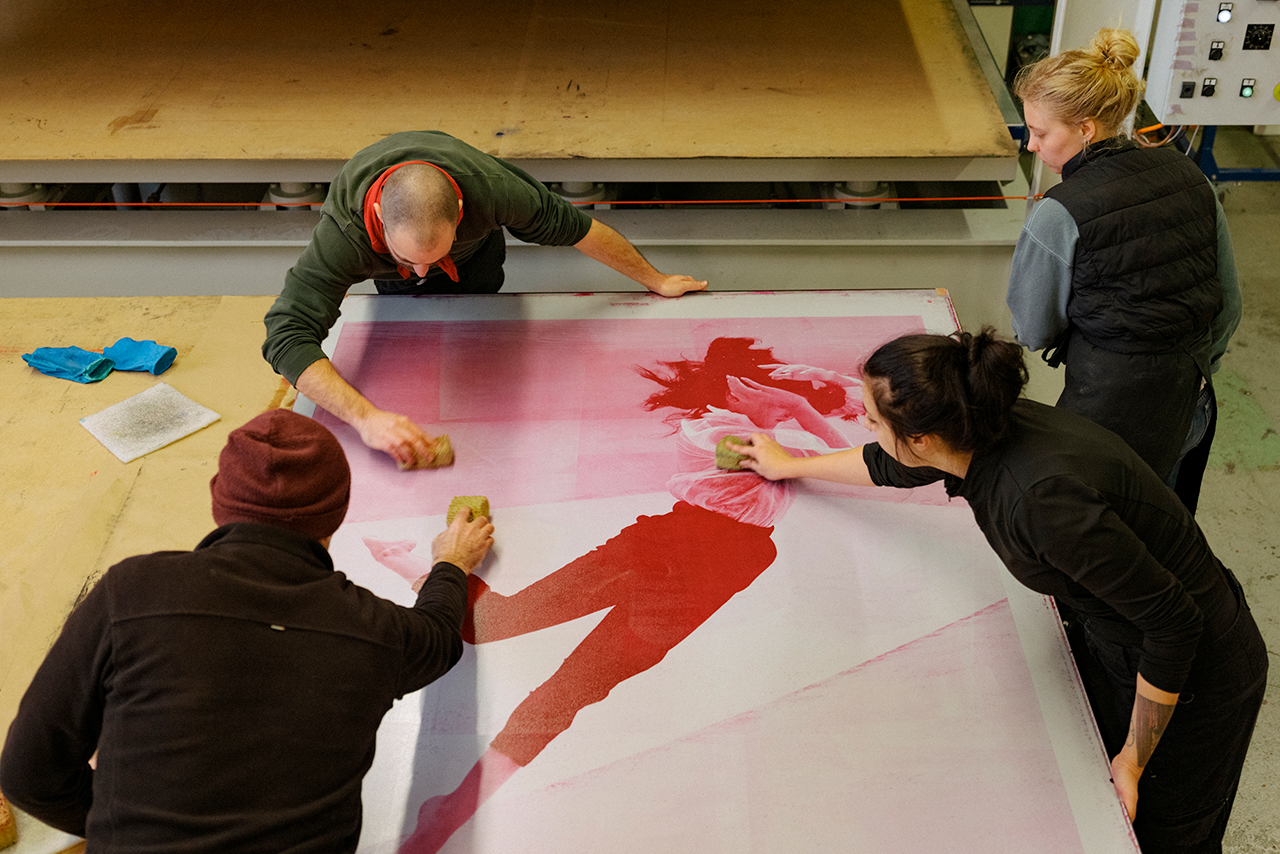
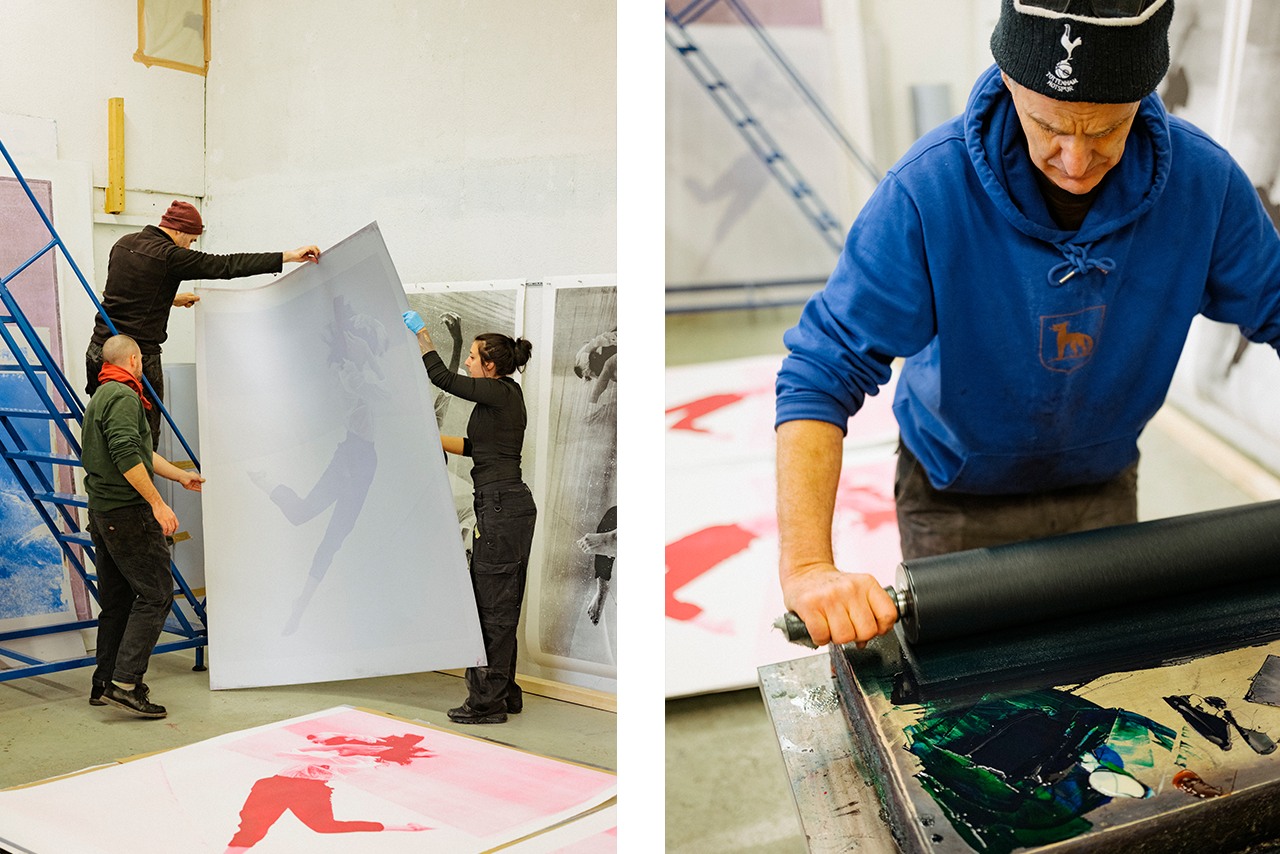
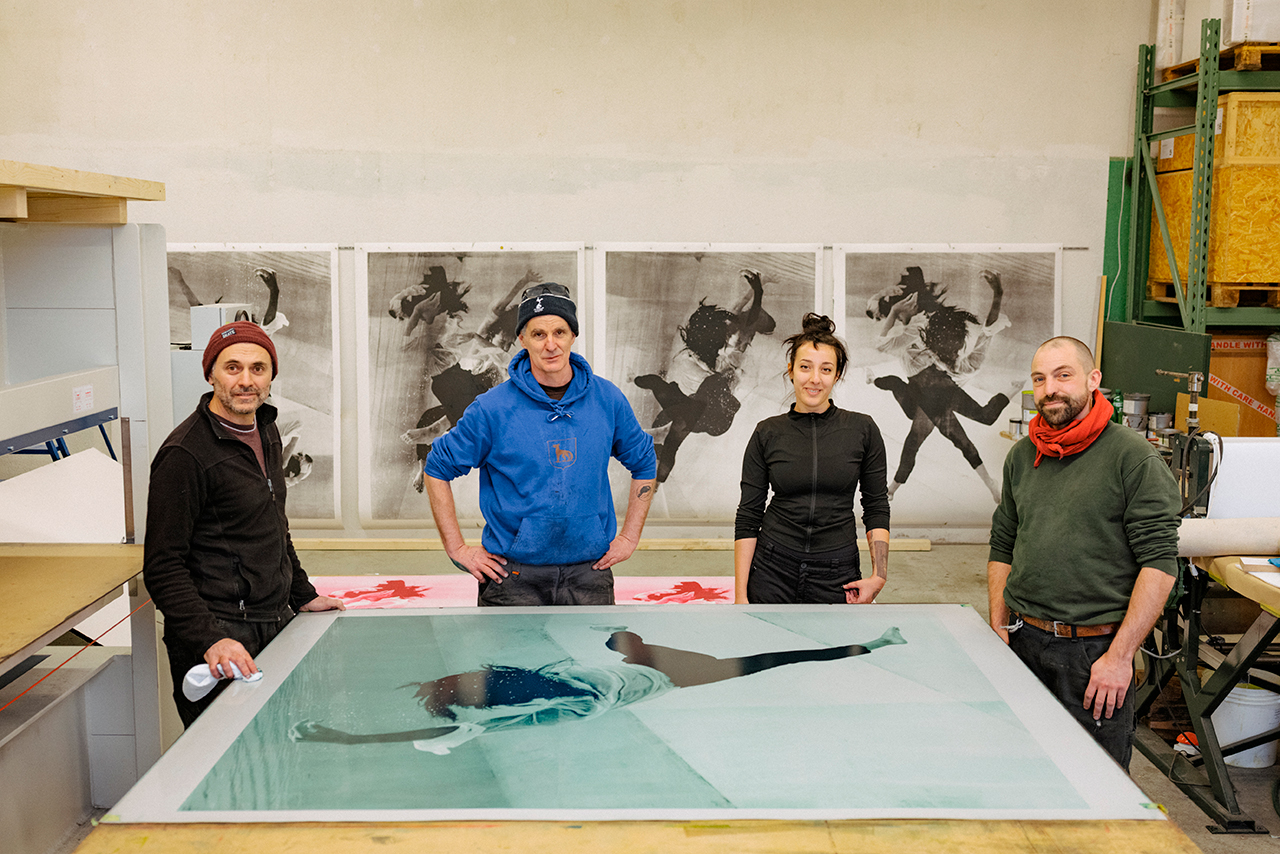
The Zürich Print Institute has a mission: to promote printmaking by bringing ever more people into the fold. Established in 2023 by gallerist David Khalat and master printer Thomi Wolfensberger, it offers high-end production facilities for world-class artists to practice all four processes of traditional printmaking: relief, intaglio, lithography and screen printing. “On the one hand, we’re trying to keep the tradition of printmaking alive,” says Khalat. “But we’re also pushing the boundaries with format. The work often starts as a print, then becomes an art object.”
|
|
|
The institute also wants to engage with people beyond the artistic community, offering consultancy on everything from classical techniques to digital and 3D methods. It brings in the public through exhibitions and cultural programming at its location in central Zürich too. “The programme interests both the artists and the audience,” says Khalat. It’s an enterprise that sets the benchmark when it comes to keeping alive traditional making methods, while also broadening the craft’s reach.
zurichprintinstitute.com
The Zürich | | | | |