A compact coffee machine, South Korea’s nuclear-sub plans and stories you might have missed.
|
Thursday 28/5/26
|

|
|
London
Paris
Zürich
Milan
Bangkok
Tokyo
Toronto
|
|
|
|

Need a pick-me-up? Monocle’s June issue takes a look at the coffee industry’s hotshots from Milan to Melbourne. So, if you haven’t already poured yourself a piping hot cup or dashed out to pick up a flat white, do so now. Today’s Minute and the out-now issue pair best with your morning caffeine fix.
THE OPINION: Spilling the beans on the global coffee industry
IN THE BASKET: South Korea outlines nuclear-submarine plans
DAILY TREAT: Start your day with La Marzocco’s compact coffee machine
THE LIST: Stories you might have missed
|
|
Wake up and smell the coffee – Monocle’s June issue is out now
By Andrew Tuck
|

|
The world can be divided into just two types of people: coffee devotees and tea drinkers. I am a proud member of the coffee tribe and, frankly, harbour a distrust of anyone who outs themselves as a lover of the teapot and all the stewed, tannin-laced evil that can spurt from its spout.
Coffee is about speed, energy, focus. It’s about having a stand-up espresso in a Milanese café, surrounded by people in good suits, or sitting outside a Sydney café enjoying another flat white with ready-for-fun friends. Coffee is also about well-designed cafés, clean aesthetics.
And tea? Well, tea is all about becoming a permanent resident of Sleepy Town. It’s a world of slipper-wearers who say things like, “What I need is a nice cup of tea and to put my feet up.” Yes, bubble-tea bars and matcha cafés have proliferated but these are drinks that obscure their tea element using fruity flavours or Day-Glo green colouring. Really, if you need to get anything done, make sure that you find a coffee drinker.
|
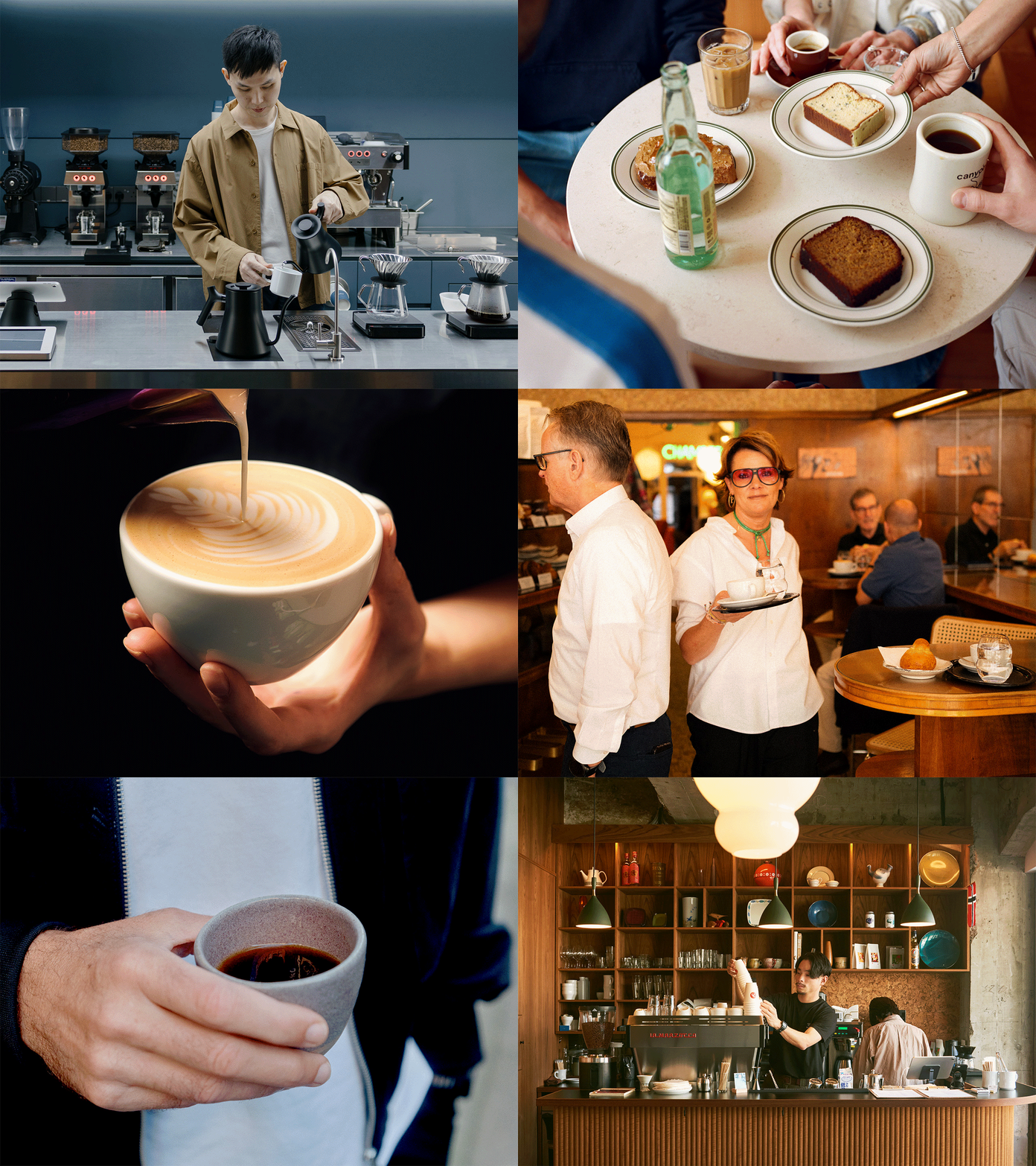
It seems that much of the world agrees with me. Certainly, the money people do. The coffee shop has become one of the hottest investment sectors for venture capitalists, alcohol businesses trying to diversify and community-building fashion brands. Despite the buzz, there’s a challenge for owners of coffee shops who dream of taking their companies to the next level: how do you hold on to your independent, neighbourhood vibe and have 10, 20 or 100 outlets? It’s tricky to pull off but not impossible.
Before we tackle the intricacies of global marketing, a brief coffee break. Because how did we get here? How did we get to dinky coffee-shop brands being valued at more than $1bn (€850m)?
When Monocle launched some 20 years ago, the coffee story already seemed piping hot. It was a moment when the Aussies and Kiwis were perfecting their soon-to-go-global flat whites and defining a new coffee-shop aesthetic. It was a time when being a barista was suddenly one of the higher callings in the world of F&B and when latte art was taking hold, finding many of its finest practitioners in Japan. And, in the US, it was when a new generation of coffee pioneers was out to break the Starbucks model.
A so-called “third wave” of coffee culture, with lighter roasts and intense bean knowledge, was coming to the fore. There were several components to this then-DIY world that were set to catch the attention of ambitious entrepreneurs and investors. Drinks brands wanted entry to a trade that served young people who were imbibing less booze. Fashion companies saw a way of making a community by using their brand’s halo effect in the world of coffee. And others spotted that coffee, served in an impeccable setting, could prove lucrative in wealthy markets such as the UAE and Saudi Arabia, where people gather and spend their social time not in bars but cool iterations of the café (though this is not a one-way street because
Emirati and
Saudi brands are now going global too).
This all means that there is a lot of money to be made if you can crack the coffee-shop conundrum of growing big while looking small. Luckily there are other models that show how it can be done. Take Aesop, which was founded by Dennis Paphitis in 1987. Today the body-care label is owned by L’Oréal (which paid more than €2bn for the pleasure) yet Aesop retains much of its initial indie DNA by keeping its branding almost unchanged, investing heavily in good shop architecture and appearing at design events such as Salone del Mobile. UK coffee-shop company
WatchHouse is aiming for the big time but through good design (and beverages). And it still feels cool, despite having raised money from Mark Bezos’s private-equity firm. There are lots more following the same playbook.
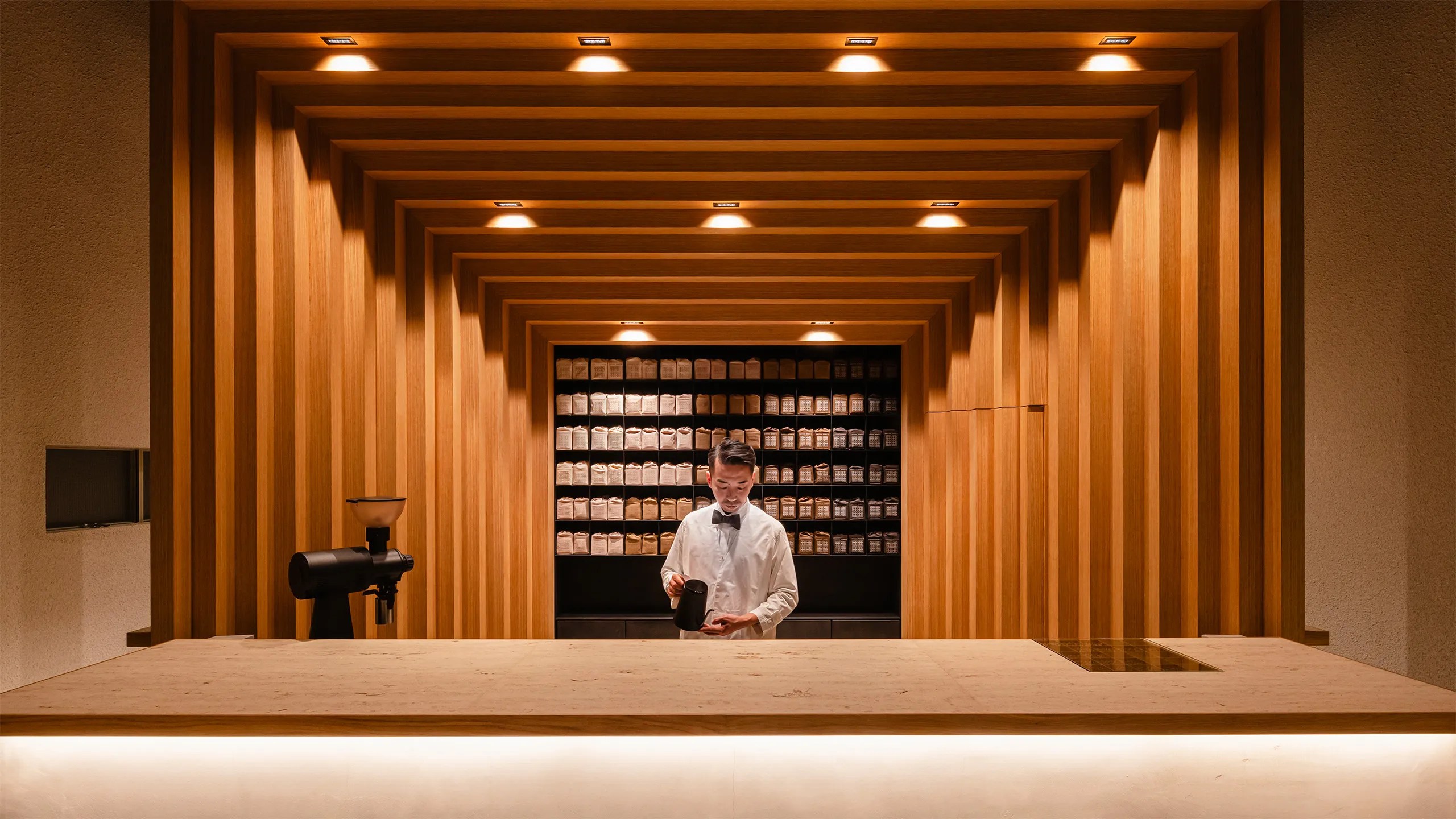
It’s stories such as these that intrigue us. In our June issue, we’ll take you around the world to visit coffee-shop brands both big and small with interesting and surprising stories to tell. After that, we’ll visit 25 nice cafés – just places that we like. We hope that you find it refreshing.
Andrew Tuck is Monocle’s editor in chief. For more opinion, analysis and insight, subscribe to Monocle today.
|
|
in the basket: south korea
Seoul sets its sights on nuclear-powered submarines
In the basket: Nuclear-powered submarines
Who’s buying: South Korea
Price: TBC
Delivery date: Mid-2030s
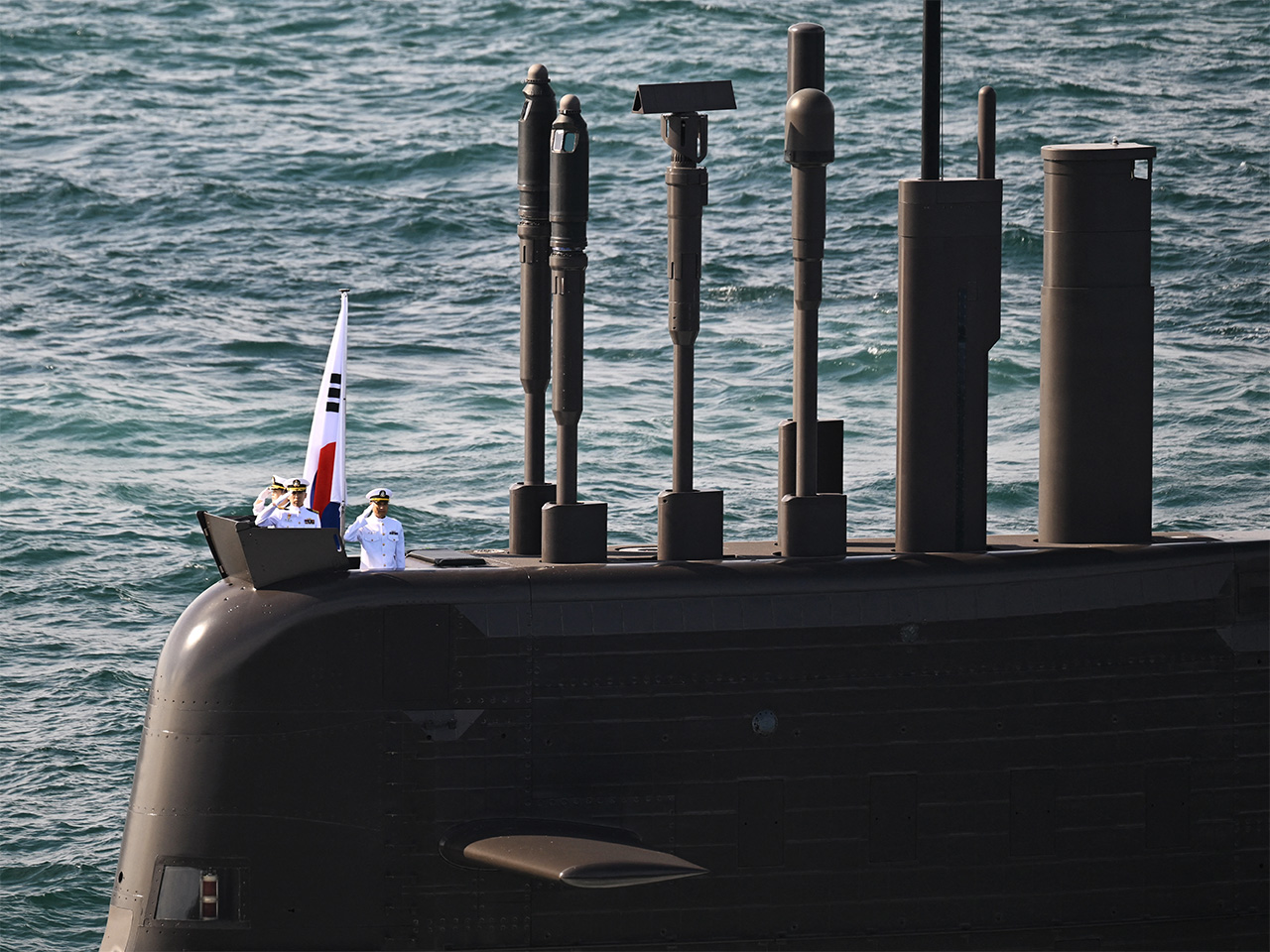
South Korea’s announcement this week to launch its first nuclear-powered submarine by the mid-2030s has propelled the country into an exclusive club. Currently, only six nations – the US, France, China, Russia, India and the UK – operate nuclear-powered (as opposed to nuclear-armed) submarines. Several more countries are working towards this, including Australia, Brazil, Turkey and North Korea. Nuclear-powered submarines have considerable advantages over conventional boats: they’re quicker and can stay at sea much longer.
|
|
|
Sea change: South Korean Navy submarine Shin Chae-ho
|
|
Seoul has been careful to avoid looking like it is getting any big ideas. During the announcement, defence minister Ahn Gyu-back reiterated South Korea’s lack of interest in acquiring nuclear weapons and its appreciation of its alliance with the US.
The country might also have an eye on the export market. These are – no pun intended – boom times for its arms manufacturers. Orders of South Korean military kit have more than doubled in the last decade, making the nation the one of the world’s-largest arms exporters behind the likes of the US, France and Russia. Submarines could become a valuable addition to that range. Just this week, the diesel-electric ROKS Dosan Ahn Changho arrived in Canada, marking the first time a South Korean submarine has completed a trans-Pacific crossing.
|
|
• • • • • DAILY TREAT • • • • •
Start your morning with La Marzocco’s compact coffee machine
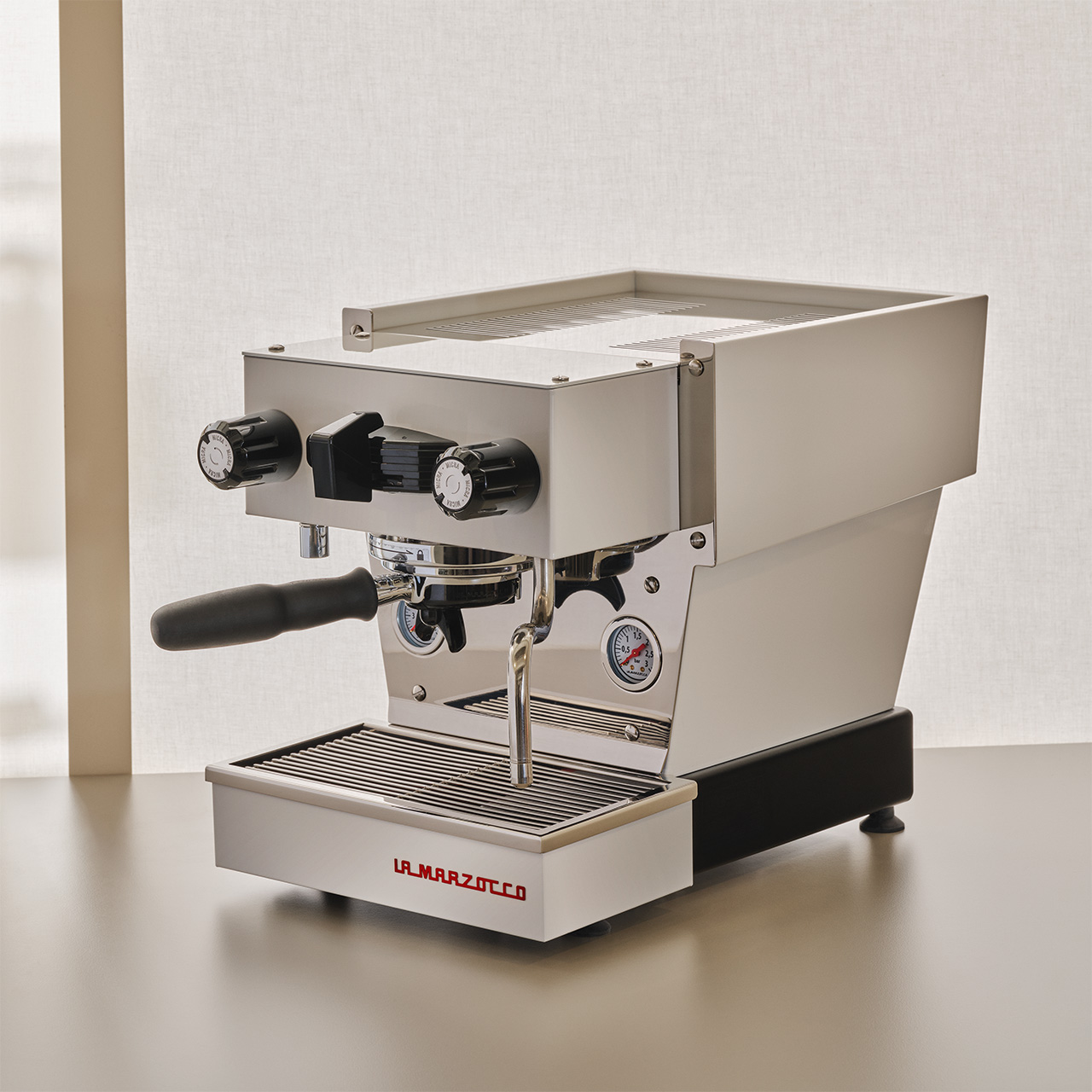
This compact version of La Marzocco’s barista-approved coffee machines allows you to make café-level flat whites at home. “The Linea Micra is designed to offer the same performance as our commercial machines, scaled for home use,” says Stefano Della Pietra, La Marzocco’s head designer.
The machine’s clean-lined aesthetic reflects the manufacturer’s Florentine roots, making the Linea Micra an elegant, eye-catching addition to your kitchen countertop.
lamarzocco.com
|
|
the LIST: FROM monocle.com
Three creatives you might not have met yet on
monocle.com
Here are three updates from an artist, an architect and a gallerist you should know.
|
|
| | |