|
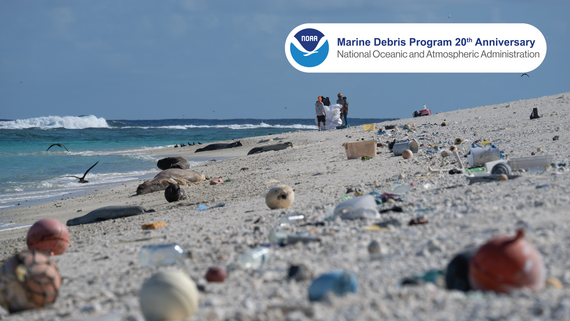
Crew from the Papahānaumokuākea Marine Debris Project remove marine debris from the shores of the Marine National Monument. (Photo Credit: Andrew Sullivan-Hawkins/ Papahānaumokuākea Marine Debris Project)
English
Twenty years ago, the NOAA Marine Debris Program was established as the U.S. Government’s lead to reduce and prevent the adverse impacts of marine debris on our ocean and Great Lakes. During this webinar, regional coordinators will highlight two decades of NOAA MDP supported projects and efforts across the Caribbean, Florida Keys, and Pacific Islands.
Español
Hace veinte años se creó el Programa de Desechos Marinos de la NOAA (NOAA MDP) como líder del Gobierno de los Estados Unidos para reducir y prevenir los impactos adversos de los desechos marinos en nuestros océanos y los Grandes Lagos. Durante este webinar, los coordinadores regionales destacarán dos décadas de proyectos e iniciativas apoyados por NOAA MDP en el Caribe, los Cayos de Florida y las islas del Pacífico.
Our Speakers
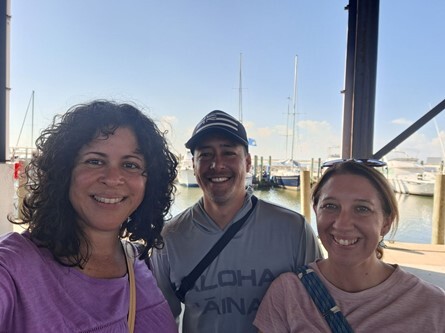
From left to right: Yaritza Rivera-Torres, Mark Manuel, Ashley Hill. (Photo Credit: NOAA)
Learn About the NOAA Marine Debris Program’s Tropical Island Regions
Tropical islands feature a variety of important marine environments including mangrove forests, productive seagrass beds, and coral reefs that support coastal communities and ecosystems. In partnership with local agencies, non-governmental organizations, and coastal and fishing communities, the NOAA Marine Debris Program aims to prevent and reduce marine debris in the tropical island communities through prevention, research, and removal projects, as well as response to severe storms. Our tropical communities work on marine debris projects and action plans to prevent negative impacts to wildlife and coastal communities.
|