| | In this edition: Scoop on PIC’s new board, Zambia’s debt vs. energy election, and S&P buys into Lago͏ ͏ ͏ ͏ ͏ ͏ |
| |  | Africa |  |
| |
|
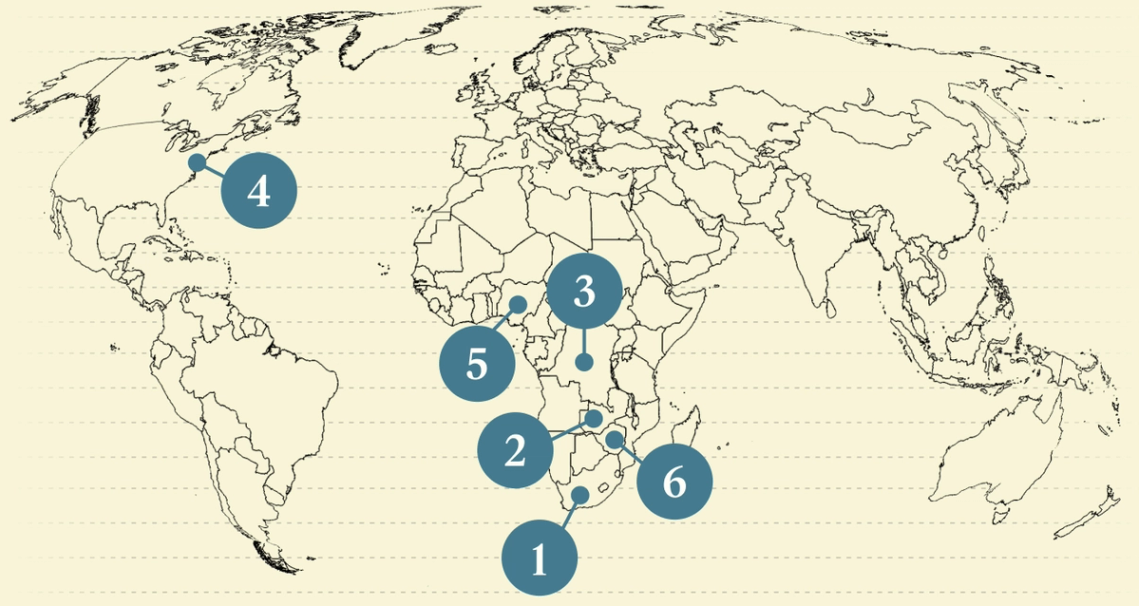 - Pension fund appointments
- Zambia voters assess economy
- DRC miner gets debt deal
- US bill for Sudan sanctions
- S&P to buy Lagos rating firm
- Zimbabwe’s first lithium plant
 South Sudan gets its first UNESCO heritage site. |
|
Semafor Exclusive S. Africa targets political allies for PIC |
| |  | Tiisetso Motsoeneng |
| |
 South African Minister of Finance Enoch Godongwana. Nic Bothma/Reuters. South African Minister of Finance Enoch Godongwana. Nic Bothma/Reuters.South Africa’s finance minister is considering appointing political allies to lead the Public Investment Corporation, a move that would preserve the African National Congress’ grip over Africa’s largest pension fund manager. Sources familiar with the process told Semafor that Finance Minister Enoch Godongwana is weighing whether to name the deputy trade minister or the deputy planning minister as the PIC’s next chair. Either option would break with the long-standing convention that the deputy finance minister — currently a member of the rival Democratic Alliance party in the country’s governing coalition — automatically chairs the body. Other board members under consideration include former Nedbank CEO Mike Brown and investor Phumzile Langeni, who previously served on the president’s investment advisory team. The PIC is one of Africa’s most influential institutional investors, overseeing more than $200 billion in assets and playing a pivotal role in financing the country’s listed companies and strategic industries. The board overhaul follows the resignation of the former chair and several directors after an audit of a $34 million loan found valuation errors. |
|
Semafor Exclusive Zambia vote tests economic recovery |
| | | Tiisetso Motsoeneng |
| |
 Zambia’s President Hakainde Hichilema. Moses Mwape/Reuters. Zambia’s President Hakainde Hichilema. Moses Mwape/Reuters.Zambians head to the polls next month in what will be a test of President Hakainde Hichilema’s economic record in the wake of a debt default, alongside regular power shortages and rising living costs. The frontrunner Hichilema is campaigning on his post-default successes, including wrapping up a $1.7 billion IMF deal in January. He will face Brian Mundubile, whose coalition is tapping into voter frustration over rising costs. Mundubile’s coalition hopes to split the vote, stripping Hichilema’s party of its legislative majority and threatening to gridlock reforms needed to keep the post-2020, $13 billion sovereign debt recovery on track. Zambia’s concurrent electoral systems allows voters to cast separate ballots for the presidency and parliament, creating the possibility of voters punishing local MPs for high living costs even if they back Hichilema nationwide. |
|
US-backed DRC miner gets debt deal |
| |  | Ruben Nyanguila |
| |
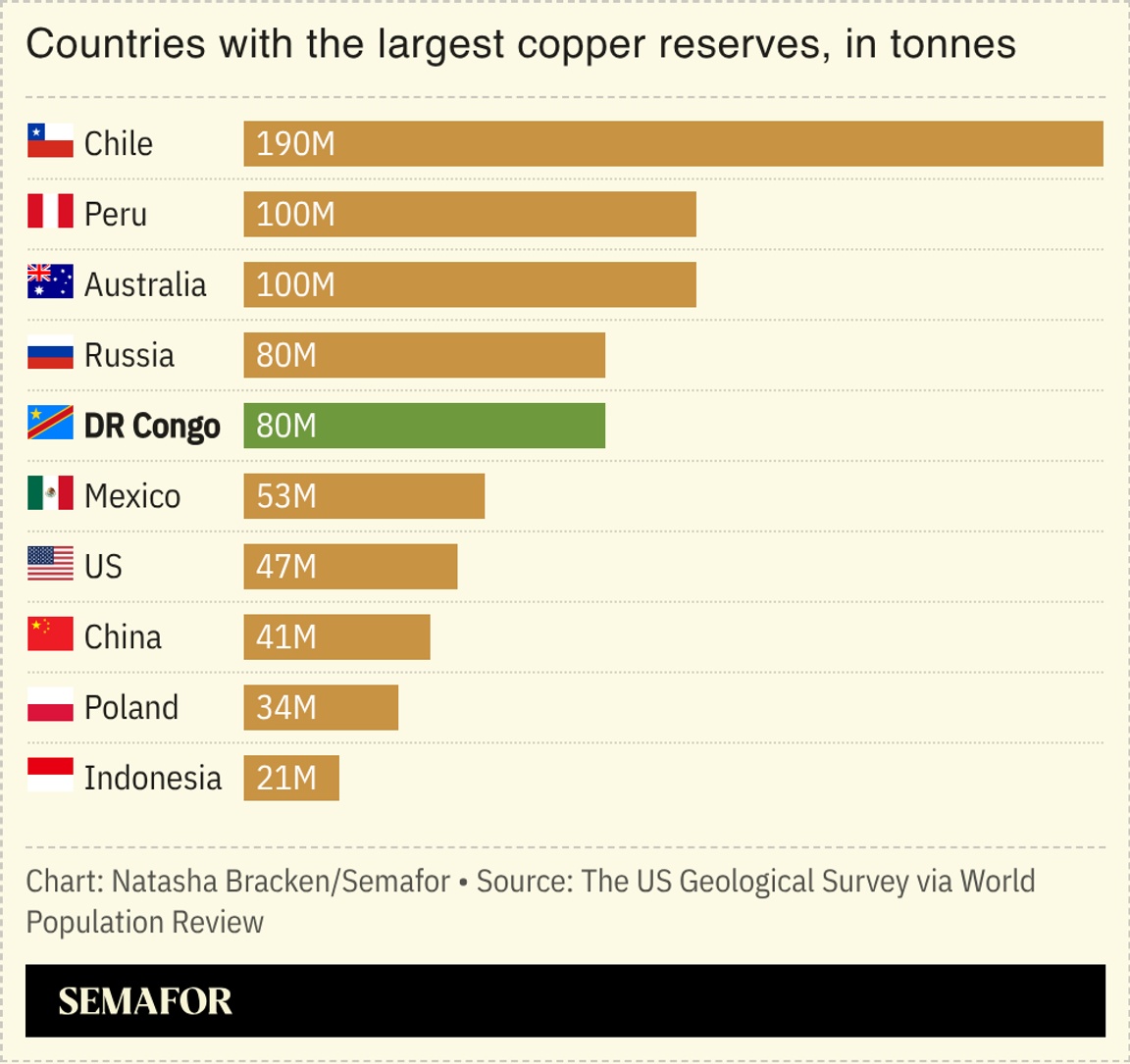 Struggling DR Congo miner Chemaf’s new US-Indian owners signed deals with creditors that hold most of the firm’s $804 million debt, in a move which could pave the way for it to restart operations. The White House has described Chemaf as its flagship investment in DR Congo, as part of the Trump administration’s wider strategic push to loosen China’s grip on critical minerals supply chains. Washington is eager to catch up to Beijing, and it is pursuing deals to increase its stake in mining sectors across Africa. Virtus Lloyds acquired Chemaf for up to $30 million in March after a cash crunch forced the miner to seek a buyer. The latest settlements would see creditors give up as much as $475 million — more than half of what Chemaf owes. |
|
Sudan sanctions bill progresses in US |
 Amr Abdallah Dalsh/Reuters Amr Abdallah Dalsh/ReutersUS legislation paving the way for further sanctions on parties in Sudan’s civil war has a greater chance of becoming law this year after it was added to the Senate’s defense bill. The proposal, filed by Republican Senator Jim Risch, would enable sanctions on foreign actors fueling the war, extend the authorization for a US special envoy for Sudan, mandate the Trump administration to assess whether any armed actor in Sudan can be designated as a terrorist group, and require a State Department strategy for ending the conflict. The three-year-long war between the Sudanese Armed Forces and the paramilitary Rapid Support Forces has killed tens of thousands of people and forced more than 12 million from their homes, in what aid groups say is the world’s largest displacement crisis. — Adrian Elimian and Lauren Morganbesser |
|
S&P to acquire Lagos ratings agency |
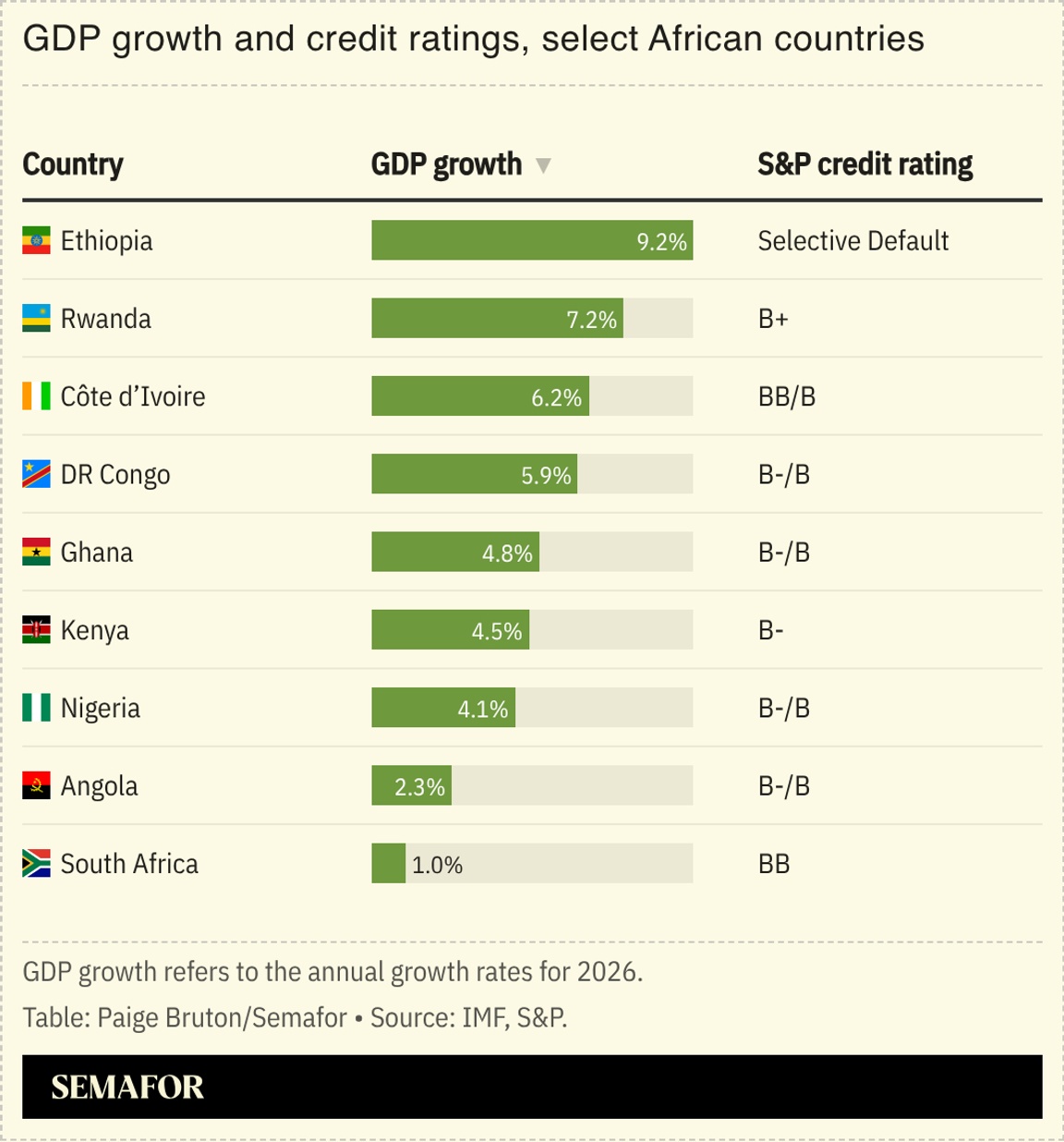 S&P Global said it will take a majority stake in Nigeria’s oldest credit ratings agency, expanding the financial data company’s ground presence in Africa amidst a growing clamor for better assessments of the continent’s realities. As one of the big three ratings agencies, alongside Fitch and Moody’s, S&P Global plays a crucial role in determining whether African sovereigns and businesses can secure capital from international financial markets. Its rival Fitch has been at the center of a high-profile row with the African Export-Import Bank this year over a ratings downgrade, leading both parties to sever ties with each other. S&P Global said the acquisition of Lagos-based Agusto & Co, which also operates in Ghana, Kenya, and Rwanda, demonstrates its commitment to “growth and transparency in local credit markets.” Terms of the deal were not disclosed. The African Union has backed a plan to create a homegrown ratings agency due to launch in October. But some critics have argued that promoting data transparency around African budgets and debt stocks would have a more meaningful impact in improving the continent’s assessment by the global agencies. — Alexander Onukwue |
|
Zimbabwe gets first lithium plant |
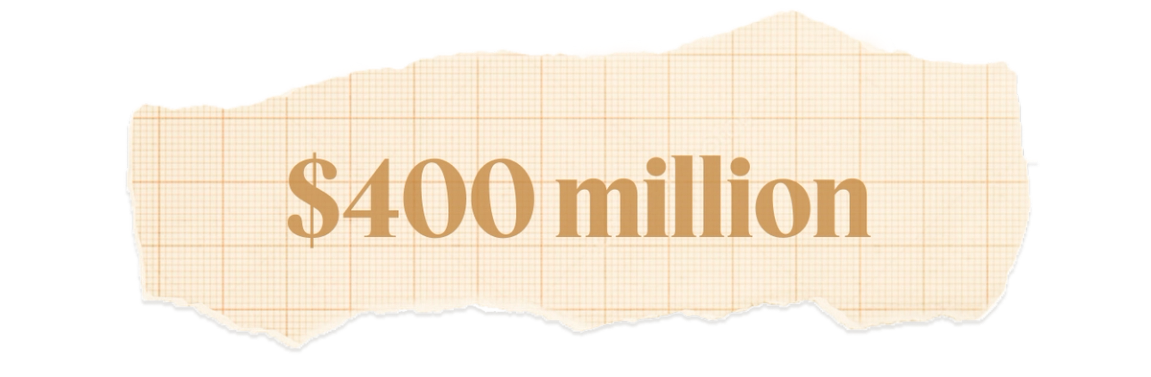 China’s Prospect Lithium Zimbabwe opened a $400 million lithium sulfate processing plant, part of efforts by African governments to capture more of the added value in mining industries. The plant, just outside Harare, is now fully operational, months after the government froze the export of raw minerals ahead of a complete ban next year. “The era of ‘horse and rider’ investment relationships is over,” President Emmerson Mnangagwa said recently. Zimbabwe is Africa’s leading producer of lithium, a key ingredient used to make rechargeable batteries for electric vehicles. PLZ is also planning to open a local lithium carbonate plant, the next point along the processing sequence. Harare has said its ultimate ambition is to make batteries and solar panels domestically; most are currently manufactured in China. — Jenny Vaughan |
|
 Business & Macro |
|
|


