Fire and pain in France’s Gironde, Abel’s vanilla summer scent and highlights from ‘Med, Mountains & More’.
|
Friday 31/7/26
|

|
|
London
Paris
Zürich
Milan
Bangkok
Tokyo
Toronto
|
|
|
|

Good morning. Our summer newspaper, ‘Med, Mountains & More’, is now on newsstands. Inside we round up the best Japanese kit to keep you cool, invite you to settle in for a drama-packed beach read by author Edward Chisholm and test your knowledge with a selection of puzzles. Order your copy here. For more news and views, tune in to Monocle Radio. Here’s what’s coming up in today’s Minute:
THE OPINION: Not taking August off work? You’re doing it wrong
AFFAIRS: Fire and pain in France’s Gironde
DAILY TREAT: Abel’s ice-cream-inspired summer fragrance
THE LIST: Highlights from Med, Mountains & More
|
|
Rest isn’t for the weak. Just ask Europeans – but not in the month of August
By Emily Bryce-Perkins
|

|
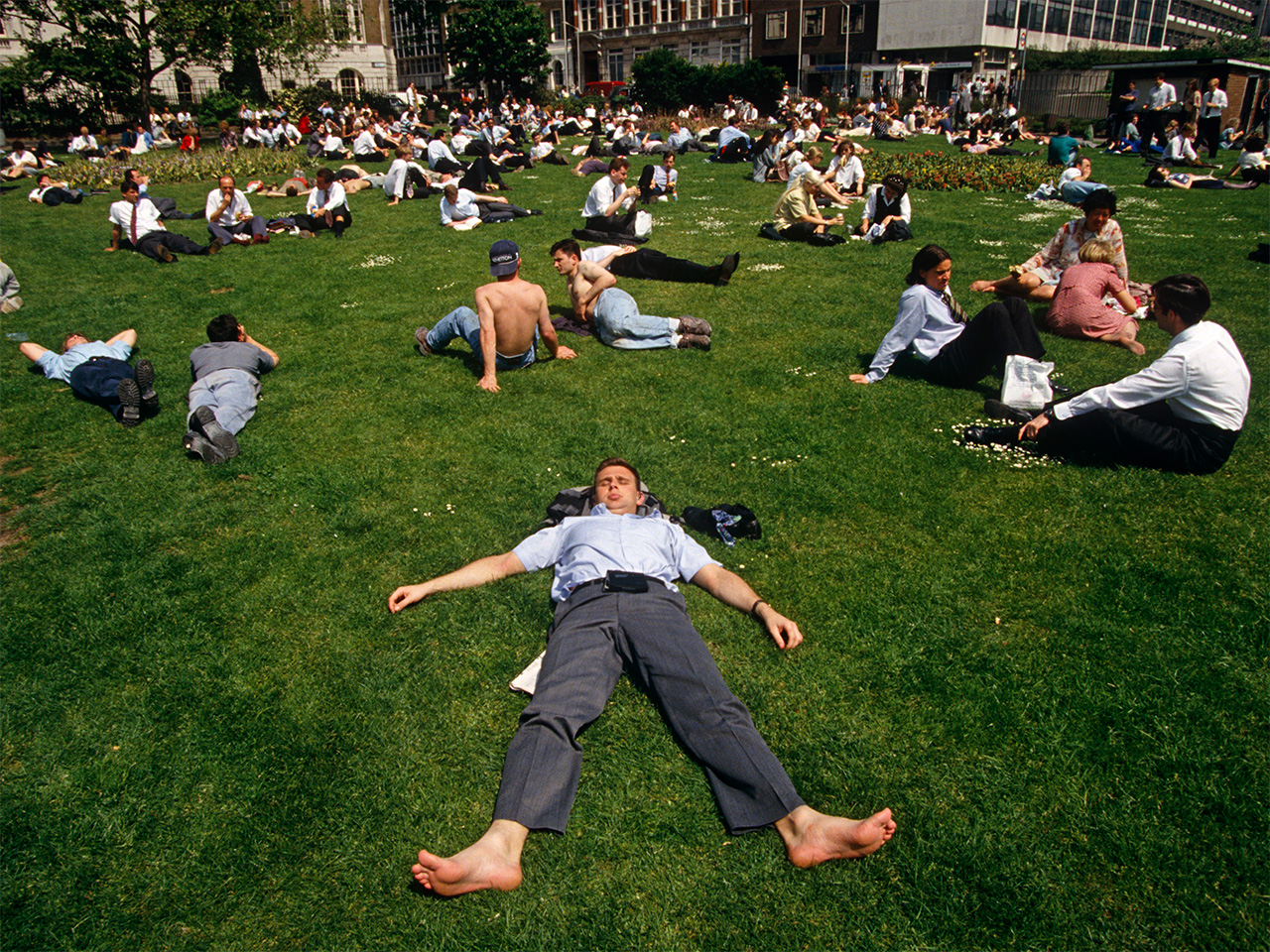
We’re just one day away. Every August large parts of continental Europe switch off. Shops shutter and people spend extended time with friends and family. Entire countries essentially have a well-earned break.
This comes as no surprise and yet, as this mass vacation rolls around every year, I react in much the same way. I rage and huff and call out this particular arrangement as absurd, unworkable and totally unjust.
However, it is difficult not to admire a society that collectively decides a large part of summer deserves protecting. Furthermore, it raises an obvious question: why haven’t the UK, US and other nations got a grip on this August situation? How haven’t we, on our productive patches, come to some sort of group consensus on how to handle the month? Could we not simply agree that it would be better if we all took the month off?
| |
|
Touching grass: Having August off helps Europeans stay grounded
|
|
Economically, I haven’t thought this through. I assume that there would initially be some sort of economic chaos. Industries combusting and such in the first few years. But, eventually, recovery? Lessons learned for the next summer? A slightly more honest relationship with work perhaps?
But forget all that: just imagine the fun to be had if an entire month was dedicated to downtime. Oh, the places we’d go. Surely this would be a good thing? Some offices – usually the sort with little work being done in – have launched “Summer Fridays”, where workers are granted an early finish somewhere around 15.00 or earlier if they’re lucky. “Days Off for Weeks on End” has more of a ring to it, though.
Over the channel, France backs its summers with law as well as custom. Since 2017, the droit à la déconnexion has required French companies above a certain size to negotiate formal policies on out-of-hours contact. The legislation essentially says, “Your time outside of work is not the company’s property – relax.”
But none of this is really about law or policy anyway – it’s about trust. It’s about whether a country trusts its own citizens to behave accordingly, to not take the piss. France and Italy decided that rest is vital, something to be protected. The UK and the US still treat rest as something that’s a bit embarrassing.
For all our admiration of European culture, neighbourhood squares, cafés and long lunches, we rarely consider the elements that make those relaxed things possible. They begin with a shared acceptance that there is more to a successful society than perpetual availability.
Of course, not every business could close, nor should they. But perhaps the rest of us could become a little more comfortable with the idea that the world won’t stop simply because we spend August out of the office.
If the door does open again to a better relationship with Europe, I’d like the UK to take more from it than a trade deal. Can we come to some sort of August Agreement?
Emily Bryce-Perkins is a London-based writer and Monocle contributor. For more opinion, analysis and insight, subscribe to Monocle today.
Further reading:
- History repeats itself, why not holidays? The case for taking a trip down memory lane
- Nine boats to buoy your summer months as temperatures hit the high Cs
- Embark on a grand tour of European retail with Monocle this summer
|
|
AFFAIRS: FRANCE
Burning question: Is the worst of France’s wildfires still to come?
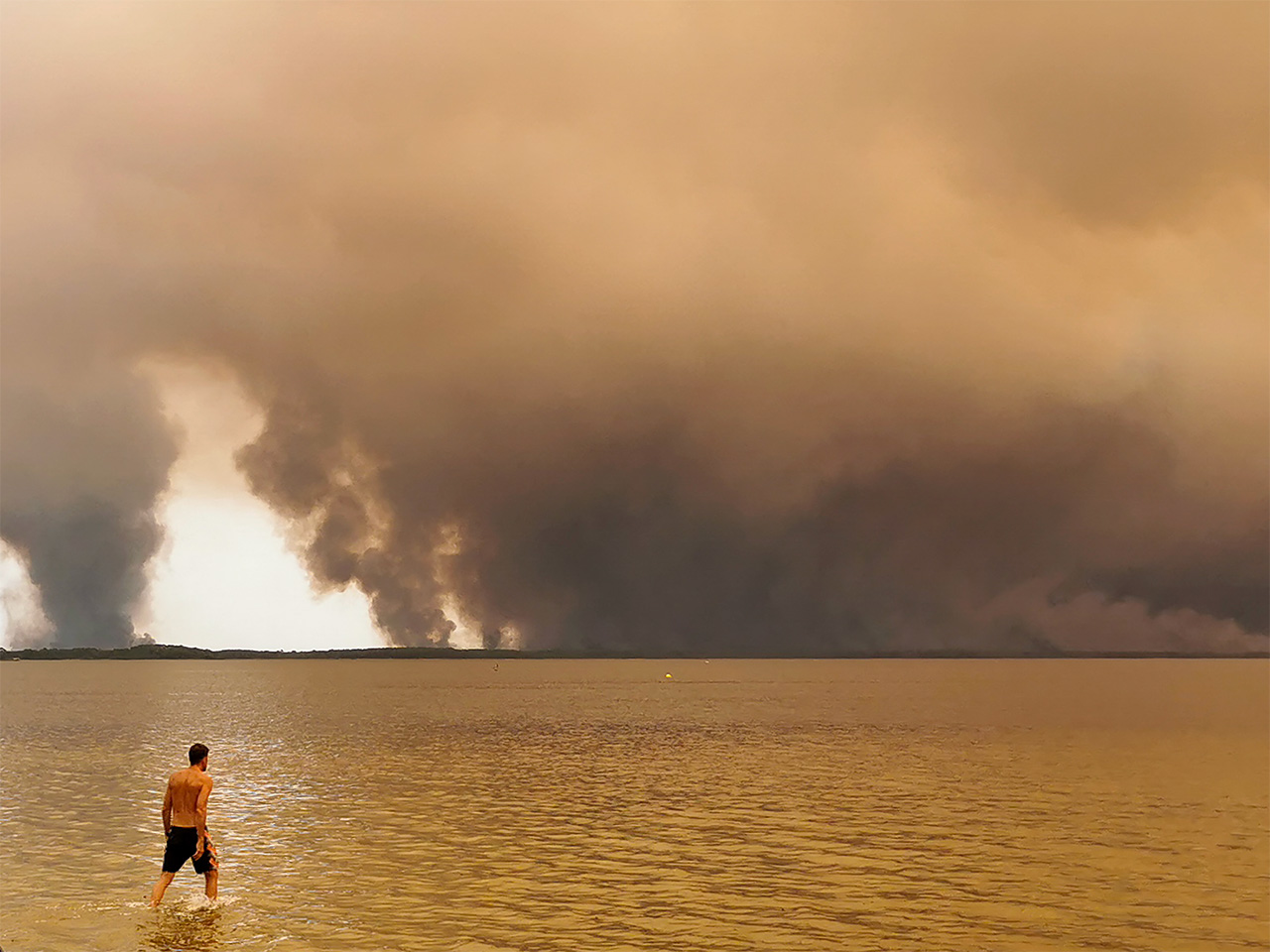
Lacanau is a holiday resort near Bordeaux that sits on the edge of a vast lagoon, just a few miles from the Atlantic coast (writes Thomas Waterhouse). It’s the most westerly point in the Gironde region, where it is still safe to visit unaccompanied by emergency services, and one of the closest to the so-called mega-feu (mega fire) that has been alight for several days. At least 42,000 hectares of land have been blackened nearby – a third of the total woodland destroyed nationwide in France this year.
Earlier this week, 4,000 holidaymakers were ordered to leave their campsites and gites by the authorities. It feels as though the fun stopped overnight. The café terraces remain sealed off with tape, chalk-scrawled blackboards still advertising days-old specials.
| |
|
Feeling the heat: A beachgoer watches smoke rise over Lake Lacanau
|
|
While the tourists have all fled to safety, locals are fighting the flames destroying homes and businesses. A constant convoy of tractors and trucks with giant cubic water containers has been making trips to and from the quay, where a series of mechanical pumps drain the lagoon. Businesses are getting involved on the ground too. “We are serving free pizzas to firefighters all day,” says Marianne Leveste, a restaurant owner in Cap Ferret. “But this is an economic drama for us – we are supposed to serve hundreds of covers a day. Normally, this is the high peak of the season, when 70 per cent of our business is done.”
Despite locals’ efforts, plumes of smoke linger above forests and ocean. A pungent, almost aromatic smell of burning pine – similar to a hot sauna – wafts from Lacanau to Bordeaux, where the biscuit-coloured footpaths have been dunked in a haze. It looks like this might be the new summertime norm for this pocket of France and the region will need support. “Our insurance companies say that if our company didn’t burn, they cannot do anything,” says Leveste. “We hope [to get more help from the government] like during Covid, for example.” President Emmanuel Macron calls this France’s worst fire crisis since the Second World War. But is the worst still to come?
To hear Waterhouse’s report and more from Leveste, listen to ‘The Briefing’ on Monocle Radio.
|
|
• • • • • DAILY TREAT • • • • •
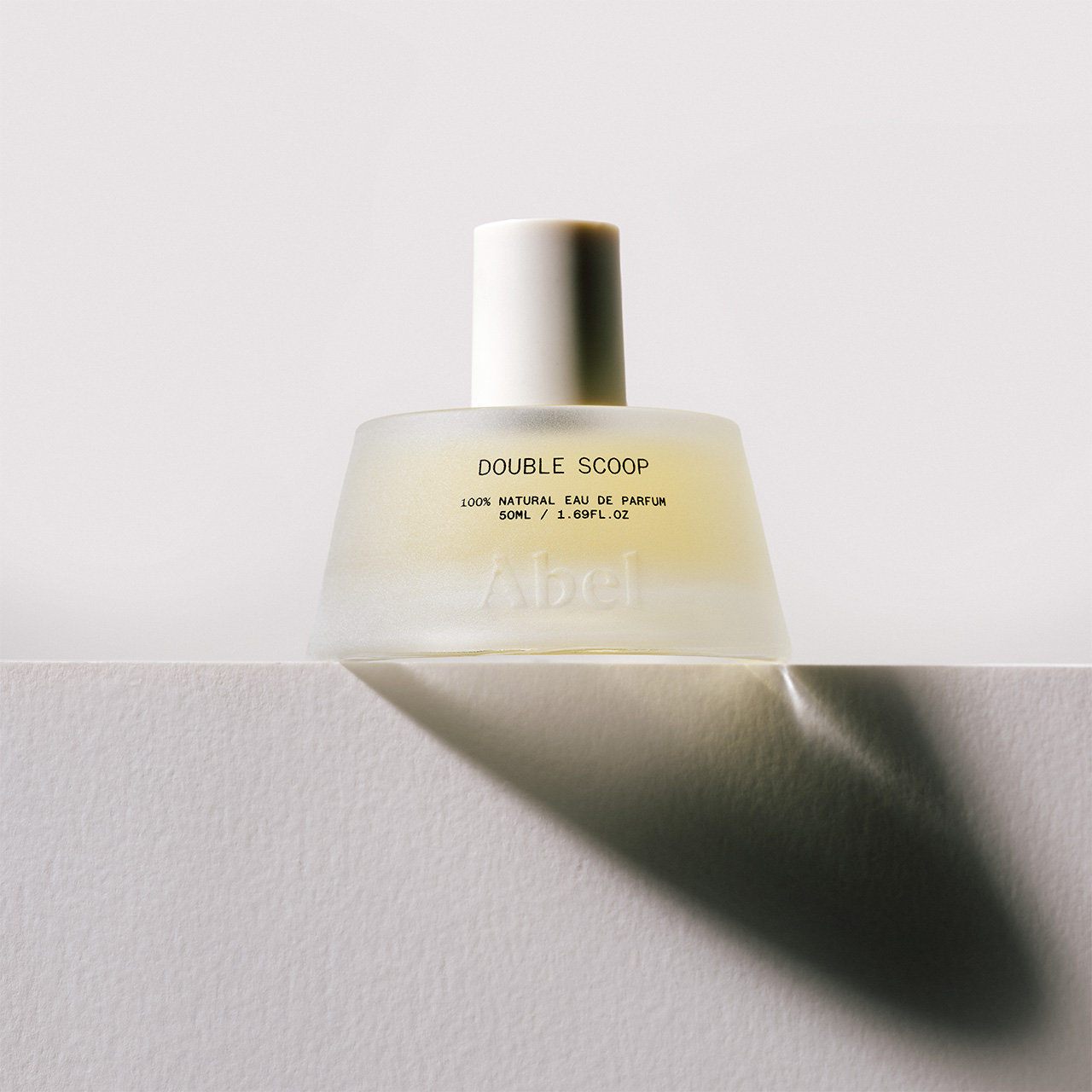
Heaven scent: Spritz Abel’s ice-cream-inspired summer fragrance
Aptly named Double Scoop, this perfume by New Zealand brand Abel smells like vanilla ice cream. “I wanted to create a vanilla that walks the line between sweet and savoury,” says Abel’s master perfumer, Isaac Sinclair. “It’s creamy, milky and rich but never overly sweet or voluptuous.”
Notes of toasted black sesame and rosemary offset the sugariness of the vanilla, making for a scent that evokes a balmy evening passeggiata with gelato. “Double Scoop behaves beautifully in the heat,” adds Sinclair. “Warm skin amplifies and accelerates how it wears.”
abelfragrance.com
|
|
the LIST: FROM monocle.com
Sunny outlooks from Med, Mountains & More
Our summer newspaper is now on sale, click here to order your copy of Med, Mountains & More, or pick up the issue from your nearest newsstand. In the meantime, here’s three stories to get kickstart your summer reading.
|
|
| | |