A fresh take on culture, fashion, cities and the way we live – from the desks of Monocle’s editors and bureaux chiefs.
|
Saturday 1/8/26
|

|
|
London
Paris
Zürich
Milan
Bangkok
Tokyo
Toronto
|
|
|
|

garden variety
We’re starting this week’s dispatch in the box seat, or rather, in the new with this
summer’s cultural musts, step into the Jurassic world of
Crystal Palace’s Victorian dinosaurs and talk summer tailoring with Australian designer
Patrick Johnson. Then we visit the
Tokyo flagship of box-maker Masashi Ifuji. Planting the first seed is our editor in chief, Andrew Tuck.
|
|
Need an antidote to our times? Sow a garden, reap the rewards
By Andrew Tuck
|

|
I live in a mews in central London. These are the places where the owners of grand houses would have once kept their horses and carriages – two-floored buildings at the backs of posh residences with space upstairs for a groom or a stableboy to live.
Over the years these petite properties were converted into garages, workshops and then homes. Extra floors were added. In our mews there are 30 such houses and many still offer hints of their former lives – doorways with tall, bricked arches to allow for a big old horse to be manoeuvred inside for the night.
Many mews in London are dead ends. Ours finishes in a passageway wide enough for bicycles and pedestrians to cut through but not cars. It means that the road is quiet and residing behind those big old grand houses can make you feel as though you are tucked away in a secret valley. Yet I could walk to a bar in Soho in 20 minutes. Though, seeing as I’m writing this at 06.30, that might be a little unwise. I’ve got stuff to do.
|
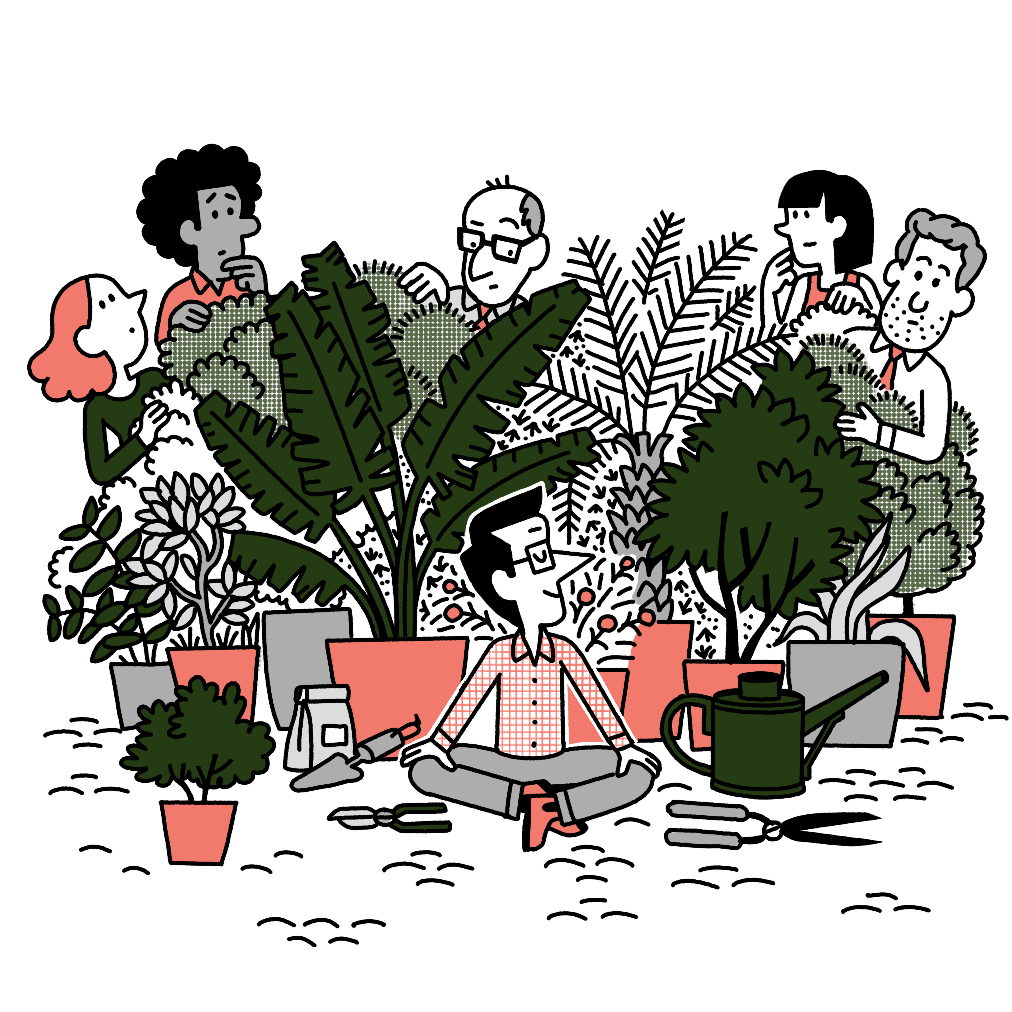
Free of traffic, the street has evolved over the time that I’ve lived here. For a start, it has become quite shaggy. A few years ago, people started putting pot plants outside their homes, hoping that their charges wouldn’t get nicked – and, yes, a few have been unwillingly rehoused, usually by a tipsy youth, nothing sinister. Then the pots got bigger, banana plants with leaves like flapping elephant ears took up residence and handsome silver birches stretched ever taller.
I love plants and gardening – an inherited trait – so when a neighbour asked whether I would help them sort the front of their house, I jumped at the chance. I have now aided – colonised – five properties on the street. And with a hosepipe ban in parched London in play, that’s a lot of watering cans. But each night, as I quench the plants’ thirst, I wave to neighbours doing the same and chat to people passing by. Some soil, some shrubs, that’s all. But it’s time off screen and with no real deadlines and, certainly, no crap AI-generated emails demanding answers.
I sense that we are at an inflection point where more and more people are wanting to find something – anything – where they can use their hands and shelter from the blandishments of technology. This week I had dinner with a successful PR who has just completed his first tailoring course. He showed me a picture of the calico shirt that he made and smiled the smile of a man who might have found his calling. I also caught up with a banking friend who told me that he had thrown it all in and was becoming a gardener (he’s a skilled plantsman). Breakfast with another PR who, after his summer holiday, said that he would be taking a day off each week to do a landscaping course. People finding an antidote to our times, some with a pair of scissors, others with secateurs.
But if you are unsure of where to find your tonic, let me recommend adding a plant or two to your life. In these small acts of nurturing, of aiding and cajoling, you can find all you need to reset your day.
For more of Andrew’s columns, click here.
|
|
culture cuts:
Read, Watch, Listen
A triumphant conclusion, horror with a heart of gold and surfing French radio waves
Read
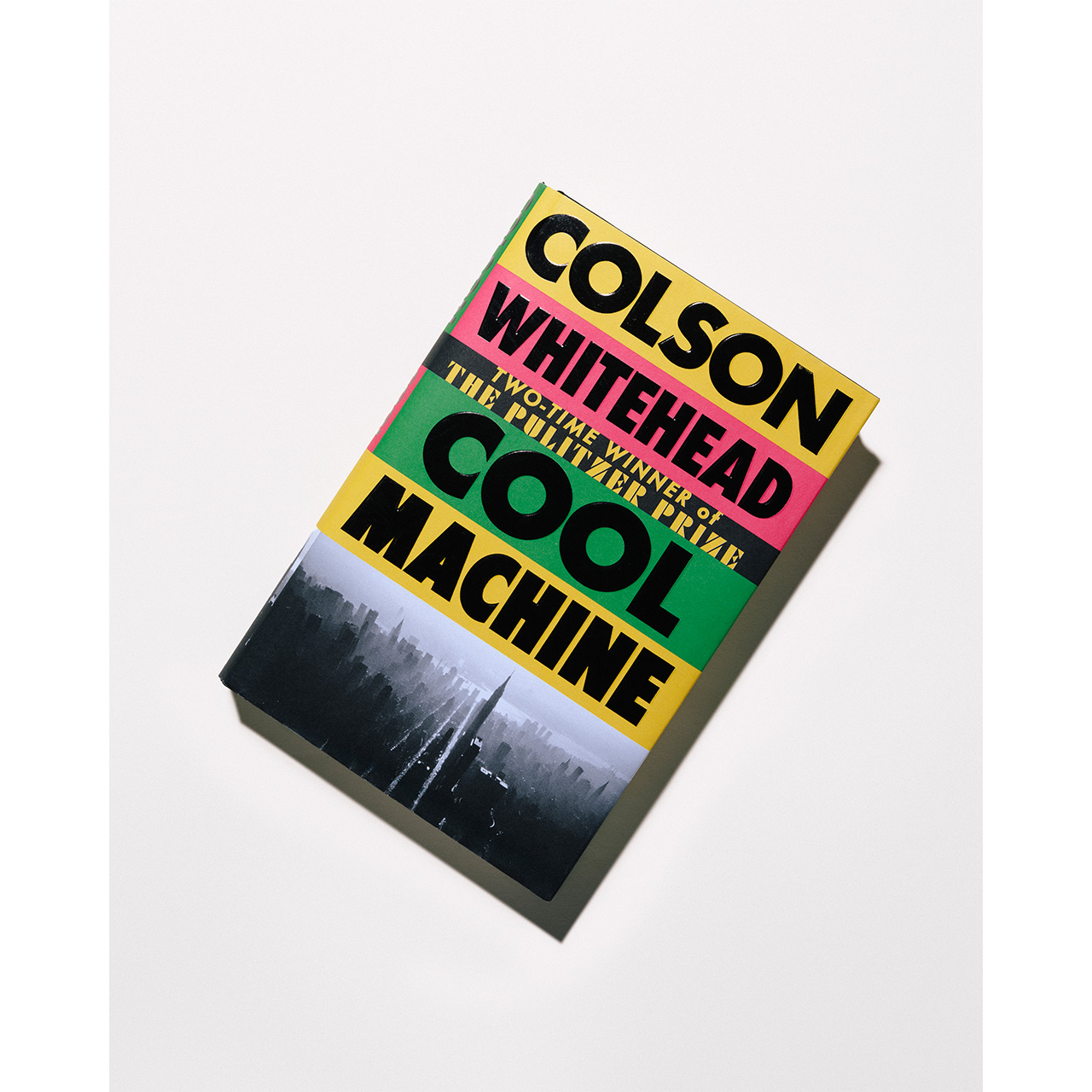
‘Cool Machine’ by Colson Whitehead
Colson Whitehead’s new novel is a triumphant conclusion to his Harlem-set trilogy. Weaving its way through New York in the 1980s,
Cool Machine gives furniture salesman and hustler Ray Carney one final chance at redemption. The Pulitzer Prize-winning Whitehead’s city is built on its characters, all of whom are brilliantly rendered.
‘Cool Machine’ is out now.
|
Watch
‘Teenage Sex and Death at Camp Miasma’
Jane Schoenbrun’s first films were melancholy studies on growing up queer but this one’s an utter joy. It sends Sundance darling Kris (Hannah Einbinder) in search of Billy Presley (Gillian Anderson), a reclusive scream queen behind a slasher franchise that Kris is remaking. It’s horror, comedy and twistedly romantic chaos but underneath the gore beats a bloody heart of gold, telling every kid who built a personality out of dusty VHS tapes that nothing was wrong with them and showing up loud is something to celebrate.
‘Teenage Sex and Death at Camp Miasma’ is out in August.
Listen
Radio Nova, France
Founded in 1981 by Jean-François Bizot, Radio Nova was at the heart of counterculture as an early proponent of the French touch genre and one of the first Gallic stations to play rap. Forty-five years later, its listener numbers keep growing. “We’re four times bigger than we were two years ago,” says managing director Frédéric Antelme. This summer check out the new
Nova La Plage vinyl, a selection of tracks that includes L’Impératrice’s “Vanille Fraise” and the appropriately titled “Sundown” by Leisure.
nova.fr
|
|
Words with:
patrick johnson
How to dress cool when it’s hot: stick to natural fibres and keep it light
For our new summer newspaper,
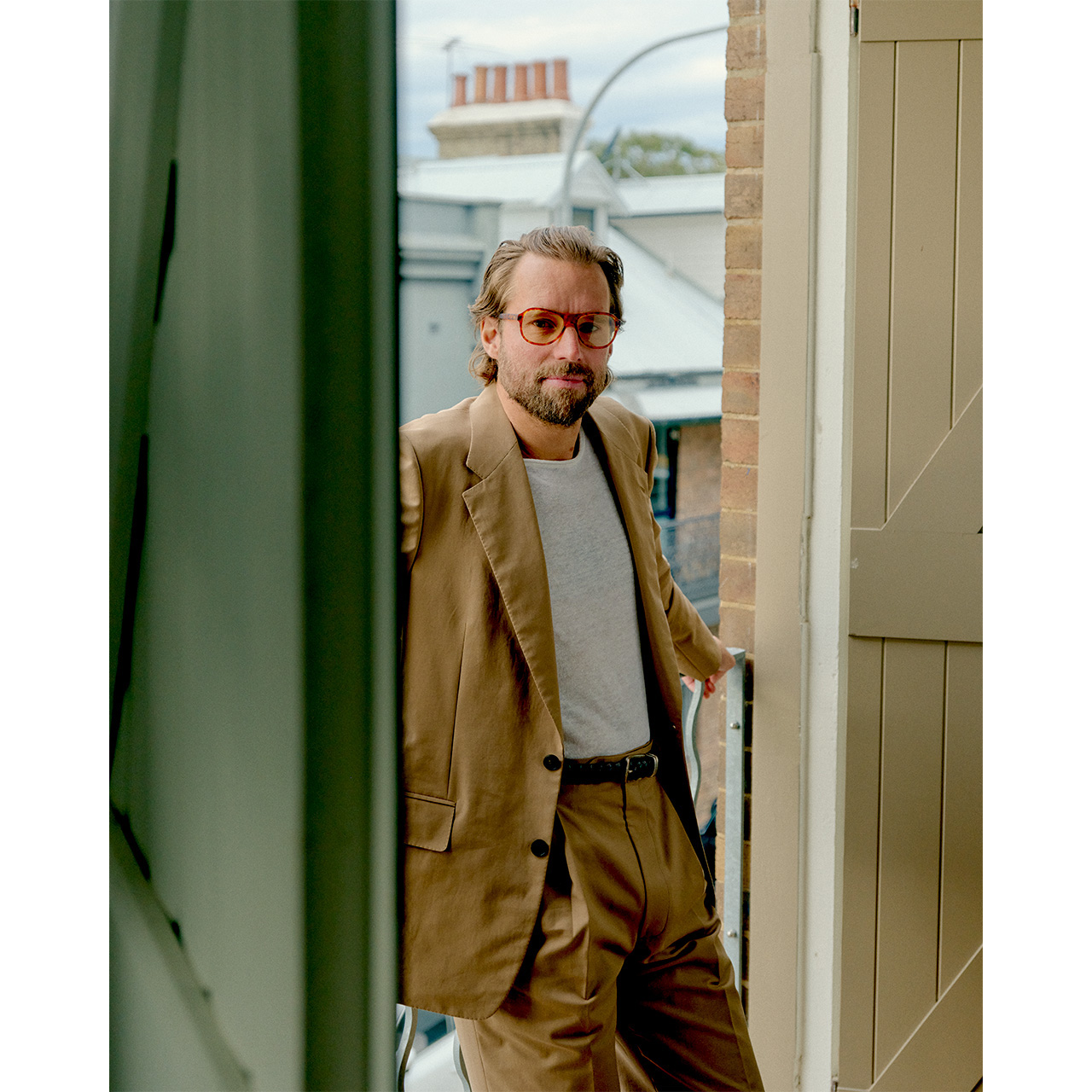
Med, Mountains & More, we meet four designers who pair comfort and formality with a keen eye for cool. Here, Patrick Johnson, founder of Sydney-based tailor P Johnson, shares how to stay fresh when the temperature rises.
|
What’s your summer uniform?
I wear P Johnson’s unstructured jackets and trousers in light linens and silk blends. They’re great for travelling and you can mix them as separates too. I combine these with a pair of loafers from New York-based Belgian Shoes, often with a white shirt in a lightweight poplin.
What are your fabrics and brands of choice?
I love linen – it’s a really diverse fibre and we weave a beautiful one with Loro Piana that has an amazing drape and doesn’t crease too much. I also wear a lot of blends. The silk linens that I use are lightweight and give you great colour depth. We develop these pieces with specialist weavers on Lake Como. Apart from that, I like wearing jeans. We make ours in Italy. I love the ultra-light-wash indigo. I cut off the bases so that they fray a bit and feel summery. For accessories, I love belts. My go-to is a custom crocodile-skin belt that was made by an artisan in Melbourne. It’s beautiful and it just gets better with age.
Any tips on staying cool?
Wear lightweight garments and ensure that you stick to natural fibres. Go-to drink for sunset hour: a vermouth and soda with a slice of lemon.
What are your summer travel plans?
We’ll mostly be on the smaller islands in the Cyclades. We love the food on Sifnos, the water of Folegandros and Hydra’s convenience.
pjt.com
|
|
how we live:
The dinosaurs of Crystal Palace
Rex appeal: Once headed for extinction, Crystal Palace’s dinosaurs are roaring back
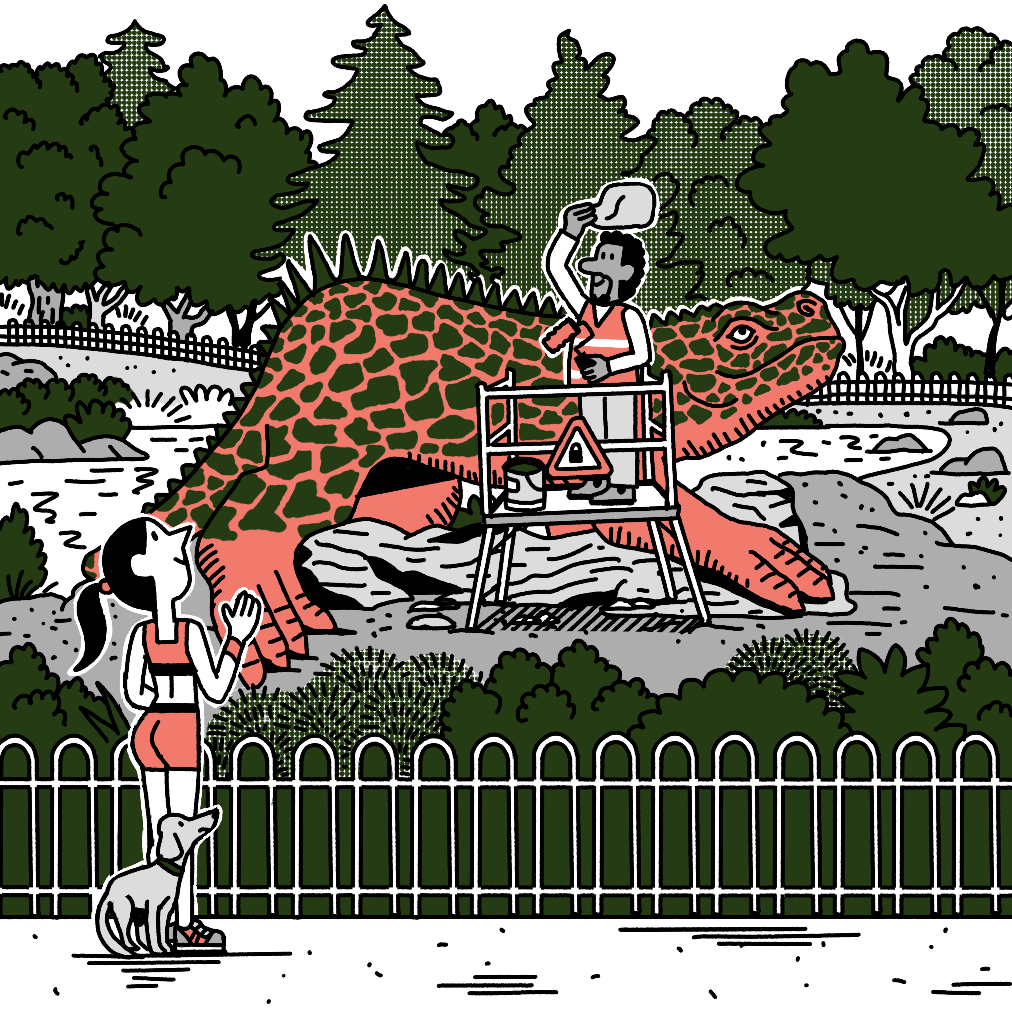
If they were in any other city, they would be globally famous: a herd of 19th-century dinosaur statues inhabiting one of London’s suburban parks (writes Andrew Mueller). They would be all over that other city’s tourism posters, television commercials and souvenir tea-towels, as familiar as Pisa’s leaning tower. They would be the thing you go there to see.
In London, however, this prehistoric herd barely cracks the top-200 attractions and is, therefore, somewhat overlooked. This Londoner can personally confirm that it’s possible to live here for decades before discovering that there are, indeed, at large in Crystal Palace Park, 30 or so immense and fabulous statues of dinosaurs and/or other Mesozoic megafauna, entirely free to visit. And they’ve just had a facelift.
|
It was overdue. The statues have been there since the 1850s and looked it – toes, teeth and tails crumbling, disintegrating towards extinction. There was something appealing about their dishevelment – it added to the visitor’s sense that you had somehow blundered into an overgrown folly, commissioned by some eccentric maniac and forgotten. But £22m (€25.5m) has been spent so that we might see them as they were first seen by agog Victorians, including repeat visitor Queen Victoria.
The statues were the work of natural history artist Benjamin Waterhouse Hawkins and they were humankind’s first attempt to build three-dimensional representations of dinosaurs: it was barely a decade since the word “dinosaur” had even been coined. Measured against our subsequent understanding, they are riotously inaccurate. But they are nevertheless magnificent: a heroic attempt to make tangible the incredible.
|
|
retail update:
tokyo
Thinking outside the box: Ifuji opens its first shop in the Japanese capital
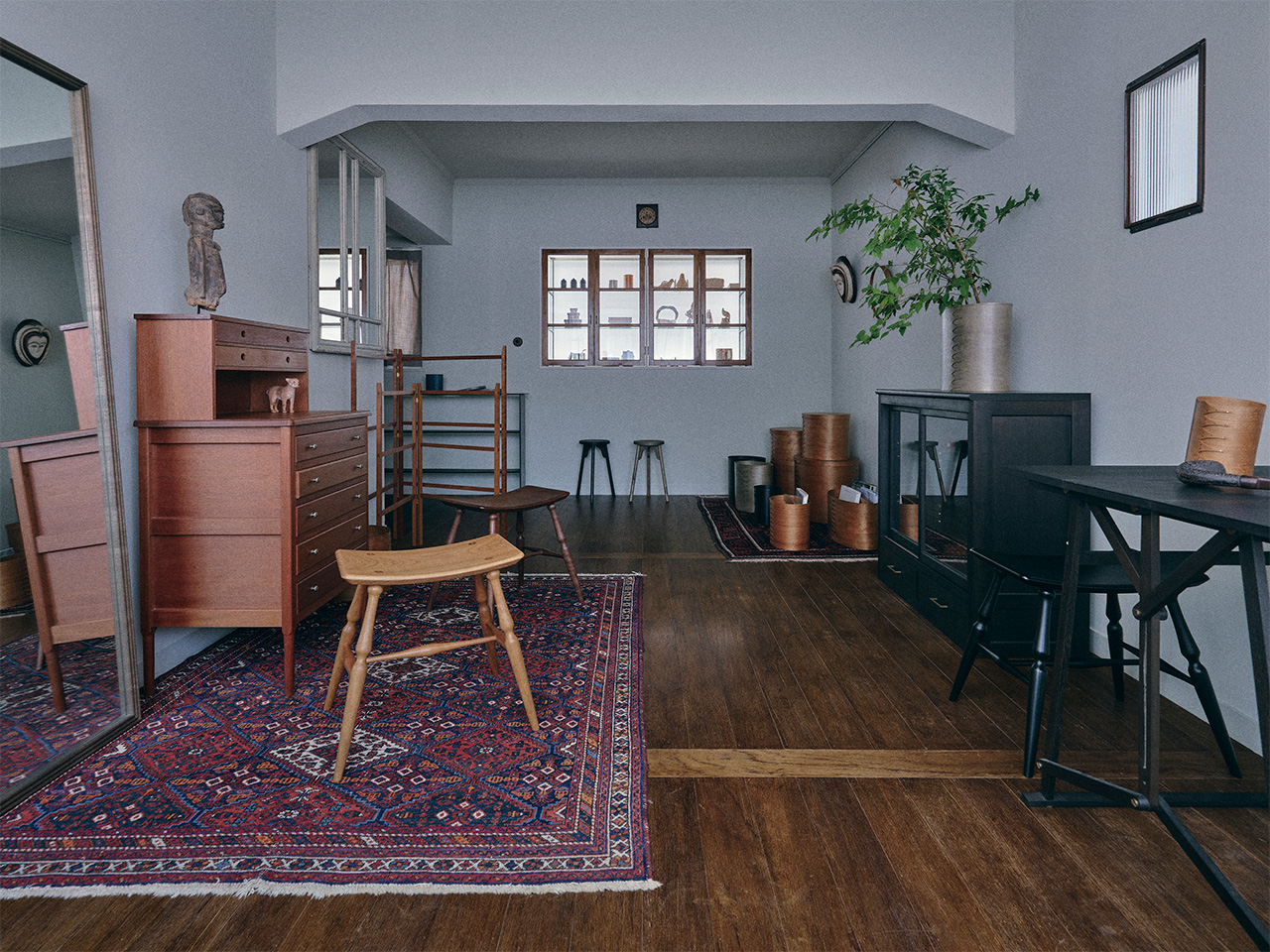
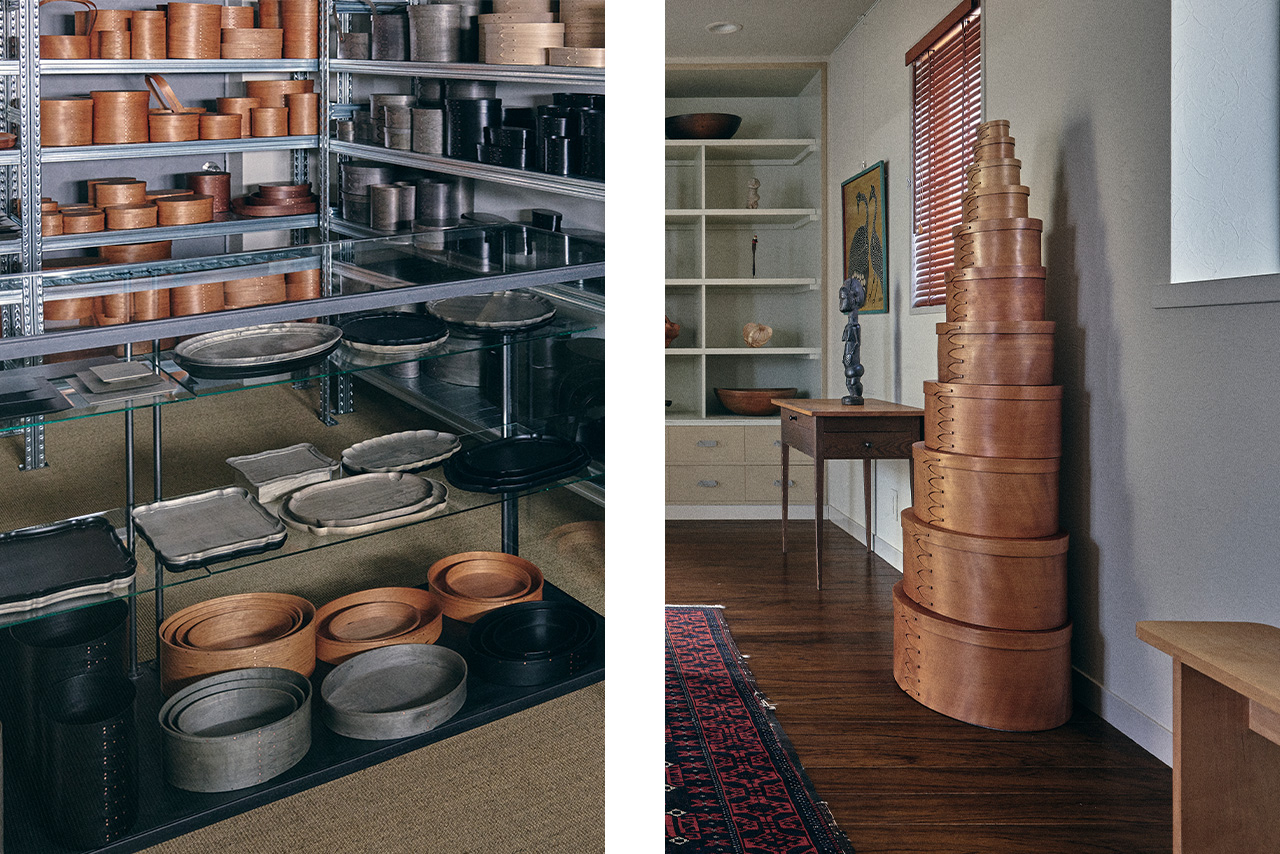
Over the past two decades, Masashi Ifuji has gained a loyal following for his bentwood boxes – beautifully crafted pieces too charming to simply be used as storage (writes Ben Davis). Now, Ifuji’s namesake brand has found a new home in the Japanese capital. Opened in May, Ifuji Tokyo fills three floors in a compact building on a quiet Jingumae street. The former residence lends a lived-in feel to the retail and showroom spaces, which present the brand’s storage, tableware and furniture alongside some eclectic folk art, handcrafts and antiques.
|
|
The signature Shaker-inspired boxes come in a wide variety and are handmade by a 20-strong team of craftspeople in Matsumoto, Nagano, a city known for its crafts and links to the Mingei movement. “Ifuji follows the original Shaker-box construction methods, using Japanese woods coloured with indigo and other plant-based dyes,” says Ifuji. “I believe that paying respect to the original while pursuing new forms of expression can bring these boxes into contemporary life.” The shop also holds exhibitions on an irregular basis, while pieces made over the years are displayed throughout, highlighting the deepening of their character over time.
ifuji.com
|
|
| | |