A gentle rundown on food, entertaining, hotels and the way we live – from the desks of Monocle’s editors and bureaux chiefs.
|
Sunday 2/8/26
|

|
|
London
Paris
Zürich
Milan
Bangkok
Tokyo
Toronto
|
|
|
|

All summer long
This week’s dispatch begins at Mexican chef Enrique Olvera’s latest opening, then we explore the Italy’s far-flung ingredients with Milan-based fashion designer Massimo Alba and grill up some ‘Nem nuong’ Vietnamese pork skewers. Plus: we explore the coastal Corsican town of Bonifacio and cool down with Portugal’s first soft drink, Sumol. Lighting the way is our editorial director, Tyler Brûlé.
|
|
Don’t confuse lighting with atmosphere. Meet Thierry, your chef d’ambience
By Tyler Brûlé
|

|
You’re going to have to help me with this one. Whatever did we do before the arrival of the LED table lamp? How did we read restaurant menus before it was possible for a swooping waiter to, with a dramatic three taps atop a spindly downlighter, lower the glare to something mimicking candlelight? The table lamp has become so essential to the global dining experience that it is near impossible to walk into a cosy bar, neighbourhood bistro or sprawling hotel dining room without encountering a little forest of lamps.
The arrival of the breadbasket used to mark the start of lunch or dinner but with F&B types now bored of their truffle butter, nut spreads and long olive oil pours, the table lamp has become the hospitality industry’s obsession. I believe the original idea was to create small pools of light at a time when there was little in the way of overhead illumination. Over time, as tastes changed, the table lamp was a punctuation point in a dimly lit lounge or clandestine bar.
Long before anyone had the notion of mass USB-C charging stations powering enough lamps for a 300-strong wedding, there were candles and glass oil vessels dedicated to the strength and warmth of a single flame. The light was bronzy, food looked tasty, drinks elegant and inviting. And the diners, drinkers and canoodlers? Gorgeous and yummy. The outstretched hand was golden, a Patek would dazzle, a Cartier bangle would glisten and the bouncing glow would forgive wrinkles, eye luggage and the odd, stray whisker.
Today, the table lamp often just sits there, simply throwing more light onto our already overlit world. Why do you need them in a restaurant that is already so bright that it could double as a paint shop for airliners? On a recent trip to the Gulf, I was in a Lebanese joint that insisted on table lamps despite the heavy overhead array of spotlights and LED strips. Were these backups in case a drone took out the power grid, plunging us into a darkness and rendering us unable to find the fattoush salad? Or just added clutter and future landfill?
Restaurants make much of their sommeliers but instead of a lapel pin with a bunch of gold grapes, what about an elaborate glowing flame and a little light bulb. “Good evening, I’m Thierry, your chef d’ambience, and I’m here to oversee all of your lighting needs. I thought that we would start off with everything cosy and low and then we’ll see how the evening progresses.” In a sector that has been upsold lighting systems that are too complex for most staff to use – especially if they have to touch a screen with greasy fingers (most people in hospitality) – it’s time to get back to the original source, to candles and the flicker of real flames on tables.
Lighting technology has certainly improved but a hotel lobby or resort spa filled with hurricane-like lamps lit by plastic LED candles is a complete mood, brand and “experience” killer. Best to not bother with a candlelit moment if you can’t go with the real thing. It’s a bit like all those moments (take your pick of national holidays, the arrival of a new year, a fancy Indian wedding) that used to be marked by fireworks, now it’s a clinical, numbing, dull drone display.
There’s a good chance you’ll be entertaining this Sunday eve, this second day of August, so why not pull out your best brass from Skultuna and glass from Svenskt Tenn, find that box of matches and permanently park the LEDs. You and your guests will look much better for it.
Enjoying life in ‘The Faster Lane’? Click here to browse all of Tyler’s past columns.
|
|
new opening: San Damián, Los Angeles
Best of both worlds
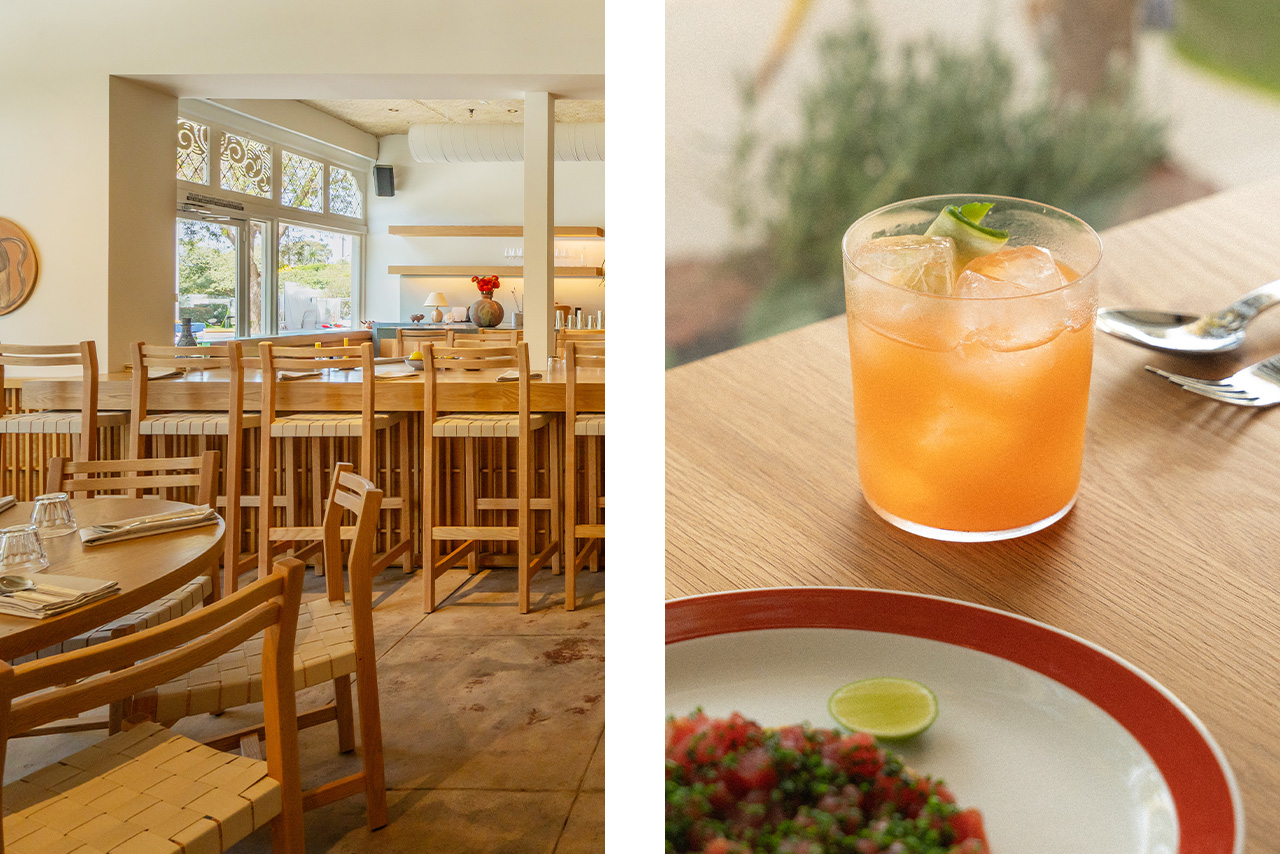
The latest opening from Mexican chef Enrique Olvera – who is also behind Mexico City’s Pujol and Downtown LA’s Damian – brings together California’s fresh produce with the mariscos traditions of coastal Mexico (writes Rossella Frigerio).
The menu is as expansive as the Pacific: there is vermilion-rockfish ceviche with sea urchin, kanpachi glossed in Olvera’s signature pineapple butter and tostadas made from fresh masa (corn dough) milled at Damian’s molino across town. Behind the bar, a selection of small-batch agave spirits is poured alongside cocktails such as the canuto made with Olvera’s Manojo Espadín mezcal, Suze, carrot, cucumber, green poblano pepper and lemon.
damianrestaurants.com
Click here for Monocle’s definitive list of what to do, eat and see in the City of Angels.
|
|
SUNDAY ROAST: Massimo Alba
Italian exotic
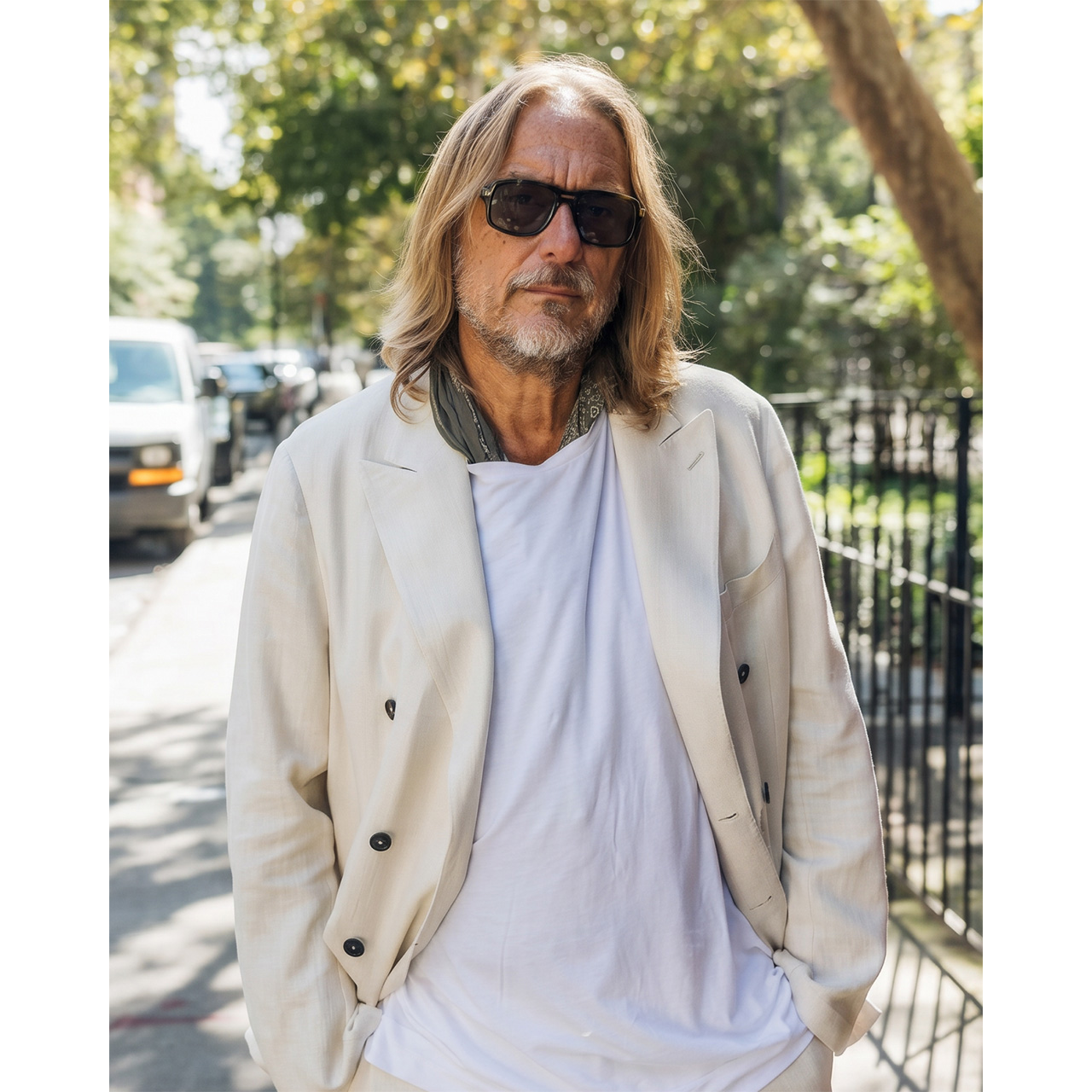
Milan-based fashion designer Massimo Alba’s eponymous clothing label emphasises effortless silhouettes and soft fabrics (writes Ivan Carvalho). Here he talks to us about culinary journeys around his native country, his matcha spot in Milan and Greek-yoghurt gelato.
|
Where do we find you this weekend?
I’m going to Forte dei Marmi. I will visit my shop there and stop by the beach-club restaurant Gilda as I’m very fond of Ilda, the owner, and her family. Ilda’s mother is still in the kitchen and makes the most extraordinary pastries that I’ve ever tasted.
What’s for breakfast?
Bread, butter and jam at Via Stampa. Or matcha at Moko’s Matcha Milano – for a moment, it feels like being in Tokyo.
Sunday culture must?
Fondazione Prada, Triennale Milano, Castello Sforzesco or Palazzo Reale.
News or not?
A couple years ago I printed a [phrase on a] T-shirt that summed up exactly how I feel about the news: ‘Media Is Not Goød’. The phrase comes from a photograph by Mattia Zoppellaro portraying Patti Smith holding a sign with those words. It stayed with me for years and eventually found its way onto a T-shirt. No news.
What’s on the menu?
I’m drawn to cuisine that carries a story and transports me somewhere else: Korean, Japanese, Chinese. But for me, transporting can also mean Italian. A Sicilian caponata, vegetable couscous, Ligurian lasagne al pesto with green beans and potatoes, or a parmigiana that makes me think of Ischia and the islands of Campania. I like the idea that there is such a thing as ‘Italian exotic’.
A favourite product for the pantry?
Gelato from Latte Neve, a wonderful ice-cream shop near our Milan office. I go for the Greek yoghurt with honey flavour.
|
|
RECIPE: Aya Nishimura
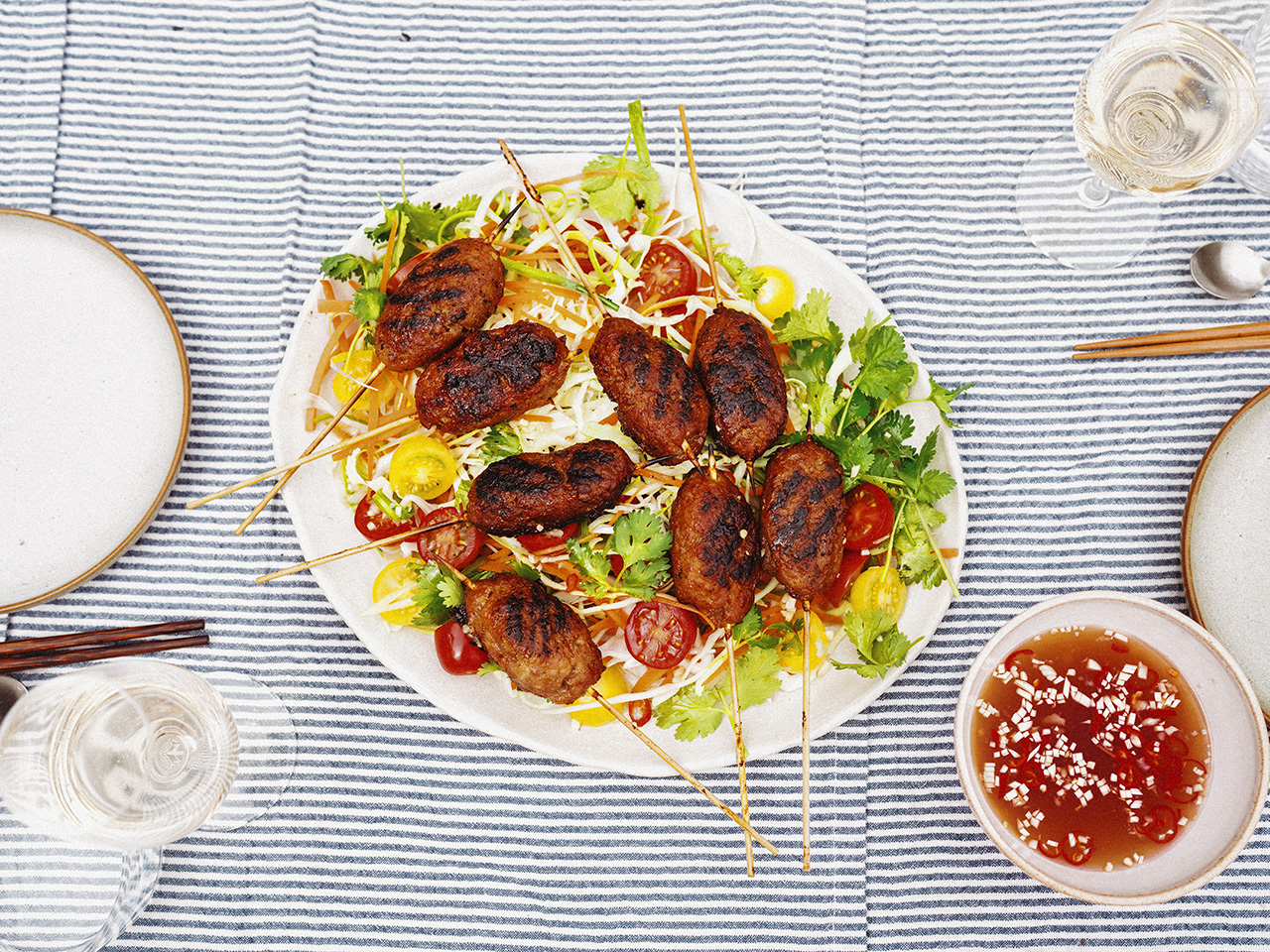
‘Nem nuong’ Vietnamese pork skewers
Grilling over charcoal is the most popular way to prepare these sweet and savoury skewers. This iteration by our Japanese recipe writer is served with a punchy dipping sauce. For best results, marinate the meat overnight.
|
Makes 10 skewers
Ingredients
For the skewers
500g minced pork (ideally with more than 20 per cent fat content)
2 tbsps light brown sugar
1 tsp salt
1 tsp baking powder
1 tbsp fish sauce
3 garlic cloves, grated
2 small shallots, finely chopped
A pinch of white pepper
1 tbsp neutral oil, plus extra to brush the patties and grill grate
For the dipping sauce
8 tbsps light brown sugar
120ml warm water
90ml fish sauce
90ml lime juice
2 tbsps rice vinegar
3 garlic cloves, finely chopped
2 red bird’s eye chilies, finely chopped
1 small gem lettuce, to serve
Method
1.
In a bowl, combine all of the skewer ingredients. Once mixed, throw the minced-pork mixture against the bowl 20 times to develop the texture. Leave to rest in the fridge for at least 2 hours, ideally overnight.
2.
For the dipping sauce, mix the sugar and warm water until the sugar dissolves, then stir in the rest of the ingredients.
3.
Soak 10 bamboo skewers in water.
4.
Divide the minced pork into 10 equal parts, then shape into patties around the skewers. Brush with oil.
5.
Oil a paper towel and rub it over the grill grate, then preheat until it’s smoking.
6.
Place the pork skewers on the grill and leave for a few minutes. When it begins to char and releases naturally from the grate, turn and cook the other side.
7.
Make sure the meat cooks through to the centre – it should reach 70C. To check if it’s done cooking, press a skewer into the pork. If it’s cooked through, the meat should feel springy and the juices should run clear.
8.
Serve warm with the dipping sauce and some gem lettuce.
|
|
resort guide: Bonifacio, Corsica
High time
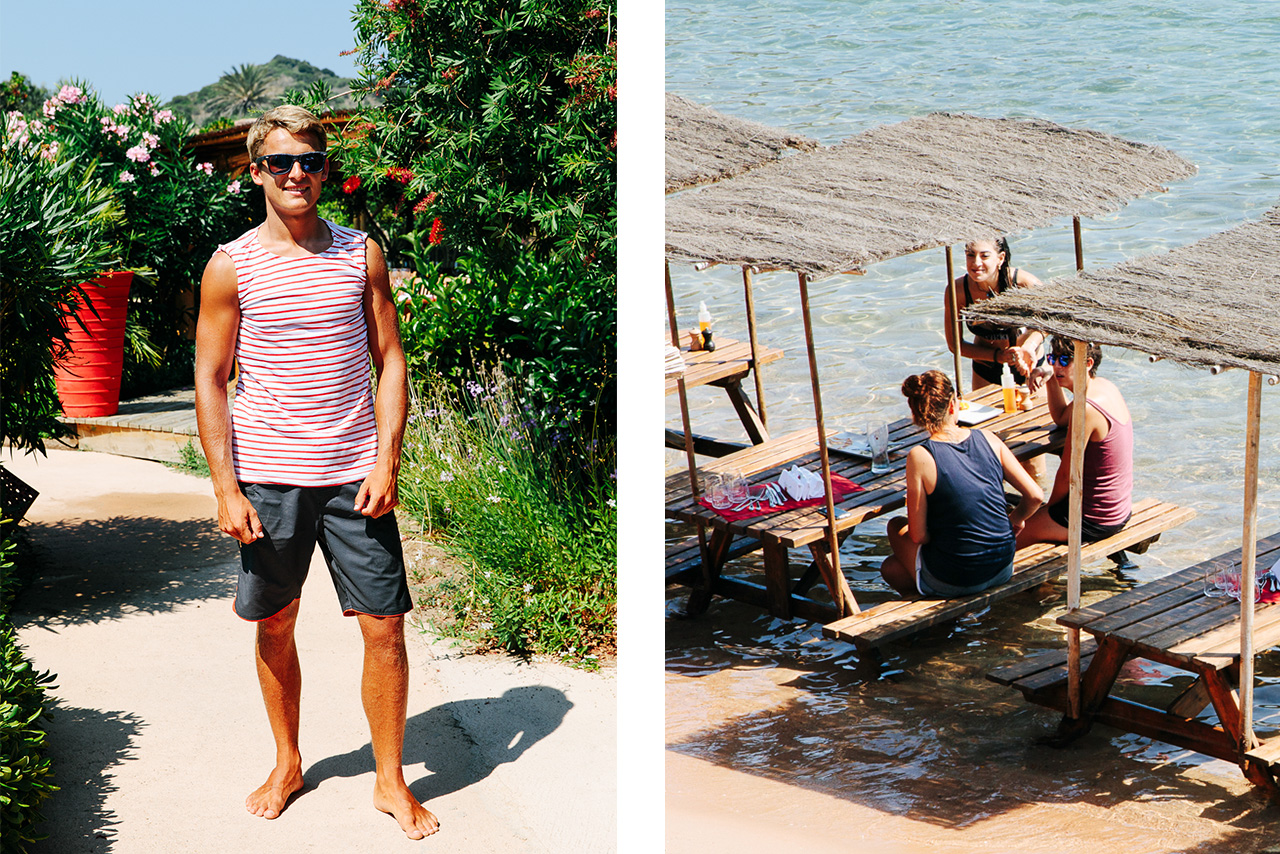
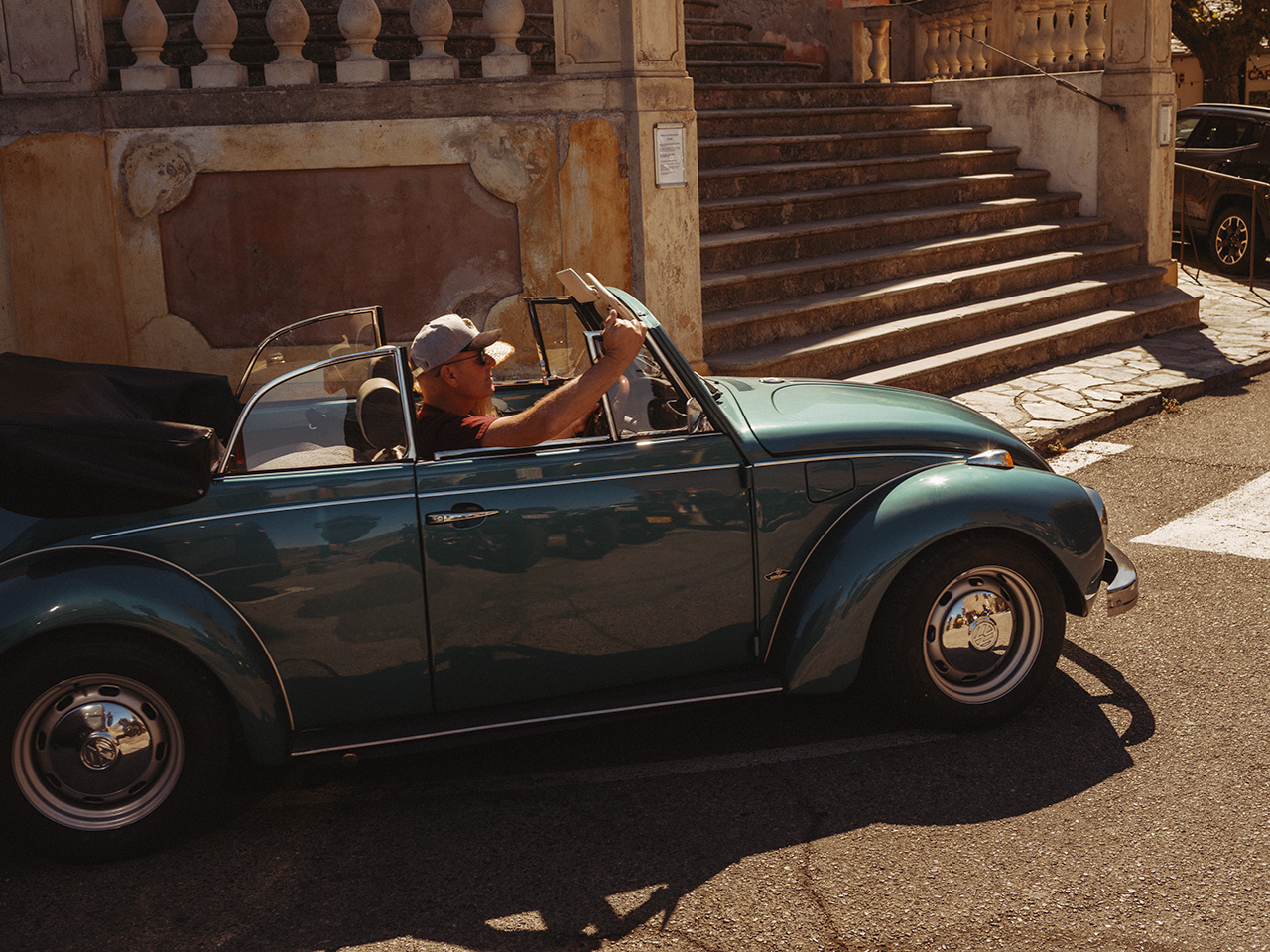
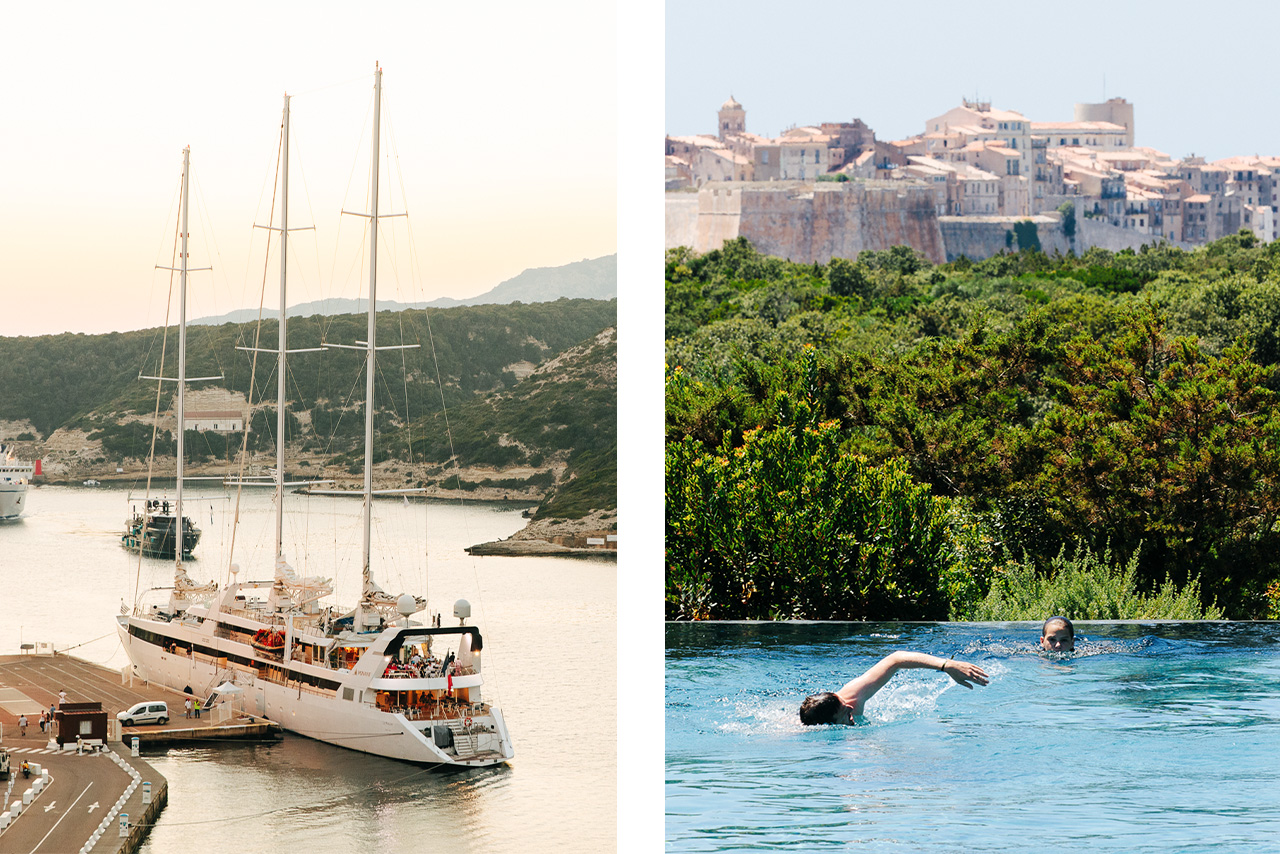
The town of Bonifacio sits improbably on a slab of white limestone, 60 metres above the Mediterranean and overlooking the narrow passage that separates Corsica from Sardinia (writes Chloé Nakao-Pélata). For centuries, these geographical conditions gave the town strategic importance as a fortified citadel, a trading port and, allegedly, a temporary refuge for Napoléon Bonaparte.
For the best view of Bonifacio’s limestone cliffs, approach from the water. Once ashore, walk along the pier to Aux P’tits Bonifaciens, a fragrant shop stocked with soaps made from regionally sourced ingredients. Nearby you’ll also find Corsica-born swimwear brand Calarena, founded by sisters Marie-Luce de Rocca Serra and Sandrine Piergigli in 2004.
For lunch, stay close to the water at restaurant La Caravelle, where tables overlook the harbour. Expect generous seafood platters, the day’s catch and unfussy family recipes. When it’s time for a swim, follow the path towards Plage des Trois Pointes, a hidden cove where you can jump straight into the sea. For those who would rather spend the afternoon stretched out under the sun, head northeast to Maora’s convivial beach club, which has been drawing regulars since 1985.
When you’re ready to turn in for the day, head north by boat to the Grand Hôtel de Cala Rossa. Run by the Canarellis for nearly 50 years, the 39-key retreat combines a private beach and vegetable garden with rooms featuring white linen, wood detailing and antiques collected over decades of travel. Much like the town itself, this family home has built a loyal following of returning guests.
calarena.com; hotelcaravelle.fr; restaurant-maorabeach.com; hotel-calarossa.com
|
|
| | |