|
|
|
|
Good morning. Summer is one of the busiest times of year for Canada’s rental market. We created a tool that aims to make it easier to decide which city to call home. |
|
|
|
|
|
|
|
|
|
|
|
|
|
|
|
|
Trade: Canada’s top negotiator told her U.S. counterparts that imposing the planned Aug. 19 tariffs would represent a ‘cliff’ for Canada. |
|
|
|
|
Airlines: Air Canada is selling a 25-per-cent stake in its Aeroplan loyalty program for $2.5-billion to Blackstone and a group of Canadian pension funds. |
|
|
|
|
|
|
|
|
|
|
|
|
|
|
|
|
|
|
|
|
|
Illustration by Pete Ryan
|
|
|
|
|
|
|
|
|
|
|
Time, place and livability |
|
|
|
|
|
|
|
|
|
|
I’ve moved around a lot, so renting has always been on my mind. Even when I’m not planning to move, I scroll through Facebook groups and rental apps to see what’s out there. |
|
|
|
|
Last year, when my roommate moved out, I posted our spare room online. Instead of looking for a place myself, I was now meeting people searching for one. |
|
|
|
|
|
|
|
|
I received a flood of messages and noticed that everyone made decisions differently. Price mattered, but people also considered the small things that make a place feel like home. |
|
|
|
|
It got me thinking about what we’re really looking for when we search for a place to live. |
|
|
|
|
|
|
|
|
|
|
I’d already been thinking about this while working on Canada’s most livable cities. With that project, we wanted to shift focus away from just affordability. A city with low costs isn’t always a great place to live. Transit, amenities and community all shape how we experience a place. |
|
|
|
|
For our renters project, I wanted to bring affordability back into that equation but keep livability in mind. We didn’t just look at low rents. |
|
|
|
|
We used listing data from Rentals.ca to compare rent to local incomes, measure each rental market’s availability and stability and look at which amenities were nearby. We also made the data interactive, because what makes a place a good one to live in differs for everyone. |
|
|
|
|
One of the most surprising things I learned was that when you rent matters just as much as where you rent. |
|
|
|
|
When we first worked on this ranking last year, we used rental data from the summer and fall. This time, we focused on the spring and summer, when the rental market is especially busy as students prepare for the fall semester and people move for work. |
|
|
|
|
As we moved into summer, I saw rents getting more expensive online. The rankings changed too: Last year, many Albertan cities were at the top, but this year, several Saskatchewan cities took those spots. My colleague Salmaan Farooqui wrote about renters finding happiness in the Prairies,
and what these cities are doing to create more vibrant neighbourhoods with better housing stock. |
|
|
|
|
But renting isn’t just affected by the seasons or foot traffic. The whole idea of renting is changing. |
|
|
|
|
For a long time, people saw renting as a temporary step before buying a home. But as homeownership becomes less attainable, renting is a long-term reality for many Canadians. For some, it might even be permanent. |
|
|
|
|
If you’re choosing a place to spend years of your life, you’re not just looking for the lowest rent. You’re trying to find your home. That’s what I hope people take away. The tool can’t decide what matters most to you, but it can help you find a place to start. |
|
|
|
|
|
|
|
|
|
|
|
|
|
|
|
|
|
|
|
|
|
|
|
|
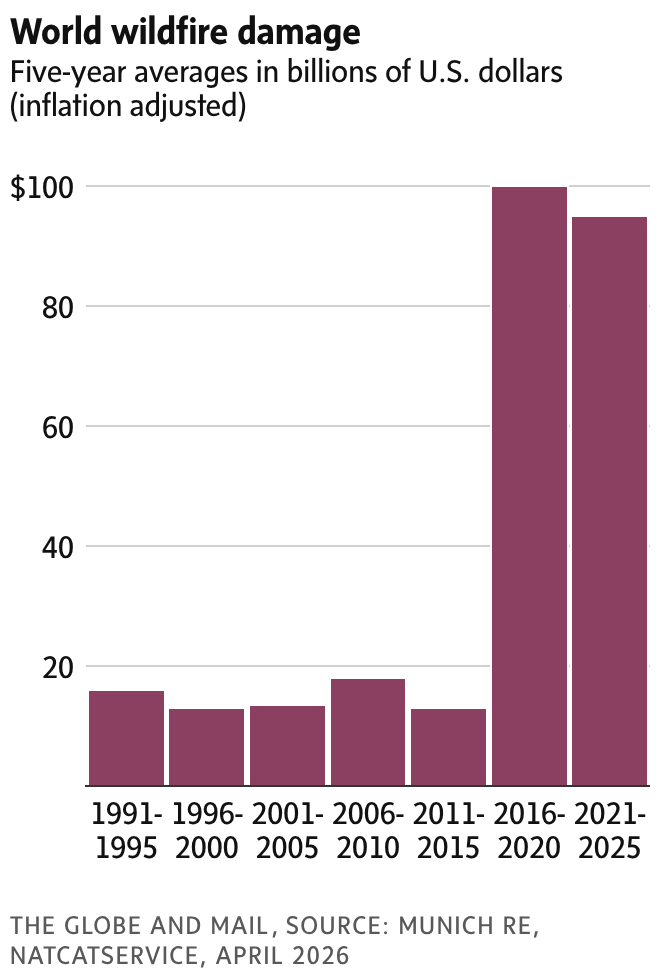
Climate change is destroying assets and raising the prices of essentials. Recent analysis found that global GDP per capita would be more than 25 per cent higher today had no warming occurred. Not addressing a warming climate costs the economy more, argue Christina Caron and Glen Hodgson. |
|
|
|
|
|
|
|
|
|
|
|
|