+is it heatstroke? ‌ ‌ ‌ ‌ ‌ ‌ ‌ ‌ ‌ ‌ ‌ ‌ ‌ ‌ ‌ ‌ ‌ ‌ ‌ ‌ ‌ ‌ ‌ ‌ ‌ ‌ ‌ ‌ ‌ ‌ ‌ ‌ ‌ ‌ ‌ ‌ ‌ ‌ ‌ ‌ ‌ ‌ ‌ ‌ ‌ ‌ ‌ ‌ ‌ ‌ ‌ ‌ ‌ ‌ ‌ ‌ ‌ ‌ ‌ ‌ ‌ ‌ ‌ ‌ ‌ ‌ ‌ ‌ ‌ ‌ ‌ ‌ ‌ ‌ ‌ ‌ ‌ ‌ ‌ ‌ ‌ ‌ ‌ ‌ ‌ ‌ ‌ ‌ ‌ ‌ ‌ ‌ ‌ ‌ ‌ ‌ ‌ ‌ ‌ ‌ ‌ ‌ ‌ ‌ ‌ ‌ ‌ ‌ ‌ ‌ ‌ ‌ ‌ ‌ ‌ ‌ ‌ ‌ ‌ ‌ ‌ ‌ ‌ ‌ ‌ ‌ ‌ ‌ ‌ ‌ ‌ ‌ ‌ ‌ ‌ ‌ ‌ ‌ ‌ ‌ ‌ ‌ ‌ ‌ ‌ ‌ ‌ ‌ ‌ ‌ ‌ ‌ ‌ ‌ ‌ ‌ ‌ ‌ ‌ ‌ ‌ ‌ ‌ ‌ ‌ ‌ ‌ ‌ ‌ ‌ ‌ ‌ ‌ ‌ ‌ ‌ ‌ ‌ ‌ ‌ ‌ ‌ ‌ ‌ ‌ ‌ ‌ ‌ ‌ ‌ ‌ ‌ ‌ ‌ ‌ ‌ ‌ ‌ ‌ ‌ ‌ ‌ ‌ ‌ ‌ ‌ ‌ ‌ ‌ ‌ ‌ ‌ ‌ ‌ ‌ ‌ ‌ ‌ ‌ ‌ ‌ ‌ ‌ ‌ ‌ ‌ ‌ ‌ ‌ ‌ ‌ ‌ ‌ ‌ ‌ ‌ ‌ ‌ ‌ ‌ ‌ ‌ ‌ ‌ ‌ ‌ ‌ ‌ ‌ ‌

UK Edition - Today's top story: What the battle between Nigel Farage and Count Binface really tells us about Britain's mood View in browser

15 August 2026

UK Edition

The Conversation
 

Nigel Farage may have retained his seat in the Clacton by-election this week but we all know the true victor in this contest was an independent space warrior from the planet Sigma IX. As political communications expert Stephen Coleman writes, every one of Count Binface’s 9,455 votes reveals something about the state of Britain’s mood, and it’s no laughing matter.

This week we heard grave concerns about a trend away from books, “a habit of skimming rather than reading” and an alarming tendency for people to consume information in patches rather than taking time to exercise “the critical faculty”. But these worries were not being expressed about social media or clickbait news sites; they were written in a 1908 pamphlet on the dangers of newspapers. Journalist W.T. Stead had a good deal to say in A Plea for the Revival of Reading about the depleting attention spans of people who pick up a paper on their way to work. But he also gave some prescient advice that is useful to anyone worried about the state of reading in 2026.

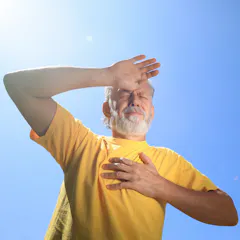
Having read this article on Tuesday, I’ve been thinking back on all the times I’ve casually said at the end of a hot day: “I’ve got heatstroke”. I was absolutely incorrect. Heatstroke is a life-threatening condition and when you’ve got it, boy do you know about it. Heat exhaustion, which we’re all a lot more likely to have experienced this week, is the more common condition.

Scientists investigating ancient paintings in Spain have found a way to extract ancient DNA from cave walls. They’re now hoping to work out who left stencilled depictions of animals on the rock. Traces left by artists blowing pigment across their hands may even help clear up a longstanding controversy over the origins of a 66,700-year-old work of art in Maltravieso cave in Extremadura.

Also this week, why nostalgia used to be so much better, the double bind of hosepipe bans and a guide to picky bits dinner for dehydrated children.

 

Laura Hood

Deputy Editor


What the battle between Nigel Farage and Count Binface really tells us about Britain’s mood

Stephen Coleman, University of Leeds

Farage avoided the count, but will face a re-opened probe into his finances after winning the Clacton byelection.

Why an 120-year-old warning about reading feels uncomfortably familiar

Helena Goodwyn, Northumbria University, Newcastle

Journalists have been decrying the decline in reading for over 100 years and yet it persists.

Can DNA from cave paintings tell us who the artists were?

Robyn Adams, Nottingham Trent University; Jay Silverstein, Nottingham Trent University

A new study has retrieved human genetic material from the walls of caves with ancient rock art.


The difference between heat exhaustion and heatstroke explained

Alison Purvis, Sheffield Hallam University

Heat exhaustion and heatstroke can both happen when the body overheats, but they are not the same. Here’s how to spot the difference and what to do.

Now that it’s big business, nostalgia is a thing of the past

Jonatan Sodergren, University of Bristol

The market for retro entertainment has never been bigger. But certain companies may be in danger of overdoing it.

From padded bras to penis injections: how changing body shape can give athletes a competitive edge

Alice Bullas, Sheffield Hallam University

These stories sound bizarre, but they highlight the battle for marginal gain in competition.

Hosepipe bans make climate change more tangible – but restrictions can provoke resistance

Sayed Elhoushy, Queen Mary University of London; Jasmine Mohsen, S P Jain School of Global Management

A hosepipe ban succeeds where abstract messaging often fails, because it turns a distant risk into a visible, felt experience.

How medieval Scottish kings kept unrest at bay with populist policies

Gordon McKelvie, University of Winchester

Scotland avoided the popular riots that shook other nations.

Taliban claims five years of peace in Afghanistan – but women and girls face oppression

Kaweh Kerami, Durham University; Kambaiz Rafi, University of Central Asia

The militant Islamist regime has introduced a series of oppressive laws restricting rights for women and girls.

Saudi defence pact with Turkey and Pakistan is a verdict on the reliability of US security guarantees

Muhammad Waqas Haider, Lancaster University

Dubbed an ‘Islamic Nato’. the pact reflects disillusionment among some of America’s allies.


Five foods that can help keep children hydrated during a heatwave

Rachel Woods, University of Nottingham; University of Lincoln

Struggling to get children to drink enough in hot weather? Water-rich foods can help top up their fluid intake alongside regular drinks.


Featured events

View all
In the realm of the last man

2 September 2026 •

Winchester School of Art MA Degree Show 2026

2 - 5 September 2026 • Winchester

Promote your event
 

Contact us here to have your event listed.

For sponsorship opportunities, email us here