| |
 |
|
Weekly News Platter |
|
15 Aug, 2026, 06:39PM IST, PTI |
|
|
|
| |
Hello Reader,
In case you had a busy week, these are the top stories you need to get caught up to speed...
|
|
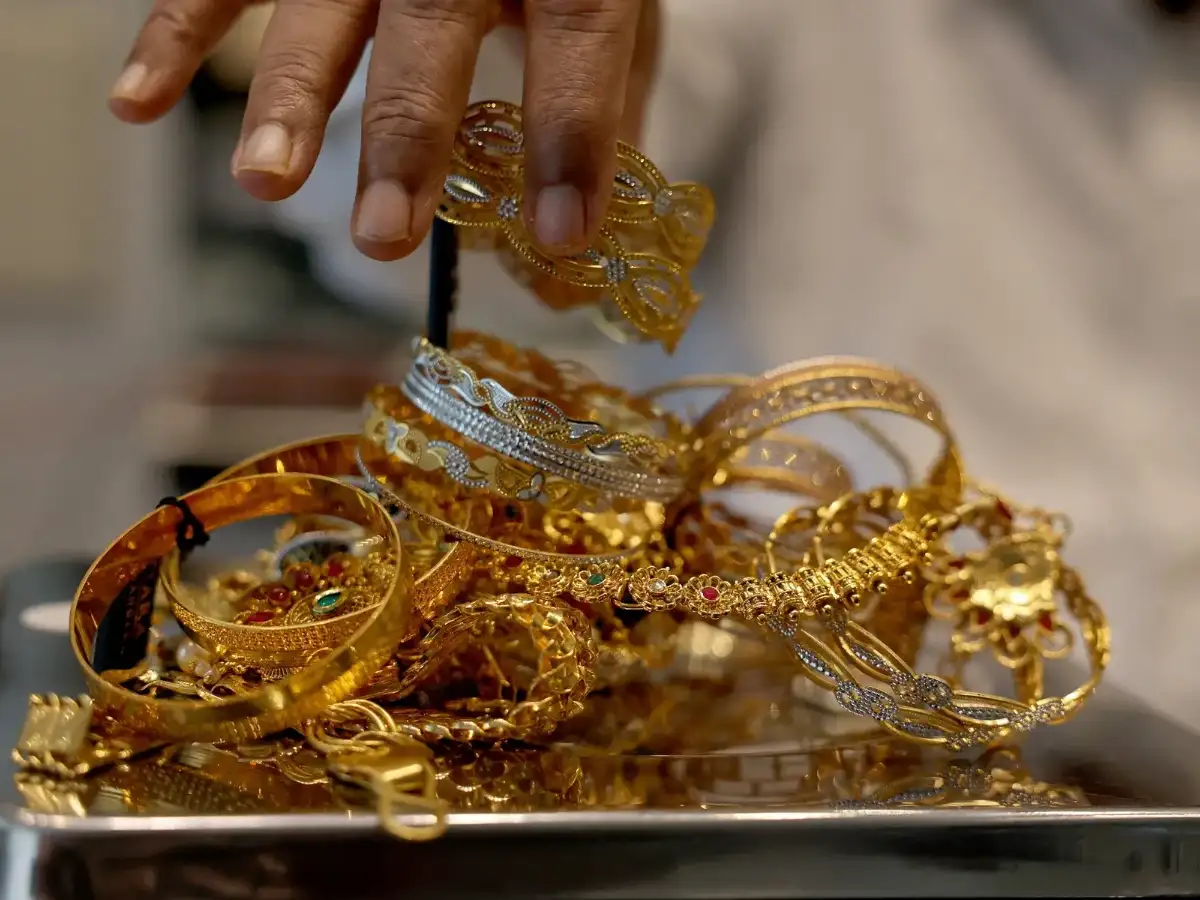 India may have found the key to unlock its $5 trillion sleeping fortune India may have found the key to unlock its $5 trillion sleeping fortune |
| India plans to revamp its Gold Monetisation Scheme by involving jewellers, aiming to unlock household gold holdings estimated at 25,000-50,000 tonnes. Jewellers may get 0.75%-1% incentives, while cheaper domestic gold could lower financing costs. The scheme could reduce imports, which hit $71.9 billion in FY26. Trust, transparency and efficient gold tracking remain key challenges. Read more |
|
|
|
|
|
|
|
|
|
|
|
|
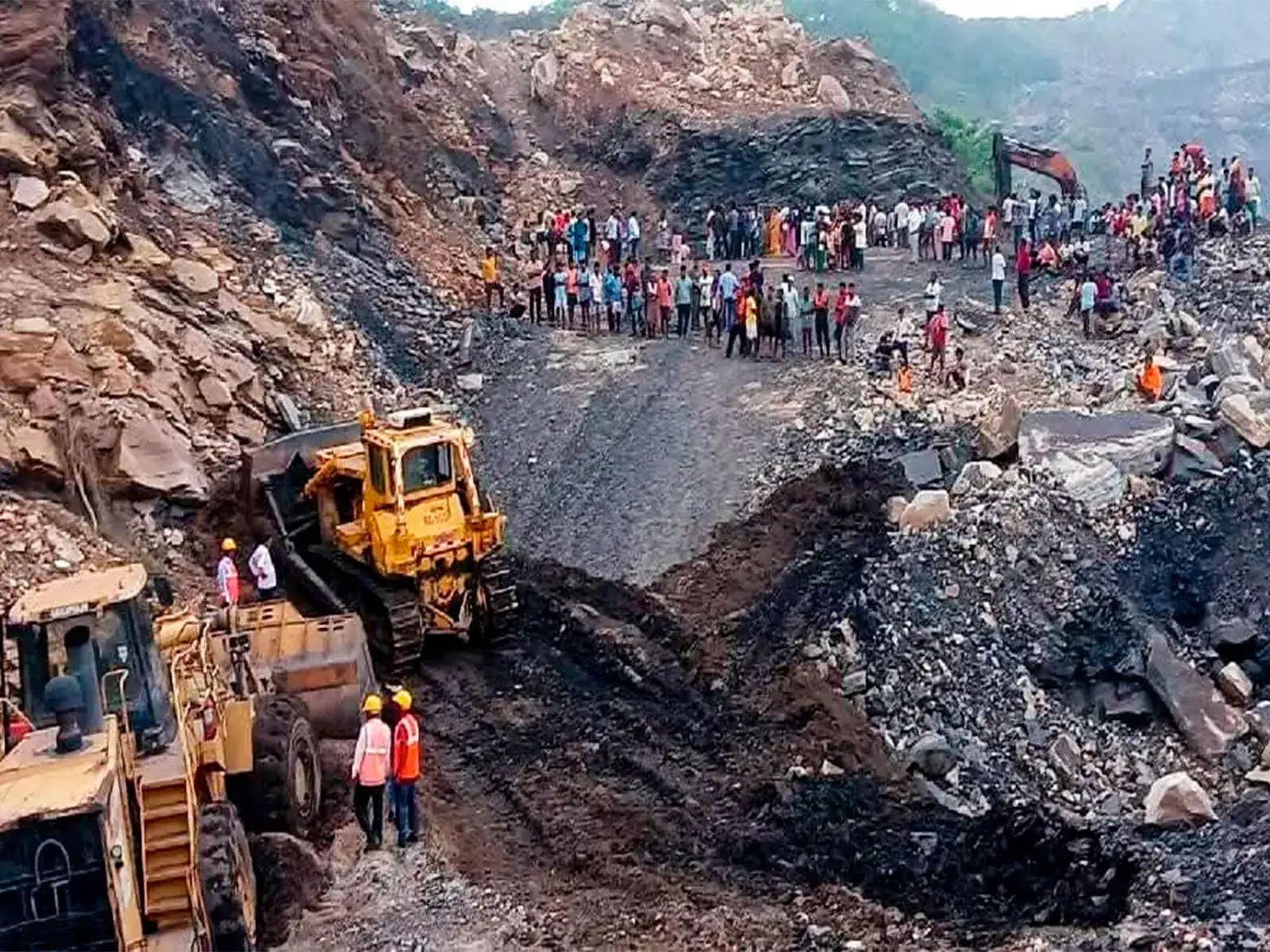 Govt's Rs 7,280 crore rare earth magnet scheme draws 20 bids, including L&T, Coal India, ReNew Govt's Rs 7,280 crore rare earth magnet scheme draws 20 bids, including L&T, Coal India, ReNew |
| Twenty bids were received for the government's rare earth magnet manufacturing scheme. This initiative aims to establish 6,000 metric tonnes of domestic production capacity. The scheme will support industries like electric vehicles and renewable energy sectors. It seeks to build a complete value chain from oxide to finished magnets. The program will run for seven years after facility setup and incentive disbursement. Read more |
|
|
|
| |
|
|
|
|
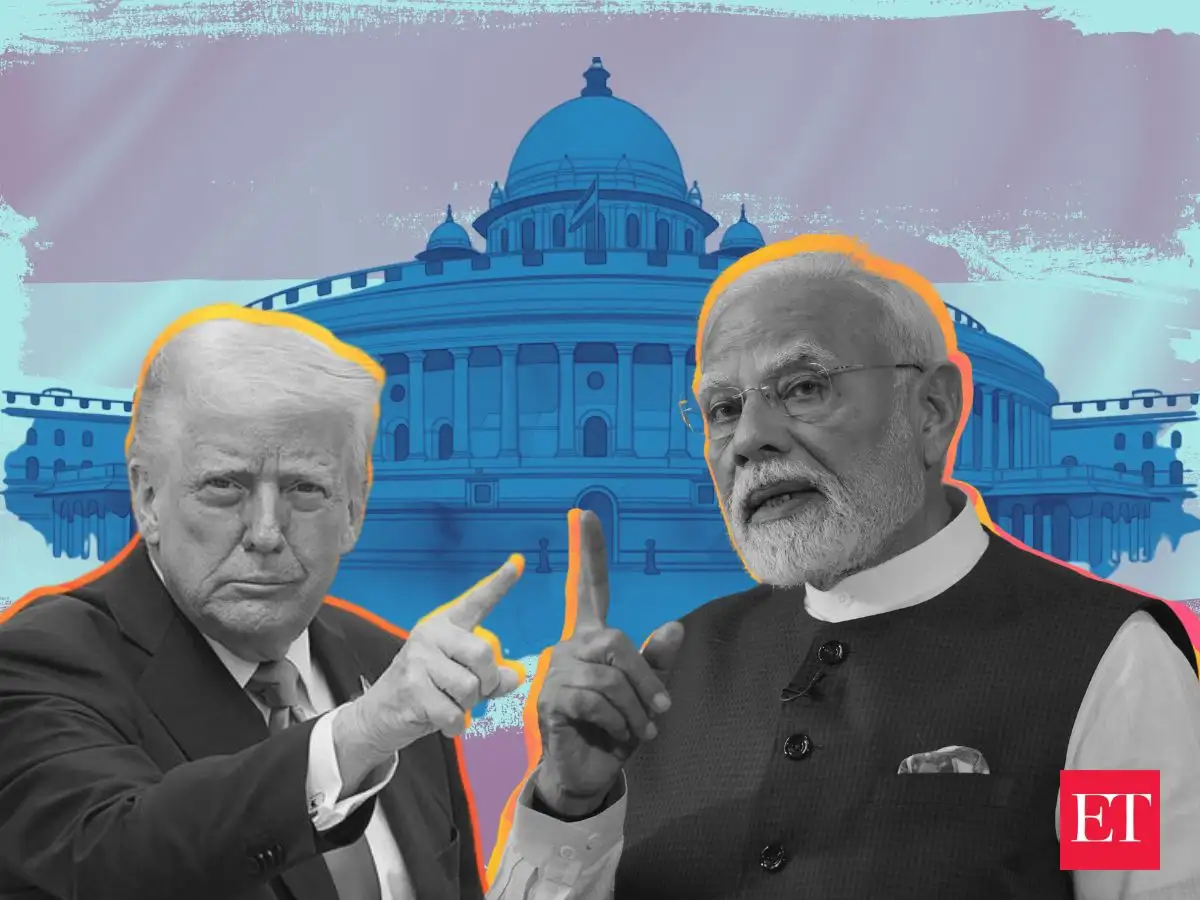 A $67 bn tariff trail leads the US to India over China trade. Where's the proof? A $67 bn tariff trail leads the US to India over China trade. Where's the proof? |
| The White House has placed India among countries at highest risk of being used to circumvent US tariffs on Chinese goods, citing an estimated $67 billion in goods allegedly transshipped through India, Mexico and Vietnam in 2025. However, the Global Trade Research Initiative (GTRI), led by Ajay Srivastava, has challenged the evidence, noting that the report does not disclose India's share of the figure or identify any Indian exporter or specific fraudulent shipment. The story examines the US allegations, India's role in global supply chains, the distinction between legitimate manufacturing and tariff evasion, and the potential impact of tougher US checks on Indian exporters. Read more |
|
|
|
|
 Two earthquakes, two responses: How Venezuela and Colombia faced disaster Two earthquakes, two responses: How Venezuela and Colombia faced disaster |
| Venezuelan civilians led rescue efforts after devastating earthquakes due to government delays and lack of equipment. Colombian officials quickly coordinated a robust response with multiple entities and heavy machinery. Venezuela's response was hampered by years of shortages and hyperinflation impacting state resources. Colombia's swift action saved hundreds of lives within a crucial 72-hour window. These events reveal stark differences in national disaster management capabilities. Read more |
|
|
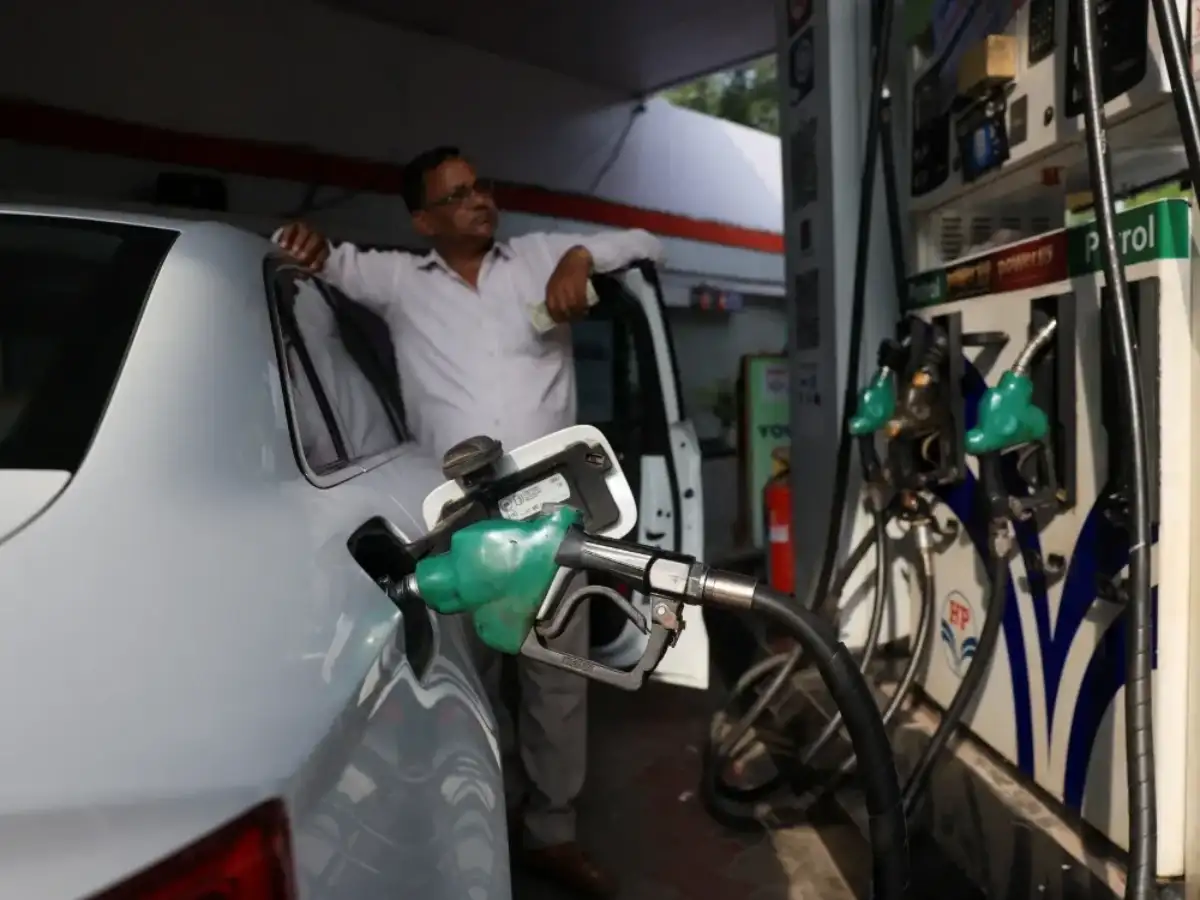 Maruti, Tata, Mahindra raised E20 fuel contamination concerns, emails show Maruti, Tata, Mahindra raised E20 fuel contamination concerns, emails show |
| Automakers privately expressed concerns about E20 fuel contamination, citing chloride and moisture issues. This data emerged after the auto lobby withdrew a complaint to the government. Industry tests found high chloride and moisture levels in many fuel samples. These contaminants are reportedly harming vehicles and reducing performance. Read more |
|
|
|
|
 RBI to close FCNR(B) forex swap facility early after strong dollar inflow RBI to close FCNR(B) forex swap facility early after strong dollar inflow |
| The Reserve Bank of India has closed its special forex swap facility early. This facility attracted significant foreign exchange inflows totaling $52.3 billion. The scheme for FCNR(B) deposits will now only accept funds mobilized until August 31. However, the swap facility for ECBs and OFCBs continues until December 2026. These channels collectively generated over $56 billion in forex inflows. Read more |
|
|
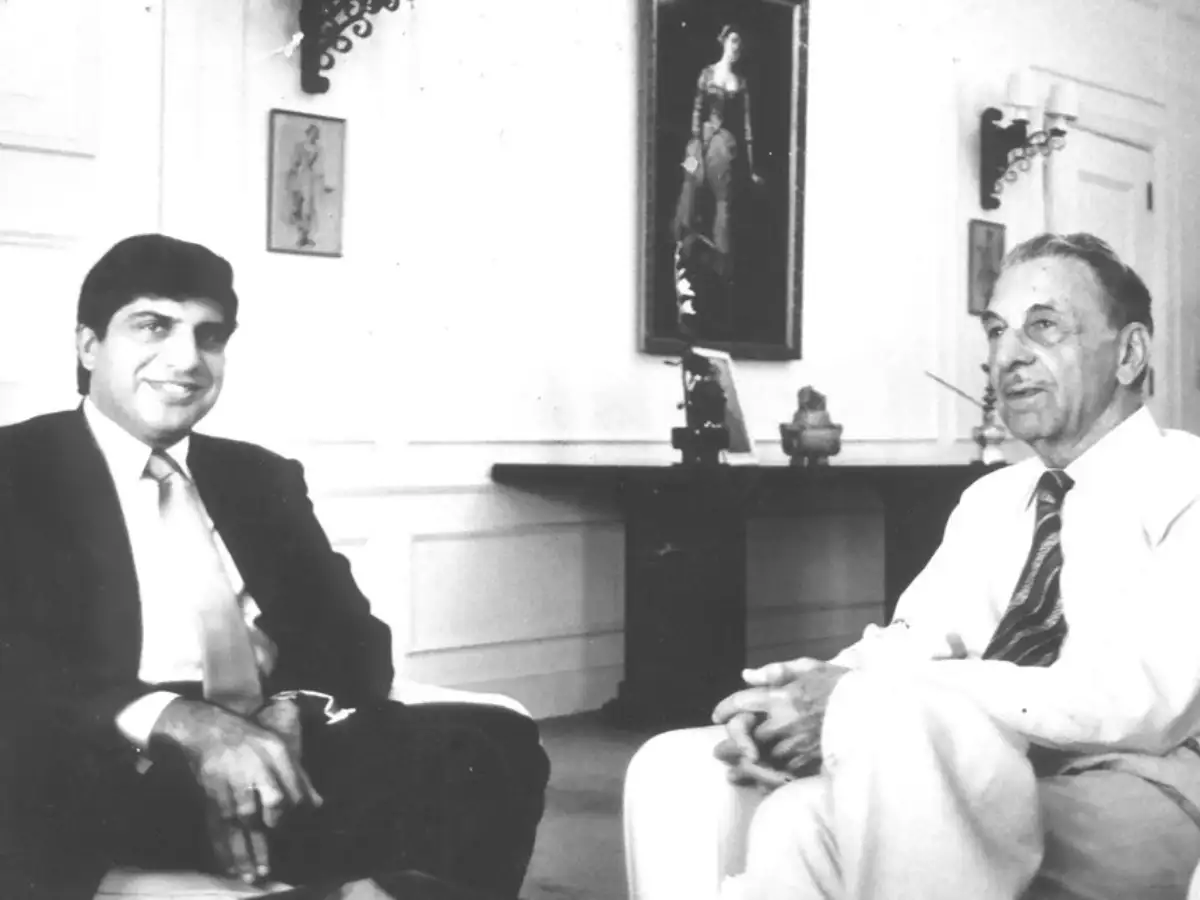 Bombay House battles: How Ratan Tata once defeated the old guard Bombay House battles: How Ratan Tata once defeated the old guard |
| Ratan Tata’s rise as Tata Sons chairman in 1991 triggered a dramatic power struggle with Tata Group’s old guard. Russi Mody, Darbari Seth and Ajit Kerkar had built powerful, autonomous empires within Tata companies. Through retirement policies, boardroom alliances and stronger central governance, Ratan Tata gradually asserted Tata Sons’ authority, reshaping the conglomerate and laying the foundation for its global expansion. Read more |
|
|
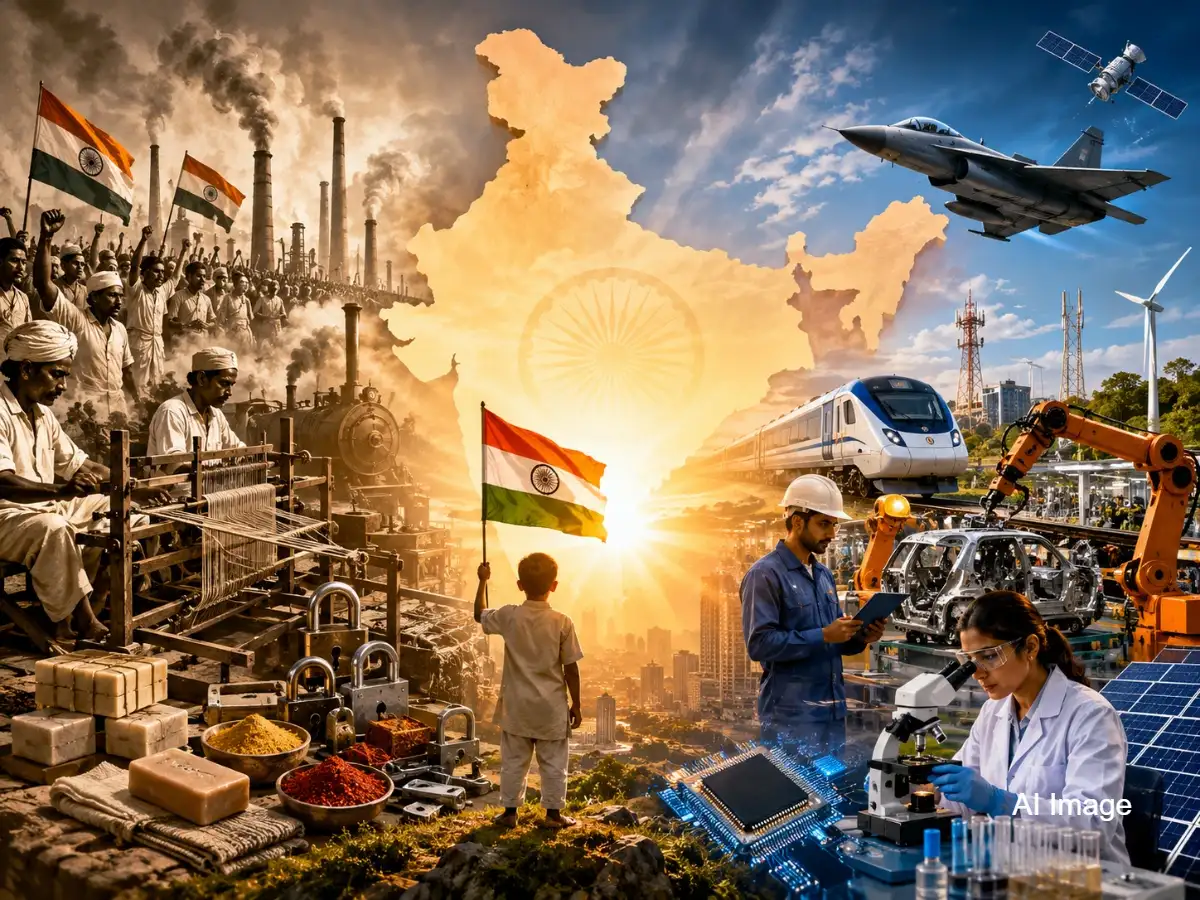 Swadeshi 1.0 vs. Made in India 2.0: How India turned a 1905 boycott into a 2026 business strategy Swadeshi 1.0 vs. Made in India 2.0: How India turned a 1905 boycott into a 2026 business strategy |
| Independence Day 2026: From the Swadeshi movement to Atmanirbhar Bharat. Early Swadeshi movements fostered indigenous industries against imperial rule. Modern policies like Make in India 2.0 drive global competitiveness and expansion. Production-Linked Incentive schemes have spurred significant investment and job creation. India now leads in mobile phone production and aims for high-tech manufacturing. This evolution showcases a renewed legacy of economic self-determination on a global scale. Read more |
|
|
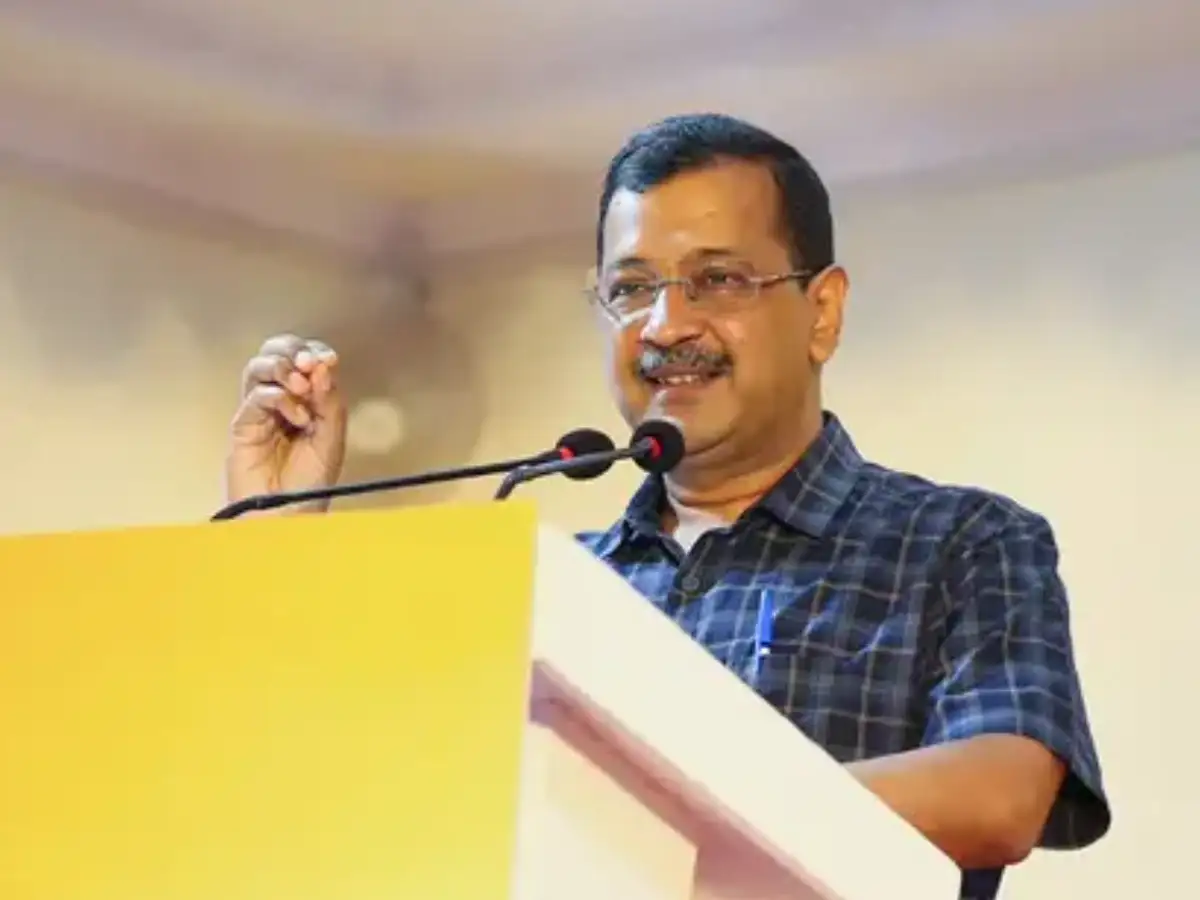 After Gen Z, its Gen Alpha's turn to seek accountability: Arvind Kejriwal After Gen Z, its Gen Alpha's turn to seek accountability: Arvind Kejriwal |
| Gen Alpha is now demanding better facilities in government schools. Children across India are protesting for basic amenities like proper roads and teachers. Arvind Kejriwal noted damaged buildings and a lack of toilets in schools. He stated that people had accepted poor conditions as normal for years. Kejriwal claimed Punjab's schools improved significantly under his party's governance. Read more |
|
|
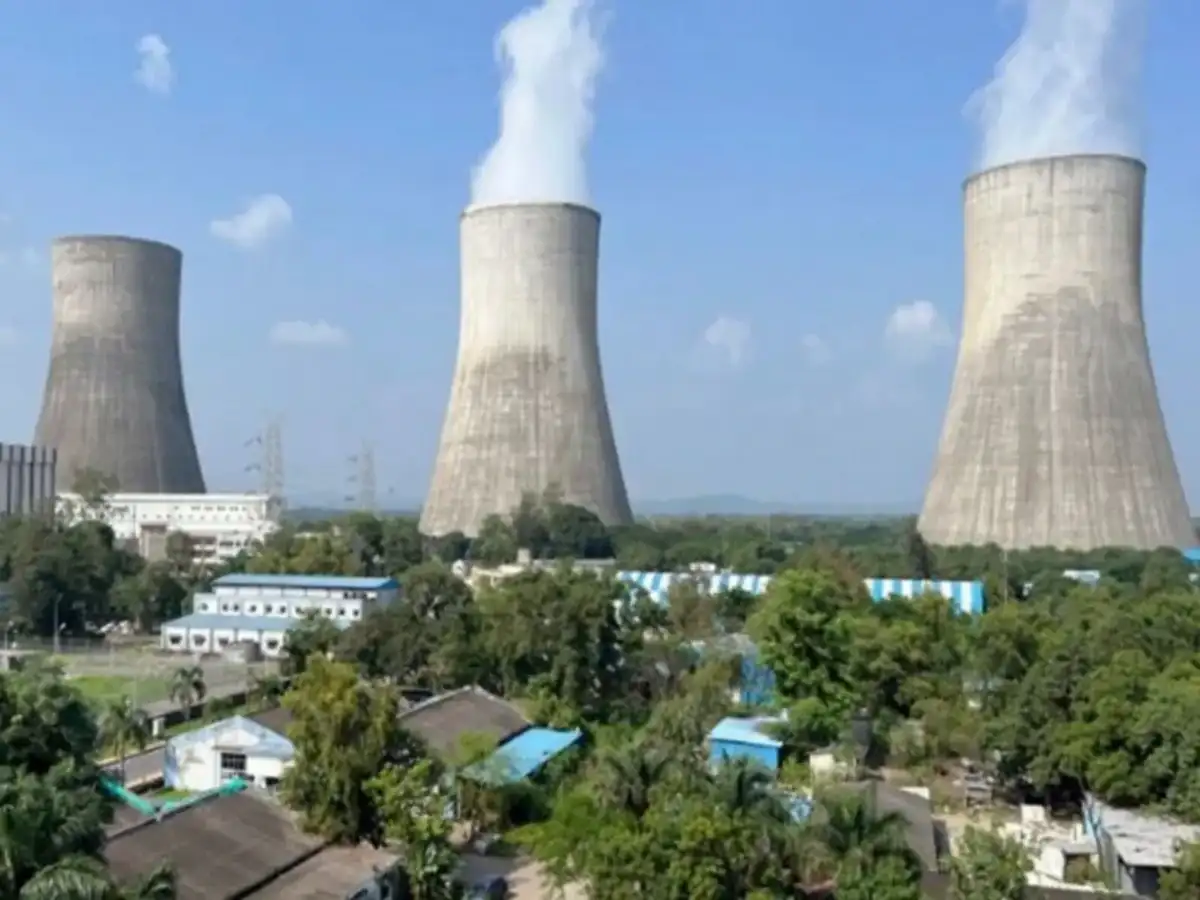 UCIL eyes bigger uranium output to fuel India’s 100 GW nuclear push UCIL eyes bigger uranium output to fuel India’s 100 GW nuclear push |
| UCIL aims to lead nuclear fuel supply for India's energy program. The company is enhancing mining and processing capacities for this goal. New mining activities are planned in other parts of the country. UCIL will utilize tailing ponds and expand its Tummalapalle plant. Environmental clearances are being sought for the Rohil project in Rajasthan. Read more |
|
|
|
|
|
|
 India state food safety chief targets Eternal, Swiggy, Zepto in sweeping crackdown, suspends permits of 12 warehouses
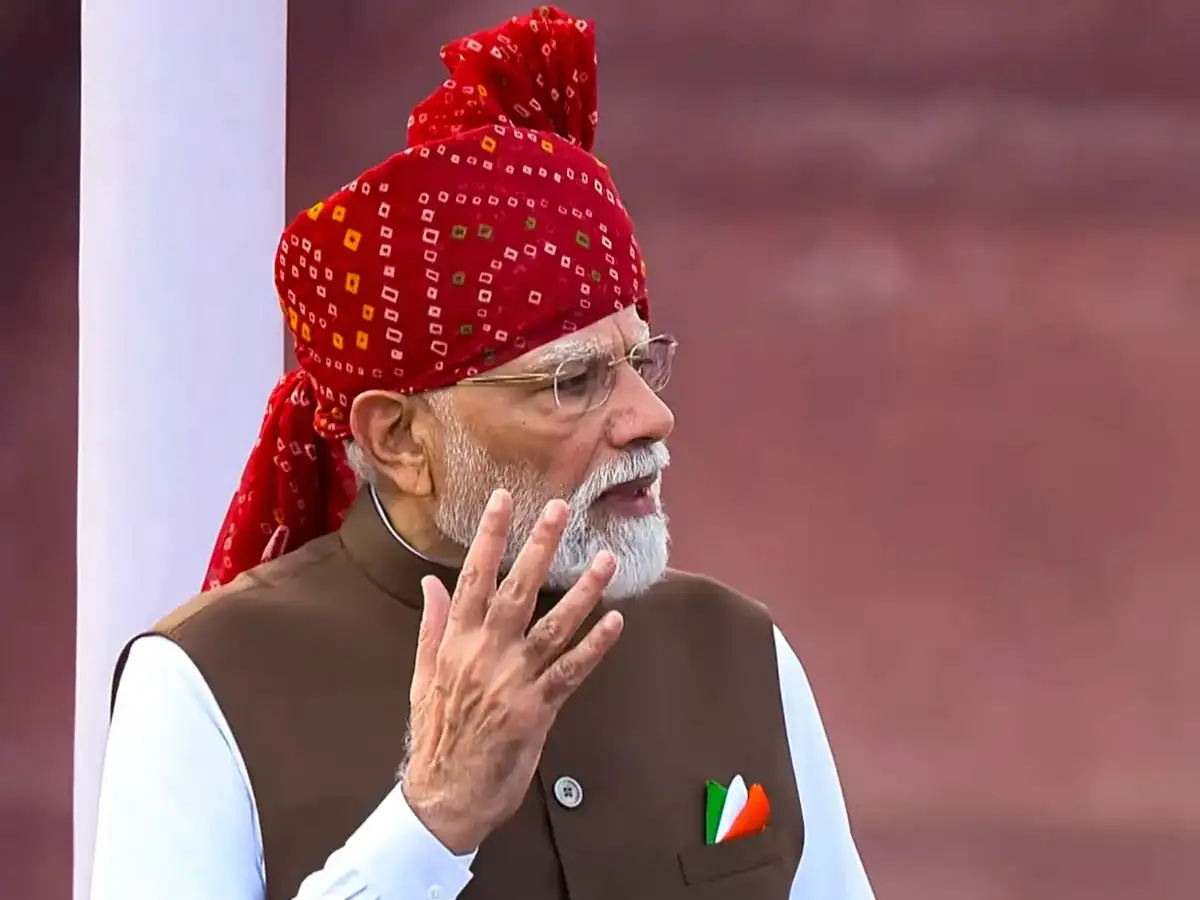 Independence Day 2026: PM Modi invokes ‘Sapta Dhara’ vision for India’s future focusing on manufacturing to soft power
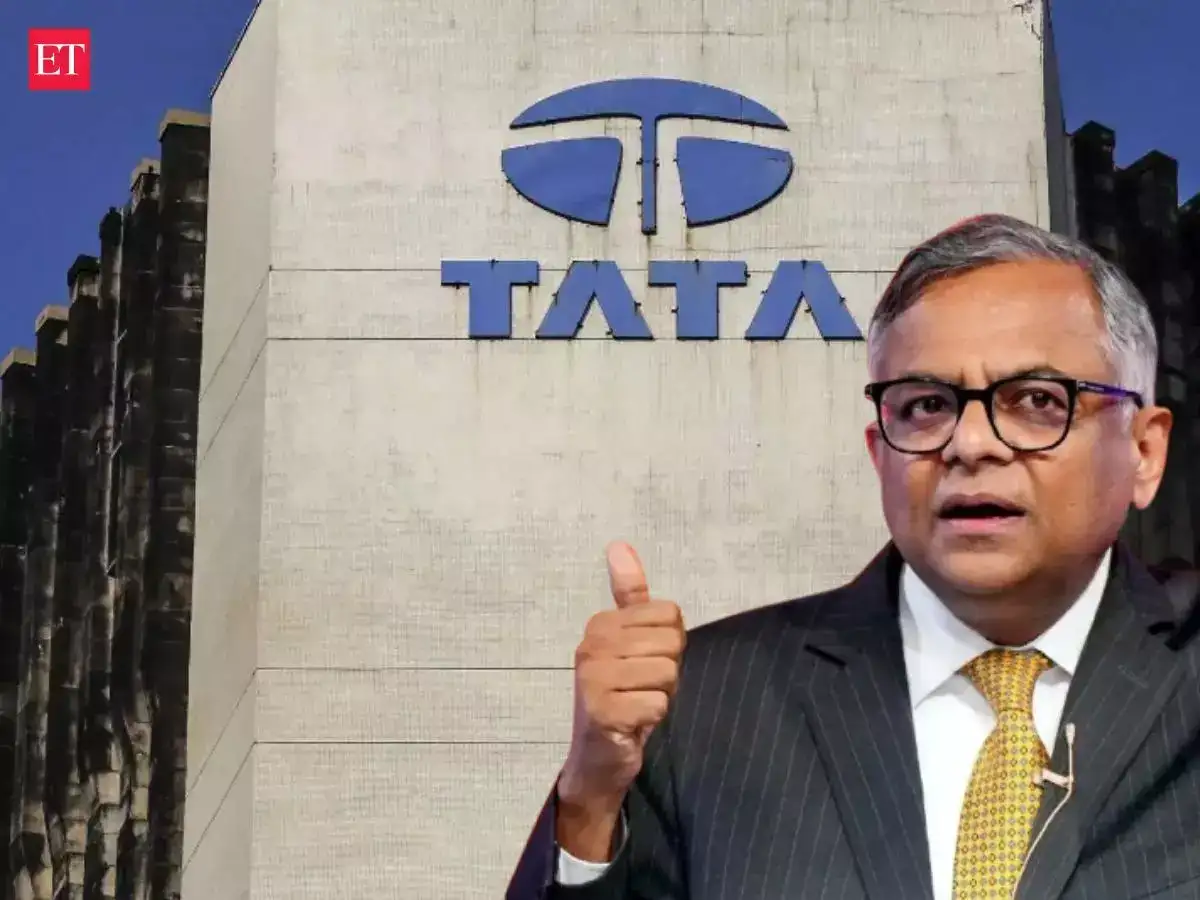 Tata Succession Plan: Senior executives and family scions seen in early list for top job after Chandrasekaran's exit
 Mahindra launches BE 6 SPORTEQ with BaaS, new three-screen cockpit: Check price and more features
 US visa for children: Minors of all ages must attend interview, US Embassy tells Indian parents
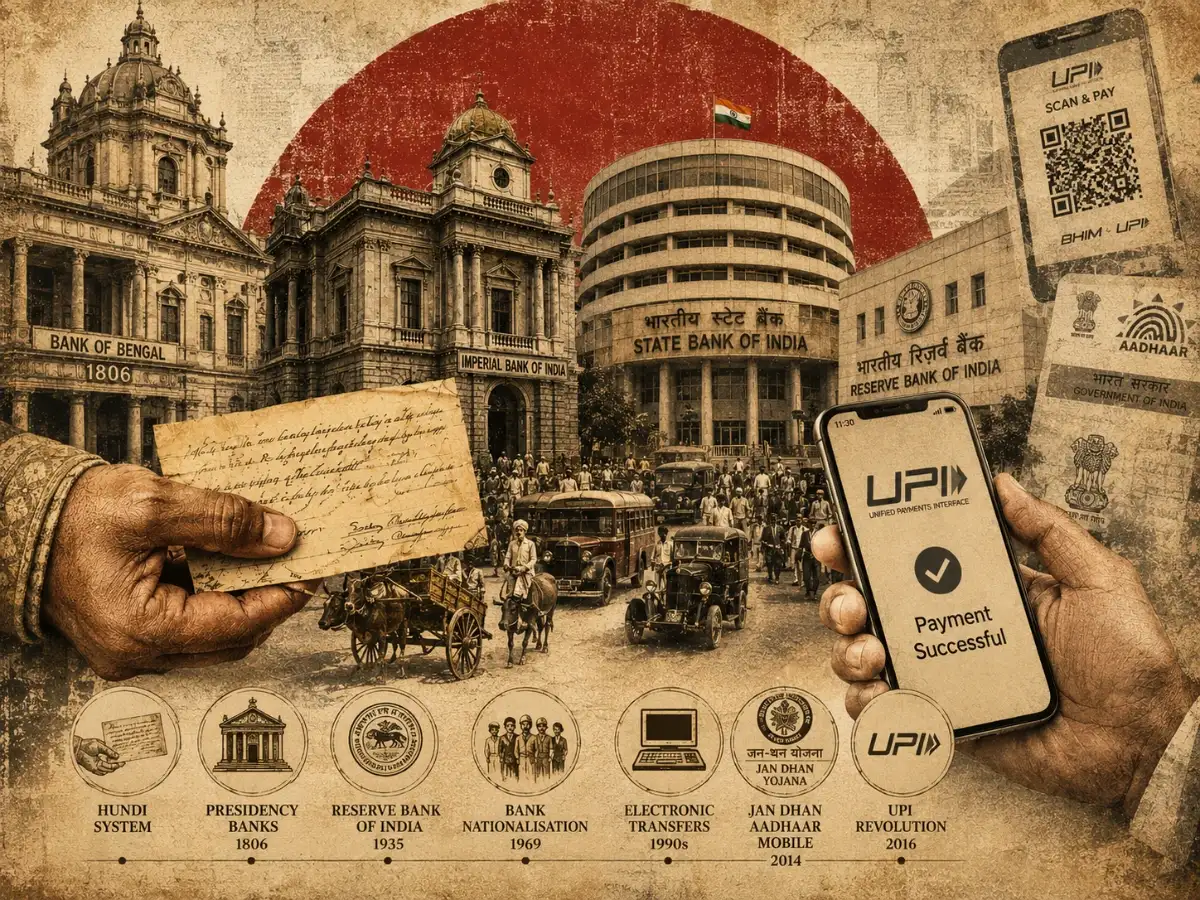 Independence Day 2026: The road to UPI — India’s payments revolution was centuries in the making
 Pesky call complaints rise steadily since 2022, over 82% against unregistered telemarketers, Governments tells Parliament
 Independence Day 2026: A 1968 gold ban that turned every Indian household into an underground vault
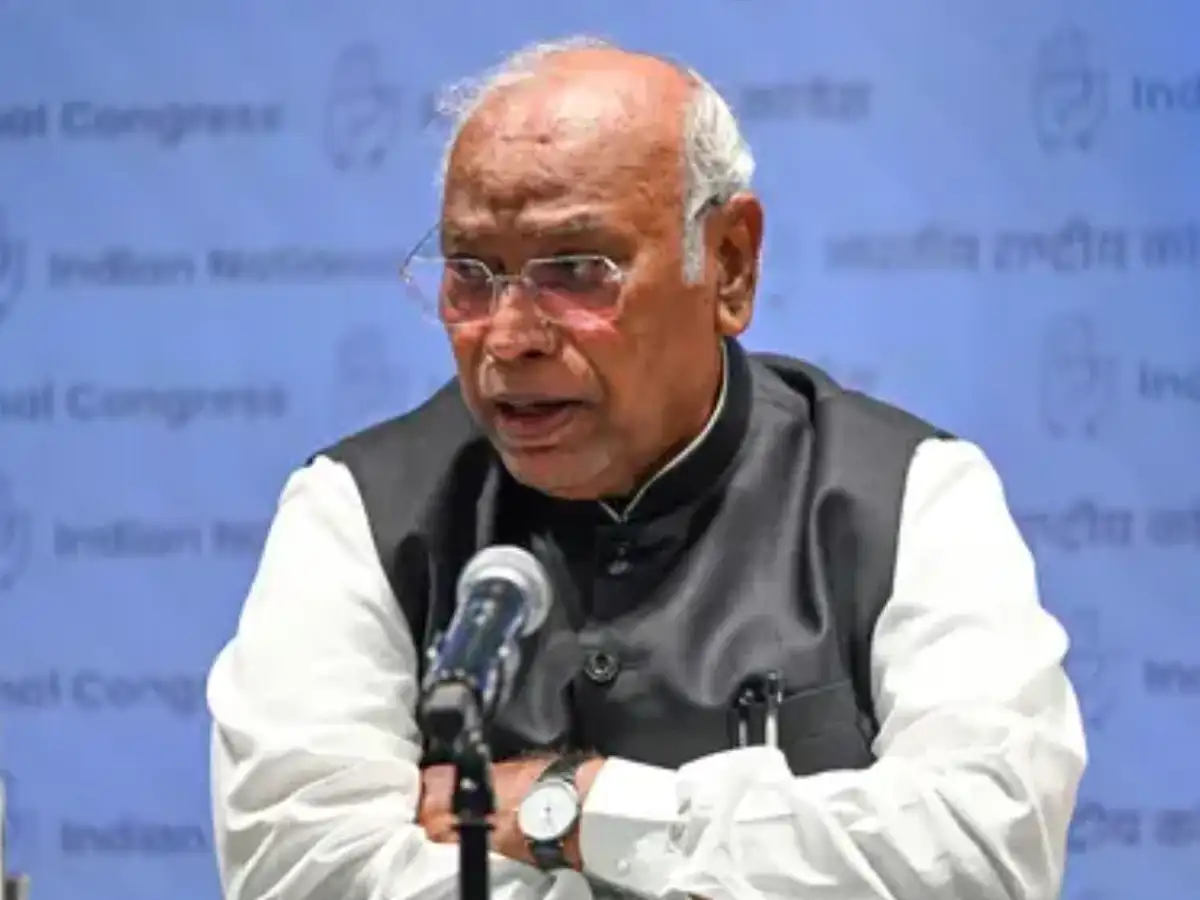 PM, Shah must respond on reports of Chinese aggression in Arunachal Pradesh, loss of territory: Mallikarjun Kharge
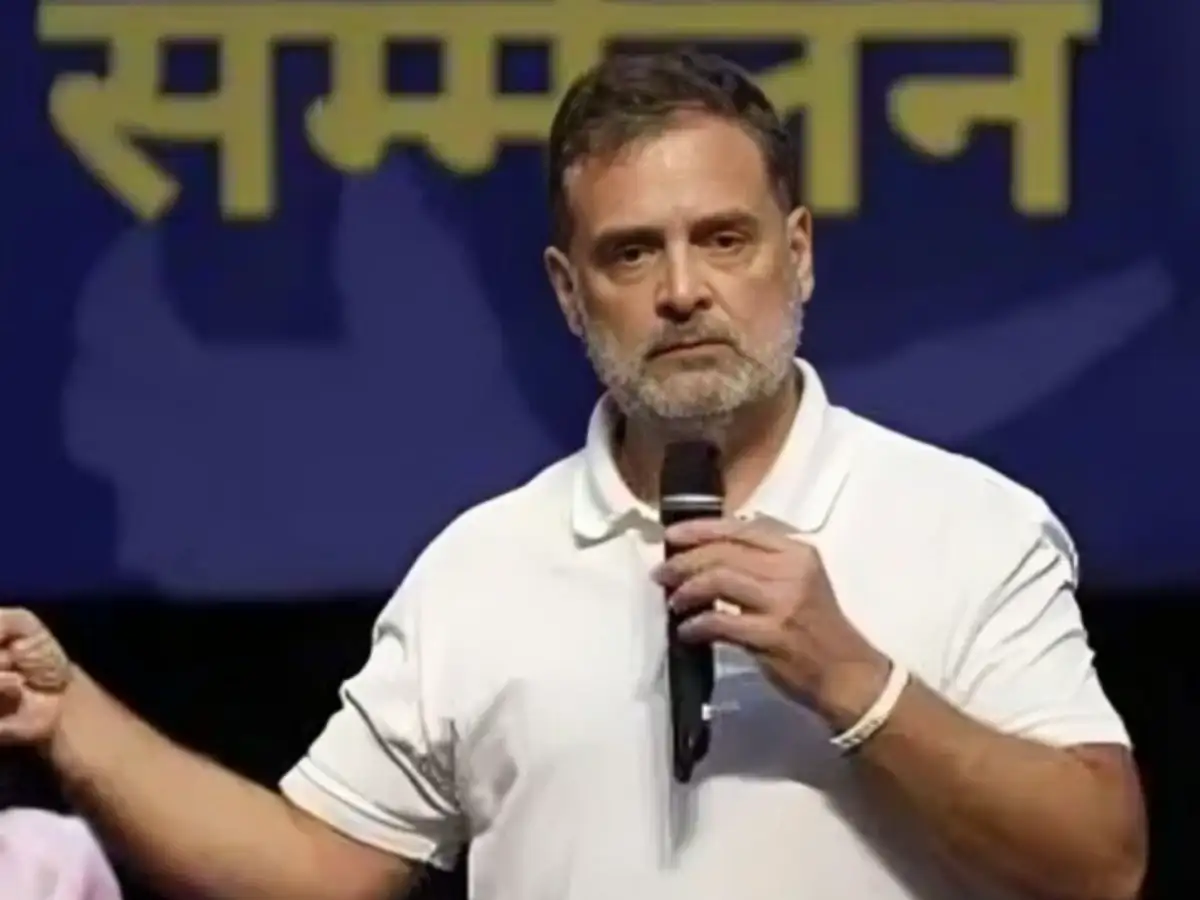 Supreme Court quashes defamation case against Rahul Gandhi over Savarkar remarks