|
|
 
| |
 |
| (Scott Olson/Getty Images) |
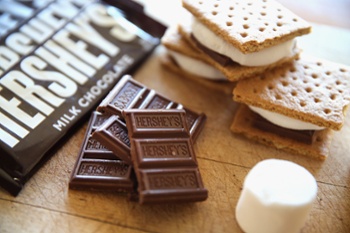
Hershey is leveraging new AI tools to boost sales of s'mores ingredients, including its chocolates, marshmallows and graham crackers. The company developed a proprietary AI tool that utilizes augmented reality and computer vision to optimize the placement of s'mores displays in stores, enhancing consumer engagement and sales performance. The AI tool, which has contributed to double-digit growth in s'mores-related sales, also aids in real-time marketing decisions, allowing Hershey to adapt quickly to consumer trends and optimize advertising strategies.
|
|
|
|
$158 billion is lost annually to trading partner inefficiencies with supplier onboarding costing at least $20K-$35K per partner. This is a coordination problem. The Autonomous Commerce Operations playbook shows you how to fix it.
|
|
|
| ADVERTISEMENT |  |
|

|
Target has reported a rise in digital traffic, driven by partnerships with AI platforms like OpenAI and contributing to a 3.8% increase in comparable sales. The retailer is maximizing AI for personalized guest experiences and efficient inventory management through its digital twin, Proxima. Despite challenges in segments like home and apparel, Target sees strong performance in food and beverage sales.
|
|
|
Fashion designer Willy Chavarria is exploring the use of AI to enhance customer interaction by potentially integrating his own voice into his brand's online shopping experience. This innovation aims to allow shoppers to hear from Chavarria while browsing, although the exact implementation is still under consideration. The idea aligns with a broader industry trend where emotional connection is becoming a key driver of brand desirability. Chavarria's recent AI-powered storefront launch for his Adidas World Cup collection resulted in a significant sales increase, highlighting AI's potential in retail.
|
|
| |
 |
| (SOPA Images/Getty Images) |
Consumer goods company Henkel, maker of Loctite adhesives, has integrated Ask Albert, an AI model focused on chemistry, to enhance its R&D operations. The tool helps find raw material alternatives, analyze past experiments and connect different projects, with more than 90% of Henkel's chemists planning to use it regularly. "The strong engagement and positive feedback we've seen so far tell us we've only scratched the surface of what this capability can unlock across R&D," Houda El-Haddad, head of digital and innovation solutions at Henkel Adhesives Technologies, said about AI.
|
|
|
|
|
Gartner expects 60% of the world's top 100 organizations to use synthetic population data by 2028, up from under 20% today. WARC found that 67% of firms say data reliability is what's blocking their AI progress. See the full research from Gartner, WARC and the 4As, in one short read. Download the free report |
|
|
|
| ADVERTISEMENT |  |
|

|
Luxury commerce platform Remark AI has introduced an AI shopping advisor, combining virtual try-on tech with product guidance and personalized styling. The platform is designed to democratize the luxury shopping experience by offering the same level of personalized attention typically reserved for top clients. "[R]emark lets shoppers virtually step into complete looks, stand up and move naturally, and see how the fabric drapes, shifts and responds on their body in real time—as if they were actually wearing it," the company stated.
|
|
|
AI-based commerce platform Seel has launched a new resale capability within its order center, allowing consumers to resell gently used items when returns are no longer possible. This innovation addresses a significant post-purchase challenge, enhancing the consumer experience and offering environmental benefits by promoting secondhand shopping. Seel's platform automates the resale process across multiple marketplaces, ensuring efficient inventory management.
|
|
|
|
|
Billions of credentials circulate on the dark web, creating silent vulnerabilities. See if yours are exposed with Keeper's free BreachWatch Dark Web Scan. Scan Now |
|
|
|
| ADVERTISEMENT |  |
|


|
AI-powered tools and a surge in secondhand purchases are heavily influencing back-to-school shopping this year, according to NRF data. By early August, shoppers had completed only 44% of their lists, relying on AI to find discounts and recommendations. About 61% of shoppers reported using AI tools, and 32% of K-12 and 47% of college shoppers bought secondhand items. "When you ask them how they’re using it, they’re actually using it to help them shop, to find cheaper prices, to search out sales, and that seems to be a successful way that they’re interacting with AI right now," said NRF Chief Economist Mark Mathews. Retailers are responding with competitive pricing and promotions, with 73% of shoppers noting sales are as good as or better than last year.
|
|
|
| | |


.png)