MARK DIVINE
 

PODCAST


BOOKS


TRAINING

SUBSCRIBE

DIVINE INSPIRATION

Hey all,


Mark here. Here's what we have in store for this week...


WHAT I'M WRITING ABOUT

Brain Health Requires a Whole-Person Approach
 

For a long time, the conventional response to a concussion was pretty simple: rest, wait it out, and eventually get back to normal. I grew up with that mindset myself. If you got your bell rung, you shook it off and moved on.


We now understand that brain injury is far more complex.


A concussion can affect much more than memory or concentration. It can influence sleep, mood, anxiety, irritability, balance, energy, and even your sense of identity. You also don't necessarily have to lose consciousness or take a direct blow to the head. Acceleration, whiplash, and other forms of trauma can affect the brain in ways that aren't immediately obvious.


That makes brain health difficult because many of the effects are invisible. Someone can look perfectly healthy while experiencing headaches, brain fog, emotional changes, disrupted sleep, or simply feeling unlike themselves.


Recovery therefore can't always be reduced to treating a single symptom. The brain is connected to everything else we experience physically and psychologically, which means healing often requires looking at the whole person. Sleep, movement, nutrition, emotional health, relationships, and the circumstances surrounding the injury can all matter.


One of the most important pieces is sleep. This is when the brain does much of its repair and waste clearance, and after an injury it may require considerably more recovery than we're accustomed to giving it. Circadian rhythm matters too. Morning sunlight, consistent sleep patterns, and reducing stimulation at the appropriate times can help create better conditions for recovery.


The bigger lesson is not to take brain health for granted simply because you feel functional. I've had enough physical impacts over the years to recognize that what happens inside the brain isn't always immediately visible from the outside.


Your brain influences everything you do. Taking care of it deserves the same attention we give the rest of the body.


Hooyah!


HELP US BUILD WHAT'S NEXT

Quick one today.


I want to build the next season of Unbeatable Mind training around what's working for the people spending their time with it. 


We put together a short community survey on where you're at with your practice, what's working, and how to make Unbeatable Mind more useful for you. About five minutes, no long forms.


Whether you're deep in the daily practice or just here for the newsletter, there are no right answers, only yours.


[Take the Survey]


NEW EPISODE - THE MARK DIVINE SHOW

The Mark Divine Show
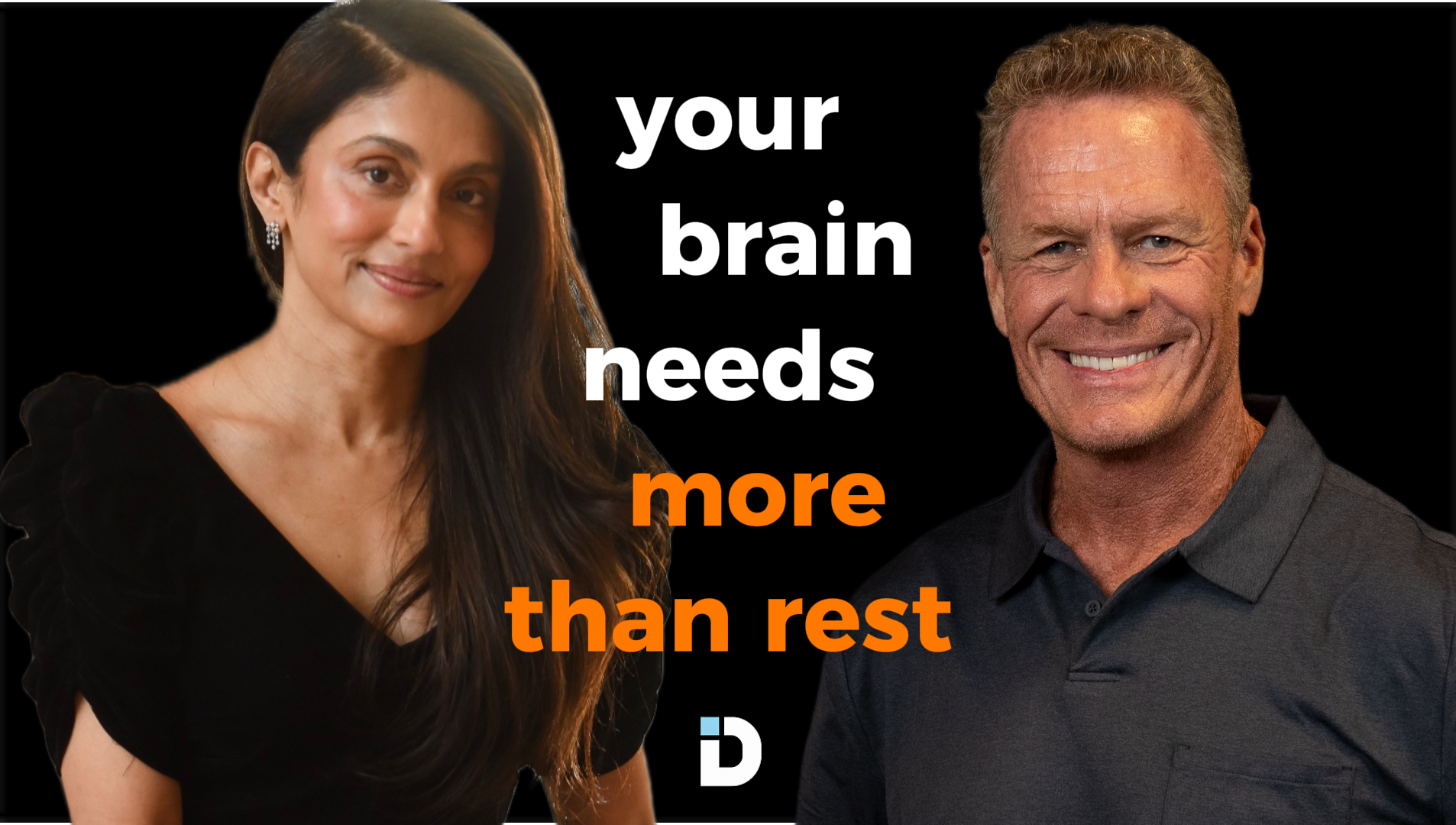
Healing the Brain with Dr. Teena Shetty: A New Approach to Concussion Recovery
Episode #579


Dr. Teena Shetty is a triple board-certified neurologist and concussion expert who has worked with professional athletes and patients dealing with complex brain injuries. Her new book, Healing the Brain: A Revolutionary Program for Concussion Recovery, offers an integrative approach to understanding and treating concussion.


Podcast Highlights:


In this episode, Dr. Teena Shetty and I explore what actually happens after a concussion, why brain injuries can be difficult to recognize, and how recovery has moved beyond the old prescription of simply resting in a dark room. We also discuss repetitive impacts, sleep and circadian rhythm, emotional changes after injury, the importance of caregivers and community, and emerging approaches to brain health and recovery.


You'll learn:

  • Why you don't need to lose consciousness to have a concussion
  • How repetitive impacts may affect brain health
  • Why mood and personality changes can follow brain injury
  • How sleep supports brain recovery
  • Why circadian rhythm matters after concussion
  • How movement and sunlight can support recovery
  • Why concussion treatment requires an integrated approach
  • How caregivers and community can support healing

Brain health isn't simply about treating symptoms after something goes wrong. It's about understanding the conditions the brain needs to heal and function at its best.


--> Watch episode #579 of The Mark Divine Show


SPONSOR SPOTLIGHT — PELUVA

I’ve been a fan of barefoot living for years, and Peluva gives me the natural movement I want while still providing the protection of a shoe. The individual toe design lets my feet spread and move naturally, while the zero-drop platform works great for lifting, functional fitness, walking, and everyday wear.

If you’re new to minimalist footwear, ease into it and give your feet time to rebuild their natural strength.

Visit peluva.com and use code DIVINE for 15% off your first pair.

Thanks to Peluva for sponsoring The Mark Divine Show.


     I  NSPIRATIONAL QUOTE     

“Sleep is the best medicine for concussion and for brain injury.” - Dr. Teena Shetty


PRACTICE OR HABIT TO TRY

This week, pay closer attention to the habits supporting your brain's neutral recovery cycle.

  1. Get outside for natural light shortly after waking.
  2. Keep your sleep and wake times as consistent as possible.
  3. Build movement into your day rather than remaining sedentary for long periods.
  4. Give your brain periods without screens, information, or constant stimulation.
  5. Notice changes in your focus, mood, energy, and sleep instead of automatically pushing through them.
Small recovery habits practiced consistently can support brain health long before you think you need them.
 
REFLECTION:
Are you giving your brain the same attention you give the rest of your physical health?
 
Protecting your ability to think, feel, connect, and perform begins with recognizing that brain health is foundational to all of it.

 
Mark Divine

P.S. If you enjoyed this email, reply here and let me know what you thought. I'd love to hear from you.