Stories that you might have missed, more on India’s Cockroach Janata Party protests and eyewear by Paloceras.
Tuesday 13/10/26
The Monocle Minute
London Paris Zürich Milan Bangkok Tokyo Toronto

Sponsored by

La Maison Du Whisky

Monocle

Good morning. This week, Monocle is hosting events in three very different time zones. Join Tyler Brûlé in São Paulo today for an evening of cocktails and global insights. Or if you’re in London, Nic Monisse will host a panel for London Frieze to discuss where art ends and design begins. If you find yourself in New Delhi, Monocle and Hitachi Energy will be investigating how infrastructure, innovation and resilience are driving human progress. You can still register for tickets here. Here’s what’s coming up in today’s Minute:

THE OPINION: Saudi airport attacks put the kingdom’s alliances to the test
Q&A: Shashi Tharoor on India’s Cockroach Janta Party protests
DAILY TREAT: Eyewear by Paloceras
THE LIST: Stories that you might have missed


The Opinion: defence

The recent strikes on Saudi airports show that the kingdom still has some way to go when it comes to security

By Inzamam Rashid
By Inzamam Rashid

Following last weekend’s Houthi attacks on its airports, Saudi Arabia is seeking US defence support. The appeal comes a year after the kingdom gave its military a historic cash injection, making it the world’s eighth-largest defence spender – and is a test of the alliances that it has cultivated.

Last weekend’s attack on Riyadh’s King Khalid International Airport killed at least 12 people and wounded more than 300. King Fahd International Airport in Dammam has also been targeted by the Iran-backed Houthis, who have claimed responsibility as Saudi Arabia steps up airstrikes supporting a Yemeni government counteroffensive. A conflict that Riyadh had hoped to leave behind is again reaching its passenger terminals, raising the question: why are the country’s principal gateways still so vulnerable?

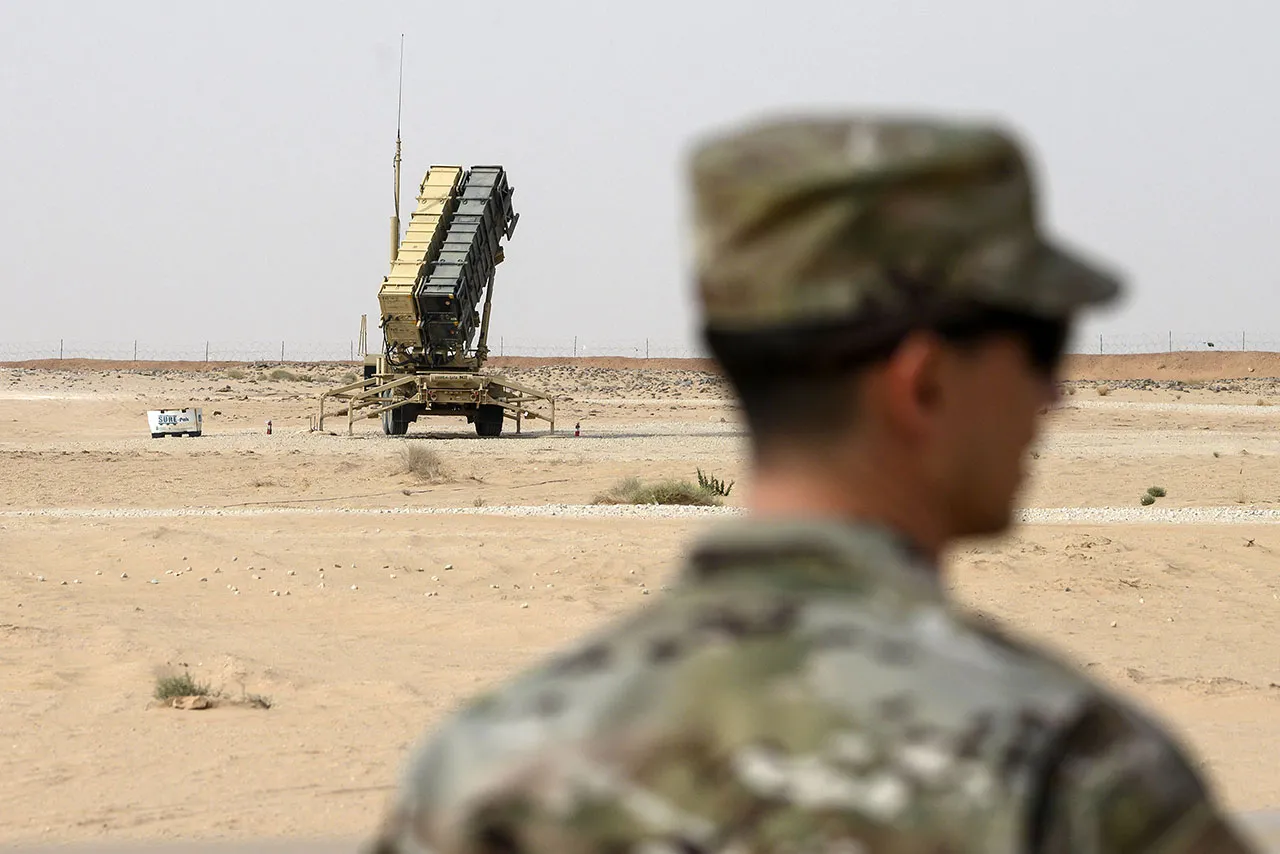
It’s tempting to wonder whether fewer mirrored Giga-Projects and more attention to national security might have helped but Saudi Arabia has hardly starved its military of money. (The 170km-long megacity, The Line, has been scaled back, along with other projects.) To be fair to the kingdom, Saudi Arabia covers more than two million square kilometres, with its airports, cities and oil installations so spread out that even sophisticated Patriot and Thaad systems cannot provide an impenetrable canopy. 

 
Shifting sands: Prince Sultan air base in Al-Kharj, central Saudi Arabia

The Houthis have established themselves as formidable adversaries. Once a localised guerilla movement, they’re now a highly capable hybrid military force with stockpiles of missiles and sophisticated drones. And they have geography on their side, operating out of northern Yemen’s rugged mountains. 

The Iran war has consumed large quantities of interceptors, putting Saudi supplies and those of its partners under strain. Replenishment could take more than a year. A large defence budget is useful but it can’t instantly conjure extra missiles off a production line that’s already serving a queue of anxious customers.

Riyadh’s allies are providing help, with the US, Turkey and Pakistan sending defensive and technical support and troops. But the Saudi government’s appeal suggests that what is available is insufficient. The kingdom has spent years cultivating these key partnerships; now it needs to determine how much practical protection those alliances provide.

Donald Trump has said that he is considering joining strikes against the Houthis but he finds himself in a difficult position. A ceasefire agreed between the Houthis and the US, brokered by Oman in May 2025, gives him reason to hesitate. The upcoming midterm elections in the US could also temper his enthusiasm.

Benjamin Netanyahu has strongly condemned the Riyadh airport attack – which is noteworthy, given that Israel doesn’t have formal diplomatic ties with Saudi Arabia. There’s ongoing talk of the US encouraging Saudi Arabia to join the Abraham Accords. Meanwhile, if the kingdom’s security needs become urgent enough, it might seek access to Israel’s Iron Dome system – a move that would have far-reaching implications for regional alliances.

For the full article, click here.

Inzamam Rashid is Monocle’s Gulf correspondent. For more opinion, analysis and insight, subscribe to the magazine today.

More of our Saudi Arabia coverage:
– Meet Thom Mayne, the original designer of Saudi Arabia’s The Line

– Why Saudi Arabia is downsizing its Vision 2030 plans


La Maison du Whisky unveils its new collection

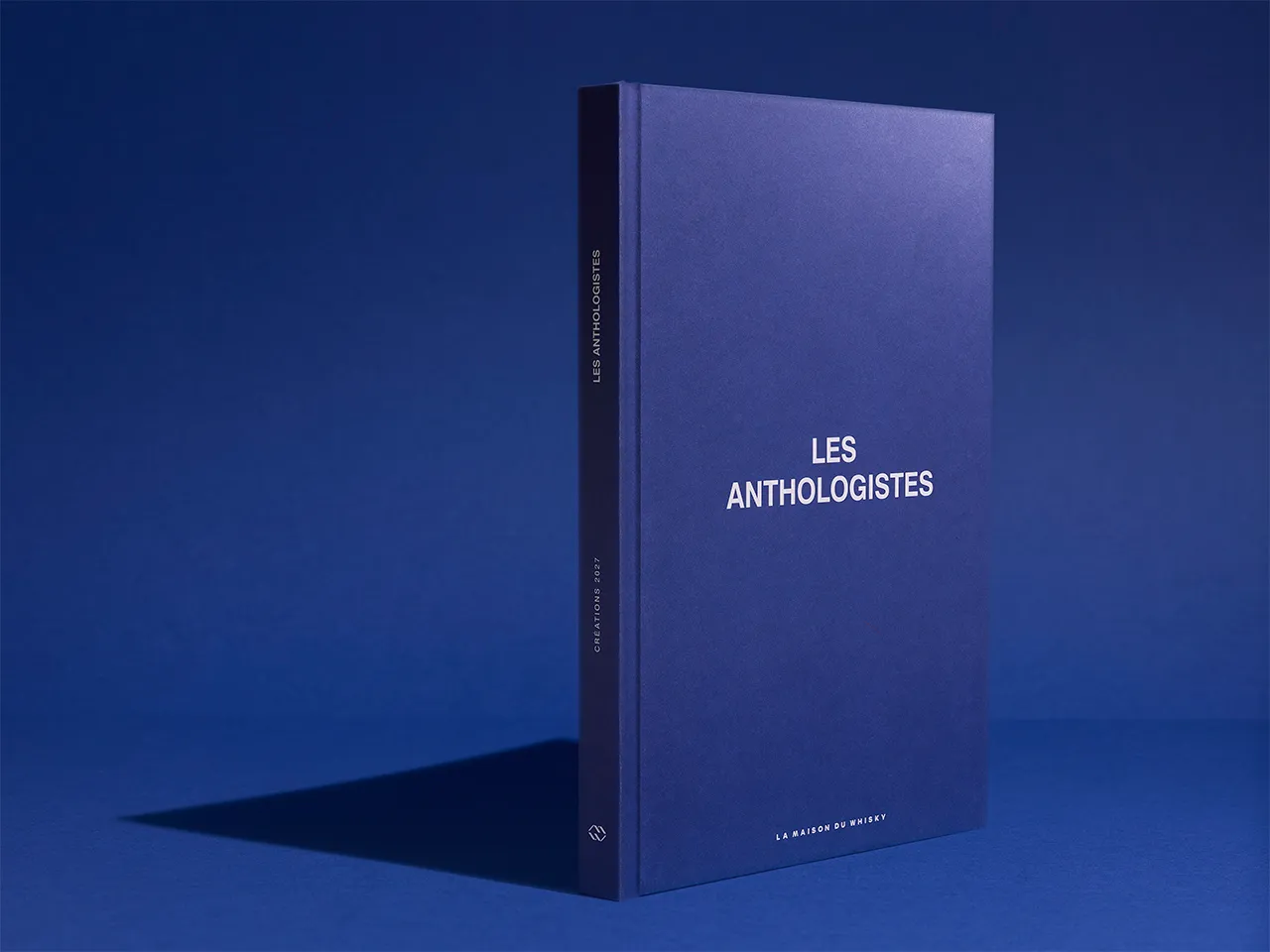
For 70 years, La Maison du Whisky has forged relationships with distilleries and independent bottlers. With The Anthologists, its 2027 Creations Collection, it reaffirms its role as a curator, celebrating creativity and innovation in the world of spirit makers.

Discover the collection

Sponsored by La Maison du Whisky


The Briefings

Q&A: Shashi Tharoor

‘Protests are not new but the energy behind these ones is.’ Shashi Tharoor on politics and power in New Delhi

Protests against changes to India’s electoral rolls erupted in New Delhi this week, when a verification exercise of the country’s almost one billion voters led to the removal of some 130 million names – or about 15 per cent of the registered electorate. While Narendra Modi’s government claims that the deleted names belonged to people who had died or relocated, or were duplicates, others suspect that the Bharatiya Janata Party is attempting to skew voter rolls in its favour. On Saturday, authorities partially shut down New Delhi in an attempt to forestall protests by the youth-led Cockroach Janta Party (CJP) movement.

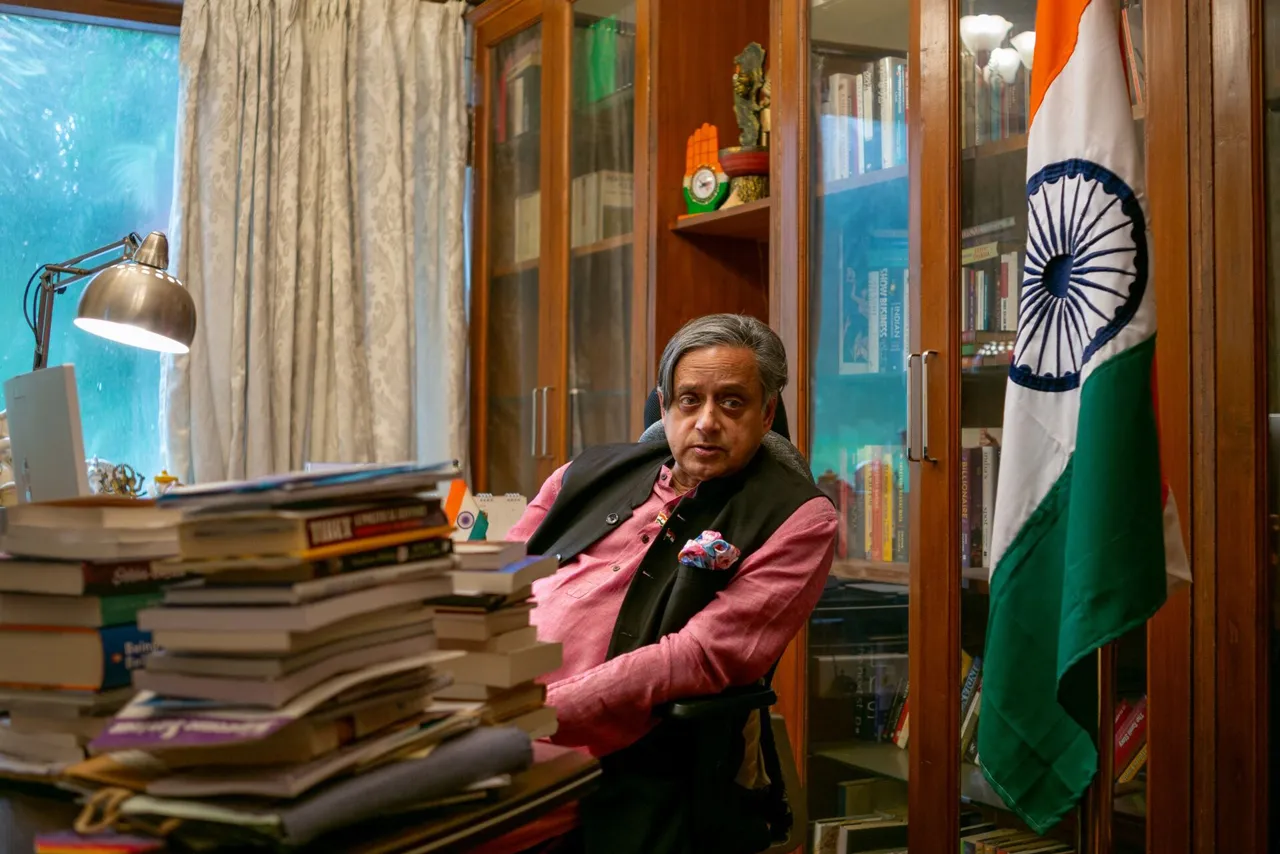
Shashi Tharoor is a columnist, author and former UN under-secretary-general. He has been a member of the Indian National Congress in the Lok Sabha since 2009. Tharoor spoke to Monocle’s Andrew Mueller in his New Delhi office on Monday morning.

 
Rocking the vote: Shashi Tharoor talks about India’s electoral changes

How extraordinary or otherwise was Saturday’s protest by the CJP and the official response?
I was astonished to see barricades and spike strips across many of the streets in my neighbourhood. It was a warlike deployment of more than 25,000 security personnel. The decision to shut down the Metro system, as well as the internet in central Delhi for 24 hours, was astonishing. All of this was done in an effort to forestall the protest. 

Do you have a handle on what the CJP actually is? Do you think it’ll be a short-lived protest movement – or is it something genuinely new?
Indian politics has been quite tumultuous for 80 years. Protests are not new but the energy behind these ones is. We have seen ordinary young people showing their frustration with the system before – and the same goes for the eruption of a spontaneous movement. But the CJP starting off as a satirical Instagram protest and turning into an extraordinary mobilisation of Gen-Z protesters is new. 

What is particularly striking is that the Modi government has managed to portray itself as invincible for quite some time now. It has behaved as though there’s nothing that anyone in opposition can do to shake the inevitability of it being India’s ruling party for the indefinite future. That no longer seems to be the case.


• • • • • DAILY TREAT • • • • •

Sport eyewear by Paloceras

Paloceras was founded in 2022 by designers Mika Matikainen and Alexis Perron-Corriveau. Based in Finland, the brand produces its colourful eyewear in Helsinki and Shenzhen.

“Glasses sit somewhere between fashion accessory, industrial product and medical device,” says Matikainen. The brand makes frames using layered acetate. “A green might take on a champagne hue; pink turns into yellow.” 
paloceras.com


Sponsored by La Maison Du Whisky


Beyond the headlines

the LIST: FROM monocle.com

Stories that you might have missed

Not been on monocle.com recently? Here are three updates worth your while.

Intergenerational living gets a makeover at Hamburg’s new co-living and hospitality concept


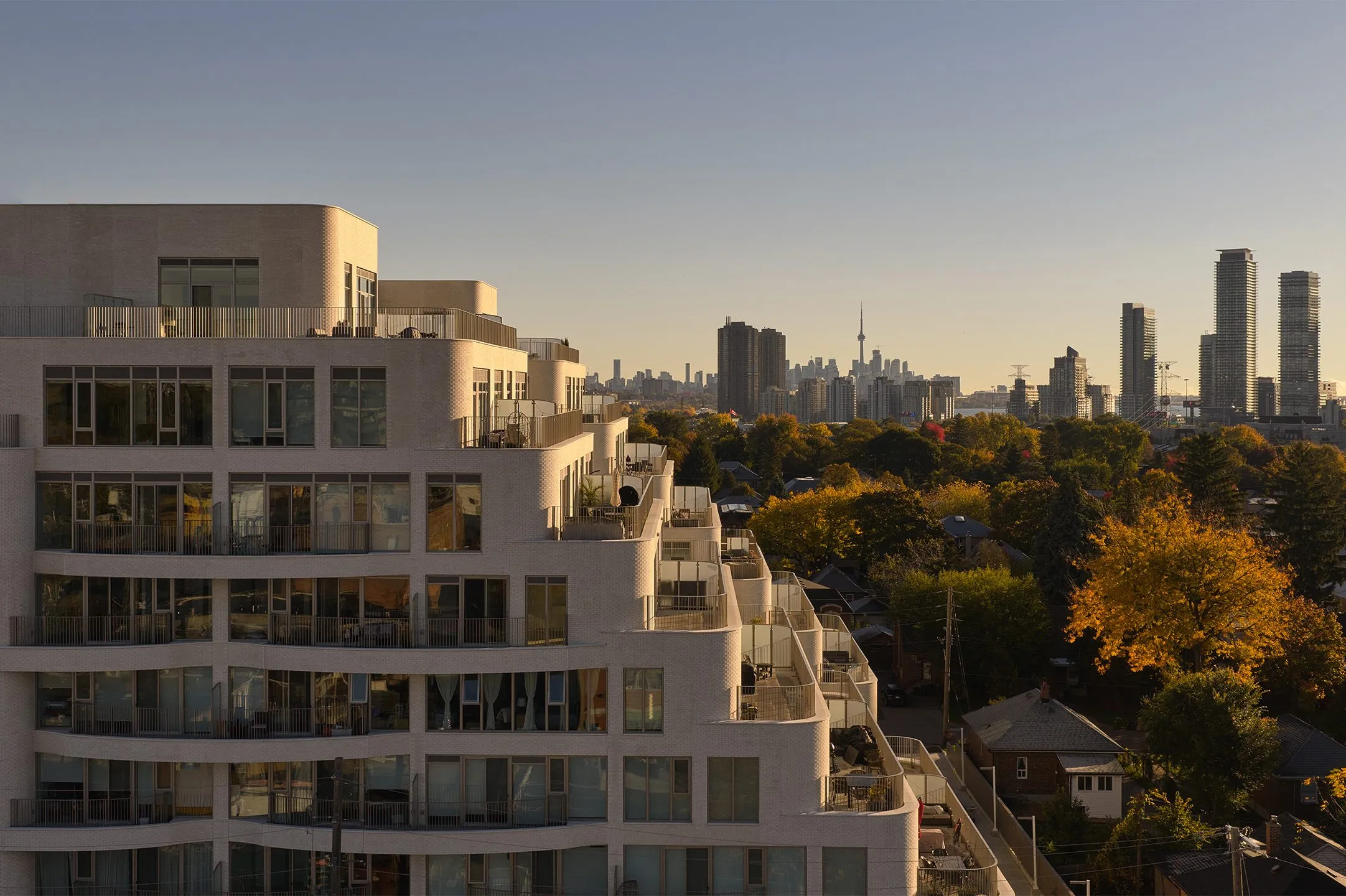
What can you expect from an all-women-designed building? Architecture that prioritises community


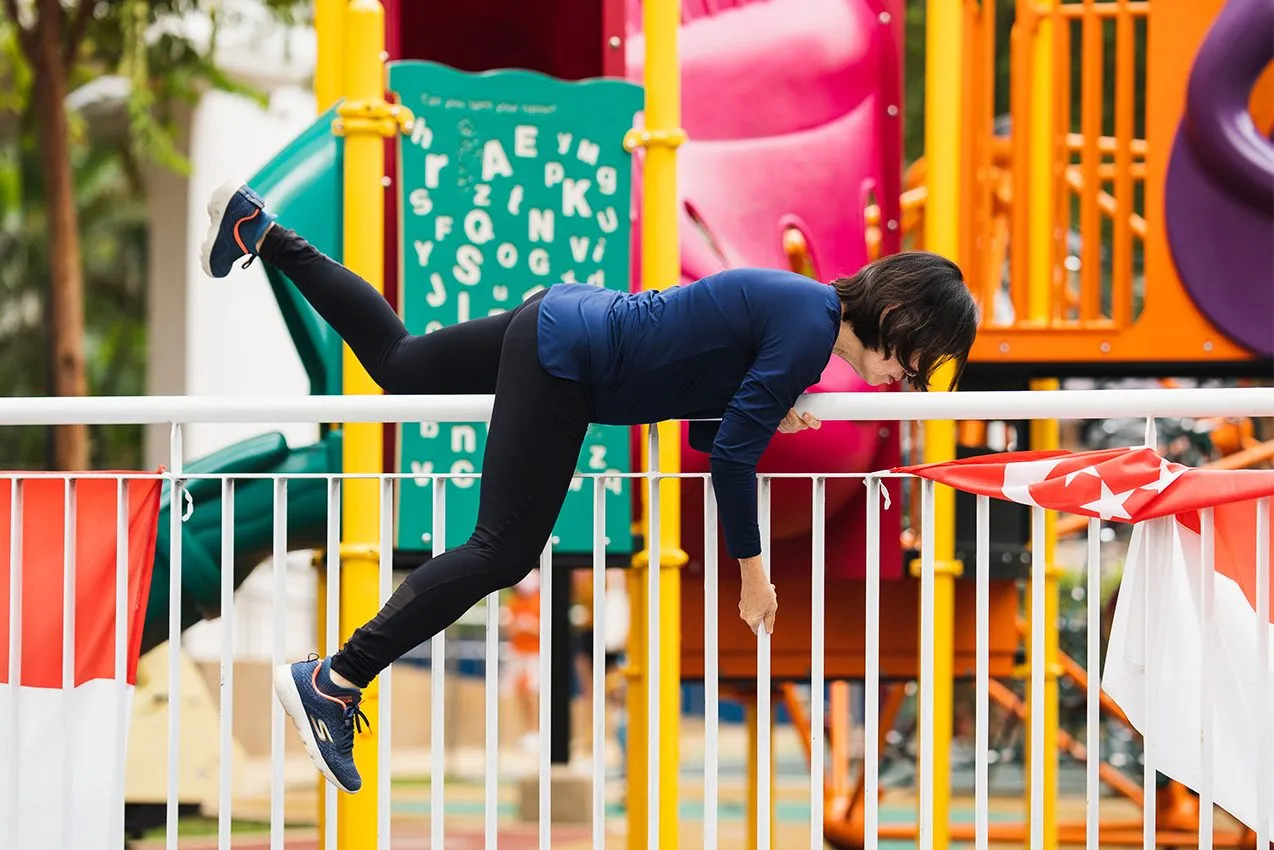
Singapore is helping its older citizens age well by teaching them parkour


Monocle Radio: