Trump’s Diesel Deal and the U.S.-Europe Divide |
By Ivana Saric
Digital Editor, Council on Foreign Relations |
European leaders this week scrambled to respond to a deal allowing Russia to export diesel to the United States.
Diesel from Russia was previously subject to U.S. sanctions.
President Donald Trump announced the deal on Friday, framing it as a bid to ease energy prices. The U.S. Treasury Department temporarily lifted sanctions on Russian diesel until April to facilitate the deal, which calls for Russia to release hundreds of thousands of tons of diesel to the global market. The president said the agreement would lower prices for Americans, including for “farmers, ranchers, and truckers.” The national average price of diesel hit $6.27 per gallon this month, up 70 percent since the start of the Iran war.
The reactions suggested new strains in the transatlantic alliance at a time when Ukraine is struggling to fend off Russia’s intensifying attacks. The deal could also inject capital into Russia’s sluggish economy, countering European Union (EU) efforts to continue isolating Moscow.
Officials across the NATO alliance reiterated their support for Ukraine and the need to maintain economic constraints on Moscow. “If we want to end this war, the only way we can do this is by putting more pressure on Russia,” Kaja Kallas, the EU’s top diplomat, said yesterday. European officials are expected to call for stricter sanctions on Russia during a European Council summit later this week.
CFR’s Matthias Matthijs told the Daily Brief that the deal illustrates that the Trump administration’s policy toward Russia is being defined by economic considerations ahead of the U.S. midterms rather than a joint strategy with Europe. “For many EU leaders, this is further proof that the Europeans can no longer afford to outsource their security policy and can no longer rely on the United States to contain Russia,” he added.
Closer to home, the deal faces bipartisan pushback from lawmakers who question whether the deal would violate federal law. The administration said on social media that it is complying with “all applicable laws.”
CFR’s Vijay Vaitheeswaran questioned whether the deal was likely to have a significant effect on global diesel markets in the short term. Russia’s diesel production capabilities have been degraded by Ukrainian strikes and Moscow has its own fuel needs to fulfill, he said. The Daily Brief will continue tracking responses to the deal in the coming days.
|
|
|
|
Thoughts on Today’s Newsletter? |
|
|
|
It’s only a matter of time before Russia’s escalating attacks on Europe, if continued at this intensity, result in significant civilian casualties—and Europe needs a more coordinated response, CFR’s Liana Fix and Rafaela Uzan wrote in a new expert take. They outlined a four-part playbook for Europe to deter Russia from further escalation: aiding Ukraine’s strikes deep into Russian territory, seizing Russian shadow fleet ships, using Moscow’s frozen assets, and expanding NATO exercises.
“Although assertive coalitions of willing European states can bridge immediate divisions, the long-term strategic direction remains unclear—especially as Washington turns inward ahead of midterm elections. But Russia’s escalating campaigns in Ukraine and beyond mean a crisis could occur sooner than expected, and Europe and its allies must adapt and prepare, now.” |
|
|
|
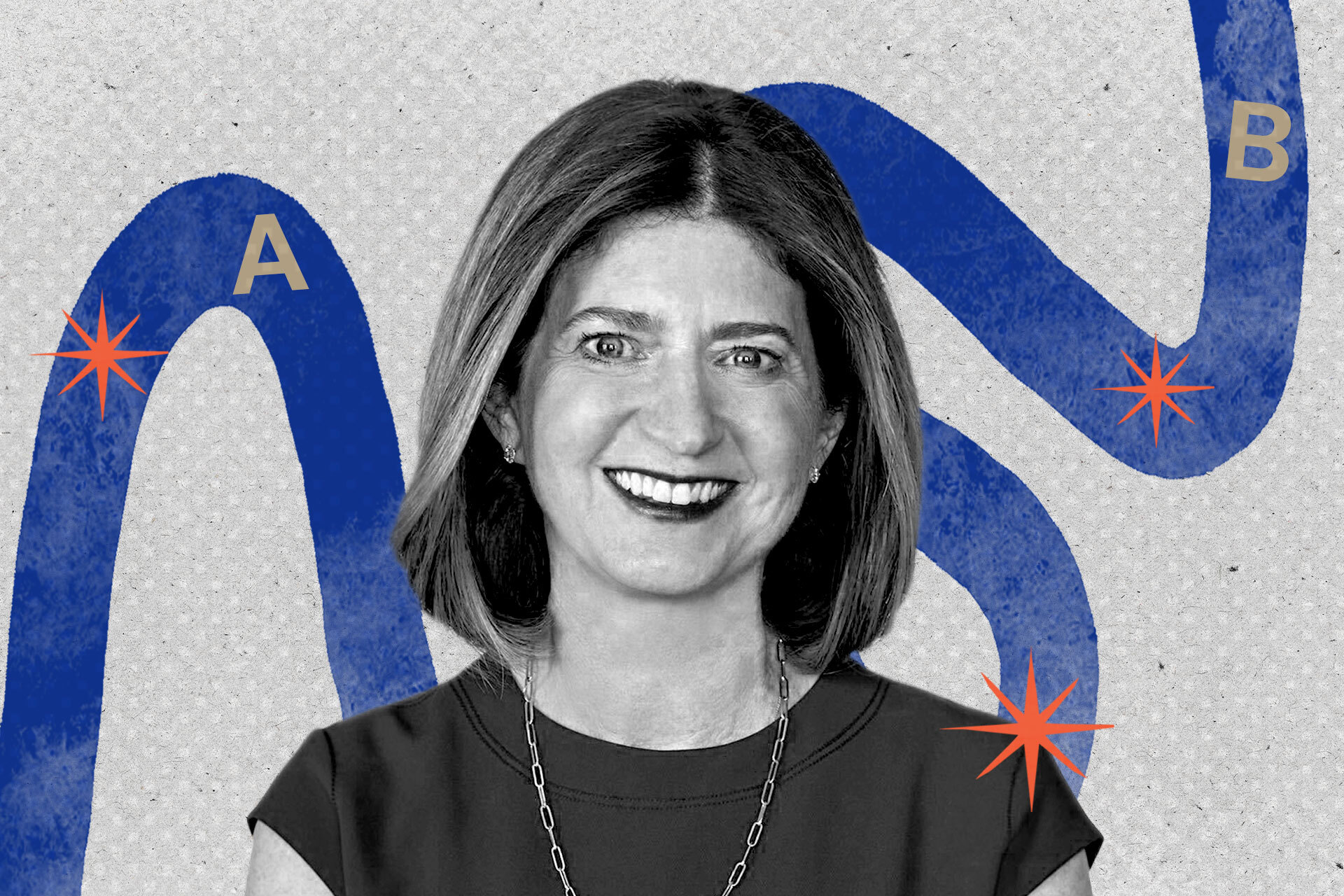
For the latest edition of CFR’s “How I Got My Career in Foreign Policy” series, Diana Roy sat down with Rebecca Blumenstein, president of editorial at NBC News and a CFR member. They discussed her start in local news, her time as the Wall Street Journal’s China bureau chief, and why she’s optimistic about the future of journalism. “There’s a lot to be said for bearing witness to events, whether it’s a tornado in Illinois, a tsunami, what our reporters do at the White House every day, or in China and anywhere around the world. To have video to show people where we are is really important.” |
|
|
|
Every day, the Daily Brief brings you a curated list of the top stories from around the world. |
-
Ex-Congolese President Becomes Leader of Rebel Coalition That Includes M23. Former Democratic Republic of Congo President Joseph Kabila has been named the leader of a new coalition challenging the government, the Front for the Refoundation of the Nation. One of its members is M23, a Rwanda-backed armed group that has taken over portions of the country’s east.
- Reuters: Ethiopian Troops Enter Town on Eritrean Border. Government troops moved into the town of Zalambessa, previously controlled by the Tigrayan rebels whom Ethiopia accuses Eritrea of backing, six sources told the news agency. It has raised concern about a wider war with Eritrea.
|
-
Argentina Escalates Falklands Fight With United Kingdom (UK). Buenos Aires has asked an international maritime tribunal to halt the disputed British territory’s first commercial oil development project. The UK asked Interpol to ignore Argentina’s requests to arrest people connected to the project, calling them politically motivated.
- Kimberly Guilfoyle, U.S. Ambassador to Greece, Resigns. The Trump appointee was asked to step down by the White House after damaging reports emerged, including one about asking a Republican donor to pay her credit card bill.
|
-
Japanese Journalist Arrested and Accused of Spying in Russia. Moscow’s security agency said that it had arrested a Japanese journalist in the country’s far east, alleging that he was collecting military information. The journalist was not named; he was being transported to Moscow, the agency said.
-
Visa Approved for Bank Card Clearing Business in China. The California-based company said it was “a significant step forward in Visa’s long-standing commitment to China.” Some saw it as a sign of progress for U.S. companies after Trump’s recent meetings with Chinese President Xi Jinping.
|
-
UK Intelligence Chief Warns of Iranian, Russian Hybrid Warfare. MI5 Director-General Ken McCallum said in a speech today that the agency’s state threats caseload had quadrupled, and that it was devoting more resources to “countering state threats than during the Cold War.” He announced a center devoted to AI risks, which could include the threat of new bioweapons.
- Spanish Royals Take Unusual Diplomatic Trip to Ceuta. The Spanish royal family, whose role is largely ceremonial, visited the Spanish territory in North Africa for the first time in nearly two decades. It comes months after a migrant surge from neighboring Morocco this summer sparked a political crisis.
|
-
Saudi-Led Coalition Strikes Rebel-held Oil Facility, Houthis Say. The coalition issued a warning for people to leave the area around the facility located in Yemen’s Houthi-held capital of Sanaa before striking. Residents and a broadcaster run by the Iran-backed rebels reported explosions.
-
Riyadh’s International Airport to Remain Closed This Week. Operations are suspended until Saturday at the Saudi Arabian capital’s international airport following deadly Houthi strikes over the weekend. It comes as the kingdom hosts a global energy conference, disrupting plans and travel for some executives.
|
|
|
|
Host: Ivana Saric
Editor: Xian Chiang Waren
Email Operations: Eric Rojas
Editorial Director, News: Phil McCausland
Editor-at-Large: Robert McMahon
Chief Digital Content Officer: Millie Tran |
|
|
|
58 East 68th Street, New York, NY 10065 |
1777 F Street, NW, Washington, DC 20006 |
|
|
|
|