Beams’ new sportswear initiative, the arrest of Germany’s ex-spymaster and Canada’s Paraphrase scents.
|
Wednesday 14/10/26
|

|
|
London
Paris
Zürich
Milan
Bangkok
Tokyo
Toronto
|
|
|
|

Good morning from Midori House. For more news and views, tune in to Monocle Radio. Here’s what’s coming up in today’s Monocle Minute:
THE OPINION: Paris Motor Show aims to put Europe back on the automotive map
FASHION: Beams’s new sportswear initiative hits the ground running
DIPLOMATIC SPAT: The arrest of Germany’s ex-spymaster creates tension in Azerbaijan
DAILY TREAT: Pick up a perfume from Paraphrase
THE LIST: Stories that you might have missed
|
|
European carmakers are getting their show back on the road to drive off Chinese threat
By Chris Cermak
|

|
Paris Motor Show, the Mondial de l’Auto, is an important showcase for French car manufacturing. French president Emmanuel Macron likes to tour the halls when the exhibition, which prominently features homegrown brands such as Renault and Citroën, comes around every other year (this edition was no exception). But when the show opened earlier this week, all anyone could talk about was the Chinese marques fanned out across the Paris Expo Porte de Versailles. The Asian powerhouse showcased a new confidence that includes technological advancements in the electric-vehicle space, at a price that has already proven attractive to cash-strapped European consumers.
But China might not be racing ahead entirely. This year’s show opened with a potential get-out-of-jail-free card for European carmakers. Negotiations between the EU and China led Beijing to agree to export quotas for Chinese hybrid vehicles, which have been flooding the European market. The news was cautiously welcomed by the Europeans who Monocle spoke to on the ground at the show. “Anyone embraces fair competition,” said the CEO of Renault-owned Romanian brand Dacia, Katrin Adt. “But it’s difficult to compete against competition that might not be fair.”
Fairness is in the eye of the beholder. A decade ago, it was China that sought to limit access to its domestic market and to force Western companies to partner with local players. Now the tables have turned: overproduction and an increasingly sluggish domestic market is prompting China to push its cars abroad. Europe, which once profited from selling cars in China, is now the one protecting its own market. As he toured the Motor Show, Macron emphasised the importance of Made in Europe and welcomed the EU deal that limits the number of Chinese hybrids entering the continent.
| |
|
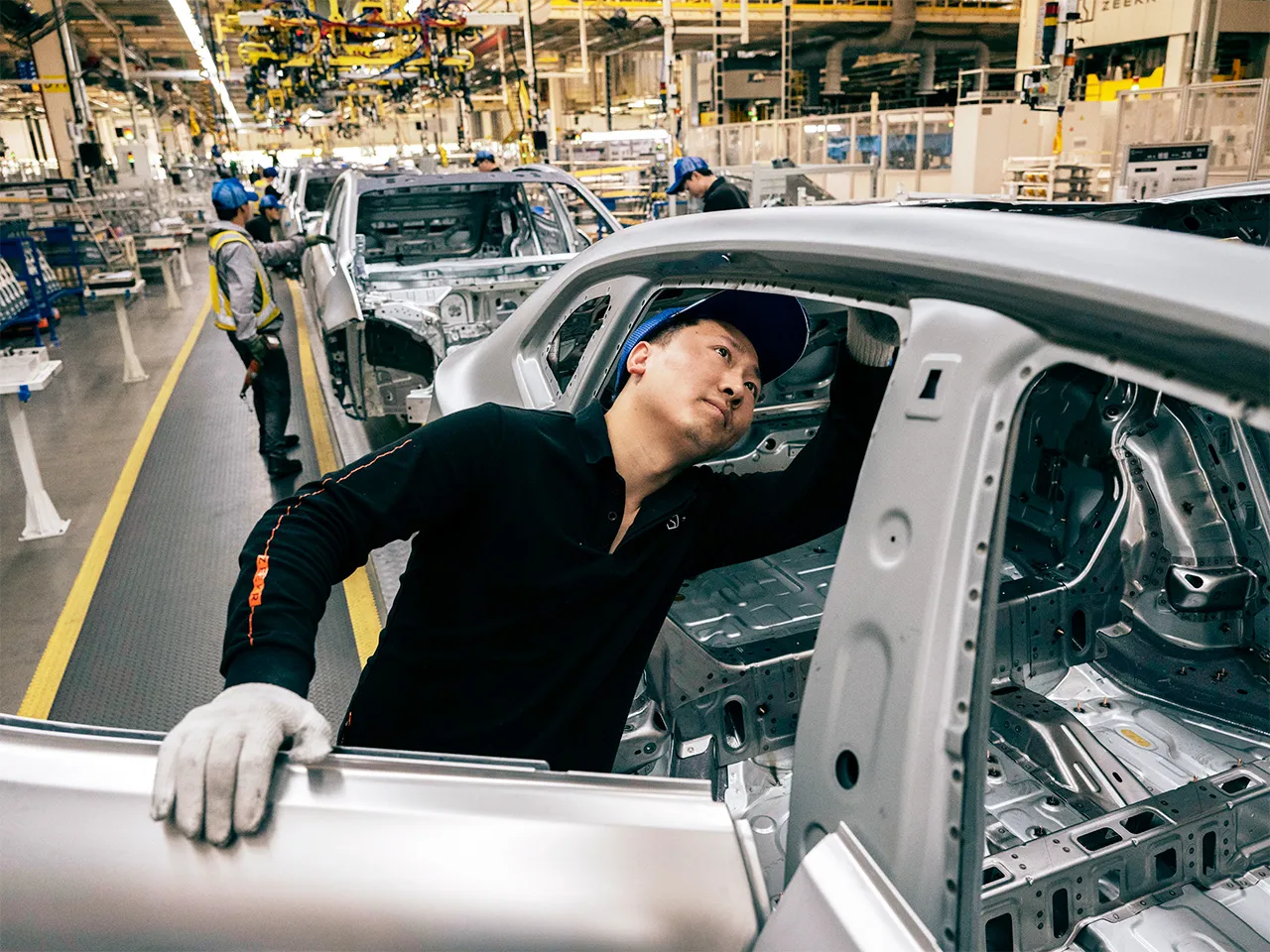
In the frame: A worker checks a vehicle on the production line for Zeekr
|
|
But Made in Europe (or China) is also a fluid concept these days. German designer Stefan Sielaff shaped the luxury cars that Chinese brand Zeekr had on its stand near Mercedes-Benz, which is itself approximately 20 per cent Chinese owned. Mercedes-Benz’s Chinese stake is so large that it could be barred from selling in the US under newly proposed legislation that would cap Chinese ownership at 15 per cent.
China’s agreement to – at least partially – level the playing field is good for Europe but it only goes so far. The continent also needs to put up a fight and prove that it can compete with Beijing on price and innovation. In France, Renault and Citroën have taken a step forward, rewiring their heritage for the 21st century. Citroën, for example, has brought back its decades-old 2CV in a playful, affordable new style. “We always want to be a bit experimental, a bit weird,” said chief designer Pierre Leclercq about the car, which comes with a ready-made picnic basket. Renault is trying something similar by bringing back its Twingo, while Dacia is laying claim to some of the most affordable electric vehicle on the market.
What’s clear is that Chinese marques are not going away, as they increasingly partner with European names and expand their manufacturing hubs into the vieux continent. The Chinese are eager to tap into long-standing European heritage and expertise, outperforming legacy brands in the process. European rivals will have to lean on more than just their own history – and government intervention – to respond.
Chris Cermak is Monocle’s senior news editor. Listen to ‘The Monocle Daily’ from our Paris studio on Tuesday. For more opinion, analysis and insight, subscribe to Monocle today.
More of our automotive coverage:
|
|
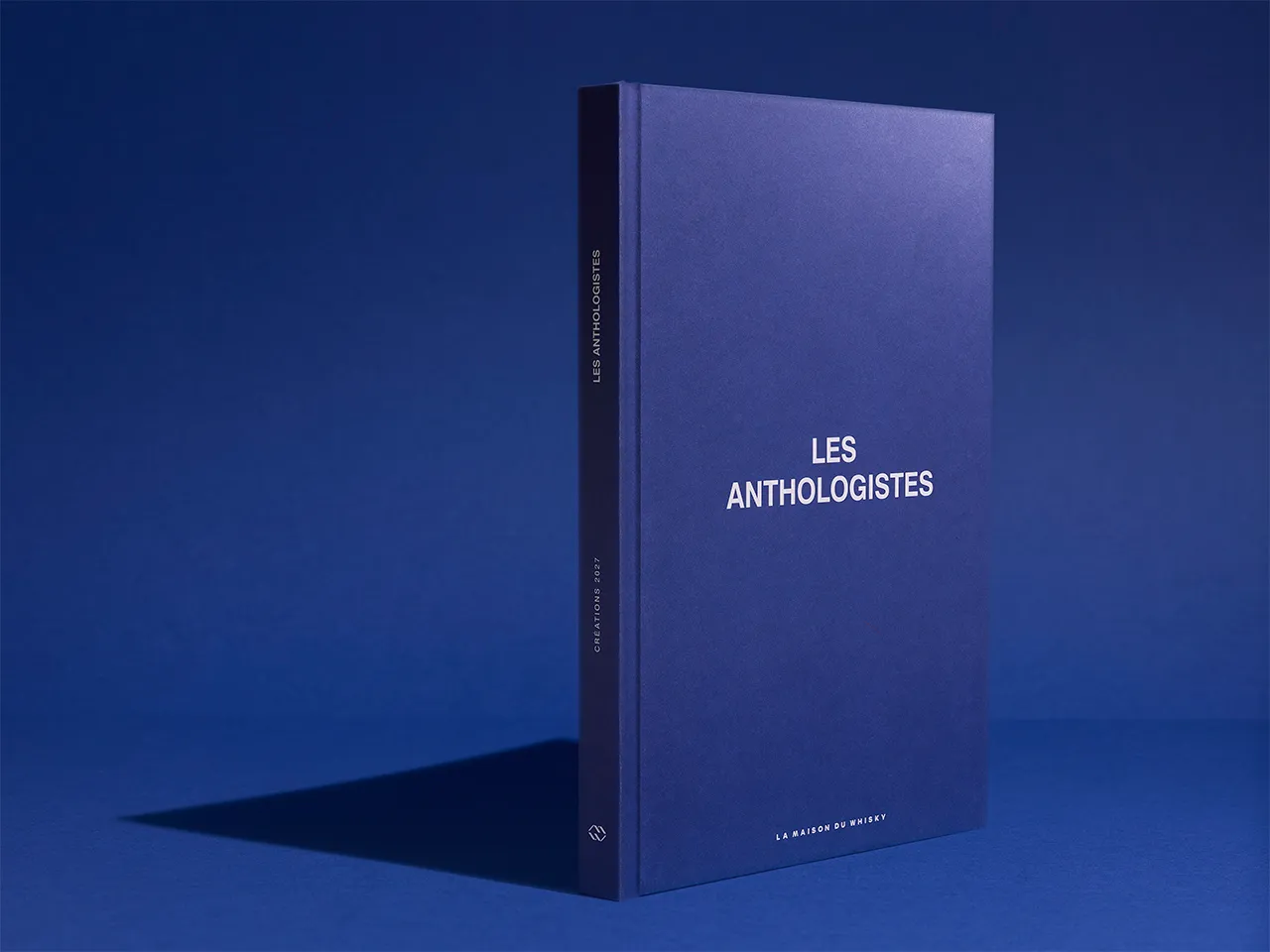
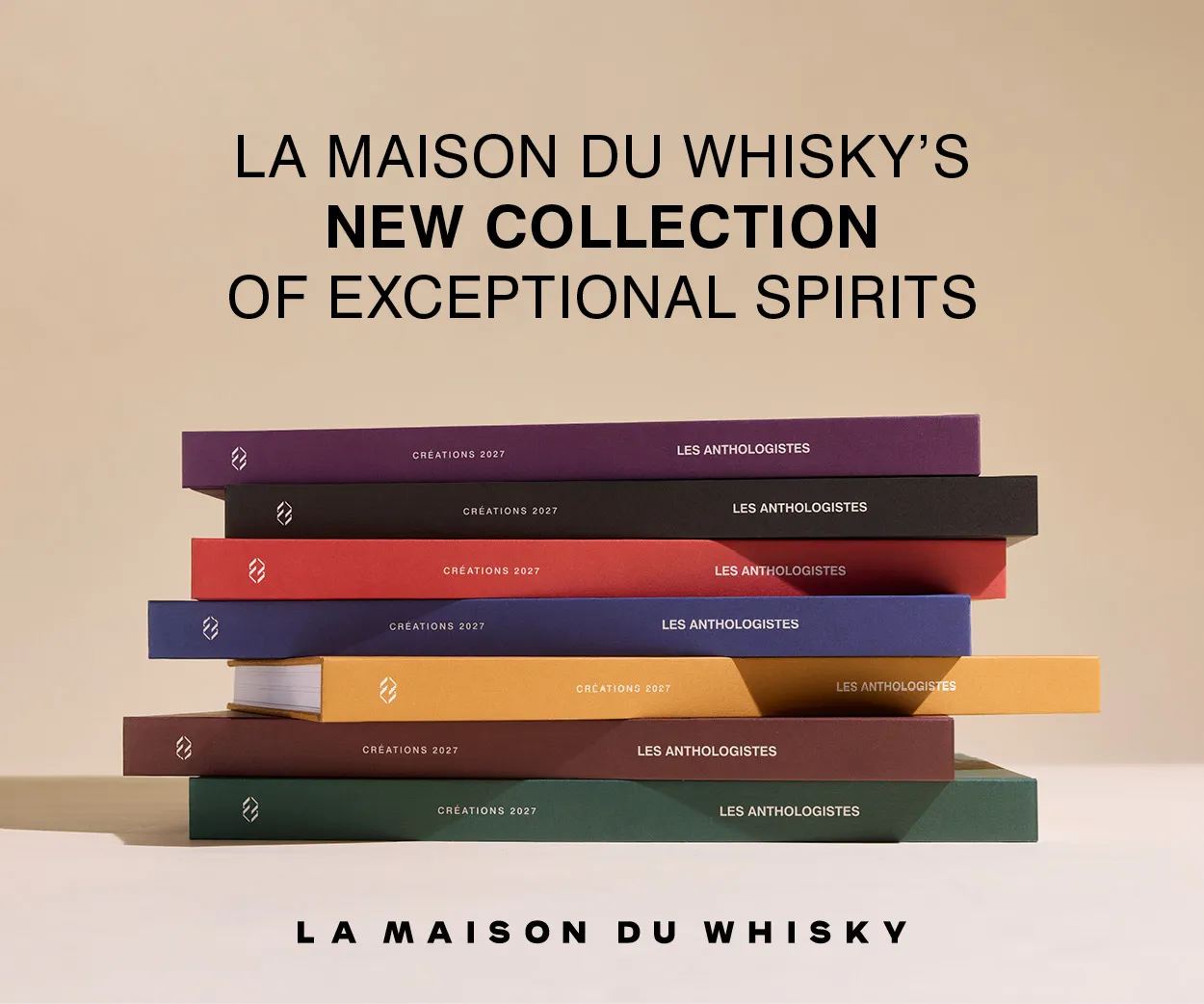
La Maison du Whisky unveils its new collection
|
fashion: japan
Beams’s new sportswear initiative is a breath of fresh air
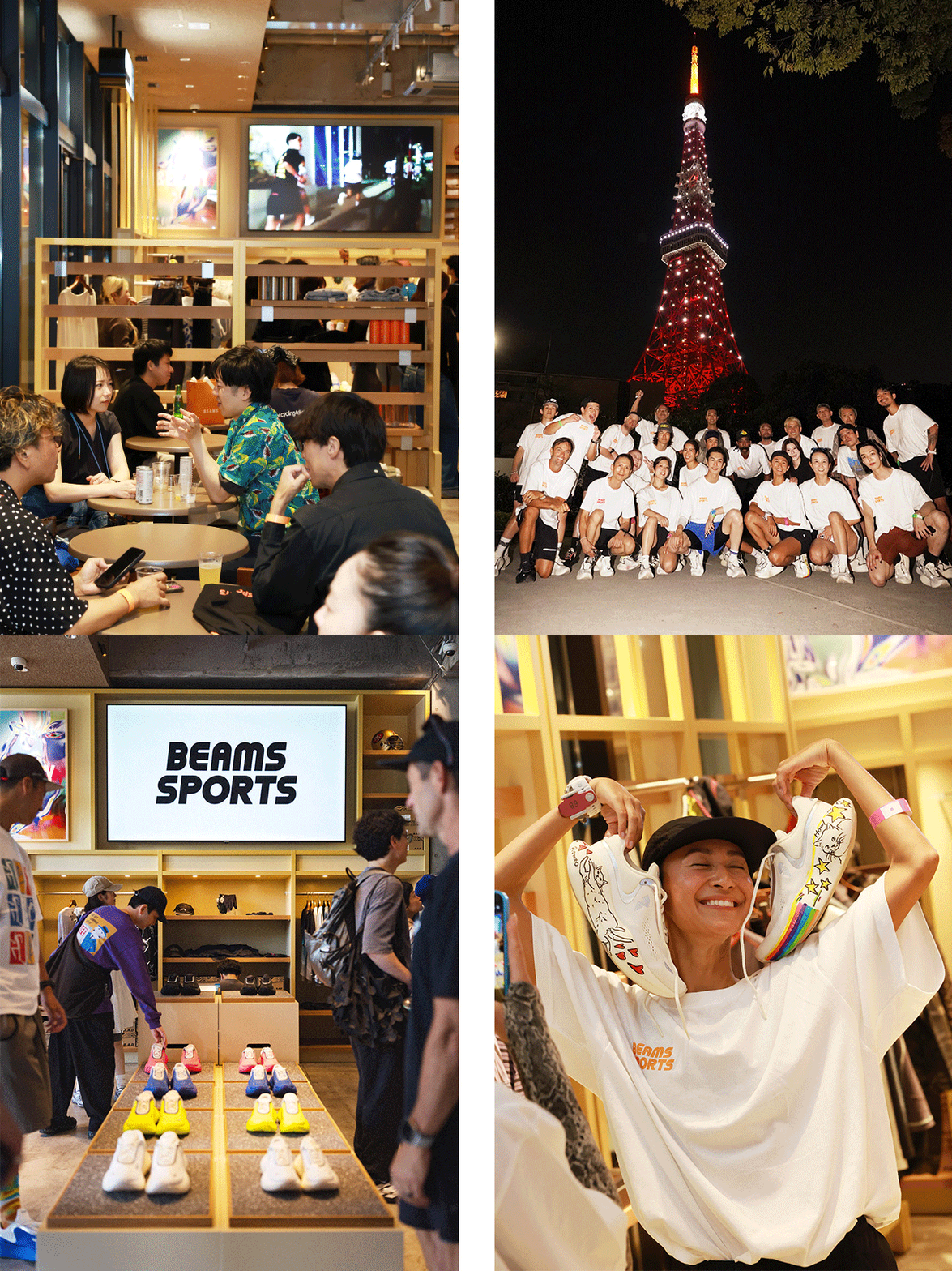
Founded in Tokyo’s Harajuku neighbourhood 50 years ago, Beams has about 170 shops in Japan and elsewhere across Asia (writes Kai Fraile). It offers a winning combination of imported lines and its own sub-brands, from Beams F’s classic tailoring to Beams Plus’s US-style clothing. Now, it’s bringing the same approach to sportswear.
This week, Beams Sports opened its inaugural shop in Meiji Park, beside the Japan National Stadium. It shares its premises with Parklet Meiji Park, a bakery and café set to be a meeting point for the city’s most stylish runners.
“This is a shop built around sports, culture and fashion,” says Beams spokesman Hideaki Makino. “We have our own line of outdoor clothing but we have also brought in brands that are making their debuts in Japan.” These include UK line Rad for footwear, Sweden’s Unna and Japan’s AKTR. Beams has created an outdoor-lifestyle spot where Tokyo’s style-conscious urbanites can kit up, cool down and hang out.
|
|
diplomatic spat: Azerbaijan & Germany
A former chief spy’s arrest sparks a clash between Berlin and Baku
Who vs who: Azerbaijan vs Germany
What it’s about: Germany’s former chief spook August Hanning was accused of dubious freelance work and has been arrested on suspicion of espionage and treason. Since then, there has been understandable speculation about his other employers. Azerbaijan took affront at reporting by Der Spiegel that Hanning might have worked for the country. It promptly complained to both Germany’s chancellor and its foreign ministry – though both would be within their rights to observe that they don’t edit the newspaper. It’s possible that Azerbaijan, given its record on press freedom, did not consider this possibility.
| |
|
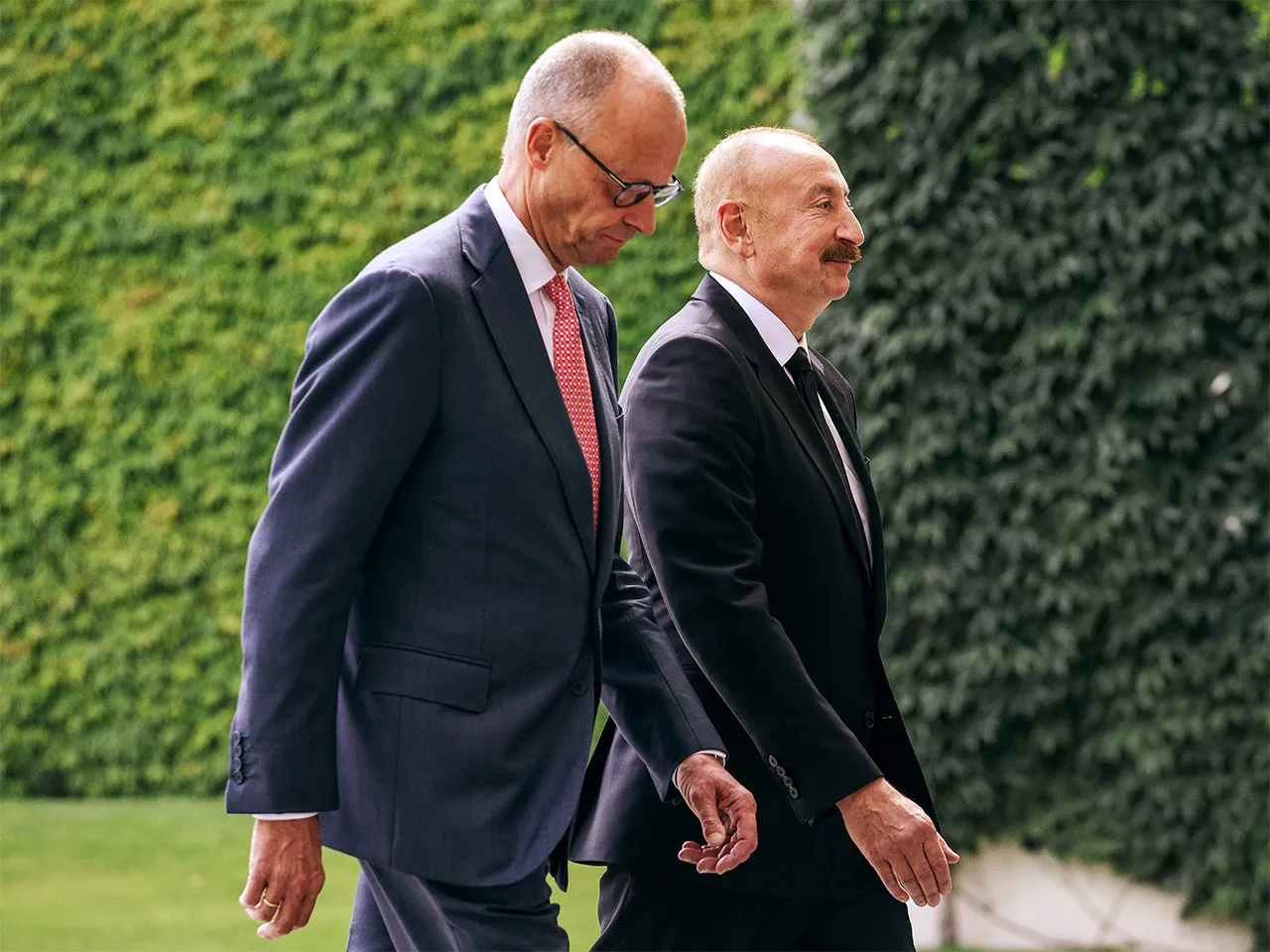
Treading carefully: Friedrich Merz (on left) hosts Ilham Aliyev
|
|
What it’s really about: Azerbaijan is trying to maintain its relationship with Germany. When president Ilham Aliyev visited Berlin in July, the two nations signed a strategic bilateral declaration committing to trade, transport and energy goals. The former Soviet republic sees Germany as key to the EU’s acceptance of the nation as a more reliable energy source than Russia. Germany is one of the five biggest importers of Azerbaijani oil and a direct gas connection was established this year.
Likely resolution: Much depends on who, if anybody, Hanning was actually spying for (he denies everything). Whoever it might have been, however, any German anger will be considerably occluded by embarrassment.
|
|
• • • • • DAILY TREAT • • • • •
Discover Canada’s Paraphrase scents
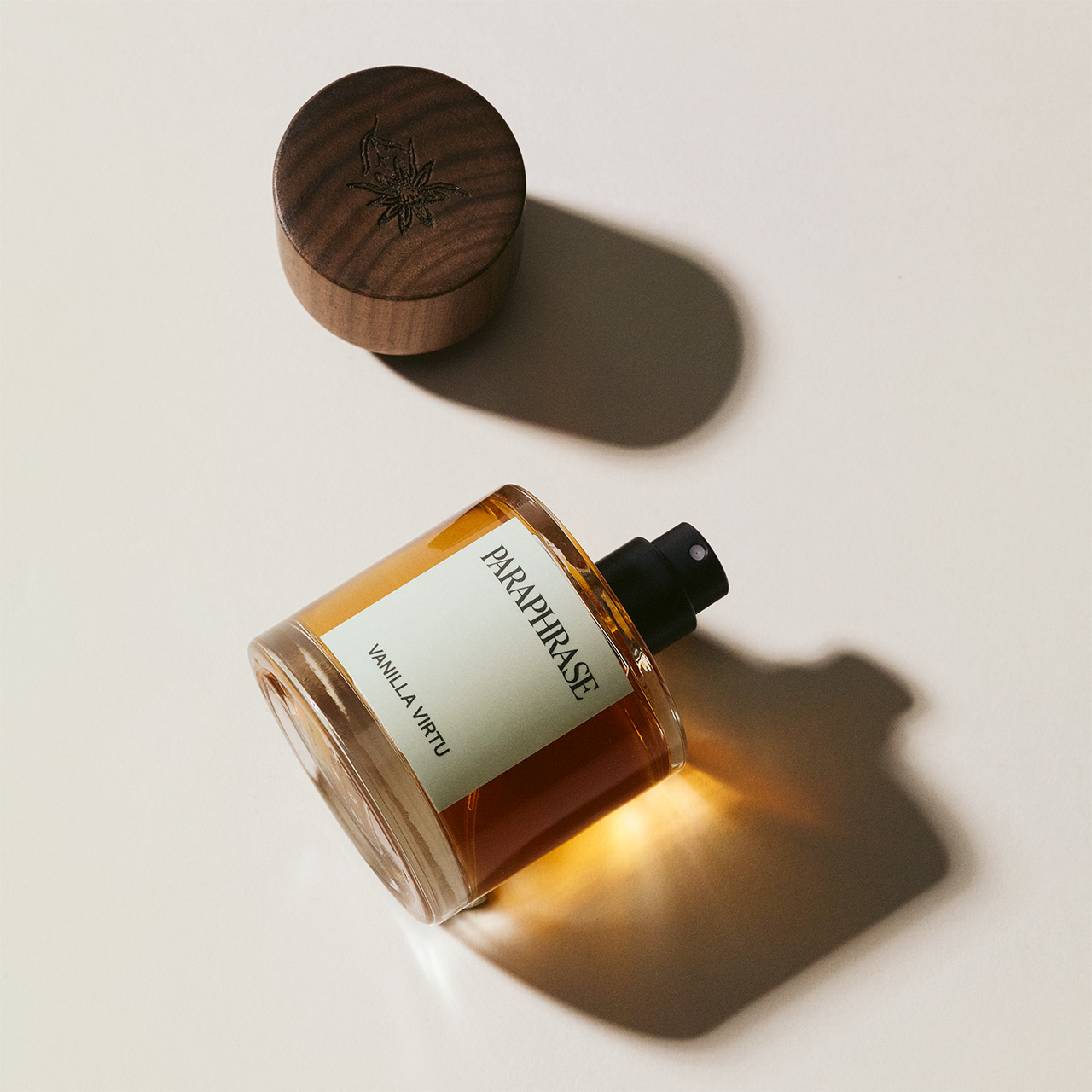
“Our customers are on the fringes of the fragrance world,” says Canadian perfumer Joshua Smith, who launched Paraphrase in 2014 and hand-mixes its scents in his studio in Edmonton, Alberta. “I’m captivated by the outdoors,” adds Smith, who once worked as a forester. “I think about the senses, how products are made and how the human body interacts with them.”
Paraphrase produces just a few hundred bottles a year, each retailing at about €140. The brand’s scents are playful takes on natural settings and have evocative names such as Eros Fig and Fruit Thieves. “I make perfumes with more of a narrative than some bigger brands,” says Smith. “It’s less about a luxury born from a commodity or material than the luxury of the time and the space that we give ourselves with these little pleasures.”
paraphraseperfume.com
|
|
the LIST: FROM monocle.com
Stories that you might have missed
Not been on monocle.com recently? Here are three updates worth your while.
|
|
| | |