Highlights from Designblok, the inspiration behind an Amsterdam-based design firm and a tableware trailblazer.
|
Wednesday 14/10/26
|

|
|
London
Paris
Zürich
Milan
Bangkok
Tokyo
Toronto
|
|
|
|

stars of the show
We begin this week’s dispatch in Prague, where Central Europe’s largest design and fashion festival has just finished spotlighting some of the continent’s brightest glassmakers. Under the ambient glow of a colourful Birdy lamp, revamped by Oslo-based brand Northern, we then catch a glimpse of Amsterdam-based UNStudio’s architectural vision and sip from a yellow demitasse by one of the few women on the 1920s US design scene. Lighting the way is Monocle’s associate publisher, Linard Baer, with a reflection on Beirut’s architectural resilience.
|
|
OPINION: Linard Baer
Rising from the ashes
Beirut certainly wasn’t built in a day but it has repeatedly come close to being undone in one. I first visited the Lebanese capital just before the October protests in 2019, which marked the beginning of a series of crises. The port blast of August 2020 delivered unprecedented devastation, leaving an open wound and a mark on the city’s collective memory. Today a war rages on its southern border. You can’t write about Lebanon without encountering politics and conflict but what is fascinating about Beirut is that it doesn’t hide its scars – they are folded into daily life and the city’s design scene. The city recently hosted the third edition of Interiors Lebanon and the 27th edition of Project Lebanon, a fair about construction.
|
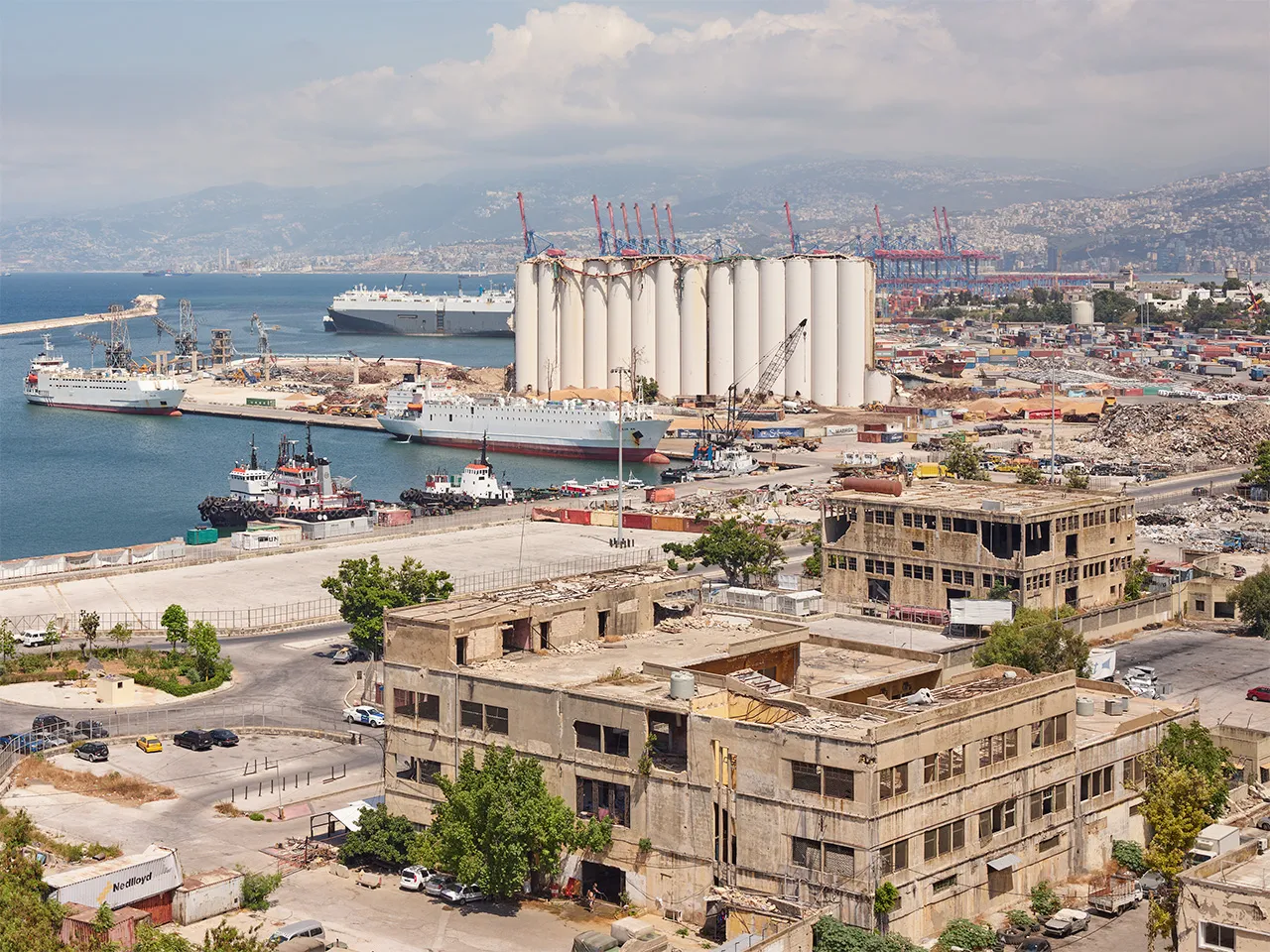
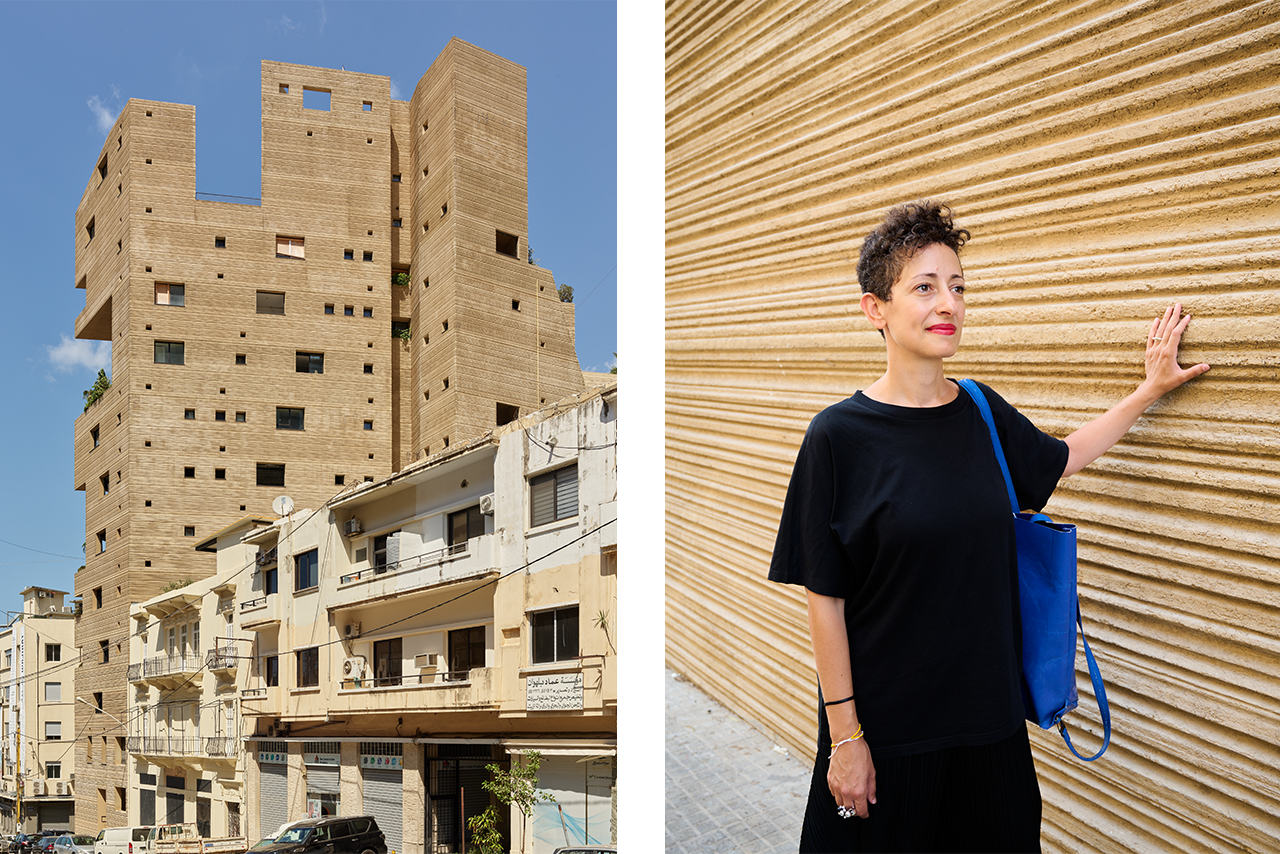
While these fairs might offer a moment to come together, the resilience of the city’s architecture and design community is also baked into its built works. Take Lina Ghotmeh’s Stone Garden, a 13-storey residential and cultural tower in Beirut. Its deep, irregular openings deliberately echo bullet-pocked façades and serve as planted balconies, inviting nature in and giving the building a sense of life rising from history. The Beit Beirut museum’s façade tells a similar story: it still bears the bullet holes and shell damage of the Civil War, preserved rather than renovated to keep memory alive. And then there are the grain silos at the port, which were gutted by the blast in 2020. Their fate is still uncertain but citizens are determined that they endure as landmarks for future generations.
|
Movement has always shaped the harbour city too, from its origins as a centre of trade to the waves of upheaval that followed the destruction. For those who were fortunate enough to escape, it was never about turning their backs on home. Instead they sought safe harbours abroad to support those who stayed behind. This has created a vast diaspora who carry an unwavering love for the cedar flag and a backpack full of hope for their country. Their return has made Beirut a vibrant melting pot of cultures, histories and ideas, leaving a lasting international imprint on its architectural landscape.
When I returned this summer with my Lebanese partner, I found a place that is far from frozen by grief, still alive with the very rhythm that first struck me. Shops, restaurants and hotels, such as the iconic Albergo, have weathered the storm and been meticulously restored. Around them, new spots have sprung up, buzzing with inventive energy and a refusal to stand still. The perseverance of the city’s recent design fairs is a reminder that in a world with too many fractured places and conflicts, scars are not endings but foundations for renewal, proof that a brighter future can emerge even from devastation. They create reasons to keep looking ahead.
Rebuilding Beirut: Read how Lebanon’s architects and designers followed the devastating port explosion by building better.
Linard Baer is Monocle’s associate publisher. For more insight and analysis, subscribe to Monocle today.
|
|
DESIGN NEWS: Designblok, Czechia
Rose-tinted glasses
The 28th edition of Designblok, the largest design and fashion festival in Central Europe, wrapped up last week in Prague. It brought together more than 300 Czech and international designers, studios and brands, who displayed their products across several floors of the National Gallery Prague’s functionalist Trade Fair Palace at the baroque Prague Castle Riding School and other venues in the city. The highlight was the newly restored Industrial Palace, which dates back to 1891 and reopened in time to host a programme of talks and fashion shows. The theme for this year’s festival was light. Glass studios paid tribute to the art of lighting, Bohemian glassmaking traditions and the passing down of a centuries-old craft to the next generation.
|
|
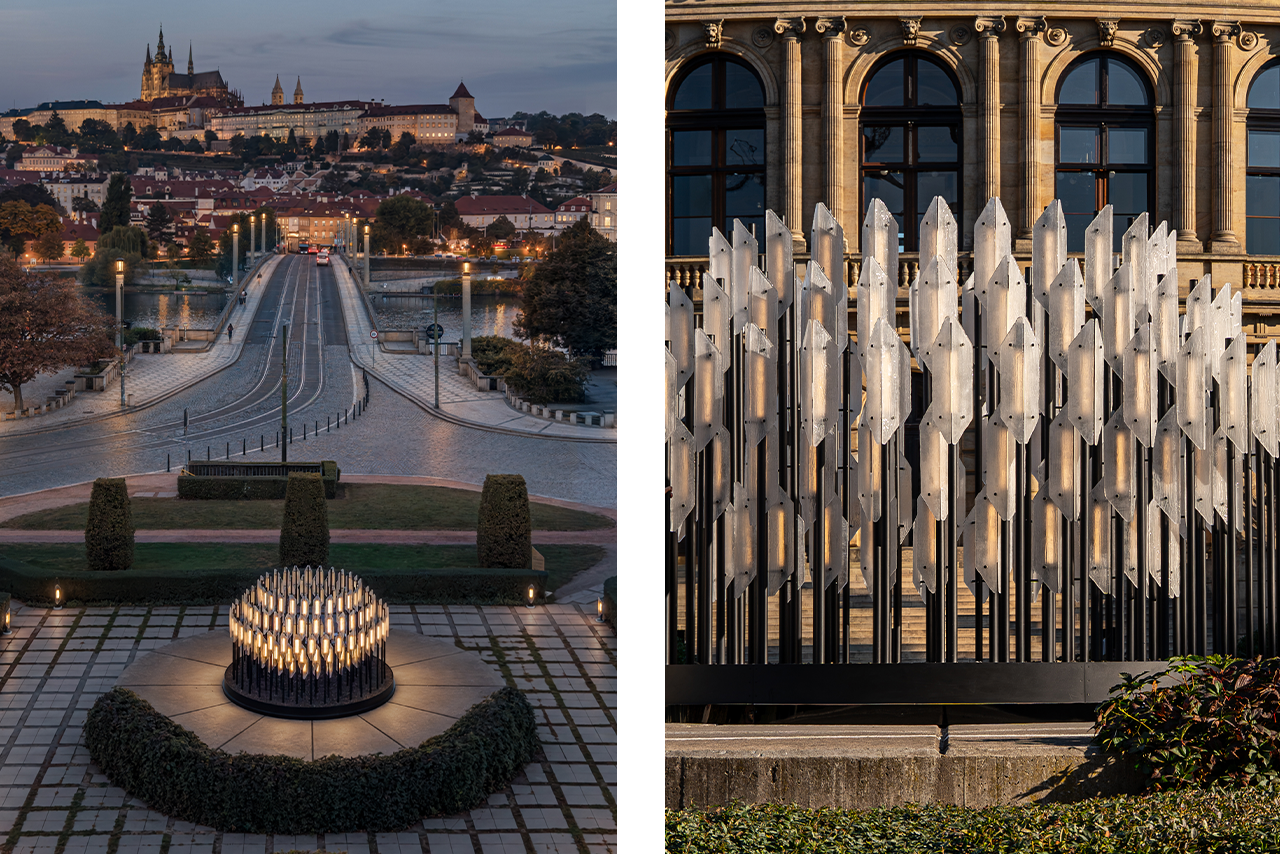
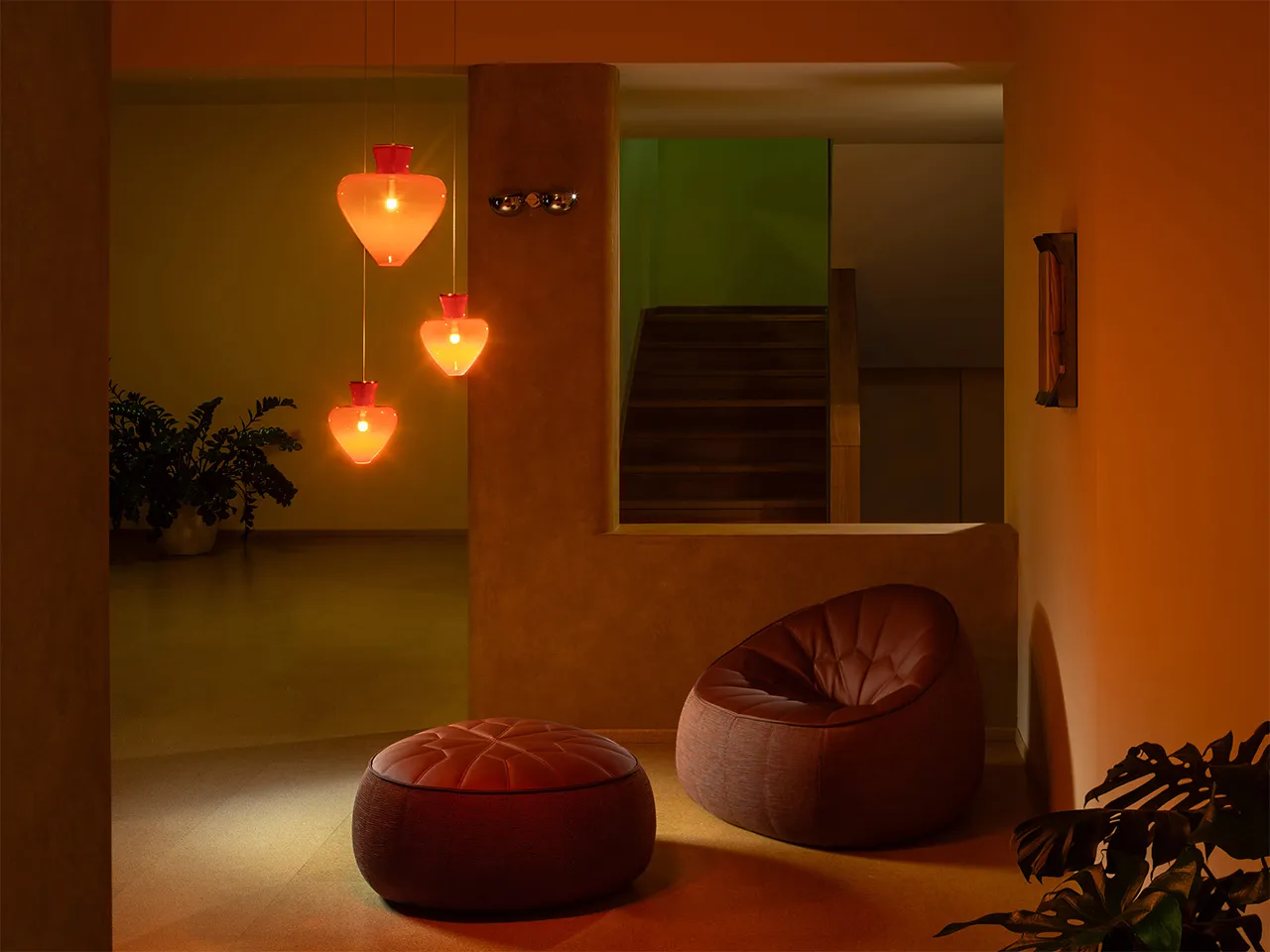
Highlights included London-based designer Lee Broom’s Beacon, executed by historical glassmaker Brokis, which lit up the Prague sky at Jan Palach Square; the boundary-pushing Splash lighting installation by Lasvit; and Bomma, which showed its latest Ollo pendant and wall-mounted luminaire at its apartment-cum-atelier. In the historic Vila Volman, a former residence-turned-cultural-institution, artist and designer František Jungvirt’s new installation featured his signature vase forms as hand-blown light objects. “I believe that a designer’s greatest achievement is to create a product so beautiful that you simply can’t give or throw it away,” says festival director Jana Zielinski of the work on show. “I call this the antiquities of the future.”
designblok.cz
To read more about how contemporary designers are breathing new life into Czechia’s design heritage, click here.
|
|
WORDS WITH... Ben van Berkel, the Netherlands
Natural evolution
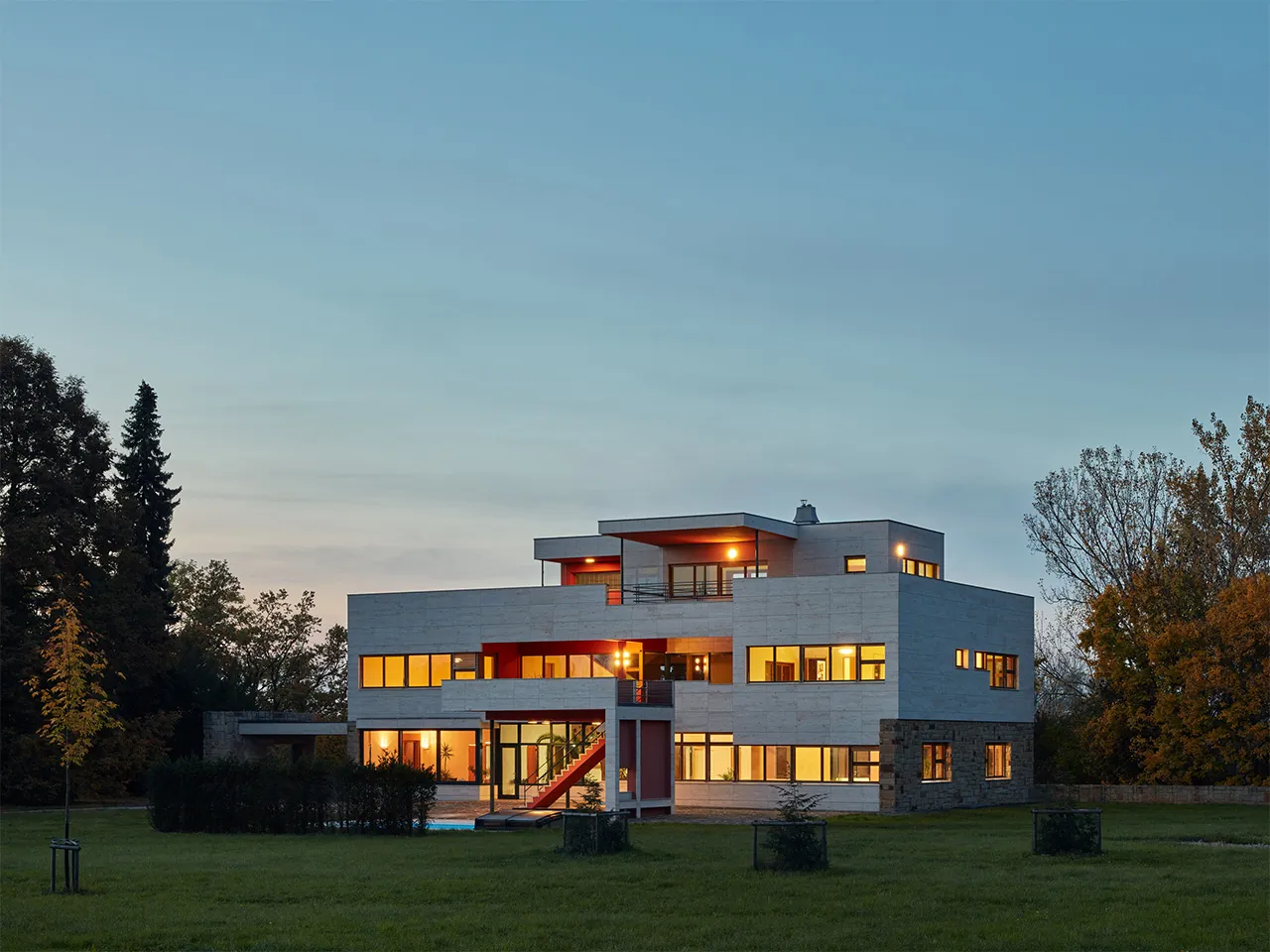
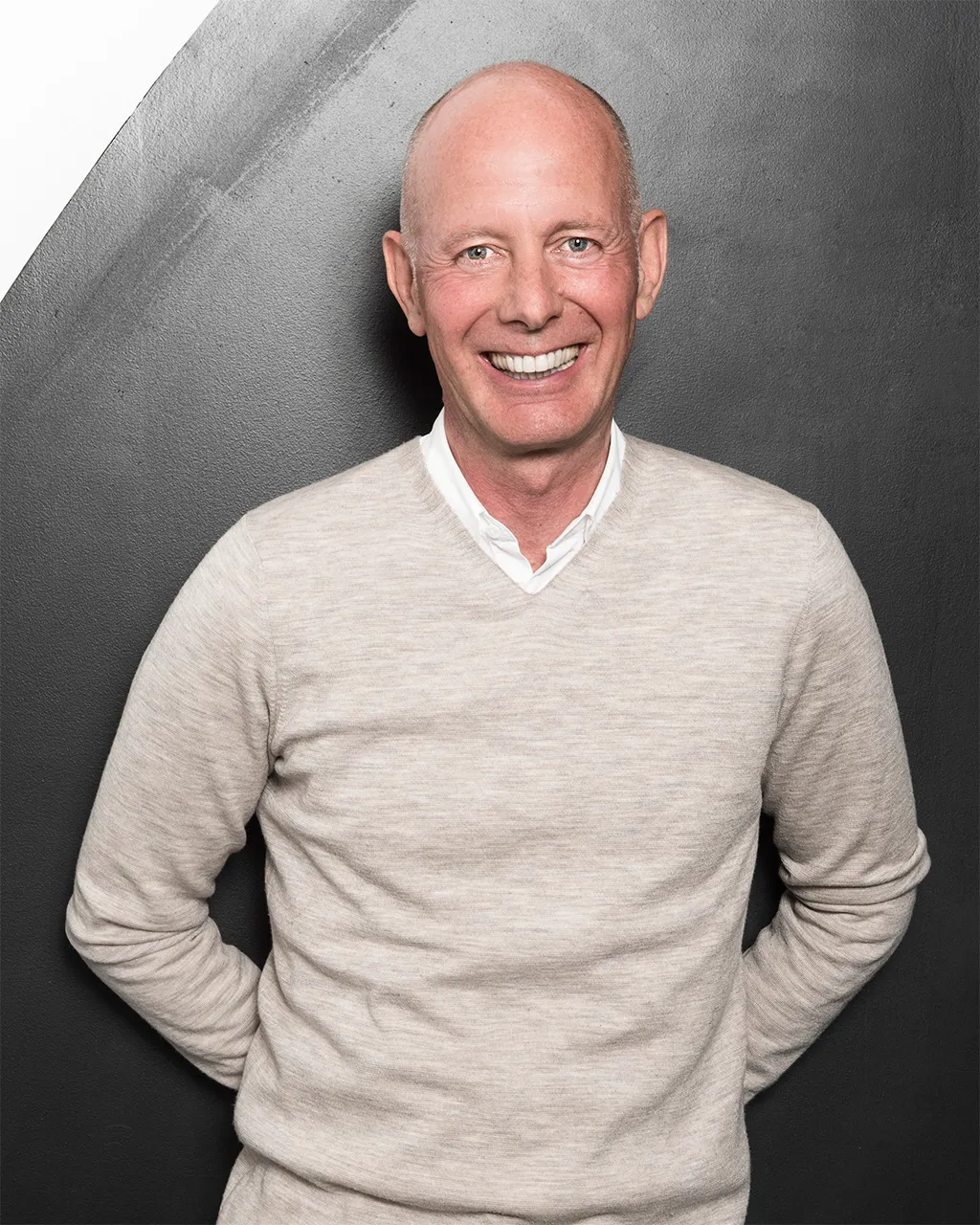
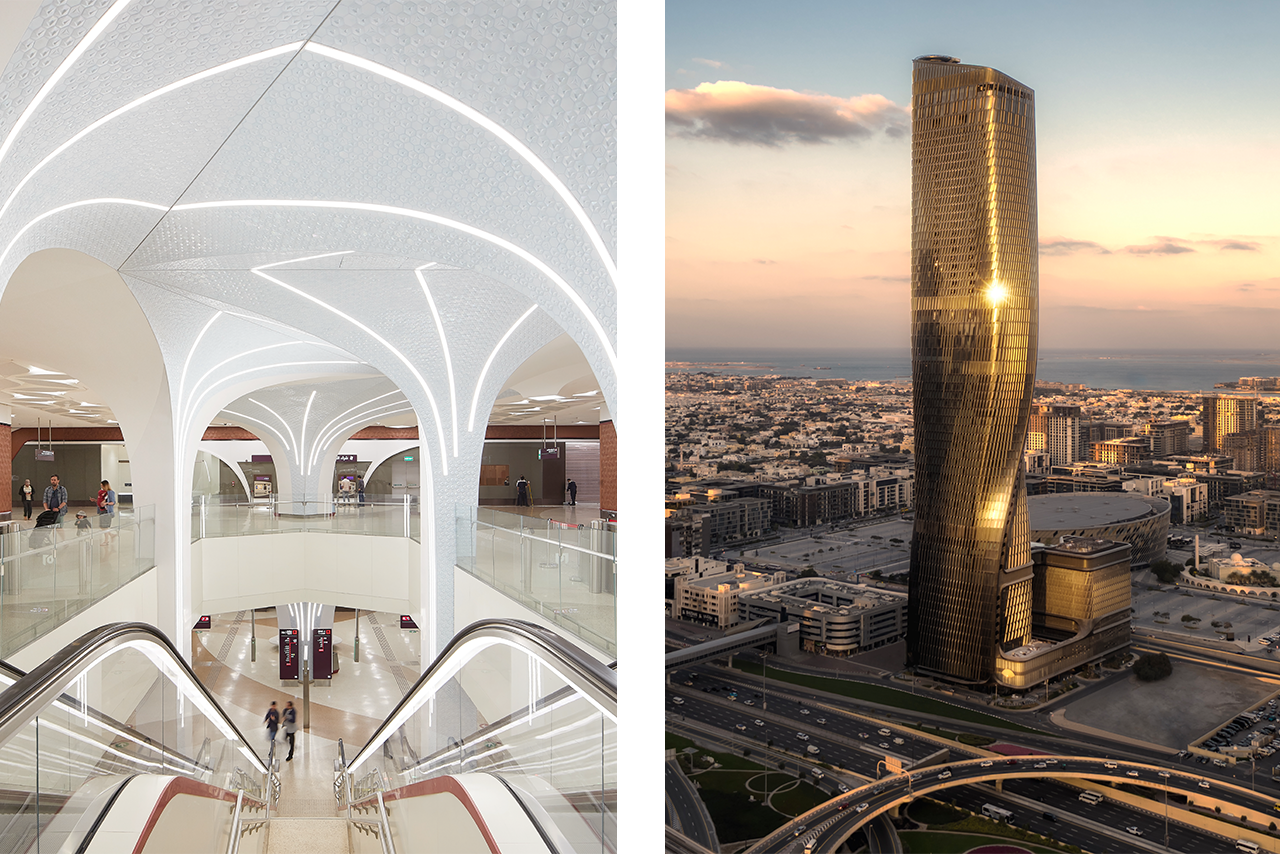
Amsterdam-based international design firm UNStudio is renowned for sculptural, human-centred work, with key civic and commercial projects including the Doha Metro and Arnhem Centraal station. Its co-founder and principal architect, Ben van Berkel, has been at the helm since the late 1990s, informing the company’s research-driven approach to projects that have reshaped cities across the globe.
|
Design movement that has influenced you the most?
I’ve never really been influenced by one in particular. For me, design is most interesting when it remains open and responsive rather than fixed to one style or ideology. I’m much more interested in what a design needs to do, how it relates to people, context and culture.
The sky’s the limit: which piece of furniture would you love to own?
The Arabesco table by Carlo Mollino.
A favourite project that you’ve worked on?
I can’t hold one above the rest as I often work in a serial manner. For me, it’s more about ideas moving from one project to another, developing and changing in the process. I don’t look back. I prefer to see how concepts can evolve.
A recurring source of inspiration?
Automotive design. But I find inspiration in a wide variety of fields, from science, technology and literature to photography, art and advertising.
|
A dream commission?
We previously designed Kutaisi International Airport in Georgia but have always wanted to build a large-scale hub. Airports are highly networked systems – like small cities – that move people, planes and goods. A commission such as that brings every challenge possible with it. You have to integrate commerce, culture, infrastructure, user experience and more. And you have to work with extreme efficiency; there’s no room for waste. We enjoy projects with these kinds of complex ambitions.
A priority for you and the industry going forward?
Sustainability and artificial intelligence. AI – not because of its image-making capabilities, which we should be cautious of – but because, if used well, it provides opportunities for us to try things out, to experiment with “what ifs?” that would have taken up too much time in the past. When we develop the right tools for AI-enabled architecture, we can substantially reduce carbon emissions and materials, which then reduces operational or construction costs. At UNStudio, this work is done by our research and innovation department, which brings together digital, design and research expertise to develop new tools.
Which city has the best design scene?
Austin is a really exciting city. It is widely known as a hub for media arts but the design culture there is also highly collaborative, nature-focused, experimental and somewhat eclectic. But I particularly appreciate that it is so accessible and community-minded.
For more from designers such as Ben van Berkel, tune in to ‘Monocle on Design’ on Monocle Radio.
|
|
from the archive: Richelain Cup and Saucer by Belle Kogan, USA & France
Just our cup of tea
When the field of industrial design emerged in the 1920s, it was decidedly male-dominated. In the US, most exhibitions and trade associations were the domain of men but they were also home to one of the first women to run her own studio: Belle Kogan. The Russia-born designer, who had studied at the Pratt Institute and travelled around Germany and France, opened her own studio on Madison Avenue in New York in 1931. In some ways, Kogan’s gender gave her a competitive edge because she could claim to know what American housewives – who still decided most domestic purchases – wanted. Often, as in the case of this late-1930s cup and saucer, Kogan’s answer was to serve up something both functional and fun.

|
This bright-yellow demitasse was designed for now-defunct French firm Richelain from phenolic resin, an early plastic better known as Bakelite. Though Kogan started out designing art deco-style silver tableware, her work quickly became more minimalist and experimental, particularly through the use of novel materials. This cup feels almost indestructible, even in the hands of a toddler, and helps to make any home look joyful and modern. Some 90 years later, it would still look fresh in the catalogue of a company such as Ikea or Hay.
|
|
around the house: Birdy Collection, Norway
Lightbulb moment
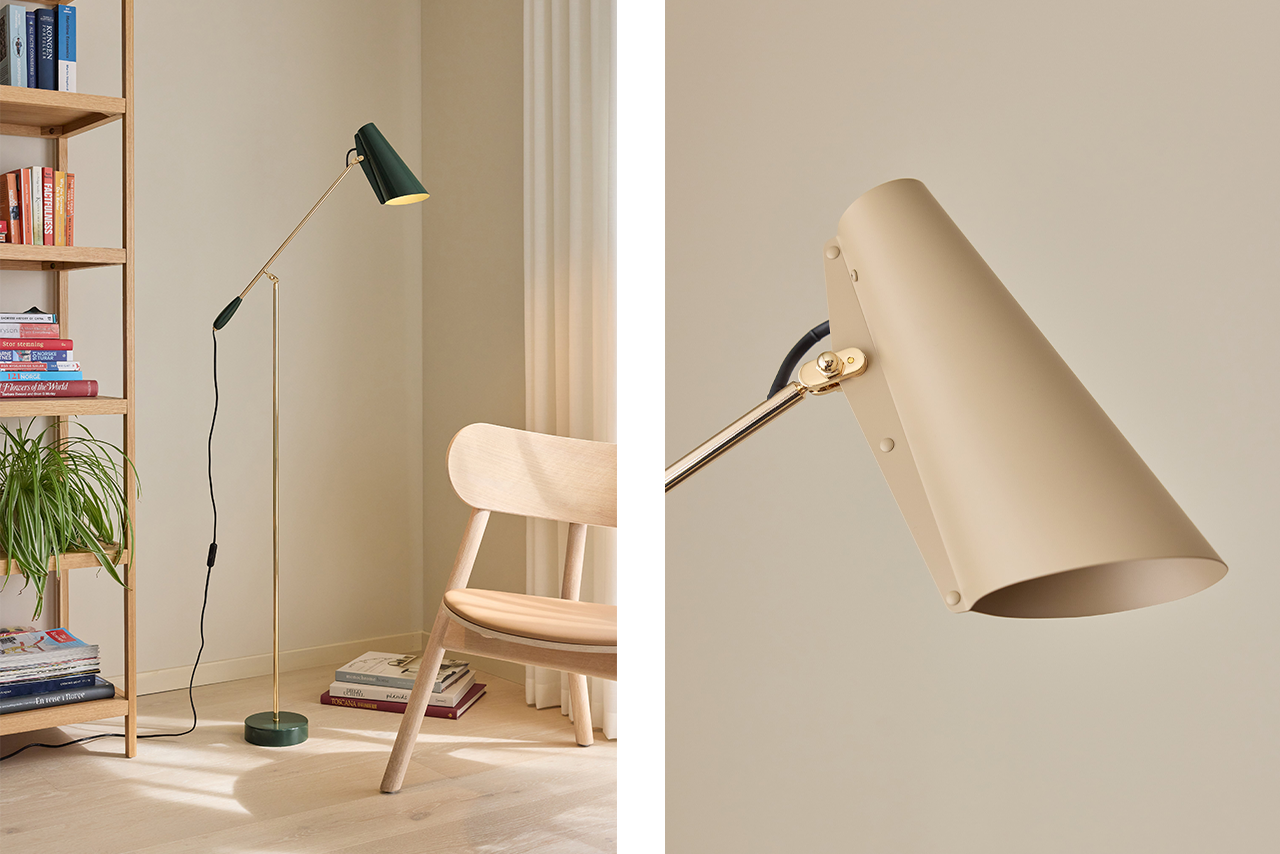
Oslo-based brand Northern was founded in 2005 to bring Nordic-inspired design into people’s homes. In 2013 it relaunched the Birdy lamp, which was created by Norwegian designer Birger Dahl in 1952. At the 1954 Milan Triennale, the cone-shaped aluminium shade won a Gold Medal.
This year, Northern has introduced the floor lamp in two new colourways: grey-beige and dark green, expanding the collection to seven hues. Its design is slim, sculptural and minimalist, allowing it to serve as a practical reading lamp or a sleek source of ambient light.
northern.no
|
|
| | |