This week’s edition examines the tenuous state of global health security.
Questions continue to swirl regarding the unexplained death of a lab worker at an anti-plague institute in Russia. Judy Twigg, a professor of political science at Virginia Commonwealth University who studies Russia, explores what is known about the incident, what is unknown, and why. Twigg discusses how staff reductions at the World Health Organization—a consequence of the United States’ exit and funding withdrawal—have made the situation even murkier.
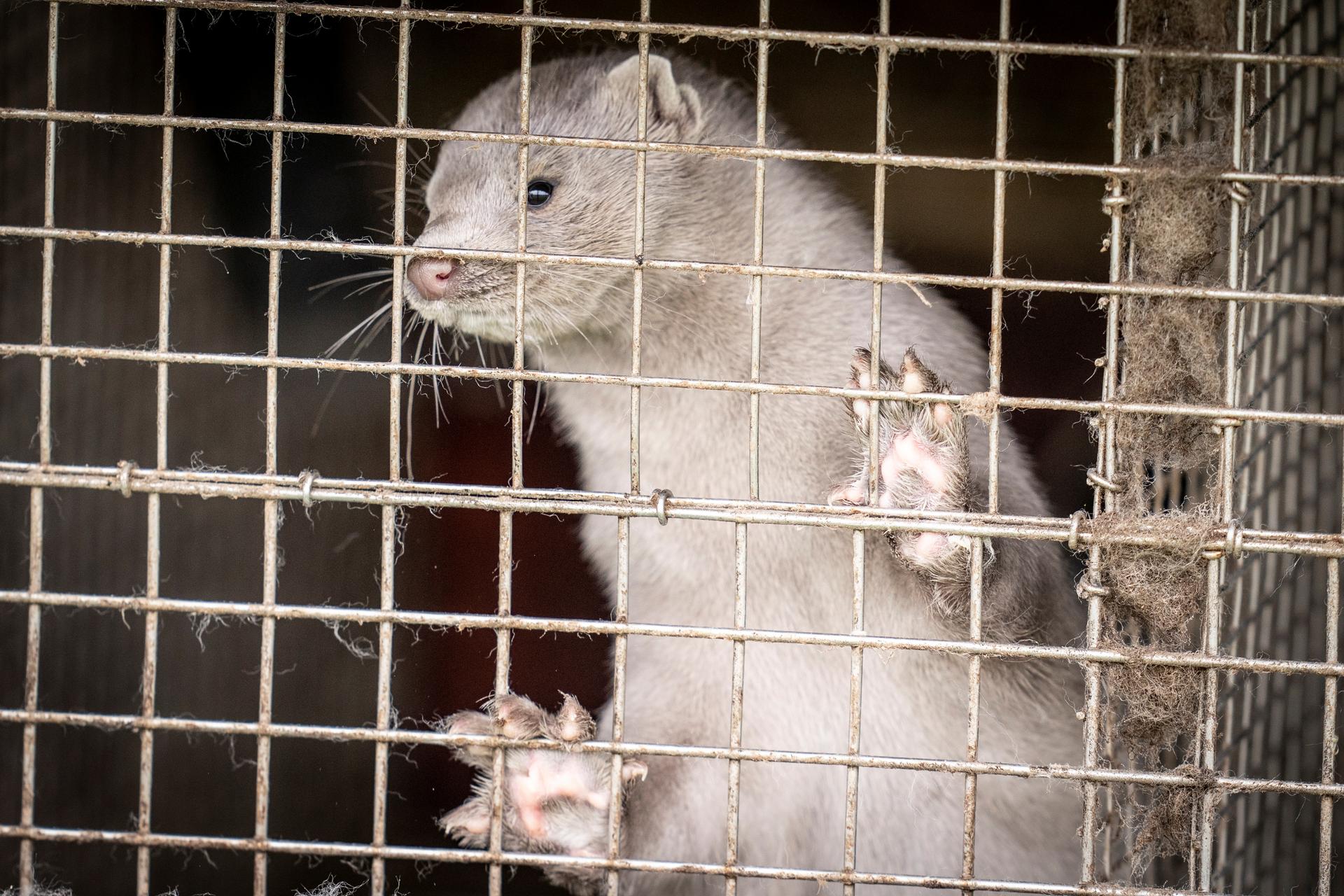
In the United States, Neil Vora, executive director of Preventing Pandemics at the Source Coalition, argues that the recent detection of H5N1—a highly pathogenic version of bird flu—on a mink farm in Utah calls for stricter disease control measures, including banning fur farming to prevent hazardous outbreaks that could spread to humans. At minimum, writes Vora, Congress should not subsidize fur farming, which it is poised to do if the 2026 Farm Bill passes as written.
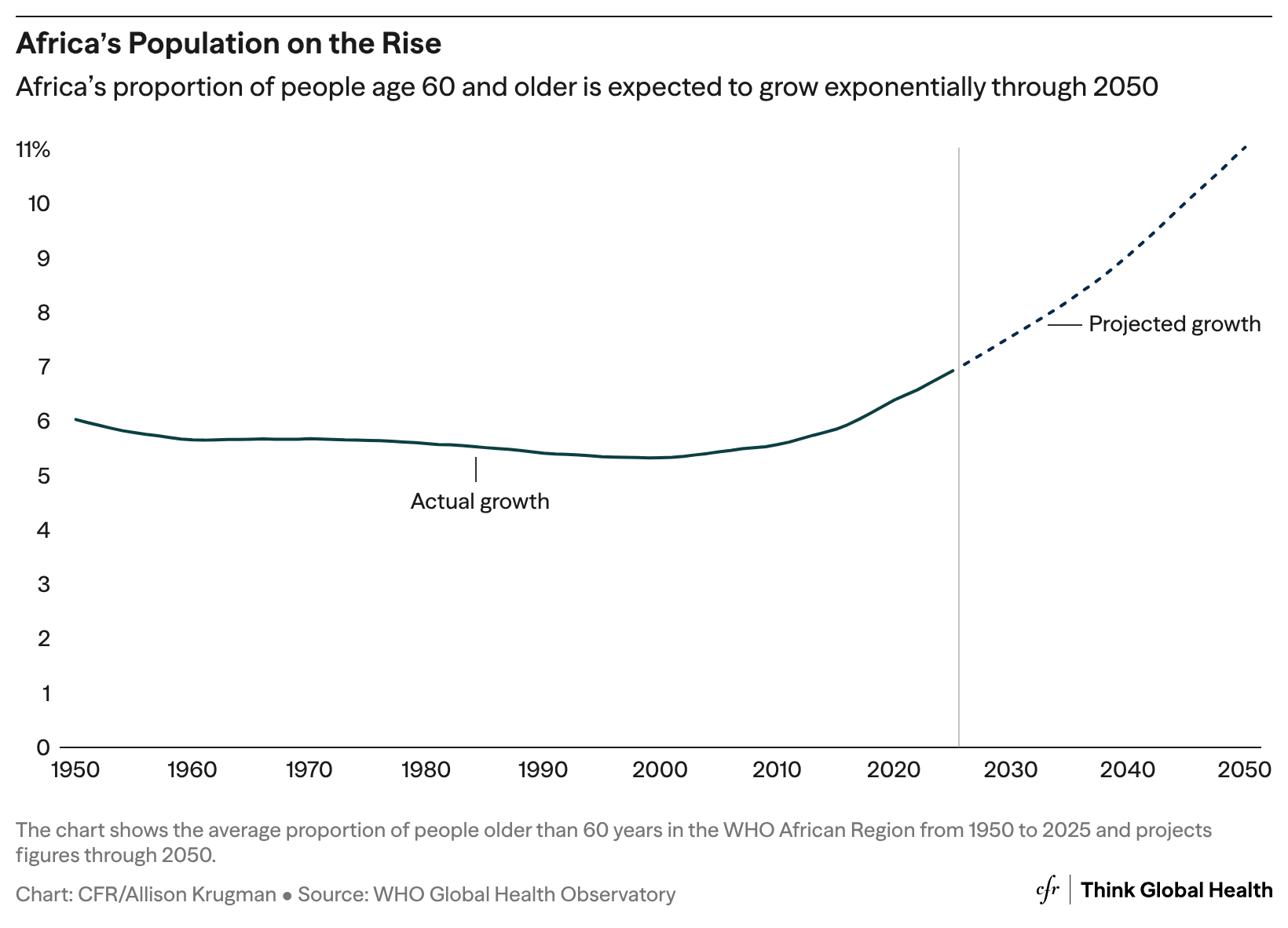
Separately, in Kenya, where the number of people over 60 years old is projected to quadruple by 2050, Joshua Ehrlich and Anthony Ngugi, co-principal investigators of the Longitudinal Study of Health and Ageing in Kenya, show that researchers should adapt common tools to measure cognitive function among older adults to local cultural norms to ensure accuracy.
Until next week!—Allison Krugman, Deputy Managing Editor, Katherine Leach-Kemon, Senior Contributing Editor, and Alejandra Martinez, Research Associate