A fresh take on culture, fashion, cities and the way we live – from the desks of Monocle’s editors and bureaux chiefs.
|
Saturday 17/10/26
|

|
|
London
Paris
Zürich
Milan
Bangkok
Tokyo
Toronto
|
|
|
|

New beginnings
This week’s dispatch turns our gaze towards
three exhibitions to see around London Frieze, before taking us to Milan, where
restaurant reservations are still made the old-fashioned way: by telephone.
Samsøe Samsøe and End’s new collaboration then illuminates the space between Danish and British design, prompting us to rethink our wardrobe alongside the evolving vision of the Copenhagen-based brand. First up is our editor in chief, Andrew Tuck, breaking up the party with a stand-up story about a risqué medieval tapestry.
|
|
The Bayeux Tapestry reveals an abundance of naked truths – about humans’ unchanging nature
By Andrew Tuck
|

|
I was invited to a party this week to mark 40 years of
The Independent, the newspaper-turned-content powerhouse where I worked for close to a decade before joining Project Monocle. The event was held at the British Museum. During the soirée, guests were able to nip off to see the Bayeux Tapestry, the near-1,000-year-old, 70-metre-long embroidery that’s in the country on loan from France – and for which securing viewing tickets is almost impossible. So yes please.
The tapestry is displayed flat in a long glass cabinet. There’s a digital screen that also runs its entire length and picks out key moments from this stitched narrative that depicts the story of the Norman invasion of England in 1066. The room is dark. Beautifully lit.
Trouble is, if one person is determined to take in every damn detail, you can get stuck staring at the same panel for a long time. And believe me, there were some very swotty people ahead of me. My former colleague Ruth suggested that we should do a speed read by jumping in wherever we saw a gap. “You know what’s going to happen. Do you really need to see it all?” she asked. Ever the editor, she’s always able to see how to make something more concise. I forbade this move and made her join me in the queue; there would be no fast-forwarding.
|
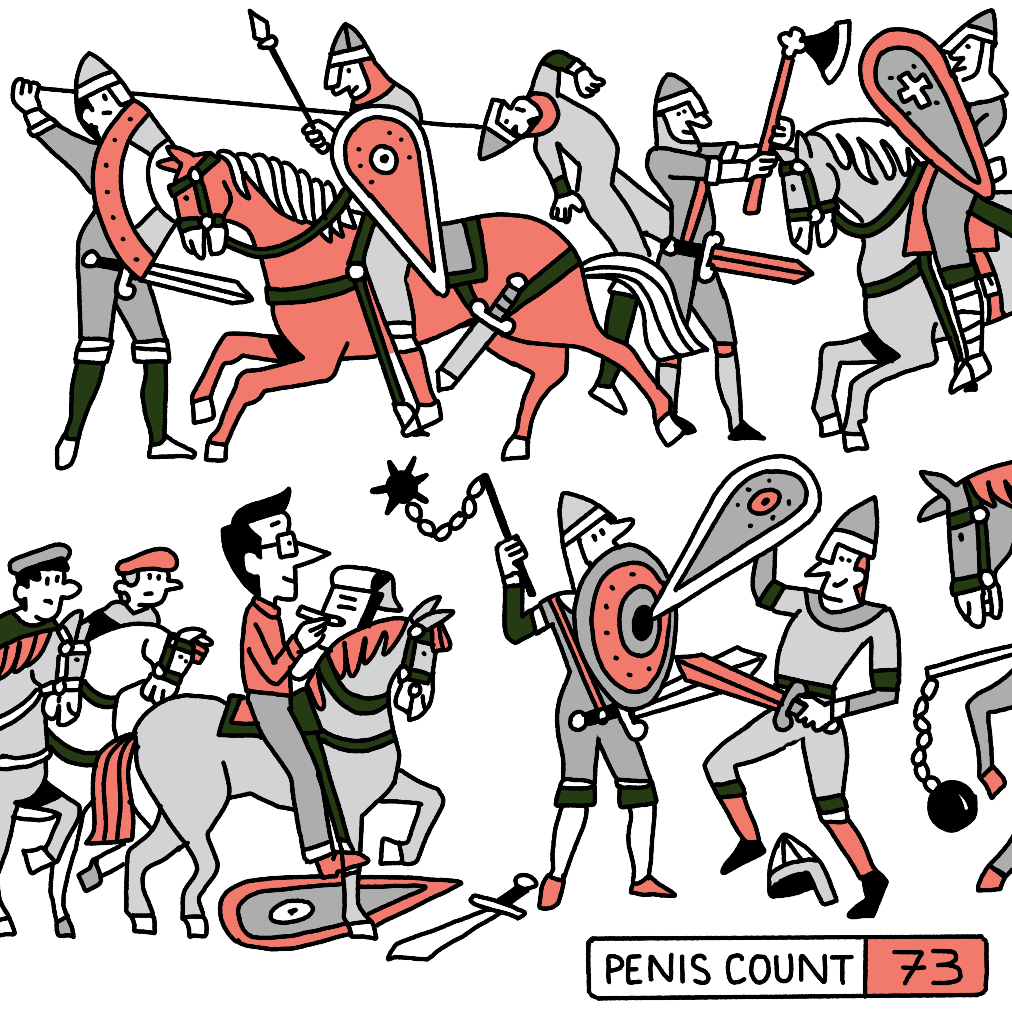
One thing that soon stood out, as it were, was the large number of penises depicted. There were some proper whackers on horses but also several gentlemen displaying their knackers like medieval flashers. I imagined an 11th-century embroiderer returning home after a long day crafting the tapestry. “Good day at work, dear?” her husband might enquire. “You won’t believe it; they’ve got me back on horses’ willies. Today, I had to do a real big one and now my wrist hurts. But they’ve promised me arrows next month. I might even get to stick one in someone’s eye… Any gruel left for dinner?”
We’ll go back to the penises in a moment. But just to say that the tapestry is, as you would expect, amazing. It’s like a medieval version of a Netflix series – Stitchflix – in which you get to see the backstory of the invasion, have nice asides about daily life, witness battles, enjoy sufficient killing to keep you engaged.
And, of course, there are several scenes that have gone on to become famous. Yes, when Harold gets an arrow in his eye but also when Halley’s Comet shoots across the sky, though that comet looked more like a shuttlecock to me. But I won’t raise that as an academic challenge.
Back amid the hum of the party, champagne glass in hand, I introduced myself to Grayson Perry, whose famous narrative ceramics and tapestries share a creative lineage with the Bayeux masterpiece. I asked him about its bawdiness, that high penis count. He had wiser thoughts than me and we ended up discussing how it’s all a part of what makes people British and should be embraced. Geoffrey Chaucer, salacious 17th-century cartoons, bedroom-farce plays – there is a long thread that runs through British culture.
Back home, I searched online for “how many penises in the Bayeux Tapestry” (I have an eclectic search history) and discovered that there’s a bit of an academic to-do on the topic. Medieval scholar Christopher Monk set the bar at 94, with 88 equine examples and five gentlemen’s appendages. But now another academic has claimed that what had previously been considered a scabbard is actually one more to add to the willy tally. Monk is not to be budged. He told one media outlet, “If you are not careful, you might fall into the trap of seeing penises everywhere”. Sort of like stumbling into an academic Finnish sauna.
But beyond the headcount debacle, perhaps that’s why people – especially British people – have responded so enthusiastically to the tapestry. In its panels, we see echoes of ourselves: not just a history lesson but a reminder that some things about us haven’t changed much at all.
|
|
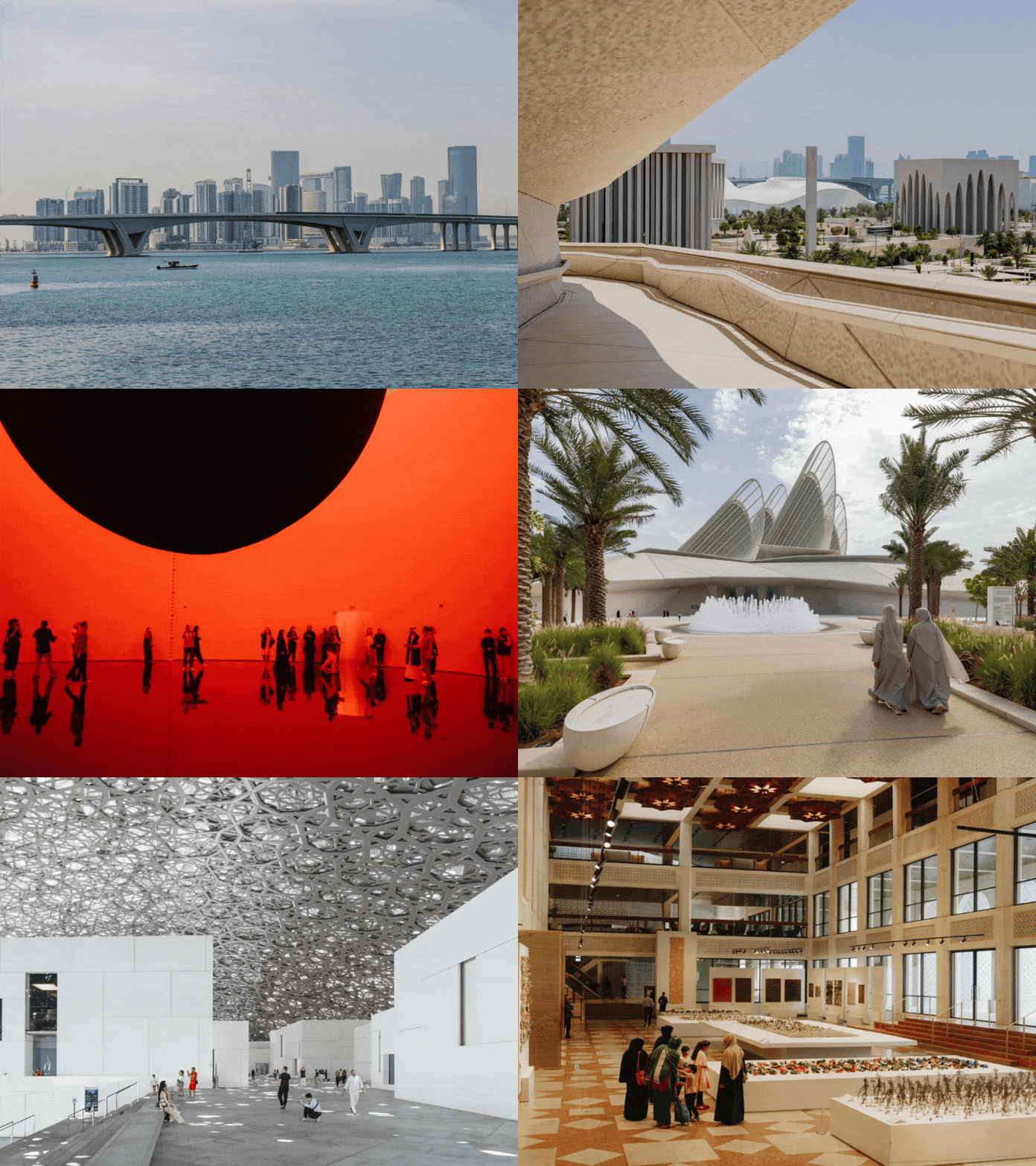
Abu Dhabi: A Continuity of Vision
|
house news:
Monocle x Stone Island
Monocle celebrates its collaboration with Stone Island in Tokyo

Monocle’s partnership with Stone Island landed at Soho House Tokyo in Aoyama this week. Top customers, key clients and friends of both brands mingled over canapés and champagne, before indulging in a dinner prepared by chef Richard McLellan in the 14th-floor club bar.
Hosted by Monocle editor Josh Fehnert, Asia bureaux chief Fiona Wilson and the Tokyo team – our thanks to contributing editor Ben Davis for his toast and sure-footed translation skills – the event marks the latest and most intimate chapter yet in our creative collaboration with Stone Island’s Ghost collection.
stoneisland.com
|
|
culture cuts:
London exhibitions
Cast your eyes beyond Frieze: Three exhibitions to see in London
In London for Frieze? Whether you’re out and about in the city this week or planning a visit in the coming months, here are three exhibitions to seek out:
‘This Is Still Not a Pipe: The Afterlife of Magritte’, Gagosian, Grosvenor Hill
For this new exhibition on Belgian surrealist painter René Magritte, the usually bright rooms of Gagosian at the Grosvenor Hill gallery have been transformed into low-lit spaces with walls that ripple in rich shades of navy, crimson and pink. Against this backdrop, Magritte’s dreamlike and absurd artworks sit alongside pieces by contemporary artists, such as Ed Ruscha, Allison Katz and Sarah Lucas. Magritte motifs – bricks, a bright sky and, yes, pipes – appear in other artists’ sketches, sculptures and bottled up. The painter’s influence, it seems, is everywhere.
Until 12 December 2026;
gagosian.com
|
‘Ana Mendieta’, Tate Modern
Cuban-born American artist Ana Mendieta has too often been defined by her untimely death, aged 36 in 1985. This show at the Tate, then, feels like an overdue celebration of an artist of singular talent and drive. Remastered films, a giant forest installation and witty photographs tell a story of her practice – utterly unique and full of life.
Until 17 January 2027;
tate.org.uk
‘William Eggleston: All That Goes Unnoticed’, The Photographers’ Gallery
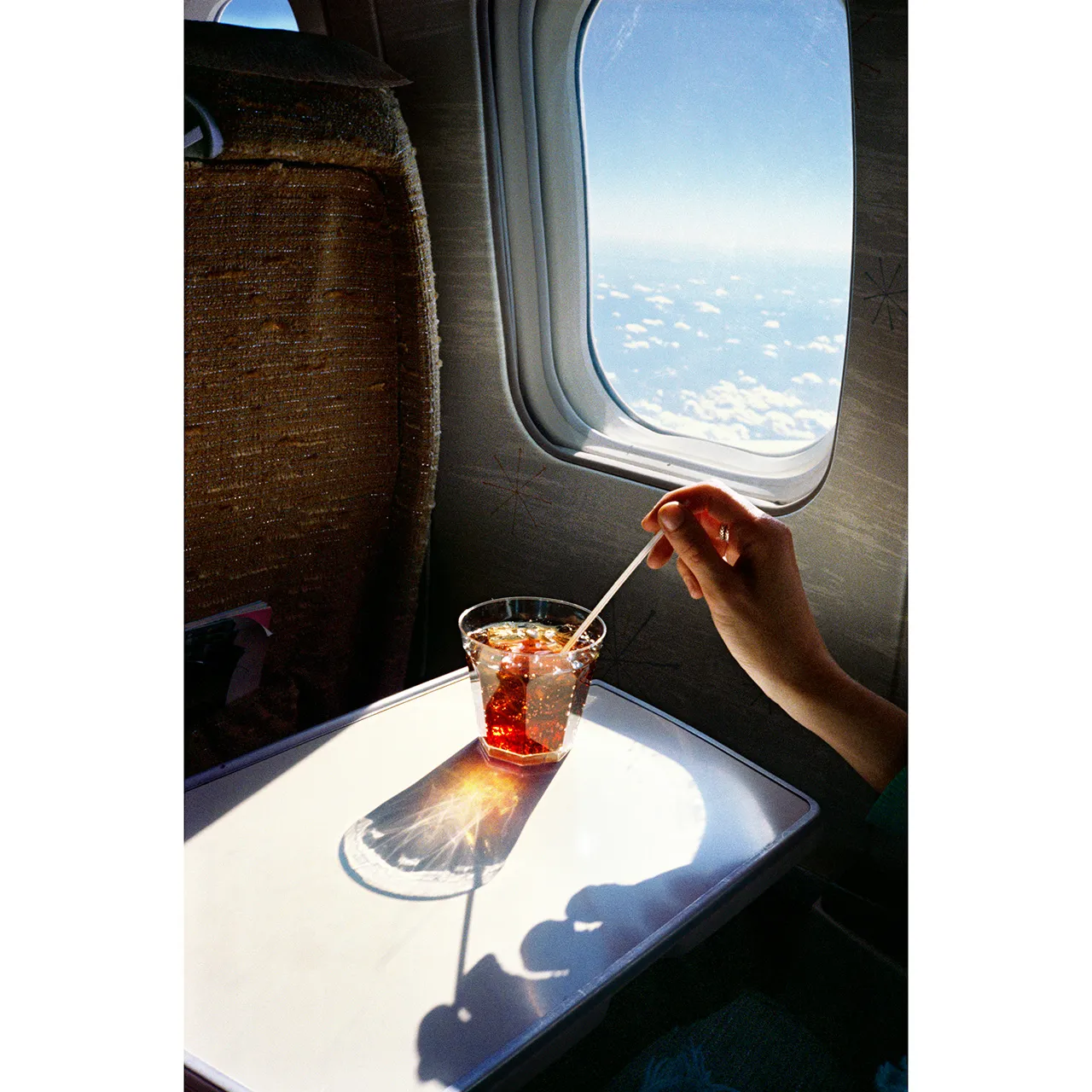
Now in his 80s, US photographer William Eggleston is credited with elevating the status of colour photography in the 1960s. His long legacy is the star of this show, where plastic diner seats, a drink on an aeroplane tray table (pictured) and the cistern of a bubblegum-pink toilet make up a Coca Cola-flavoured picture of his home country.
Until 21 February 2027;
thephotographersgallery.org.uk
Want the full rundown of the month’s top cultural happenings? Click here to read more.
|
|
how we live:
Restaurant reservations
Cracking the code of Italian table bookings is an oddly gratifying experience
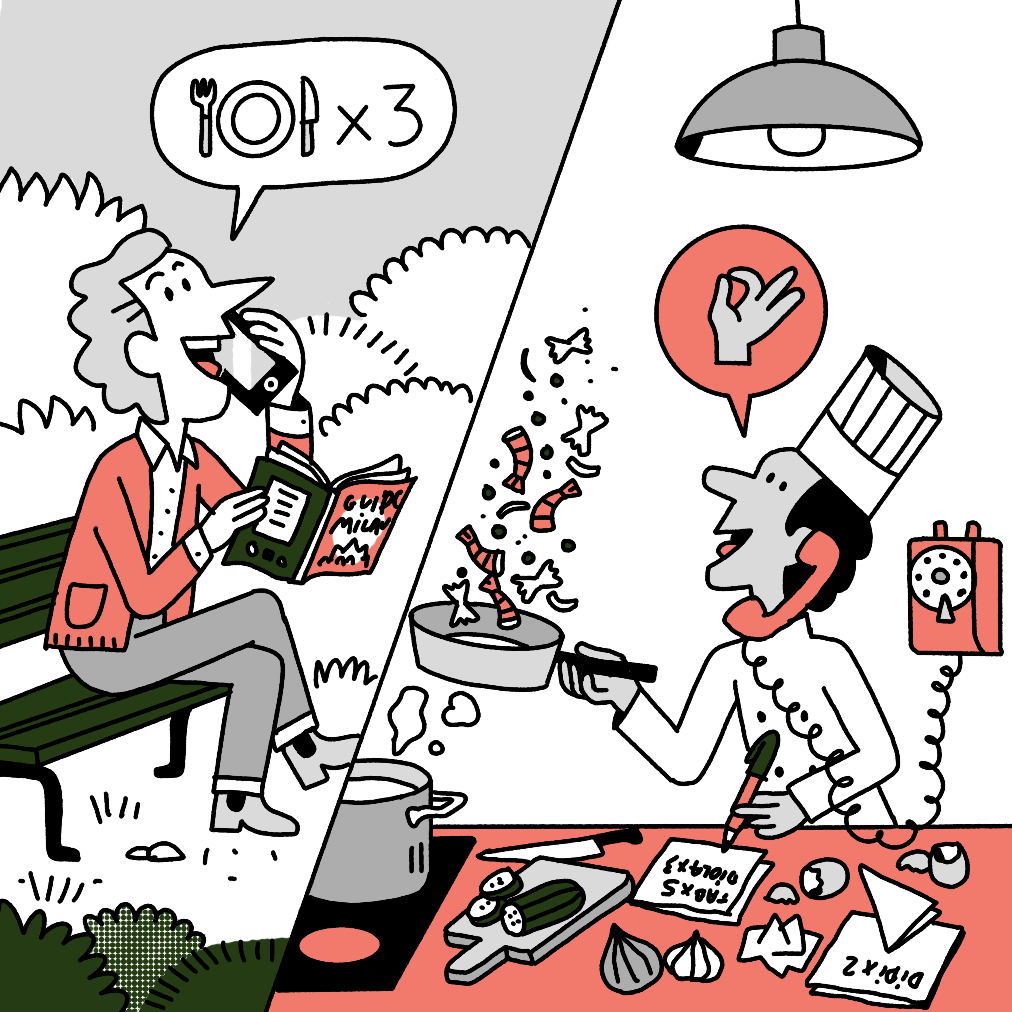
We don’t write letters any more and we have lost the art of sending postcards when we go on holiday – we would rather communicate via texts or instant messages (writes Ed Stocker). So it’s rather refreshing to know that reserving a restaurant table in Milan largely remains an old-school art form that involves picking up a phone and speaking to someone.
Across the world, it feels like most restaurants have embraced online platforms that allow you to book a table in a couple of clicks (often requiring you to part with your card details along the way – and subsequently pay a penalty fee in case of a late cancellation or no-show). But here in Milan, most places still require you to phone a number, speak to a member of staff – who will often struggle to hear you amid the din of dining – and have them scribble down your details.
|
At times it feels as though this process is purposely designed to be as difficult as possible. To book that precious table, some restaurants provide a specific reservation number that needs to be phoned within a two-hour window during a late-morning weekday. Often calling will simply result in an engaged tone. And sometimes, once you finally manage to get through, you will be told that you’re booking too far in advance and to phone back nearer to the date.
Even after all of that, there is still room for things to go awry. Your analogue reservation can get lost along the way. You can turn up for that 20.00 reservation at that fancy fish place up the road when your dear uncle happens to be in town only to be met with perplexity from the maître d’, who has no record of your booking (tip: always phone the day before to reconfirm).
And yet, despite the fatigue of it all, there’s something gratifying about pulling it all off, something rather warm and cuddly about the fact that – in today’s mistrustful world – there’s still a code involved in an Italian restaurant reservation. No card details are taken; your word is enough. You’re trusted to turn up on the night or, at the very least, do the right thing and cancel in good time.
|
|
retail update:
Samsøe Samsøe x End
Samsøe Samsøe and End collaboration unfurls a new chapter for the Danish brand
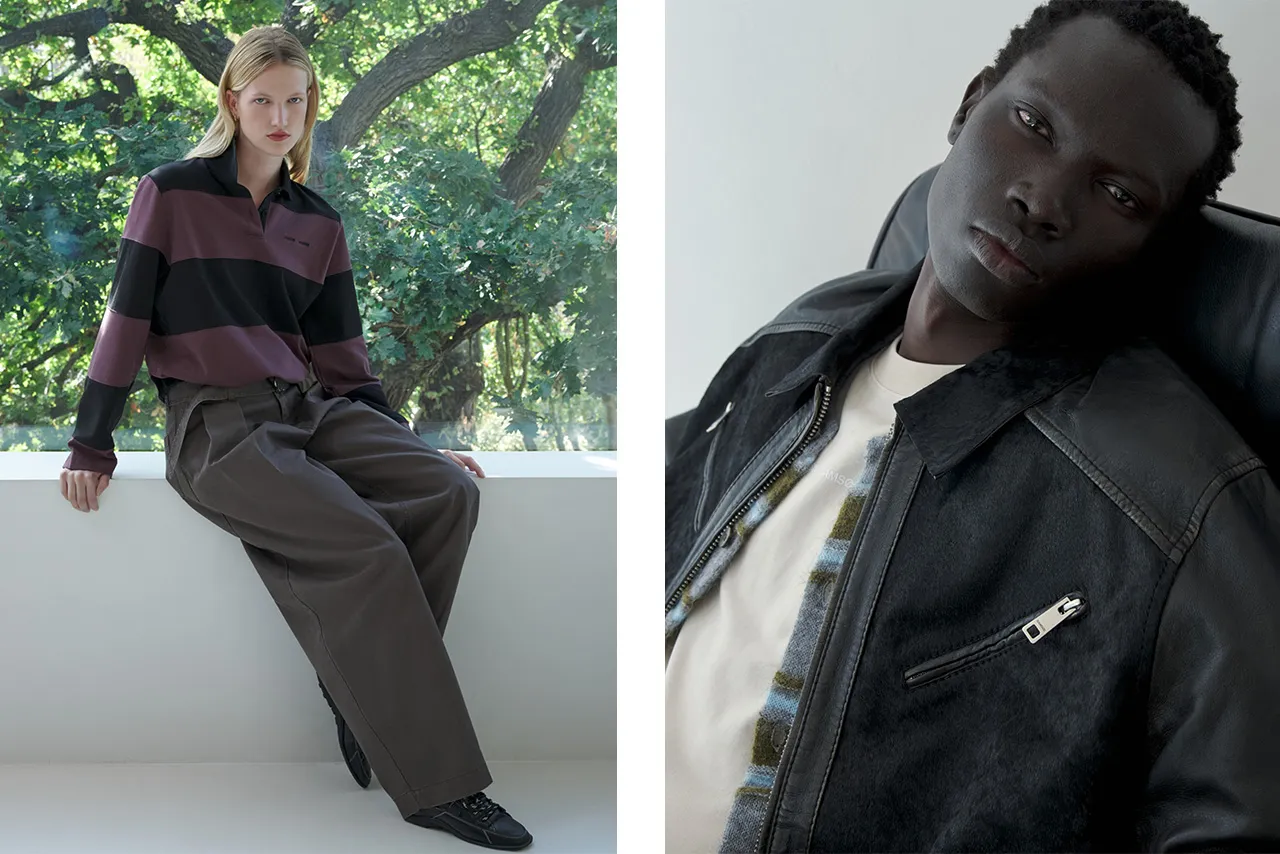
For the head of menswear at Samsøe Samsøe, Liam Hodges, the brand’s latest collaboration with cult multibrand shop End is a combination of “relaxed attitude and a polished execution” that reflects a meeting of British and Danish design sensibilities. “It’s about clothes that feel easy to wear but have a real sense of presence,” says Hodges. The result is a tight, 24-piece edit that includes knitwear pieces, relaxed tailoring and leather accessories for men and women.
For the newly appointed head, this collaboration also represents his hopes to develop the men’s element of Samsøe Samsøe. “The ambition is a modern, globally relevant menswear offering, grounded in our Copenhagen heritage,” he says. “For me, that means giving a clearer point of view, paying attention to fabric, fit and the details that make an everyday piece feel special.”
endclothing.com;
| | | | |